ACNEGEL
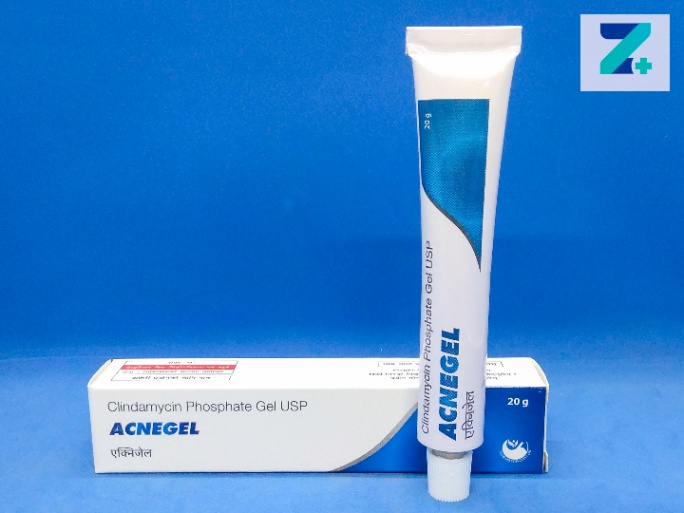
Price: Rs.230.00
10% off
In stock
Loose stock: 0
Description
ACNEGEL GEL 20G
Details
Composition
CLINDAMYCIN 1%W/W
# Clindamycin 1% w/w
## Short Description
Clindamycin 1% w/w is a **topical antibiotic medicine** commonly used to treat **acne vulgaris** and certain superficial bacterial skin infections. It helps reduce acne-causing bacteria and inflammation when applied directly to affected areas.
## Key Benefits
* Helps reduce acne-causing bacteria
* Helps decrease inflammation associated with acne
* Can reduce the number of inflammatory acne lesions
* Applied directly to affected skin
* May help improve mild to moderate inflammatory acne when prescribed appropriately
## Uses / Indications
Clindamycin 1% w/w may be used for:
* **Acne vulgaris**
* Inflammatory acne with pimples and pustules
* Certain susceptible superficial bacterial skin infections, depending on the specific formulation and medical advice
The exact indication depends on the formulation and local prescribing guidelines.
## How It Works
Clindamycin is a **lincosamide antibiotic**. It inhibits bacterial protein synthesis by binding to the 50S ribosomal subunit of susceptible bacteria. When applied to acne-prone skin, it reduces susceptible bacteria and can help decrease inflammation.
## Dosage & Administration
* Apply Clindamycin 1% w/w exactly as directed by your doctor
* Clean and gently dry the affected area before application
* Apply a **thin layer** to the affected area
* Wash your hands before and after application unless the hands are the treatment area
* Avoid contact with the eyes, mouth, inside of the nose and other mucous membranes
* Do not apply to cuts, broken skin or severely irritated areas unless specifically advised
* Use regularly as directed for the best effect
* Do not apply more frequently than recommended
* Do not cover the treated area with an airtight dressing unless instructed by your doctor
* If you miss an application, apply it when remembered unless it is nearly time for the next application; do not apply an excessive amount
**Topical clindamycin is generally used for a limited treatment period because prolonged antibiotic use can contribute to bacterial resistance.**
## Side Effects
Possible side effects include:
* Skin dryness
* Redness
* Burning or stinging
* Itching
* Peeling
* Skin irritation
* Contact dermatitis
Rarely, topical clindamycin can be associated with **diarrhea or antibiotic-associated colitis**, because some of the medicine may be absorbed into the body.
Stop using the medicine and seek medical advice if you develop severe or persistent diarrhea, significant abdominal cramps, blood in the stool or severe skin reactions.
## Precautions & Warnings
* Do not use if you are allergic to clindamycin or lincomycin
* Tell your doctor if you have previously experienced **antibiotic-associated colitis**
* Use only on the skin and avoid contact with the eyes and mucous membranes
* Do not use more than prescribed
* Prolonged or unnecessary antibiotic use can contribute to bacterial resistance
* Avoid applying to severely irritated or damaged skin unless advised by a healthcare professional
* Tell your doctor if severe diarrhea develops during or after treatment
* If using other acne products, introduce them carefully because combined products may increase skin irritation
* Tell your doctor if you are pregnant, planning pregnancy or breastfeeding
* Keep out of reach of children
## Drug Interactions
Topical clindamycin generally has fewer systemic drug interactions than oral clindamycin, but tell your doctor or pharmacist about all medicines you use.
Important considerations include:
* Other topical antibiotics
* Other acne treatments that can cause skin irritation
* Erythromycin-containing topical preparations
* Neuromuscular-blocking medicines, particularly if significant systemic absorption occurs
Using multiple topical acne medicines simultaneously may increase dryness, redness or irritation.
## Storage Information
* Store according to the manufacturer's instructions
* Keep the product in its original container
* Protect from excessive heat and direct sunlight
* Keep away from excessive moisture
* Keep the container or tube tightly closed
* Do not freeze unless the product label specifically permits it
* Keep out of reach and sight of children
* Do not use after the expiry date
* Follow the specific storage instructions printed on the product label
## Prescription Status
Clindamycin 1% w/w is generally a **prescription medicine**, although availability and dispensing requirements may vary by country and formulation. Use topical antibiotics only according to appropriate medical advice.
## Genuine Medicine Assurance
* Purchase Clindamycin only from a licensed and reputable pharmacy
* Check the medicine name, concentration and dosage form
* Verify the batch number and expiry date
* Ensure the tube, container and seal are intact
* Do not use products with damaged, altered or suspicious packaging
* Confirm that the concentration matches your prescription
* Purchase medicines from authorized sources
* If you suspect the product is counterfeit, consult a pharmacist or the relevant medicine regulatory authority
## Frequently Asked Questions
### What is Clindamycin 1% w/w used for?
Clindamycin 1% w/w is a topical antibiotic commonly used to treat **inflammatory acne** and certain susceptible bacterial skin infections.
### Is Clindamycin 1% a steroid?
No. Clindamycin is an **antibiotic** belonging to the lincosamide group. It is not a corticosteroid.
### Does Clindamycin 1% help acne?
Yes. Topical clindamycin can help reduce acne-causing bacteria and inflammation associated with inflammatory acne.
### How does Clindamycin work on acne?
It reduces susceptible bacteria on the skin by interfering with bacterial protein production. This can reduce bacterial activity and inflammation associated with acne.
### How should Clindamycin 1% be applied?
Apply a thin layer to clean, dry affected skin as directed by your doctor. Avoid contact with the eyes, mouth and other mucous membranes.
### How long does Clindamycin take to work for acne?
Acne improvement usually takes several weeks of consistent treatment. Continue using it according to your healthcare professional's instructions rather than applying extra amounts for faster results.
### Can Clindamycin 1% be used every day?
It may be prescribed for regular daily use, depending on the formulation and treatment plan. Follow the frequency recommended by your doctor.
### Can Clindamycin cause dry skin?
Yes. Dryness, redness, peeling, burning and irritation can occur with topical clindamycin.
### Can Clindamycin be used with other acne medicines?
It may be combined with other acne treatments, but some combinations can increase skin irritation. Your doctor may recommend combining topical clindamycin with **benzoyl peroxide** to help reduce antibiotic resistance.
### Can Clindamycin resistance develop?
Yes. Bacteria can develop resistance when antibiotics are used unnecessarily or for prolonged periods. For acne, topical antibiotics are generally used as part of a suitable combination treatment and for an appropriate duration.
### Is Clindamycin 1% safe during pregnancy?
If you are pregnant or planning pregnancy, consult your doctor before using topical clindamycin. Your doctor can determine whether it is appropriate for you.
### Can Clindamycin 1% be used while breastfeeding?
Consult your doctor before using topical clindamycin while breastfeeding. Avoid applying it to the breast or nipple area where the infant could ingest the medicine.
### Can Clindamycin 1% be used for fungal infections?
No. Clindamycin is an antibiotic and does **not** treat fungal infections such as ringworm or candidiasis.
### Is Clindamycin 1% an antibiotic?
Yes. Clindamycin is a lincosamide antibiotic used against susceptible bacteria.
### Can Clindamycin cause diarrhea?
Although topical clindamycin has lower systemic exposure than oral clindamycin, diarrhea can rarely occur. Severe or persistent diarrhea, particularly with abdominal cramps or blood in the stool, requires medical attention.
### Can I use Clindamycin on broken skin?
It is generally advisable to avoid applying it to significantly broken, damaged or severely irritated skin unless specifically instructed by your healthcare professional.
### Can Clindamycin be used for pimples?
Yes. It is commonly prescribed for inflammatory pimples associated with acne, particularly when bacterial involvement and inflammation are present.
### What happens if I miss an application?
Apply it when you remember unless it is nearly time for your next application. Do not apply a larger amount to make up for the missed application.
### Can Clindamycin 1% cure acne permanently?
Clindamycin can help control inflammatory acne, but it does not permanently cure acne. Acne may recur after treatment, and long-term management may require other treatments.
### Is Clindamycin 1% suitable for all types of acne?
No. It is mainly useful for **inflammatory acne**. It may be less appropriate for purely non-inflammatory blackheads and whiteheads unless used as part of a broader acne treatment plan.
## Medical Disclaimer
This information is provided for general educational purposes only and is not a substitute for professional medical advice, diagnosis or treatment. Clindamycin 1% w/w is a topical antibiotic and should be used according to the product label or advice from a qualified healthcare professional. Avoid unnecessary or prolonged antibiotic use because it can contribute to antimicrobial resistance. Seek medical attention if severe or persistent diarrhea, significant abdominal pain, blood in the stool, severe allergic reactions or serious skin irritation develops.