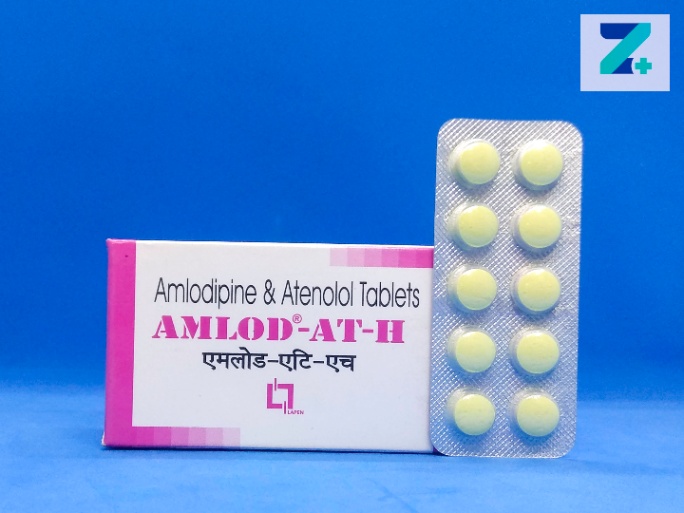
AMLOD-AT-H
Price: Rs.50.00
15% off
In stock
Loose stock: 0
Description
AMLOD-AT-H TAB 10
Details
Composition
AMLODIPINE 2.5 MG,ATENOLOL 25 MG
# AMLODIPINE 2.5 MG + ATENOLOL 25 MG
## SHORT DESCRIPTION
**Amlodipine 2.5 mg + Atenolol 25 mg** is a combination prescription medicine used primarily to help control **high blood pressure (hypertension)** and, in appropriate patients, certain forms of **angina (chest pain caused by reduced blood flow to the heart)**.
Amlodipine is a calcium-channel blocker that relaxes blood vessels, while atenolol is a beta-blocker that slows the heart rate and reduces the heart's workload. Together, they can provide complementary blood-pressure and cardiovascular control.
---
## KEY BENEFITS
* Helps lower **high blood pressure**.
* Helps reduce the workload on the heart.
* Amlodipine relaxes and widens blood vessels.
* Atenolol slows the heart rate and reduces cardiac workload.
* May help prevent symptoms of **stable angina** when prescribed for this purpose.
* Convenient combination of two blood-pressure medicines in one formulation.
* May provide more effective blood-pressure control than either medicine alone in selected patients.
---
## USES / INDICATIONS
Amlodipine 2.5 mg + Atenolol 25 mg may be prescribed for:
1. **Hypertension (high blood pressure)**
2. **Stable angina**
3. Control of elevated heart rate in selected cardiovascular conditions, depending on the individual patient's treatment plan
4. Patients who require combination therapy for blood-pressure control
The exact approved uses may vary according to the product and country.
> **Important:** This combination is not appropriate for every patient with hypertension. The beta-blocker component may be unsuitable for some people with asthma, certain heart-conduction problems, or a very slow heart rate.
---
## HOW IT WORKS
### Amlodipine
Amlodipine is a **calcium-channel blocker**.
It reduces the movement of calcium into vascular smooth-muscle cells, causing the arteries to relax and widen. This reduces **peripheral vascular resistance** and lowers blood pressure.
### Atenolol
Atenolol is a relatively selective **beta-1 adrenergic receptor blocker**.
It:
* Slows the heart rate.
* Reduces the force of heart contraction.
* Decreases the heart's oxygen demand.
* Reduces certain effects of adrenaline on the heart.
### Combination Effect
Together, amlodipine and atenolol can lower blood pressure through **different complementary mechanisms** while reducing the workload and oxygen demand of the heart.
---
## DOSAGE & ADMINISTRATION
### Typical Adult Use
The appropriate dose depends on the patient's blood pressure, heart rate, cardiovascular condition, kidney function, age, and response to treatment.
For a fixed-dose product containing **Amlodipine 2.5 mg + Atenolol 25 mg**, the prescribed dose is commonly **one tablet once daily**, but the exact regimen must follow the product label and healthcare professional's instructions.
### How to Take
* Take at approximately the same time each day.
* Swallow with water.
* It may generally be taken with or without food.
* Do not crush or split the tablet unless the product is specifically designed for this.
* Continue treatment even when blood pressure is controlled unless your healthcare professional tells you to stop.
### Missed Dose
Take the missed dose when remembered unless it is nearly time for the next dose.
**Do not take two doses together.**
### Do Not Stop Atenolol Suddenly
Atenolol should generally **not be stopped abruptly**, particularly in people with coronary artery disease, because sudden withdrawal may worsen angina or increase cardiovascular risk.
Dose reduction should be performed under medical supervision when discontinuation is necessary.
---
## SIDE EFFECTS
### Common Side Effects
Possible side effects include:
* Dizziness
* Tiredness or fatigue
* Headache
* Slow heart rate
* Cold hands or feet
* Flushing
* Ankle or leg swelling
* Nausea
* Mild gastrointestinal discomfort
### Amlodipine-Related Effects
Amlodipine commonly causes:
* **Peripheral edema (ankle swelling)**
* Flushing
* Headache
* Palpitations
* Dizziness
### Atenolol-Related Effects
Atenolol may cause:
* Fatigue
* Slow pulse
* Cold extremities
* Dizziness
* Reduced exercise tolerance
* Sleep disturbances or unusual dreams in some people
### Serious Side Effects
Seek medical attention if you experience:
* Fainting
* Very slow heartbeat
* Severe dizziness
* Difficulty breathing
* New or worsening chest pain
* Severe swelling
* Signs of an allergic reaction
* Symptoms of heart failure such as significant breathlessness or rapidly worsening swelling
---
## PRECAUTIONS & WARNINGS
### Low Heart Rate
Atenolol can slow the heart rate. It may not be appropriate for people with significant **bradycardia**.
### Heart Block
Atenolol should generally be avoided or used with specialist supervision in patients with certain degrees of **heart block or conduction disorders**.
### Heart Failure
Beta-blockers can be beneficial in selected patients with stable heart failure, but initiation and dose adjustment require appropriate medical supervision.
### Asthma and COPD
Although atenolol is relatively beta-1 selective, it can still affect the airways, particularly at higher doses.
Tell your healthcare professional if you have:
* Asthma
* COPD
* A history of bronchospasm
### Diabetes
Atenolol can mask some warning symptoms of **low blood sugar**, particularly a rapid heartbeat.
People with diabetes should monitor blood glucose as advised.
### Peripheral Circulation Problems
Beta-blockers may worsen symptoms in people with significant peripheral arterial circulation problems.
### Kidney Disease
Atenolol is substantially eliminated by the kidneys. Dose adjustment may be required in patients with impaired kidney function.
### Liver Disease
Amlodipine is metabolized primarily by the liver. Patients with significant liver impairment may require careful dose selection.
### Low Blood Pressure
The combination can cause excessive blood-pressure reduction, resulting in dizziness or fainting.
### Pregnancy
This combination should only be used during pregnancy when specifically recommended by a healthcare professional after assessing the benefits and risks.
### Breastfeeding
Atenolol can pass into breast milk and may affect a breastfed infant. Discuss treatment with your healthcare professional before breastfeeding.
### Older Adults
Older adults may be more sensitive to blood-pressure lowering and slow heart rate and may require closer monitoring.
---
## DRUG INTERACTIONS
### Other Blood-Pressure Medicines
Combining this medicine with other antihypertensives may cause excessive blood-pressure reduction.
### Other Beta-Blockers
Do not use additional beta-blockers unless specifically prescribed.
### Calcium-Channel Blockers
Certain medicines such as **verapamil or diltiazem** can further slow the heart rate or impair heart conduction when combined with atenolol.
### Digoxin
Digoxin can slow the heart rate and may increase the risk of **bradycardia or conduction problems** when used with atenolol.
### Clonidine
Stopping clonidine while taking a beta-blocker can cause a significant rise in blood pressure. Changes should be managed carefully by a healthcare professional.
### Insulin and Diabetes Medicines
Atenolol can mask some symptoms of hypoglycemia, particularly tachycardia.
### NSAIDs
Medicines such as:
* Ibuprofen
* Naproxen
* Diclofenac
may reduce the blood-pressure-lowering effect of some antihypertensive medicines.
### Anesthetic Medicines
Tell your anesthetist or doctor that you take atenolol before surgery, as beta-blockade can affect heart rate and blood pressure during anesthesia.
Always provide a complete list of prescription medicines, OTC medicines, vitamins, and herbal supplements.
---
## STORAGE INFORMATION
* Store according to the manufacturer's instructions.
* Keep at room temperature unless otherwise specified.
* Protect from excessive heat, moisture, and direct sunlight.
* Keep tablets in their original packaging.
* Keep out of reach and sight of children.
* Do not use after the expiry date.
* Do not use tablets if the packaging is damaged.
---
## PRESCRIPTION STATUS
**Prescription medicine in many countries.**
Amlodipine + atenolol should be used under medical supervision because the combination can significantly affect **blood pressure and heart rate**.
Prescription requirements may vary by country.
---
## GENUINE MEDICINE ASSURANCE
When purchasing **Amlodipine 2.5 mg + Atenolol 25 mg**, obtain it from a **licensed pharmacy or authorized medicine supplier**.
Before use, check:
* Medicine name and strength
* Active ingredients
* Manufacturer
* Batch/lot number
* Manufacturing and expiry dates
* Packaging and seal integrity
* Regulatory information
* Tablet appearance
Avoid products with damaged packaging, missing labeling, altered expiry dates, or questionable authenticity.
---
# FAQ – AMLODIPINE 2.5 MG + ATENOLOL 25 MG
### 1. What is Amlodipine 2.5 mg + Atenolol 25 mg used for?
It is primarily used to manage **high blood pressure** and may also be prescribed for certain patients with **stable angina**.
### 2. How does Amlodipine + Atenolol lower blood pressure?
Amlodipine relaxes and widens blood vessels, while atenolol slows the heart and reduces the force of contraction. Their complementary actions help lower blood pressure.
### 3. Can this medicine be used for angina?
Yes. The combination may be prescribed for **stable angina**, depending on the patient's cardiovascular condition and treatment plan.
### 4. When should I take Amlodipine 2.5 mg + Atenolol 25 mg?
It is generally taken **once daily at approximately the same time each day**, according to your prescription.
### 5. Can I take Amlodipine + Atenolol with food?
It can generally be taken with or without food. Follow the specific instructions supplied with your product.
### 6. Does this medicine lower heart rate?
Yes. **Atenolol can slow the heart rate**. Your pulse may be monitored during treatment.
### 7. Can Amlodipine + Atenolol cause dizziness?
Yes. Dizziness may occur, especially when starting treatment or if blood pressure becomes too low. Rise slowly from sitting or lying positions.
### 8. Can this medicine cause ankle swelling?
Yes. **Amlodipine can cause peripheral edema**, commonly affecting the ankles or lower legs.
### 9. Can I stop Atenolol suddenly?
No. Abruptly stopping atenolol can cause rebound effects and may worsen angina or increase cardiovascular risk in some patients. Discontinuation should be supervised by a healthcare professional.
### 10. Can people with asthma take Atenolol?
Atenolol may affect the airways despite being relatively beta-1 selective. People with asthma or bronchospasm should discuss its use with their healthcare professional.
### 11. Can people with diabetes take Atenolol?
It may be used in some people with diabetes, but atenolol can **mask certain symptoms of low blood sugar**, particularly a rapid heartbeat. Blood glucose should be monitored as recommended.
### 12. Can I take Amlodipine + Atenolol with other blood-pressure medicines?
Sometimes. Combination treatment is common, but additional medicines should only be used according to a healthcare professional's instructions because blood pressure may fall too low.
### 13. Can I take ibuprofen with Amlodipine + Atenolol?
NSAIDs such as ibuprofen can interfere with blood-pressure control and may affect kidney function in susceptible individuals. Consult your healthcare professional before regular use.
### 14. What happens if I miss a dose?
Take the missed dose when remembered unless it is close to the next dose. **Do not double the dose.**
### 15. Can this medicine be used during pregnancy?
It should only be used during pregnancy when specifically recommended by a healthcare professional after evaluating the benefits and risks.
### 16. Can Amlodipine + Atenolol cause tiredness?
Yes. **Fatigue or reduced exercise tolerance** can occur, particularly because of the atenolol component.
### 17. What heart rate is too low while taking Atenolol?
There is no single heart-rate threshold that is appropriate for everyone. A very slow pulse accompanied by **dizziness, fainting, weakness, or breathing difficulty** requires medical assessment.
### 18. Is Amlodipine + Atenolol available without a prescription?
It is generally a **prescription medicine**, although regulatory requirements differ between countries.
### 19. Does Amlodipine + Atenolol cure high blood pressure?
It controls high blood pressure but does not necessarily cure the underlying condition. Long-term treatment and lifestyle measures may be required.
### 20. What should I do if I develop chest pain while taking this medicine?
**New, severe, worsening, or persistent chest pain requires urgent medical evaluation.** Do not assume that the medicine will prevent every episode of chest pain.
---
## MEDICAL DISCLAIMER
This information about **Amlodipine 2.5 mg + Atenolol 25 mg** is provided for general educational purposes only and does not replace professional medical advice, diagnosis, or treatment.
This combination can significantly affect **blood pressure and heart rate**. Atenolol may cause bradycardia and can mask some symptoms of low blood sugar, while amlodipine may cause ankle swelling and dizziness.
Do not start, stop, or change the dose without consulting your healthcare professional. **Atenolol should generally not be discontinued abruptly**, particularly in patients with coronary artery disease.
Seek urgent medical attention for severe dizziness or fainting, difficulty breathing, very slow heartbeat with symptoms, or new/severe/worsening chest pain.
Always follow the **specific product labeling and your healthcare professional's instructions** regarding dosage, duration, and monitoring.