AVOMINE
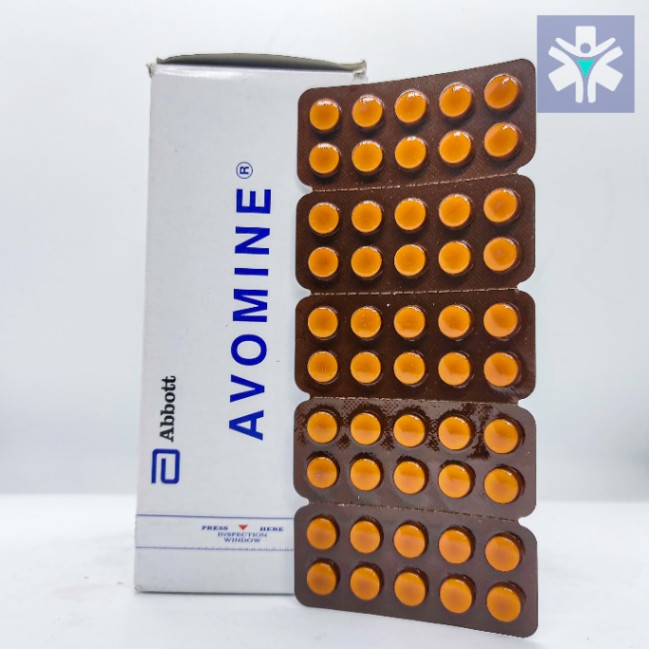
Price: Rs.111.72
10% off
In stock
Loose stock: 8
Description
AVOMINE TAB 10
Details
Composition
PROMETHAZINE 25 MG
# PROMETHAZINE 25 MG
## SHORT DESCRIPTION
**Promethazine 25 mg** is a prescription medicine belonging to the **phenothiazine antihistamine** group. It has antihistamine, antiemetic, and sedative properties. It may be used for the relief of certain **allergic symptoms**, prevention or treatment of **nausea and vomiting**, and motion sickness.
Promethazine can cause significant drowsiness and should be used carefully, particularly when combined with alcohol or other medicines that cause sedation.
---
## KEY BENEFITS
* Helps relieve symptoms of certain **allergic conditions**.
* Helps reduce **nausea and vomiting**.
* May help prevent and treat **motion sickness**.
* Has sedative properties that may be useful in selected clinical situations.
* Helps reduce symptoms such as itching, sneezing, and runny nose associated with allergies.
---
## USES / INDICATIONS
Promethazine 25 mg may be prescribed for:
* **Allergic conditions**
* Allergic rhinitis
* Urticaria (hives)
* Itching associated with allergic reactions
* **Nausea and vomiting**
* **Motion sickness**
* Certain preoperative or procedural situations where sedation is required
The exact approved uses can vary according to the formulation and local prescribing guidelines.
---
## HOW IT WORKS
Promethazine is primarily an **H1 antihistamine**.
During an allergic reaction, the body releases histamine, which can cause:
* Itching
* Sneezing
* Runny nose
* Watery eyes
* Skin reactions
Promethazine blocks **histamine H1 receptors**, helping reduce these symptoms.
It also has effects on areas of the brain involved in nausea and vomiting, which contributes to its **antiemetic effect**.
Promethazine also crosses the blood-brain barrier and can cause significant **drowsiness and sedation**.
---
## DOSAGE & ADMINISTRATION
Take Promethazine 25 mg exactly as prescribed by your healthcare professional.
### General Administration
* The appropriate dose depends on the condition being treated, age, and individual response.
* It may be taken **with or without food**.
* Swallow the tablet with water.
* Take only the prescribed amount.
For adults, doses commonly vary depending on the indication. **25 mg may be used for some allergic, antiemetic, or motion-sickness indications, but the correct frequency and duration should be determined by a healthcare professional.**
### Older Adults
Older adults may be more sensitive to:
* Drowsiness
* Confusion
* Dizziness
* Low blood pressure
* Anticholinergic effects
A healthcare professional may therefore recommend a lower dose or closer monitoring.
### Children
Promethazine requires particular caution in children. **It should not be given to children under 2 years of age** because of the risk of potentially fatal respiratory depression.
Pediatric use should follow professional medical advice and age-specific dosing instructions.
### Missed Dose
If you miss a scheduled dose, take it when remembered unless it is nearly time for the next dose.
**Do not take a double dose.**
---
## SIDE EFFECTS
### Common Side Effects
Possible side effects include:
* Drowsiness
* Dizziness
* Dry mouth
* Blurred vision
* Constipation
* Fatigue
* Headache
* Difficulty concentrating
* Increased sensitivity to sunlight
### Other Possible Effects
Some people may experience:
* Confusion
* Low blood pressure
* Urinary difficulty
* Increased heart rate
* Restlessness
* Agitation
### Serious Side Effects
Seek medical attention for:
* Difficulty breathing
* Severe allergic reaction
* Extreme sedation or inability to wake normally
* Fainting
* Severe confusion
* Uncontrolled muscle movements
* Seizures
* Severe skin reactions
---
## PRECAUTIONS & WARNINGS
### Severe Drowsiness
Promethazine can cause significant sedation.
**Do not drive, operate machinery, or perform hazardous activities until you know how the medicine affects you.**
### Alcohol
Avoid alcohol while taking promethazine because alcohol can substantially increase:
* Drowsiness
* Dizziness
* Impaired coordination
* Respiratory depression
### Children Under 2 Years
Promethazine **must not be used in children under 2 years of age** because of the risk of potentially fatal respiratory depression.
### Respiratory Conditions
Use caution if you have:
* Asthma
* Chronic obstructive pulmonary disease (COPD)
* Sleep apnea
* Other breathing problems
### Glaucoma
Promethazine may increase pressure inside the eye and should be used cautiously in people with **narrow-angle glaucoma**.
### Urinary Retention
Its anticholinergic effects may worsen urinary retention, particularly in people with prostate enlargement or bladder-outflow obstruction.
### Seizure Disorders
Promethazine may lower the seizure threshold and should be used cautiously in people with a history of seizures.
### Older Adults
Older adults may be more susceptible to confusion, sedation, dizziness, and falls.
### Liver Disease
Tell your healthcare professional if you have liver disease before taking promethazine.
---
## DRUG INTERACTIONS
Tell your healthcare professional about all prescription medicines, over-the-counter medicines, and supplements you use.
### Alcohol
Alcohol can significantly increase promethazine-related sedation and impairment.
### Sedatives and Sleeping Medicines
Combining promethazine with medicines such as:
* Benzodiazepines
* Sleeping tablets
* Sedative antihistamines
may cause excessive sedation and respiratory depression.
### Opioids
Opioid pain medicines can significantly increase sedation and **respiratory depression** when combined with promethazine.
### Other Anticholinergic Medicines
Medicines with anticholinergic effects may increase:
* Dry mouth
* Constipation
* Blurred vision
* Urinary retention
* Confusion
### Antidepressants and Antipsychotics
Some medicines affecting the central nervous system may increase sedation or other adverse effects.
### Monoamine Oxidase Inhibitors (MAOIs)
MAOIs may prolong or intensify the effects of promethazine. Tell your healthcare professional if you are taking or have recently taken an MAOI.
---
## STORAGE INFORMATION
* Store at room temperature according to the manufacturer's instructions.
* Keep in the original packaging.
* Protect from excessive heat, moisture, and direct sunlight.
* Keep out of reach of children.
* Keep the container tightly closed where applicable.
* Do not use after the expiry date.
---
## PRESCRIPTION STATUS
**Prescription medicine.**
Promethazine 25 mg should be used according to the instructions of a qualified healthcare professional. Prescription requirements may vary depending on the country and formulation.
---
## GENUINE MEDICINE ASSURANCE
When purchasing **Promethazine 25 mg**, obtain it from a **licensed pharmacy or authorized medicine supplier**.
Check the packaging for:
* Correct medicine name and strength
* Manufacturer details
* Batch/lot number
* Manufacturing and expiry dates
* Intact packaging and seal
* Appropriate regulatory labeling
Avoid medicines with damaged packaging, altered labels, missing batch information, or questionable authenticity.
---
# FAQ – PROMETHAZINE 25 MG
### 1. What is Promethazine 25 mg used for?
Promethazine 25 mg may be used for **allergic symptoms, nausea and vomiting, and motion sickness**. It may also be used for sedation in selected medical situations.
### 2. Is Promethazine an antihistamine?
Yes. Promethazine is a **first-generation H1 antihistamine** with antihistamine, antiemetic, and sedative properties.
### 3. Does Promethazine make you sleepy?
Yes. **Drowsiness and sedation are common** effects of promethazine. Avoid driving or operating machinery until you know how it affects you.
### 4. Can Promethazine 25 mg be used for nausea?
Yes. Promethazine has antiemetic properties and may be prescribed for certain types of **nausea and vomiting**.
### 5. Can Promethazine help with motion sickness?
Yes. Promethazine can be used to help prevent or treat **motion sickness** when recommended appropriately.
### 6. Can I take Promethazine with alcohol?
It is best to **avoid alcohol** while taking promethazine because the combination can greatly increase sedation, impaired coordination, and potentially dangerous respiratory depression.
### 7. Can I take Promethazine with sleeping tablets?
Combining promethazine with sleeping medicines can cause excessive sedation and breathing problems. Use the combination only if specifically recommended by a healthcare professional.
### 8. Can Promethazine be taken with opioid painkillers?
Opioids and promethazine can both depress the central nervous system. Combining them can cause **dangerous sedation and respiratory depression** and should only be done under appropriate medical supervision.
### 9. Can children take Promethazine 25 mg?
Promethazine **must not be given to children under 2 years of age** because of the risk of potentially fatal respiratory depression. Older children should receive it only according to appropriate professional guidance.
### 10. Can Promethazine cause dry mouth?
Yes. Dry mouth is a common anticholinergic effect of promethazine.
### 11. Does Promethazine cause constipation?
It can. Promethazine's anticholinergic effects may contribute to constipation.
### 12. Can Promethazine cause dizziness?
Yes. Dizziness and drowsiness may occur and can increase the risk of falls, especially in older adults.
### 13. Can I drive after taking Promethazine?
You should **not drive or operate machinery if promethazine makes you drowsy, dizzy, or less alert**.
### 14. Can Promethazine be used during pregnancy?
Pregnancy use should be discussed with a healthcare professional. The potential benefits and risks should be assessed based on the specific situation.
### 15. Can I take Promethazine while breastfeeding?
Promethazine may affect the breastfed infant and may potentially affect milk production. Consult a healthcare professional before using it while breastfeeding.
### 16. Can Promethazine treat a common cold?
Promethazine may relieve some allergy-like symptoms such as runny nose, but it **does not cure the viral infection** causing a common cold.
### 17. How long does Promethazine take to work?
Promethazine generally begins producing effects relatively quickly, but the timing varies depending on the condition being treated and the formulation used.
### 18. What should I do if I miss a dose?
Take the missed dose when remembered unless it is nearly time for the next dose. **Do not double the next dose.**
### 19. Is Promethazine 25 mg addictive?
Promethazine is not generally considered an addictive medicine. However, it can cause significant sedation and should be used only as directed.
### 20. Is Promethazine 25 mg prescription-only?
Promethazine is generally a **prescription medicine**, although legal requirements can vary by country and formulation.
---
## MEDICAL DISCLAIMER
This information about **Promethazine 25 mg** is provided for general educational purposes only and does not replace professional medical advice, diagnosis, or treatment.
Promethazine can cause significant **drowsiness, dizziness, and central nervous system depression**. Avoid alcohol and use caution with opioids, sedatives, sleeping medicines, and other medicines that cause drowsiness.
**Promethazine must not be used in children under 2 years of age** because of the risk of potentially fatal respiratory depression. Always use the medicine according to the prescribed dose and instructions.
Seek urgent medical attention for severe difficulty breathing, extreme sedation, loss of consciousness, seizures, severe allergic reactions, or other serious symptoms.