CARDACE 1.25MG
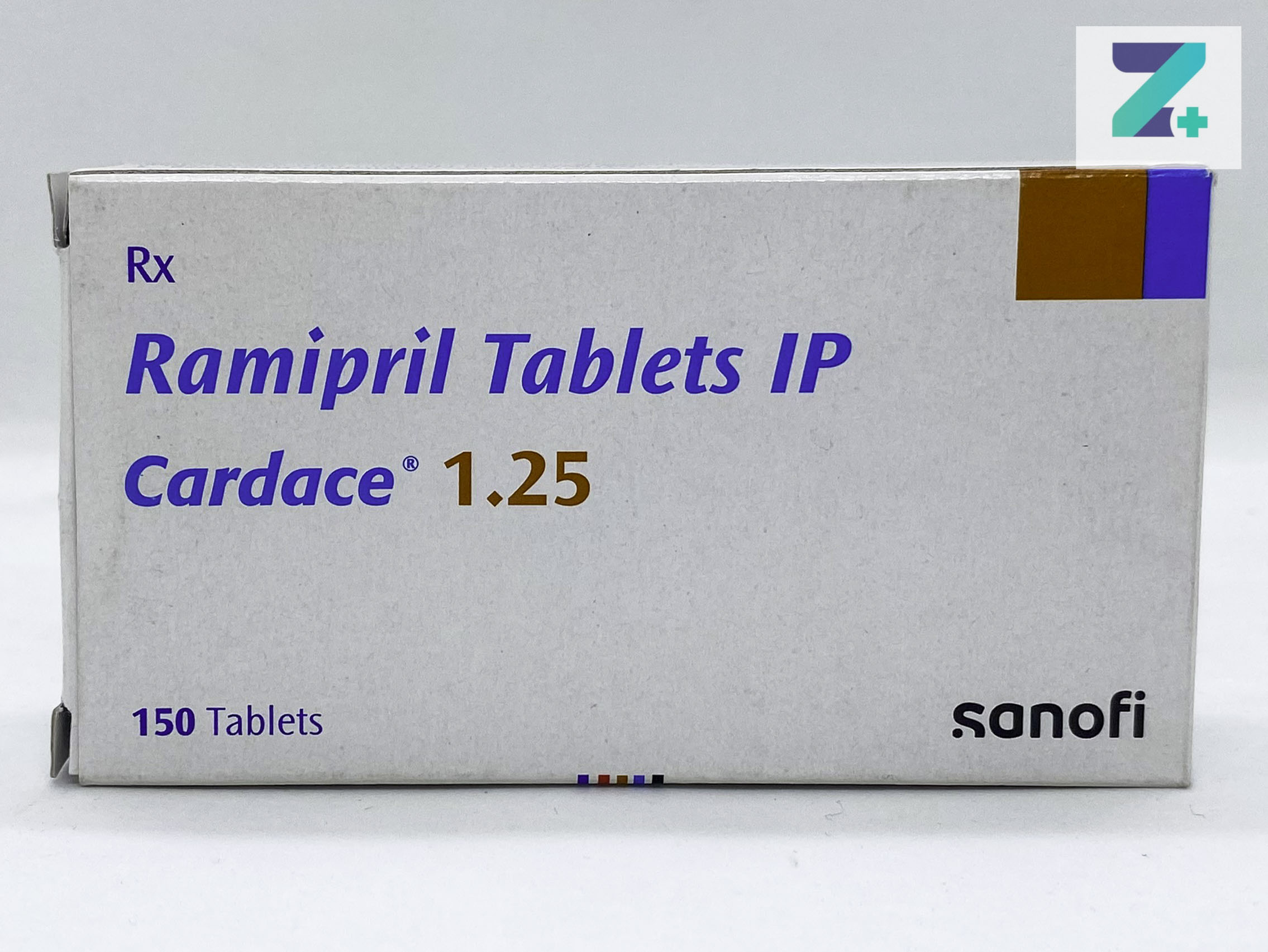
Price: Rs.187.36
13% off
In stock
Loose stock: 0
Description
CARDACE 1.25MG TAB 15
Details
Composition
RAMIPRIL 1.25 MG
# Ramipril 1.25 mg
## Short Description
Ramipril 1.25 mg is an **ACE inhibitor prescription medicine** used primarily to treat high blood pressure and certain cardiovascular conditions. It helps relax blood vessels, lower blood pressure and reduce the workload on the heart. It may also be prescribed to help reduce the risk of cardiovascular events in selected high-risk patients.
## Key Benefits
* Helps lower high blood pressure
* Relaxes and widens blood vessels
* Reduces the workload on the heart
* May help protect the heart and blood vessels
* May help slow progression of certain kidney complications
* May reduce cardiovascular risk in appropriate high-risk patients
* Can be used as part of long-term blood pressure management
## Uses / Indications
Ramipril 1.25 mg may be prescribed for:
* **Hypertension (high blood pressure)**
* Heart failure
* Certain patients following a heart attack
* Reduction of cardiovascular risk in selected high-risk patients
* Kidney protection in certain patients, particularly when associated with diabetes or hypertension
The approved indications may vary according to country, patient characteristics and product labeling.
## How It Works
Ramipril is converted in the body to its active form, **ramiprilat**. It inhibits the **angiotensin-converting enzyme (ACE)**.
This reduces the production of angiotensin II, a substance that causes blood vessels to narrow. As a result, blood vessels relax and widen, blood pressure decreases and the heart has less resistance against which to pump.
Ramipril also reduces aldosterone production, which can decrease sodium and water retention.
## Dosage & Administration
* Take Ramipril 1.25 mg exactly as prescribed by your doctor
* **1.25 mg may be used as a starting dose** in certain patients, depending on the condition and individual risk factors
* The dose may be gradually increased by your doctor based on blood pressure, kidney function and response
* It may be taken with or without food
* Take it at approximately the same time each day
* Swallow the tablet with water
* Do not change the dose without medical advice
* Your doctor may monitor blood pressure, kidney function and blood potassium levels
* If you miss a dose, take it when remembered unless it is nearly time for the next dose
* Do not take a double dose to compensate for a missed dose
* Continue taking it regularly even if you feel well, unless your doctor tells you to stop
## Side Effects
Common side effects may include:
* Dry, persistent cough
* Dizziness
* Headache
* Fatigue
* Weakness
* Low blood pressure
* Nausea
* Stomach discomfort
Important but less common side effects include:
* Increased potassium levels
* Changes in kidney function
* Fainting
* Skin rash
### Seek urgent medical attention for:
* Swelling of the face, lips, tongue or throat
* Difficulty breathing or swallowing
* Severe dizziness or fainting
* Severe allergic reaction
* Very low urine output
* Significant weakness or abnormal heart rhythm
Swelling of the face, lips or throat may indicate **angioedema**, which can be life-threatening.
## Precautions & Warnings
* Do not use Ramipril if you have previously experienced ACE inhibitor-related angioedema
* Ramipril is **contraindicated during pregnancy**
* Tell your doctor if you are pregnant or planning pregnancy
* Inform your doctor if you have kidney disease
* Tell your doctor if you have narrowing of the renal arteries
* Blood pressure, kidney function and potassium levels may require monitoring
* Tell your doctor if you have low blood pressure or dehydration
* Use caution if you have heart disease or certain valve problems
* Avoid potassium supplements or potassium-containing salt substitutes unless recommended by your doctor
* Do not stop treatment without medical advice
* Tell your healthcare professional before surgery or anesthesia
* Seek immediate medical attention for swelling of the face, tongue or throat
## Drug Interactions
Ramipril can interact with several medicines, including:
* **Potassium supplements and potassium-containing salt substitutes** — may increase potassium levels
* **Potassium-sparing diuretics** such as spironolactone — may increase the risk of hyperkalemia
* **ARBs** such as losartan — combining renin-angiotensin system medicines may increase adverse effects
* **Aliskiren** — generally avoided with ACE inhibitors in certain patients
* **NSAIDs** such as ibuprofen — may reduce blood-pressure-lowering effects and increase kidney risk
* **Lithium** — ramipril may increase lithium levels
* Other blood-pressure-lowering medicines — may cause excessive lowering of blood pressure
* **Diuretics** — may increase the risk of dizziness or low blood pressure, especially when treatment is initiated
* Certain diabetes medicines may increase the risk of low blood sugar when combined with ACE inhibitors
Tell your doctor or pharmacist about all prescription medicines, OTC medicines, vitamins and herbal supplements you take.
## Storage Information
* Store according to the manufacturer's instructions
* Keep tablets in their original packaging
* Protect from excessive heat, moisture and direct sunlight
* Keep the container tightly closed
* Store at the temperature specified on the product label
* Keep out of reach and sight of children
* Do not use after the expiry date
* Follow the storage instructions printed on the packaging
## Prescription Status
Ramipril 1.25 mg is generally a **prescription-only medicine**. It should be used under the supervision of a qualified healthcare professional because blood pressure, kidney function and potassium levels may require monitoring.
Prescription requirements can vary by country.
## Genuine Medicine Assurance
* Purchase Ramipril only from a licensed and reputable pharmacy
* Verify the active ingredient and strength: **Ramipril 1.25 mg**
* Check the manufacturer, batch number and expiry date
* Ensure the packaging and seal are intact
* Confirm that the strength matches your prescription
* Do not use tablets from damaged or suspicious packaging
* Purchase medicines from authorized sources
* If you suspect the medicine is counterfeit, consult a pharmacist or the appropriate medicine regulatory authority
## Frequently Asked Questions
### What is Ramipril 1.25 mg used for?
Ramipril 1.25 mg is primarily used to treat **high blood pressure**. It may also be prescribed for heart failure, cardiovascular risk reduction and certain kidney-related conditions.
### Is Ramipril a blood pressure medicine?
Yes. Ramipril is an **ACE inhibitor** used to lower high blood pressure and reduce cardiovascular strain.
### How does Ramipril lower blood pressure?
Ramipril reduces the formation of angiotensin II, which normally causes blood vessels to narrow. This allows blood vessels to relax and helps lower blood pressure.
### Is Ramipril a beta blocker?
No. Ramipril is an **ACE inhibitor**, not a beta blocker.
### Is Ramipril a diuretic?
No. Ramipril does not directly act as a diuretic. It lowers blood pressure mainly by relaxing blood vessels and reducing the activity of the renin-angiotensin system.
### Is Ramipril 1.25 mg a low dose?
Yes. 1.25 mg is commonly used as a **low starting dose in selected patients**, particularly when a cautious dose is appropriate. The correct dose depends on the individual's condition and medical history.
### How long does Ramipril take to work?
Ramipril begins lowering blood pressure after administration, but the full therapeutic effect may take several weeks as the dose is adjusted.
### Can Ramipril be taken with food?
Yes. Ramipril can generally be taken with or without food. Take it consistently at approximately the same time each day.
### Does Ramipril cause a cough?
Yes. A **dry, persistent cough** is a well-known side effect of ACE inhibitors such as ramipril. Speak with your doctor if the cough becomes troublesome.
### Can Ramipril cause dizziness?
Yes. Dizziness may occur, particularly when starting treatment or increasing the dose. Stand up slowly and contact your doctor if dizziness is severe or persistent.
### Can Ramipril lower blood pressure too much?
Yes. Excessive blood pressure reduction can cause dizziness, weakness or fainting. This is more likely when starting treatment, increasing the dose or when dehydrated.
### Does Ramipril affect the kidneys?
Ramipril can affect kidney function in some patients. Kidney function and potassium levels may be monitored, particularly after starting or changing the dose.
### Can Ramipril increase potassium?
Yes. Ramipril can increase blood potassium levels. Avoid potassium supplements or potassium-containing salt substitutes unless recommended by your healthcare professional.
### Can I take Ramipril with Ibuprofen?
Ibuprofen and other NSAIDs can interact with ramipril and may increase the risk of kidney problems while reducing its blood-pressure-lowering effect. Regular combined use should be discussed with your doctor.
### Can Ramipril be taken with other blood pressure medicines?
Yes, combinations are sometimes prescribed. However, combining blood-pressure medicines can cause excessive blood pressure reduction, so it should be done under medical supervision.
### Can Ramipril be taken during pregnancy?
**No. Ramipril should not be used during pregnancy.** ACE inhibitors can cause serious harm to the developing fetus. Contact your doctor immediately if you become pregnant while taking ramipril.
### Can Ramipril be used while breastfeeding?
Consult your doctor before using ramipril while breastfeeding. Your healthcare professional can determine whether ramipril is appropriate or whether an alternative is preferable.
### Can Ramipril protect the kidneys?
Ramipril can provide kidney-protective benefits in certain patients, particularly those with hypertension and specific forms of kidney disease. However, it can also affect kidney function in some circumstances, so monitoring is important.
### Can Ramipril be stopped suddenly?
Do not stop ramipril without consulting your doctor. Stopping treatment may cause blood pressure to rise again and can increase cardiovascular risk in some patients.
### What happens if I miss a dose of Ramipril?
Take the missed dose when you remember unless it is nearly time for your next dose. Do not take two doses together.
### Does Ramipril cause weight gain?
Weight gain is not a typical direct side effect of ramipril. Unexplained weight gain, particularly with swelling or shortness of breath, should be discussed with a healthcare professional.
### Does Ramipril cause swelling?
Ramipril can rarely cause **angioedema**, which may cause swelling of the face, lips, tongue or throat. This requires immediate medical attention.
### Is Ramipril safe for long-term use?
Ramipril can be used long term when prescribed appropriately. Regular monitoring of blood pressure, kidney function and potassium may be necessary.
### Does Ramipril cure high blood pressure?
Ramipril controls high blood pressure but does not permanently cure hypertension. Blood pressure often requires long-term treatment and lifestyle management.
### What should I avoid while taking Ramipril?
Avoid excessive alcohol and avoid potassium supplements or potassium-containing salt substitutes unless advised by your doctor. Also discuss regular NSAID use, such as ibuprofen, with your healthcare professional.
## Medical Disclaimer
This information is provided for general educational purposes only and is not a substitute for professional medical advice, diagnosis or treatment. **Ramipril 1.25 mg is a prescription medicine and should be used only as directed by a qualified healthcare professional.** The appropriate dose depends on the condition, kidney function, blood pressure and other individual factors. Regular monitoring of blood pressure, kidney function and potassium may be required. Ramipril should not be used during pregnancy. Seek urgent medical attention for swelling of the face, lips, tongue or throat, difficulty breathing, severe dizziness or fainting.