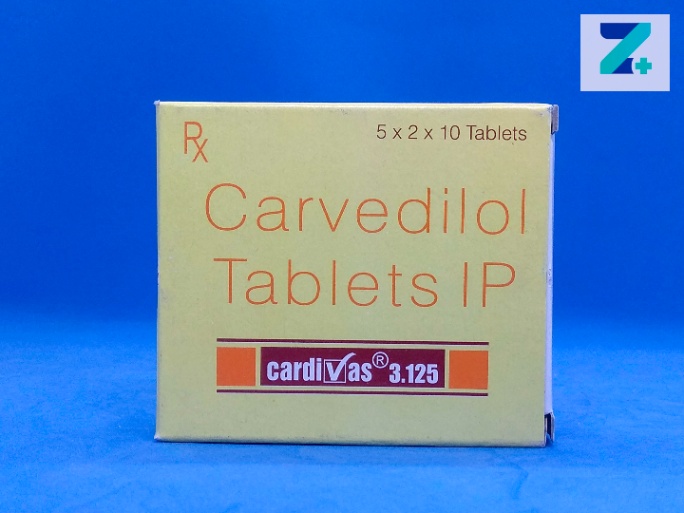
CARDIVAS 3.125MG
Price: Rs.67.20
13% off
In stock
Loose stock: 0
Description
CARDIVAS 3.125MG TAB 10
Details
Composition
CARVEDILOL 3.125 MG
# CARVEDILOL 3.125 MG
## SHORT DESCRIPTION
**Carvedilol 3.125 mg** is a prescription medicine belonging to the **beta-blocker** class. It blocks beta-adrenergic receptors and also has **alpha-1 blocking activity**, helping reduce heart rate, blood pressure, and the workload on the heart.
It is commonly used in the management of **heart failure and high blood pressure**, and may also be prescribed after certain heart-related events depending on the patient's condition.
---
## KEY BENEFITS
* Helps **lower high blood pressure**.
* Reduces the workload and oxygen demand of the heart.
* Helps slow an excessively fast heart rate.
* Used as part of treatment for certain types of **chronic heart failure**.
* May improve heart function and reduce the risk of hospitalization in appropriate patients with heart failure.
* Can be used as part of cardiovascular treatment following certain heart attacks when clinically appropriate.
* The **3.125 mg strength** is commonly used as a low starting dose in selected heart-failure patients.
---
## USES / INDICATIONS
Carvedilol 3.125 mg may be prescribed for:
### 1. Heart Failure
Carvedilol is used as part of standard treatment for certain patients with **chronic heart failure**, particularly heart failure with reduced ejection fraction.
### 2. High Blood Pressure
It may be prescribed to help control **hypertension**, either alone or together with other antihypertensive medicines.
### 3. Certain Heart Conditions
Depending on the patient's medical history, carvedilol may also be used following certain heart attacks or for other cardiovascular conditions as determined by a physician.
> The indication, dose, and treatment duration should always be determined by a healthcare professional.
---
## HOW IT WORKS
Carvedilol works through two main mechanisms:
### Beta-Blockade
It blocks **beta-adrenergic receptors**, which reduces the effects of adrenaline and related hormones. This can:
* Slow the heart rate
* Reduce the force of heart contraction
* Decrease the workload and oxygen demand of the heart
### Alpha-1 Blockade
Carvedilol also blocks **alpha-1 receptors**, causing blood vessels to relax and widen. This helps reduce **vascular resistance and blood pressure**.
Together, these actions can reduce the strain placed on the heart and support cardiovascular function.
---
## DOSAGE & ADMINISTRATION
* Take carvedilol **exactly as prescribed by your doctor**.
* The dose depends on the condition being treated, response to therapy, blood pressure, heart rate, and other medical factors.
* **3.125 mg may be used as an initial dose in certain patients with heart failure**, followed by gradual dose increases under medical supervision.
* Carvedilol is generally taken **with food** to reduce the risk of dizziness or a sudden drop in blood pressure when standing.
* Take the medicine at approximately the same time each day.
* Swallow the tablet with water.
* Do not stop carvedilol suddenly without medical advice.
### If You Miss a Dose
Take the missed dose when you remember unless it is nearly time for the next dose. Do not take two doses together to make up for a missed dose.
---
## SIDE EFFECTS
Common side effects may include:
* Dizziness
* Tiredness or fatigue
* Low blood pressure
* Slow heartbeat
* Diarrhea
* Nausea
* Headache
* Weakness
* Cold hands or feet
These effects may be more noticeable when treatment is first started or when the dose is increased.
### Seek Medical Attention If You Experience:
* Severe dizziness or fainting
* Very slow or irregular heartbeat
* Severe shortness of breath
* Significant swelling of the legs or feet
* Chest pain
* Signs of a serious allergic reaction
---
## PRECAUTIONS & WARNINGS
* Take carvedilol exactly as prescribed.
* **Do not stop treatment suddenly**, particularly if you have heart disease, because sudden discontinuation may worsen cardiovascular symptoms.
* Carvedilol may cause **dizziness or low blood pressure**, particularly when treatment is initiated or the dose is increased.
* Rise slowly from sitting or lying down.
* Tell your doctor if you have **asthma, chronic obstructive pulmonary disease (COPD), slow heart rate, low blood pressure, liver disease, or certain heart-conduction problems**.
* People with diabetes should use carvedilol with caution because beta-blockers may **mask some symptoms of low blood sugar**, particularly a rapid heartbeat.
* Carvedilol may affect blood sugar control in some patients.
* Tell your doctor if you are pregnant, planning pregnancy, or breastfeeding.
* Alcohol may increase dizziness or blood-pressure-lowering effects in some individuals.
---
## DRUG INTERACTIONS
Carvedilol can interact with several medicines.
Important examples include:
* **Other blood-pressure-lowering medicines** – may increase the risk of low blood pressure.
* **Other medicines that slow the heart**, such as certain calcium-channel blockers, may increase the risk of excessive slowing of the heart rate or conduction problems.
* **Digoxin** – carvedilol may increase digoxin exposure in some patients.
* **Insulin and other diabetes medicines** – beta-blockade can mask certain symptoms of hypoglycemia.
* **CYP2D6 inhibitors**, including some antidepressants, may increase carvedilol concentrations.
* Certain medicines used for heart rhythm disorders may increase cardiovascular effects.
Tell your doctor or pharmacist about **all prescription medicines, over-the-counter medicines, vitamins, and supplements** you take.
---
## STORAGE INFORMATION
* Store at **room temperature** according to the manufacturer's instructions.
* Keep away from excessive heat and moisture.
* Protect from direct sunlight.
* Keep the tablets in their original packaging.
* Keep out of reach of children and pets.
* Do not use after the expiry date.
* Do not use tablets if the packaging is damaged or the tablets appear abnormal.
---
## PRESCRIPTION STATUS
**Prescription medicine.**
Carvedilol 3.125 mg should be used under the supervision of a qualified healthcare professional. The appropriate dose depends on the condition being treated and the patient's cardiovascular status.
---
## GENUINE MEDICINE ASSURANCE
When purchasing Carvedilol 3.125 mg:
* Purchase from a **licensed pharmacy or authorized medicine retailer**.
* Check the manufacturer's name and product details.
* Verify the **batch/lot number and expiry date**.
* Ensure the packaging and seal are intact.
* Avoid medicines with damaged, altered, or suspicious packaging.
* Follow the storage instructions printed on the package.
* If you suspect a product may be counterfeit, consult a pharmacist or the appropriate medicines regulatory authority before using it.
---
# FAQ SECTION
### 1. What is Carvedilol 3.125 mg used for?
Carvedilol 3.125 mg is a beta-blocker used in the management of **certain types of heart failure and high blood pressure**. It may also be used for other cardiovascular indications when prescribed by a doctor.
### 2. Is Carvedilol 3.125 mg a beta-blocker?
Yes. Carvedilol is a **non-selective beta-blocker with alpha-1 blocking activity**. It slows the heart and relaxes blood vessels, helping reduce blood pressure and the workload on the heart.
### 3. Why is Carvedilol 3.125 mg used as a starting dose?
The 3.125 mg strength is a relatively low dose and may be used when initiating carvedilol in certain patients with heart failure. The dose can be gradually increased under medical supervision as tolerated.
### 4. Should Carvedilol 3.125 mg be taken with food?
Yes. Carvedilol is generally recommended **with food**, particularly in heart-failure treatment, because food can help slow absorption and reduce the likelihood of a sudden drop in blood pressure.
### 5. Can Carvedilol 3.125 mg lower blood pressure?
Yes. Carvedilol reduces blood pressure by slowing certain effects of adrenaline and relaxing blood vessels.
### 6. Can Carvedilol lower heart rate?
Yes. Because it blocks beta receptors, carvedilol can **slow the heart rate**. If your heart rate becomes unusually slow or you experience fainting or severe dizziness, contact your healthcare professional.
### 7. Can I stop taking Carvedilol suddenly?
No. **Do not stop carvedilol suddenly** unless specifically instructed by your doctor. Abrupt discontinuation can worsen certain heart conditions and may increase cardiovascular risk.
### 8. Does Carvedilol 3.125 mg cause dizziness?
Dizziness is a possible side effect, particularly when treatment is first started or the dose is increased. Getting up slowly from a sitting or lying position can help reduce dizziness caused by low blood pressure.
### 9. Can people with diabetes take Carvedilol?
People with diabetes may be prescribed carvedilol, but it should be used carefully. Beta-blockers can **mask some warning signs of low blood sugar**, such as a rapid heartbeat.
### 10. Can Carvedilol 3.125 mg be used for heart failure?
Yes. Carvedilol is an established treatment for certain patients with **chronic heart failure with reduced ejection fraction**. It is generally started at a low dose and increased gradually under medical supervision.
### 11. Can Carvedilol be taken with other blood-pressure medicines?
It can be combined with other medicines when prescribed, but combining blood-pressure-lowering medicines can increase the risk of **low blood pressure, dizziness, or fainting**. Your doctor should determine the appropriate combination.
### 12. What should I do if I miss a dose of Carvedilol?
Take the missed dose when you remember unless it is nearly time for your next dose. Do not take a double dose to compensate for a missed tablet.
### 13. Does Carvedilol cause tiredness?
Fatigue or tiredness is a relatively common side effect, particularly during the early stages of treatment. It may improve as your body adjusts to the medicine.
### 14. Can Carvedilol be taken during pregnancy?
If you are pregnant, planning pregnancy, or breastfeeding, consult your doctor before using carvedilol. Your healthcare professional will weigh the potential benefits and risks.
### 15. How long does Carvedilol take to work?
Carvedilol begins affecting heart rate and blood pressure after administration, but the full therapeutic benefit—particularly in heart failure—may take **weeks or longer** and depends on gradual dose adjustment and continued treatment.
### 16. Is Carvedilol 3.125 mg a strong dose?
It is considered a **low strength** and is commonly used as an initial dose for certain heart-failure patients. The appropriate dose is individualized and should not be changed without medical advice.
### 17. Can I take alcohol with Carvedilol?
Alcohol may increase dizziness and blood-pressure-lowering effects. It is advisable to discuss alcohol consumption with your healthcare professional, particularly when starting or increasing the dose.
---
## MEDICAL DISCLAIMER
This information is provided for **educational and informational purposes only** and does not replace professional medical advice, diagnosis, or treatment. Carvedilol 3.125 mg is a prescription medicine, and the appropriate dose depends on the patient's medical condition, cardiovascular status, response to treatment, and other medicines.
Do not start, stop, or change the dose of carvedilol without consulting a qualified healthcare professional. Seek medical attention for severe dizziness, fainting, chest pain, difficulty breathing, or an unusually slow or irregular heartbeat. Always read the product package insert and follow your doctor's or pharmacist's instructions.