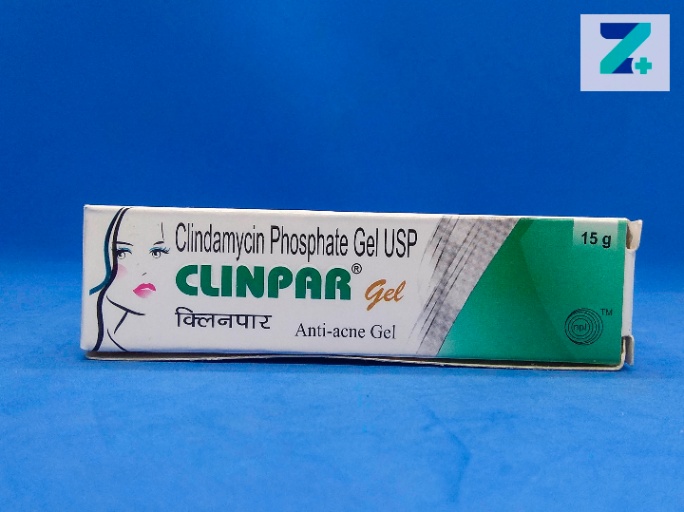
CLINPAR
Price: Rs.135.00
10% off
In stock
Loose stock: 0
Description
CLINPAR GEL 15GM
Details
Composition
CLINDAMYCIN 1% W/W
# CLINDAMYCIN 1% W/W
## Short Description
**Clindamycin 1% W/W** is a topical antibiotic preparation used primarily for the treatment of **acne vulgaris**. It belongs to the lincosamide class of antibiotics and helps reduce acne-causing bacteria and inflammation in the skin.
Topical clindamycin is generally applied directly to affected areas. It should be used exactly as directed because unnecessary or prolonged antibiotic use can contribute to **antibiotic resistance**.
> **Important:** The exact formulation (gel, lotion, solution, cream, etc.) may vary by manufacturer. Follow the instructions supplied with your specific product.
---
## Key Benefits
* Helps treat **inflammatory acne vulgaris**.
* Reduces acne-associated bacterial growth.
* Helps decrease inflammation and redness associated with acne.
* Applied directly to affected skin.
* May reduce the number of inflammatory acne lesions with regular use.
* Can be prescribed as part of a broader acne-treatment regimen.
---
## Uses / Indications
### 1. Acne Vulgaris
Topical clindamycin 1% is primarily used for the treatment of **mild to moderate inflammatory acne**.
It may help manage:
* Red pimples
* Inflamed papules
* Pustules
* Acne-associated skin inflammation
### 2. Combination Acne Treatment
Clindamycin may be used alongside other acne treatments such as:
* Benzoyl peroxide
* Adapalene
* Tretinoin
* Other topical acne medicines
Combining treatments can improve effectiveness and may help reduce the development of antibiotic resistance when appropriately prescribed.
> Topical clindamycin is generally **not intended to treat fungal acne, viral skin infections, or non-infectious skin conditions**.
---
## How It Works
Clindamycin is a **lincosamide antibiotic**.
It works by binding to the **50S subunit of bacterial ribosomes**, interfering with bacterial protein synthesis.
In acne, topical clindamycin helps reduce susceptible *Cutibacterium acnes* bacteria and can also reduce inflammatory activity associated with acne lesions.
Because bacterial resistance to clindamycin can develop, it is often recommended that topical antibiotics be used in combination with **benzoyl peroxide** or another appropriate acne treatment rather than as long-term antibiotic monotherapy.
---
## Dosage & Administration
**Apply Clindamycin 1% W/W exactly as directed by your healthcare professional or product label.**
### General Application Instructions
* Wash the affected area gently with a mild cleanser.
* Pat the skin dry.
* Apply a **thin layer** to the affected acne-prone areas.
* Wash your hands before and after application.
* Avoid applying excessive amounts.
* Avoid contact with the eyes, lips, inside of the nose, and other mucous membranes.
* Do not apply to broken, severely irritated, or damaged skin unless specifically instructed.
The frequency of application depends on the specific formulation and prescription. Some topical clindamycin products are applied **once or twice daily**.
### Important
Do not use more frequently than prescribed. Applying extra medicine does not make acne clear faster and may increase skin irritation.
### Missed Application
If you forget an application, apply it when remembered unless it is almost time for the next application.
**Do not apply an excessive amount to compensate for a missed application.**
### Duration of Treatment
Use for the duration recommended by your healthcare professional. Long-term or unnecessary use of topical antibiotics should be avoided because of the risk of bacterial resistance.
---
## Side Effects
### Common Side Effects
Possible local reactions include:
* Dryness
* Skin irritation
* Redness
* Burning
* Itching
* Peeling
* Mild discomfort
These effects may improve as the skin becomes accustomed to treatment.
### Diarrhea and Colitis
Although uncommon with topical administration, clindamycin can occasionally be associated with **antibiotic-associated diarrhea or colitis**, including *Clostridioides difficile*-associated diarrhea.
Contact a healthcare professional if you develop:
* Severe diarrhea
* Persistent diarrhea
* Bloody diarrhea
* Significant abdominal cramps
Do not self-treat severe diarrhea with anti-diarrheal medicines without medical advice.
### Allergic Reactions
Stop use and seek medical attention for:
* Facial swelling
* Severe rash
* Difficulty breathing
* Severe itching
---
## Precautions & Warnings
* For **external use only** unless your specific formulation is intended for another route.
* Avoid contact with the eyes and mucous membranes.
* Do not apply to large areas unless instructed by a healthcare professional.
* Use cautiously on irritated or damaged skin.
* Stop treatment and seek medical advice if severe diarrhea develops.
* Prolonged or unnecessary use can contribute to **antibiotic resistance**.
* Tell your healthcare professional if you have previously experienced significant antibiotic-associated colitis.
* Do not use if you are allergic to clindamycin or lincomycin.
* Keep away from children.
* Do not share your topical antibiotic with another person.
### Pregnancy
If you are pregnant or planning pregnancy, discuss topical clindamycin use with your healthcare professional before starting treatment.
### Breastfeeding
Discuss use with your healthcare professional, particularly if applying clindamycin near the breast or nipple. Prevent direct contact between the treated area and the infant's mouth.
---
## Drug Interactions
Topical clindamycin generally has fewer systemic interactions than oral clindamycin, but certain interactions may still be clinically relevant.
### Erythromycin
Clindamycin and erythromycin can have an antagonistic relationship at the bacterial ribosome. Concurrent topical use is generally avoided unless specifically recommended.
### Other Neuromuscular Blocking Agents
Clindamycin has neuromuscular-blocking properties when systemically absorbed. Tell your doctor if you are receiving medicines that affect neuromuscular transmission, particularly around surgery.
### Other Topical Acne Treatments
Combining clindamycin with other acne medicines may increase:
* Dryness
* Peeling
* Burning
* Skin irritation
Examples include:
* Benzoyl peroxide
* Adapalene
* Tretinoin
* Salicylic acid
These products can sometimes be used together, but your healthcare professional may recommend a specific schedule to reduce irritation.
### Other Medicines
Tell your doctor or pharmacist about all prescription medicines, OTC medicines, vitamins, and herbal products you use.
---
## Storage Information
* Store according to the **manufacturer's recommended temperature**.
* Keep the product in its original container.
* Protect from excessive heat and moisture.
* Keep away from direct sunlight.
* Keep the container tightly closed.
* Keep out of reach of children.
* Do not use after the expiry date.
* Do not use if the product has changed significantly in color, consistency, or odor.
> Storage requirements can differ between clindamycin gel, lotion, solution, and cream formulations. Always follow the specific product label.
---
## Prescription Status
**Clindamycin 1% W/W topical preparations are generally prescription medicines**, although regulations can vary by country.
Because clindamycin is an antibiotic, it should be used appropriately and for an appropriate duration to reduce the risk of antibiotic resistance.
---
## Genuine Medicine Assurance
When purchasing **Clindamycin 1% W/W**, ensure that you:
* Purchase from a **licensed pharmacy or authorized medicine supplier**.
* Verify the generic name and concentration.
* Check the manufacturer's name.
* Verify the batch/lot number and expiry date.
* Ensure the packaging and seal are intact.
* Confirm the dosage form, such as gel, cream, lotion, or solution.
* Avoid products with suspicious packaging or unusually low prices.
* Do not purchase prescription medicines from unauthorized sellers.
For authenticity assurance, compare the packaging and product information with the manufacturer's official documentation or the relevant national medicines regulatory authority.
---
# FAQ
### 1. What is Clindamycin 1% W/W used for?
Clindamycin 1% topical preparations are primarily used to treat **inflammatory acne vulgaris** by reducing susceptible acne-associated bacteria and inflammation.
### 2. Is Clindamycin 1% an antibiotic?
Yes. Clindamycin is a **lincosamide antibiotic**.
### 3. How does topical Clindamycin work for acne?
It inhibits bacterial protein production by binding to the **50S ribosomal subunit**, reducing susceptible bacteria associated with acne and helping decrease inflammation.
### 4. Can Clindamycin 1% remove acne?
It can help reduce inflammatory acne lesions, but it does not necessarily eliminate acne permanently. Acne often requires ongoing skincare and, when necessary, combination treatment.
### 5. How often should Clindamycin 1% be applied?
The frequency depends on the specific formulation and prescription. Many products are applied **once or twice daily**, but you should follow the instructions on your product label or from your healthcare professional.
### 6. Can I apply Clindamycin 1% to my whole face?
It is generally applied as a **thin layer over acne-prone areas**, rather than excessively to individual spots. Follow your healthcare professional's specific instructions.
### 7. Can Clindamycin cause dry skin?
Yes. Dryness, irritation, burning, redness, and peeling can occur with topical clindamycin.
### 8. Can I use Clindamycin with Benzoyl Peroxide?
Yes. Clindamycin is commonly used with **benzoyl peroxide** in acne treatment. Combining an appropriate topical antibiotic with benzoyl peroxide can help reduce the development of antibiotic resistance.
### 9. Can I use Clindamycin with Adapalene?
Clindamycin may be prescribed with adapalene as part of combination acne treatment. Because both can irritate the skin, follow a treatment schedule recommended by your healthcare professional.
### 10. Can I use Clindamycin with Tretinoin?
Yes, they may be prescribed together for acne. Your healthcare professional can advise how to use them while minimizing skin irritation.
### 11. Does Clindamycin work for fungal acne?
No. Clindamycin is an **antibiotic**, so it does not treat fungal infections.
### 12. Can Clindamycin be used for pimples?
Yes. Topical clindamycin may be prescribed for **inflammatory pimples associated with acne**, particularly papules and pustules.
### 13. Can Clindamycin cause diarrhea?
Although uncommon with topical treatment, systemic absorption can occur and clindamycin has been associated with **antibiotic-associated diarrhea and colitis**. Persistent or severe diarrhea requires medical attention.
### 14. Can I use Clindamycin 1% every day?
Use it according to the prescribed schedule. Daily use may be appropriate, but unnecessary prolonged antibiotic use should be avoided.
### 15. How long does Clindamycin take to work for acne?
Improvement may take several weeks. Acne treatment often requires consistent use for an extended period, and your healthcare professional may reassess treatment if adequate improvement does not occur.
### 16. Can I use Clindamycin on broken skin?
Avoid applying it to significantly damaged or severely irritated skin unless your healthcare professional specifically recommends it.
### 17. Can I use Clindamycin during pregnancy?
If you are pregnant or planning pregnancy, consult your healthcare professional before using topical clindamycin.
### 18. Can I use Clindamycin while breastfeeding?
Discuss treatment with your healthcare professional, particularly if applying it near the breast or nipple. The infant should not directly contact treated skin.
### 19. What happens if I use too much Clindamycin?
Using excessive amounts may increase skin irritation and does not improve acne faster. Remove excess product and follow the recommended dosing schedule.
### 20. Can I stop Clindamycin once my acne improves?
Do not continue topical antibiotics unnecessarily or stop a prescribed course without discussing it with your healthcare professional. Your clinician may transition you to a non-antibiotic maintenance treatment to reduce antibiotic resistance.
---
## Medical Disclaimer
This information is provided for **educational and informational purposes only** and is not a substitute for professional medical advice, diagnosis, or treatment.
**Clindamycin 1% W/W is a topical antibiotic primarily used for inflammatory acne.** Unnecessary, prolonged, or inappropriate antibiotic use can contribute to antimicrobial resistance. Topical clindamycin is commonly used as part of a broader acne-treatment strategy, often alongside a non-antibiotic acne medicine such as benzoyl peroxide.
Although systemic exposure is generally lower with topical treatment than with oral clindamycin, clinically significant adverse effects such as **antibiotic-associated diarrhea and colitis** can rarely occur. Seek medical attention for persistent or severe diarrhea, bloody stools, severe rash, facial swelling, or difficulty breathing.
Always follow the **specific manufacturer's package insert and your healthcare professional's instructions**, as approved uses, dosage recommendations, formulation-specific instructions, warnings, and prescription requirements may vary between products and countries.