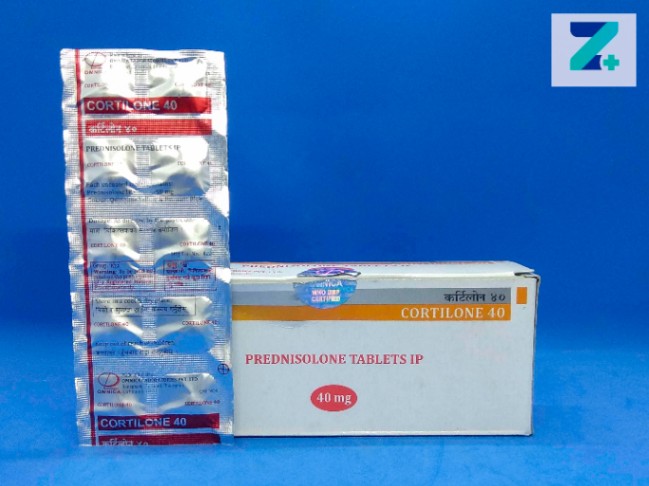
CORTILONE 40
Price: Rs.150.00
10% off
In stock
Loose stock: 1
Description
CORTILONE 40 TAB 10
Details
Composition
PREDNISOLONE 40 MG
# Prednisolone 40 mg
## SHORT DESCRIPTION
**Prednisolone 40 mg** is a prescription **corticosteroid (glucocorticoid)** medicine used to reduce inflammation and suppress an overactive immune response. It may be prescribed for a wide range of inflammatory, allergic, autoimmune, and other medical conditions.
Because **40 mg is a relatively high dose for many conditions**, the appropriate dose and treatment duration depend on the diagnosis, severity of illness, age, and individual response. Prednisolone should be used strictly according to a healthcare professional's instructions.
---
## KEY BENEFITS
* Provides potent **anti-inflammatory effects**
* Helps reduce swelling, redness, and tissue inflammation
* Suppresses excessive or inappropriate immune responses
* May relieve symptoms associated with severe allergic and inflammatory conditions
* Used in various autoimmune and inflammatory disorders
* Can help control acute disease flares when prescribed appropriately
* Available in different treatment regimens depending on the medical condition
---
## USES / INDICATIONS
Prednisolone may be prescribed for a variety of conditions, including:
### Inflammatory Conditions
* Severe inflammatory disorders
* Certain joint and rheumatic conditions
* Inflammatory skin diseases
* Certain inflammatory bowel conditions
### Allergic Conditions
May be used for severe allergic or inflammatory reactions when corticosteroid treatment is medically appropriate.
### Autoimmune Disorders
Prednisolone may be used to suppress excessive immune activity in conditions such as:
* Rheumatoid arthritis
* Systemic lupus erythematosus
* Certain vasculitic disorders
* Other autoimmune diseases
### Respiratory Conditions
It may be prescribed for certain severe inflammatory respiratory conditions, including acute exacerbations of asthma or other steroid-responsive conditions.
### Other Medical Conditions
Prednisolone may also be used in certain blood disorders, eye conditions, kidney disorders, and other conditions where corticosteroid therapy is indicated.
> Prednisolone should be used only for conditions for which a healthcare professional has determined that corticosteroid treatment is appropriate.
---
## HOW IT WORKS
Prednisolone is a **synthetic glucocorticoid**.
After entering cells, it interacts with glucocorticoid receptors and changes the expression of various genes involved in inflammation and immune activity.
This reduces the production and activity of inflammatory mediators and immune cells.
**Prednisolone → glucocorticoid receptor activation → reduced inflammatory signaling → decreased inflammation and immune activity.**
It does not directly eliminate infections. In fact, by suppressing the immune system, it can sometimes make infections more difficult to recognize or fight.
---
## DOSAGE & ADMINISTRATION
> **The dose of Prednisolone 40 mg must be individualized by a doctor. Do not self-medicate with a 40 mg dose.**
### General Administration
* Take exactly as prescribed.
* Prednisolone tablets are commonly taken **with food** to reduce stomach irritation.
* If prescribed once daily, taking it in the **morning** may help reduce sleep disturbances and better match the body's natural cortisol rhythm.
* Swallow tablets with water unless your specific formulation provides different instructions.
### Dose and Duration
The appropriate dose may range from relatively low doses to higher doses such as 40 mg or more, depending on the condition.
Treatment may be:
* Short-term
* Intermittent
* Long-term
* Gradually reduced (tapered)
### Do Not Stop Suddenly
If prednisolone has been used for a prolonged period or at sufficiently high doses, **do not stop it abruptly**.
The body may reduce its own cortisol production during corticosteroid therapy. Sudden discontinuation can therefore cause adrenal insufficiency or withdrawal symptoms.
Your doctor may gradually reduce the dose.
### Missed Dose
If taking once daily, take the missed dose when remembered unless it is close to the next dose.
**Do not double the dose** unless specifically instructed.
---
## SIDE EFFECTS
Side effects depend on the dose, treatment duration, and individual susceptibility.
### Common Short-Term Side Effects
* Increased appetite
* Indigestion
* Stomach discomfort
* Difficulty sleeping
* Mood changes
* Restlessness
* Headache
* Increased sweating
* Fluid retention
* Increased blood glucose
### Longer-Term or Higher-Dose Effects
Prolonged or high-dose treatment can increase the risk of:
* Weight gain
* Facial puffiness
* High blood pressure
* Diabetes or worsening blood glucose control
* Osteoporosis
* Muscle weakness
* Skin thinning
* Easy bruising
* Slow wound healing
* Cataracts
* Glaucoma
* Increased susceptibility to infections
* Menstrual changes
* Adrenal suppression
### Serious Side Effects
Seek medical attention if you develop:
* Severe infection symptoms
* Severe abdominal pain
* Black or bloody stools
* Significant vision changes
* Severe mood or behavioral changes
* Severe weakness or fainting
* Severe allergic reaction
* Symptoms of very high blood sugar
* Persistent fever or other signs of infection
---
## PRECAUTIONS & WARNINGS
### Infection Risk
Prednisolone suppresses immune activity and can increase susceptibility to infections.
It may also **mask signs of infection**, such as fever or inflammation.
Tell your doctor if you have an active infection or have recently been exposed to a serious infection.
### Diabetes
Prednisolone can increase blood glucose levels and may require closer monitoring in people with diabetes.
### High Blood Pressure
Corticosteroids can cause fluid retention and may increase blood pressure.
### Stomach Problems
Long-term corticosteroid therapy may increase the risk of gastrointestinal complications, particularly when combined with NSAIDs.
Tell your doctor if you have a history of:
* Stomach ulcers
* Gastrointestinal bleeding
* Severe gastritis
### Osteoporosis
Long-term treatment can reduce bone density. People receiving prolonged corticosteroid therapy may require measures to protect bone health.
### Eye Conditions
Long-term corticosteroid use can increase the risk of:
* Cataracts
* Glaucoma
* Certain eye infections
Regular eye examinations may be recommended during prolonged treatment.
### Mental Health Effects
Prednisolone can sometimes cause:
* Anxiety
* Irritability
* Mood changes
* Insomnia
* Depression
* Mania
* Confusion
* Rarely, severe psychiatric reactions
Inform your doctor if significant mood or behavioral changes occur.
### Vaccinations
Because prednisolone can suppress immune function, certain **live vaccines** may be unsuitable during high-dose corticosteroid therapy.
Discuss vaccinations with your healthcare professional before receiving them.
### Pregnancy and Breastfeeding
Tell your healthcare professional if you are pregnant, planning pregnancy, or breastfeeding. Prednisolone may be used in pregnancy or breastfeeding when medically indicated, but the dose and duration should be carefully considered.
### Surgery or Major Illness
Tell your doctor if you are taking or have recently taken prednisolone before undergoing surgery or experiencing a serious illness, as your body may require additional corticosteroid support.
---
## DRUG INTERACTIONS
### NSAIDs
Medicines such as:
* Ibuprofen
* Naproxen
* Diclofenac
* Aspirin
may increase the risk of gastrointestinal irritation, ulcers, and bleeding when combined with corticosteroids.
### Diabetes Medicines
Prednisolone can increase blood glucose and may reduce the effectiveness of some diabetes medicines.
Blood glucose monitoring may need to be increased.
### Anticoagulants
Prednisolone may affect the response to medicines such as **warfarin**, requiring appropriate monitoring.
### Diuretics
Some diuretics can increase the risk of low potassium when combined with corticosteroids.
### Certain Antiepileptic Medicines
Medicines such as **phenytoin and carbamazepine** can affect corticosteroid metabolism.
### Rifampicin
Rifampicin may increase the metabolism of prednisolone and potentially reduce its effects.
### Certain Antifungals
Medicines such as ketoconazole can affect corticosteroid metabolism and may increase corticosteroid exposure.
### Vaccines
High-dose corticosteroid therapy may affect immune responses to vaccines and may increase the risk associated with certain live vaccines.
### Other Immunosuppressants
Combining prednisolone with other immunosuppressive medicines can increase susceptibility to infections.
Always tell your doctor or pharmacist about all prescription medicines, OTC medicines, vitamins, and supplements you take.
---
## STORAGE INFORMATION
* Store at room temperature according to the manufacturer's instructions.
* Keep in the original packaging.
* Protect from excessive heat, moisture, and direct sunlight.
* Keep the container tightly closed.
* Keep out of reach and sight of children.
* Do not use after the expiry date.
* Do not use tablets if they show significant discoloration, damage, or other changes.
---
## PRESCRIPTION STATUS
**Prednisolone 40 mg is generally a prescription medicine.**
It should be used under medical supervision, particularly at higher doses or when treatment continues for more than a short period.
The dispensing requirements may vary by country.
---
## GENUINE MEDICINE ASSURANCE
When purchasing **Prednisolone 40 mg**:
* Purchase from a **licensed pharmacy or authorized medicine supplier**.
* Check the medicine name and strength.
* Verify the manufacturer's name.
* Check the batch/lot number and expiry date.
* Ensure the packaging and seal are intact.
* Avoid products with suspicious, altered, or damaged packaging.
* Do not use expired tablets.
* Store according to the manufacturer's instructions.
* If you suspect a counterfeit product, consult a pharmacist or contact the manufacturer using the information printed on the packaging.
---
# FAQ – Prednisolone 40 mg
### 1. What is Prednisolone 40 mg used for?
Prednisolone 40 mg is used to treat various **inflammatory, allergic, autoimmune, and immune-related conditions** when corticosteroid treatment is medically appropriate.
### 2. Is Prednisolone an antibiotic?
No. Prednisolone is a **corticosteroid**, not an antibiotic. It reduces inflammation and suppresses immune activity.
### 3. Is Prednisolone a steroid?
Yes. Prednisolone is a **glucocorticoid corticosteroid**.
### 4. What does Prednisolone 40 mg do?
It reduces inflammation and suppresses excessive immune activity. It may therefore reduce swelling, redness, pain, and other symptoms caused by inflammatory conditions.
### 5. Is 40 mg of Prednisolone a high dose?
**40 mg can be considered a relatively high dose for many conditions**, although the appropriate dose depends on the disease being treated. Some serious conditions require higher doses, while others require much lower doses.
### 6. Should Prednisolone 40 mg be taken with food?
Taking prednisolone with food can help reduce stomach irritation. Follow your doctor's specific instructions.
### 7. What is the best time to take Prednisolone?
When prescribed once daily, it is commonly taken **in the morning**, unless your doctor recommends another schedule.
### 8. Can Prednisolone 40 mg cause weight gain?
Yes. Increased appetite and fluid retention can contribute to **weight gain**, particularly with higher doses or prolonged treatment.
### 9. Can Prednisolone increase blood sugar?
Yes. Prednisolone can raise blood glucose levels and may require closer monitoring in people with diabetes.
### 10. Can Prednisolone weaken the immune system?
Yes. Prednisolone suppresses immune activity, which can increase susceptibility to infections and may mask some signs of infection.
### 11. Can I stop Prednisolone 40 mg suddenly?
Do not stop high-dose or prolonged prednisolone treatment suddenly unless specifically instructed by your doctor. A **gradual dose reduction (taper)** may be necessary.
### 12. What happens if Prednisolone is stopped suddenly?
Abrupt discontinuation after prolonged or high-dose therapy can cause **adrenal insufficiency and steroid withdrawal symptoms**, including weakness, low blood pressure, nausea, and worsening of the underlying condition.
### 13. Can Prednisolone cause insomnia?
Yes. **Difficulty sleeping, restlessness, and increased energy** can occur, particularly when higher doses are taken later in the day.
### 14. Can Prednisolone affect mood?
Yes. Mood changes, irritability, anxiety, insomnia, depression, or other behavioral changes can occur. Rarely, severe psychiatric reactions may develop.
### 15. Can I take ibuprofen with Prednisolone?
The combination may increase the risk of **stomach ulcers and gastrointestinal bleeding**. Consult your healthcare professional before taking NSAIDs with prednisolone.
### 16. Can Prednisolone be taken during pregnancy?
Prednisolone may be used during pregnancy when medically necessary. The dose and duration should be determined by a healthcare professional.
### 17. Can Prednisolone be taken while breastfeeding?
Prednisolone can be used during breastfeeding in many circumstances, particularly at appropriate doses. Consult your doctor regarding your specific dose and treatment duration.
### 18. Can Prednisolone cause osteoporosis?
Long-term corticosteroid treatment can reduce bone mineral density and increase the risk of **osteoporosis and fractures**.
### 19. Can Prednisolone affect the eyes?
Long-term use can increase the risk of **cataracts and glaucoma** and may worsen certain eye infections.
### 20. Can Prednisolone be taken with antibiotics?
It can sometimes be prescribed alongside antibiotics when medically appropriate. However, prednisolone suppresses immune activity and can mask infection symptoms, so treatment should be supervised.
### 21. Can Prednisolone be taken with alcohol?
Alcohol can worsen some corticosteroid-related effects, particularly stomach irritation. Avoid excessive alcohol and discuss alcohol use with your healthcare professional.
### 22. What should I do if I miss a Prednisolone dose?
Take it when remembered unless it is nearly time for the next dose. **Do not double the next dose** unless instructed by your doctor.
### 23. Can Prednisolone cause high blood pressure?
Yes. Fluid and sodium retention associated with corticosteroid treatment can increase blood pressure in some patients.
### 24. Is Prednisolone 40 mg available without a prescription?
Prednisolone 40 mg is generally a **prescription medicine** because it can cause significant effects, particularly at high doses or with prolonged use.
### 25. How long can I take Prednisolone 40 mg?
The duration depends entirely on the medical condition. Some patients require only a short course, while others require longer treatment with careful monitoring and dose adjustment.
---
## MEDICAL DISCLAIMER
This information about **Prednisolone 40 mg** is provided for educational and informational purposes only. It is **not a substitute for professional medical advice, diagnosis, or treatment**.
Prednisolone is a potent corticosteroid, and **40 mg may represent a high dose for many conditions**. It can affect blood glucose, blood pressure, immunity, bones, eyes, and adrenal function. Prolonged or high-dose treatment requires appropriate medical supervision.
Do not start, stop, or change the dose of prednisolone without consulting a qualified healthcare professional. **Do not abruptly discontinue prolonged or high-dose treatment**, as a gradual taper may be necessary.
**Always follow the specific product label and the dosage and duration prescribed by your doctor or pharmacist.**