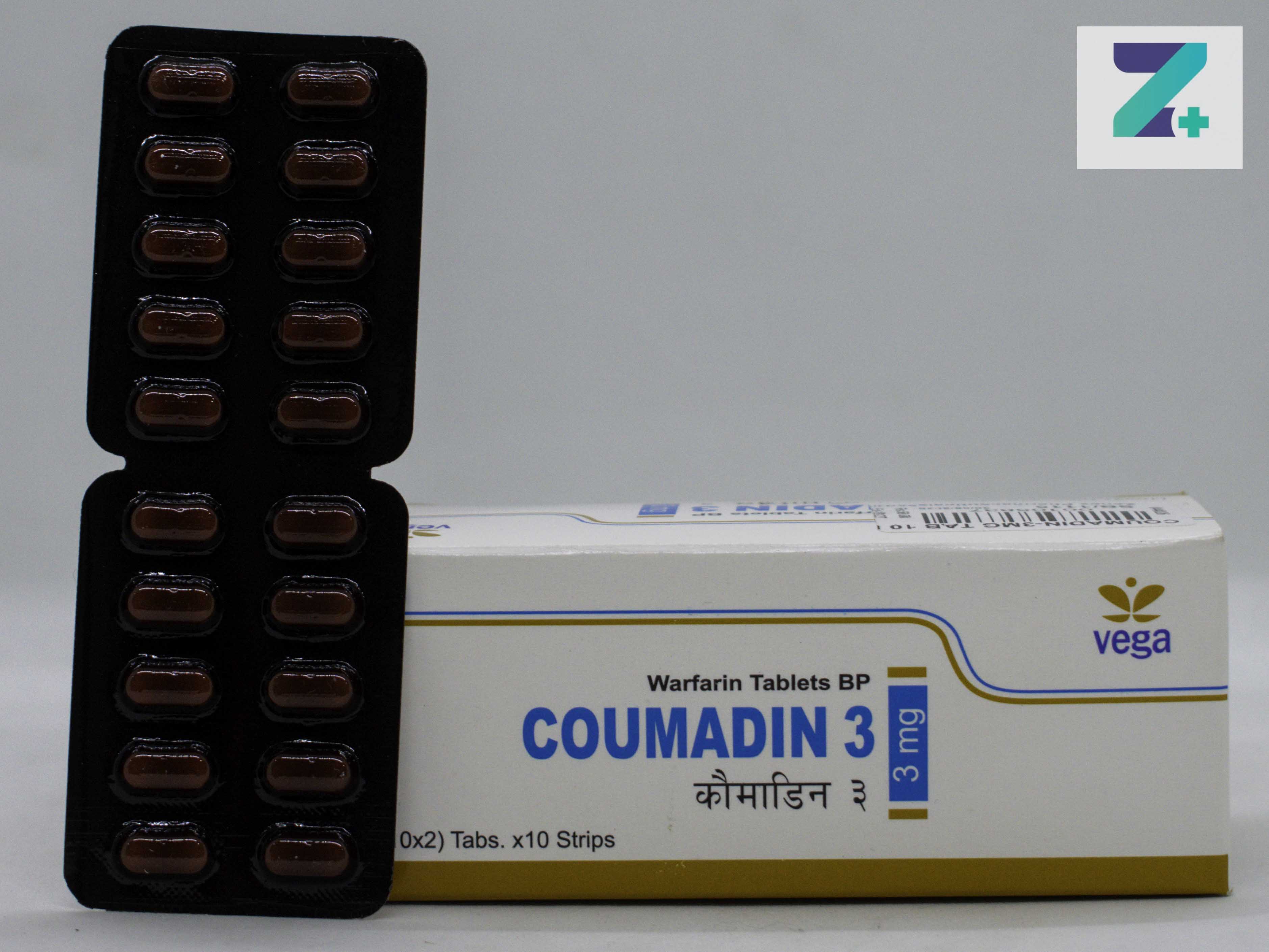
COUMADIN-3MG
Price: Rs.50.00
15% off
In stock
Loose stock: 0
Description
COUMADIN-3MG TAB 10
Details
Composition
WARFARIN 3 MG
# Warfarin 3 mg
## Short Description
Warfarin 3 mg is an **oral anticoagulant (blood thinner)** used to help prevent and treat harmful blood clots. It is commonly prescribed for conditions such as certain types of atrial fibrillation, deep vein thrombosis (DVT), pulmonary embolism (PE), and for some patients with artificial heart valves.
Warfarin has a **narrow therapeutic range**, so regular blood testing, usually an **INR test**, is essential to ensure the dose is safe and effective.
## Key Benefits
* Helps prevent harmful blood clots
* Helps treat existing blood-clot conditions
* Reduces the risk of stroke in certain patients with atrial fibrillation
* Helps prevent clot-related complications after certain heart-valve procedures
* Can be used for long-term anticoagulation when medically indicated
* Allows anticoagulation to be adjusted using INR monitoring
## Uses / Indications
Warfarin may be prescribed for:
* Prevention of stroke and systemic embolism in selected patients with atrial fibrillation
* Treatment of deep vein thrombosis (DVT)
* Treatment of pulmonary embolism (PE)
* Prevention of recurrent DVT or PE
* Prevention of thromboembolic complications associated with certain mechanical heart valves
* Other clotting conditions when specifically prescribed
Warfarin does **not dissolve an existing clot immediately**. It reduces the body's ability to form new clots and prevents existing clots from growing while the body gradually breaks them down.
## How It Works
Warfarin is a **vitamin K antagonist anticoagulant**.
It blocks vitamin K-dependent production of several clotting factors in the liver, including factors II, VII, IX and X.
**Warfarin → reduces vitamin K-dependent clotting factors → slows blood clot formation → lowers the risk of harmful clots**
Because its effect varies significantly between individuals, the dose is adjusted according to **INR blood-test results**.
## Dosage & Administration
The correct warfarin dose is **individualized** and should only be determined by a healthcare professional.
* Take exactly as prescribed
* Take warfarin at the same time each day
* Swallow with water
* Do not change the dose yourself
* Do not stop warfarin suddenly unless instructed by your doctor
* Attend all scheduled INR blood tests
* Keep your vitamin K intake reasonably consistent from day to day
* Tell your healthcare professional before starting or stopping any medicine or supplement
**Warfarin 3 mg does not mean that 3 mg is the correct daily dose for every patient.** Your prescribed dose may change based on your INR and medical condition.
### Missed Dose
If you remember the missed dose on the same day, follow your healthcare professional's instructions. If you remember the next day, **do not double the dose**. Contact your anticoagulation clinic or healthcare professional if you are unsure what to do.
## Side Effects
The most important side effect of warfarin is **bleeding**.
Possible side effects include:
* Easy bruising
* Nosebleeds
* Bleeding gums
* Prolonged bleeding from cuts
* Heavy menstrual bleeding
* Blood in urine
* Blood in stool
* Unusual or persistent bleeding
### Serious Side Effects
Seek urgent medical attention for:
* Vomiting blood
* Coughing up blood
* Black or bloody stools
* Severe or persistent headache
* Sudden weakness, numbness or difficulty speaking
* Severe abdominal pain
* Heavy or uncontrolled bleeding
* Large unexplained bruises
* A significant head injury while taking warfarin
Rarely, warfarin can cause serious tissue or skin complications.
## Precautions & Warnings
* Warfarin can cause **serious or fatal bleeding**
* Regular INR monitoring is essential
* Do not change or skip doses without medical advice
* Tell every healthcare professional that you take warfarin
* Inform your doctor before surgery, dental procedures or invasive procedures
* Avoid activities with a high risk of serious injury when possible
* Seek medical attention after a significant head injury
* Maintain a consistent intake of vitamin K-containing foods rather than suddenly changing your diet
* Avoid starting herbal products or supplements without professional advice
* Tell your doctor if you have liver disease or kidney disease
* Tell your doctor if you have a history of gastrointestinal bleeding
* Inform your doctor if you have uncontrolled high blood pressure
* Tell your doctor if you are pregnant or planning pregnancy
### Pregnancy Warning
Warfarin can cause serious harm to a developing fetus and is **generally contraindicated during pregnancy**, although specialist circumstances exist. If you become pregnant while taking warfarin, contact your healthcare professional promptly.
## Drug Interactions
Warfarin has **many potential drug and food interactions**. Medicines that can affect its action include:
* Aspirin
* Ibuprofen and other NSAIDs
* Certain antibiotics
* Certain antifungal medicines
* Some antidepressants
* Amiodarone
* Some seizure medicines
* Certain cholesterol-lowering medicines
* Other anticoagulants and antiplatelet medicines
### Food and Supplements
Changes in vitamin K intake can affect warfarin's anticoagulant effect. Foods particularly high in vitamin K include:
* Spinach
* Kale
* Broccoli
* Cabbage
* Other dark green leafy vegetables
These foods do **not necessarily need to be avoided**. The important point is to keep intake relatively consistent and discuss major dietary changes with your healthcare professional.
Some herbal products and supplements may also affect warfarin, including products containing:
* Ginkgo
* Garlic supplements
* Ginseng
* St John's wort
* High-dose vitamin E
* Other products affecting blood clotting
Always tell your doctor or pharmacist about every prescription medicine, OTC medicine, vitamin, supplement and herbal product you use.
## Storage Information
* Store according to the manufacturer's instructions
* Keep at room temperature unless the product label specifies otherwise
* Protect from excessive heat, moisture and direct sunlight
* Keep the container tightly closed
* Keep out of reach and sight of children
* Keep tablets in their original packaging when possible
* Do not use after the expiry date
## Prescription Status
Warfarin 3 mg is a **prescription-only medicine** in many countries.
Because warfarin has a narrow therapeutic range and can cause serious bleeding, it should only be used under appropriate medical supervision with regular INR monitoring.
## Genuine Medicine Assurance
* Purchase Warfarin 3 mg only from a licensed and reputable pharmacy
* Verify the medicine name and **3 mg strength**
* Check the manufacturer's name
* Check the batch number and expiry date
* Verify the expiry date before use
* Ensure the packaging and seal are intact
* Do not purchase warfarin from unverified online sellers
* Never substitute one warfarin product or strength without professional advice
* If the tablets or packaging look different from your usual supply, confirm with your pharmacist before taking them
## Frequently Asked Questions
### What is Warfarin 3 mg used for?
Warfarin 3 mg is an anticoagulant used to prevent and treat certain blood clots and reduce the risk of stroke or systemic embolism in selected patients.
### Is Warfarin a blood thinner?
Yes. Warfarin is commonly called a **blood thinner**, although it does not literally thin the blood. It reduces the blood's ability to form clots.
### How does Warfarin work?
Warfarin blocks vitamin K-dependent clotting-factor production, reducing the blood's ability to form harmful clots.
### Why do I need an INR test while taking Warfarin?
The INR test measures how strongly warfarin is affecting your blood clotting. Regular testing helps your healthcare professional adjust the dose and reduce the risk of bleeding or inadequate anticoagulation.
### Is Warfarin 3 mg a standard dose?
No. Warfarin dosing is individualized. Some people may need 3 mg daily, while others require a different dose. Your INR results and medical condition determine the appropriate dose.
### Can I take Warfarin 3 mg every day?
If your doctor has prescribed 3 mg daily, take it exactly as directed. Do not change the dose based on how you feel or based on an INR result without professional guidance.
### What happens if I miss a Warfarin dose?
Do not double the next dose. Follow the missed-dose instructions provided by your anticoagulation clinic or healthcare professional.
### Can Warfarin cause bleeding?
Yes. Bleeding is the most important potential complication of warfarin therapy. Report unusual or prolonged bleeding promptly.
### What should I do if I cut myself while taking Warfarin?
Apply firm, continuous pressure to the wound. If bleeding does not stop or is unusually heavy, seek medical attention.
### Can I take Ibuprofen with Warfarin?
Ibuprofen and other NSAIDs can increase the risk of bleeding and should generally **not be taken with warfarin unless specifically advised by a healthcare professional**.
### Can I take Paracetamol with Warfarin?
Paracetamol may sometimes be used, but regular or high-dose use can affect anticoagulation in some people. Check with your doctor or pharmacist before taking it regularly.
### Can I eat green vegetables while taking Warfarin?
Yes. You generally do not need to completely avoid green vegetables. The important point is to keep your vitamin K intake **consistent** and discuss major dietary changes with your healthcare professional.
### Can I drink alcohol while taking Warfarin?
Alcohol can affect warfarin and increase bleeding risk, particularly with heavy or binge drinking. Discuss alcohol consumption with your healthcare professional.
### Can Warfarin be taken during pregnancy?
Warfarin can cause serious fetal harm and is generally avoided during pregnancy. If you are pregnant or planning pregnancy, contact your healthcare professional immediately.
### Can I take Warfarin while breastfeeding?
Warfarin is generally considered compatible with breastfeeding, but individual medical advice is recommended.
### Can Warfarin be stopped suddenly?
Do not stop warfarin without medical advice. Stopping anticoagulation can increase the risk of serious blood clots.
### How long do I need to take Warfarin?
Treatment duration varies. Some people need warfarin for several months, while others require long-term or lifelong treatment depending on their condition.
### Does Warfarin dissolve blood clots?
No. Warfarin does not directly dissolve clots. It reduces the formation of new clots and prevents existing clots from becoming larger while the body's natural processes break them down.
### What foods should I avoid with Warfarin?
There is usually no need to completely avoid vitamin K-rich foods. Instead, maintain a consistent intake of foods such as spinach, kale, broccoli and other leafy greens.
### Can antibiotics affect Warfarin?
Yes. Several antibiotics can change warfarin's effect and may alter INR levels. Additional monitoring may be required when certain antibiotics are started or stopped.
### Can Warfarin interact with herbal supplements?
Yes. Many herbal products and supplements can affect bleeding or warfarin metabolism. Always consult your pharmacist or doctor before starting a supplement.
### What should I do before surgery or dental treatment?
Tell your surgeon, dentist and other healthcare professionals that you take warfarin. **Do not stop warfarin yourself.** Your healthcare team will decide whether any adjustment is required.
### What should I do after a head injury while taking Warfarin?
Seek medical evaluation after a significant head injury, even if you initially feel well, because internal bleeding can occur without obvious symptoms.
### Can Warfarin cause bruising?
Yes. Easy bruising is relatively common because warfarin reduces blood clotting. Large, unexplained or rapidly increasing bruises should be reported.
### What are signs of a dangerous Warfarin overdose?
Possible warning signs include uncontrolled bleeding, blood in urine or stool, vomiting blood, severe headache, dizziness, weakness or extensive unexplained bruising. Seek urgent medical attention if these occur.
### Can I switch from one Warfarin brand to another?
Do not switch products or strengths without professional advice. Different products may have different tablet appearances, and accurate dosing is critical.
### Is Warfarin 3 mg safe?
Warfarin can be safe and effective when appropriately prescribed and monitored, but it carries a significant risk of bleeding. Regular INR testing and careful attention to interactions are essential.
## Medical Disclaimer
This information is provided for general educational and SEO purposes only and is **not a substitute for professional medical advice, diagnosis or treatment**. Warfarin is a high-risk prescription anticoagulant with potentially serious or life-threatening bleeding complications. The correct dose is individualized and must be determined using clinical assessment and INR monitoring. Never change, double or stop your warfarin dose without medical advice. Inform all healthcare professionals that you take warfarin and check before starting any new medicine, OTC painkiller, vitamin, supplement or herbal product. Seek urgent medical attention for uncontrolled bleeding, vomiting or coughing blood, black/bloody stools, severe headache, neurological symptoms or significant injury. Always follow your prescription and the manufacturer's official product information.