DIAPRIDE M3 FORTE
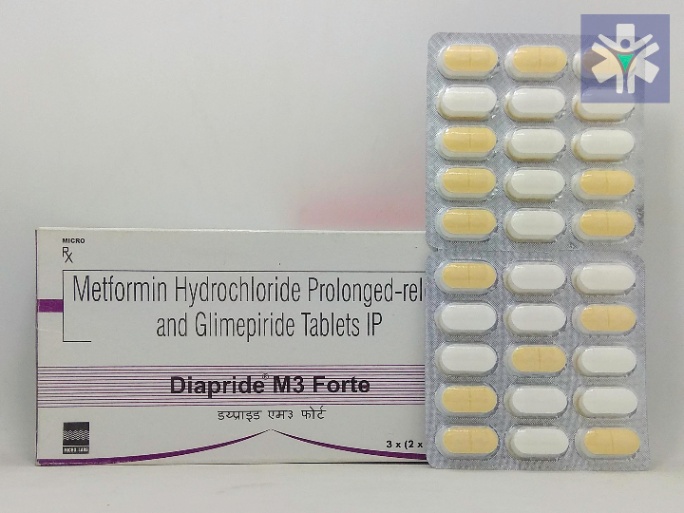
Price: Rs.310.40
13% off
In stock
Loose stock: 0
Description
DIAPRIDE M3 FORTE TAB 15
Details
Composition
GLIMEPIRIDE 3 MG,METFORMIN 1 G
# Glimepiride 3 mg + Metformin 1 g
## Short Description
**Glimepiride 3 mg + Metformin 1 g** is a combination oral antidiabetic medicine used to help control **blood glucose levels in adults with type 2 diabetes mellitus** when diet, exercise, and/or single-drug treatment are not sufficient.
Glimepiride is a **sulfonylurea** that stimulates the pancreas to release insulin, while metformin is a **biguanide** that reduces glucose production by the liver and improves the body's sensitivity to insulin.
This combination can effectively lower blood sugar but may cause **hypoglycemia (low blood sugar)**, particularly because of glimepiride.
---
## Key Benefits
* Helps lower **high blood glucose levels** in type 2 diabetes.
* Combines two complementary mechanisms for blood sugar control.
* Glimepiride stimulates insulin release from the pancreas.
* Metformin reduces excessive glucose production by the liver.
* Metformin improves **insulin sensitivity**.
* May help improve long-term blood glucose control when used with diet and exercise.
* Convenient combination therapy for patients who require more than one oral antidiabetic medicine.
---
## Uses / Indications
Glimepiride + Metformin is primarily used for:
* **Type 2 diabetes mellitus**
* Inadequately controlled blood glucose despite appropriate diet and exercise
* Type 2 diabetes requiring combination therapy when a single medicine does not provide adequate control
It is generally **not used to treat type 1 diabetes mellitus or diabetic ketoacidosis**.
Treatment should be combined with an appropriate diabetes management plan, including diet, physical activity, and regular glucose monitoring where recommended.
---
## How It Works
### Glimepiride 3 mg
Glimepiride is a **sulfonylurea antidiabetic medicine**.
It stimulates pancreatic beta cells to release insulin. Increased insulin availability helps glucose move from the bloodstream into tissues, thereby lowering blood glucose.
Because glimepiride increases insulin secretion, it can cause **hypoglycemia**, especially if meals are skipped or the medicine is taken inappropriately.
### Metformin 1 g
Metformin belongs to the **biguanide** class.
It primarily:
* Reduces glucose production by the liver.
* Improves insulin sensitivity.
* Helps increase peripheral glucose utilization.
* Reduces intestinal glucose absorption to a smaller extent.
Metformin generally does not cause hypoglycemia when used alone.
### Combined Action
The combination addresses blood glucose through complementary mechanisms:
**Glimepiride → increases insulin secretion**
**Metformin → decreases liver glucose production + improves insulin sensitivity**
---
## Dosage & Administration
**Take Glimepiride 3 mg + Metformin 1 g exactly as prescribed by your doctor.**
The appropriate dose depends on blood glucose control, kidney and liver function, previous diabetes medicines, age, diet, and other medical conditions.
### General Administration
* Take the medicine **with a meal**, usually with the first main meal of the day if directed that way.
* Swallow the tablet with water.
* Do not skip meals after taking glimepiride.
* Take it at approximately the same time each day.
* Do not crush or split modified-release formulations unless specifically permitted by the product instructions.
* Do not increase or decrease the dose without medical advice.
* Maintain the recommended diet and exercise plan.
### If You Miss a Dose
Take the missed dose when remembered if appropriate, but if it is close to the next scheduled dose, skip the missed dose.
**Do not take two doses together.**
### Important Monitoring
Your doctor may monitor:
* Fasting and post-meal blood glucose
* **HbA1c**
* Kidney function
* Liver function where appropriate
* Vitamin B12 levels during long-term metformin treatment
---
## Side Effects
### Common Side Effects
Possible side effects include:
* Nausea
* Diarrhea
* Stomach discomfort
* Abdominal pain
* Loss of appetite
* Bloating
* Metallic taste
* Headache
* Dizziness
* Weight changes
### Hypoglycemia
Because glimepiride increases insulin release, **low blood sugar** is an important potential side effect.
Symptoms may include:
* Sweating
* Shaking
* Hunger
* Dizziness
* Weakness
* Headache
* Fast heartbeat
* Irritability
* Confusion
* Difficulty concentrating
* Blurred vision
Severe hypoglycemia may cause seizures or loss of consciousness and requires urgent medical attention.
### Rare but Serious Side Effect: Lactic Acidosis
Metformin can very rarely cause **lactic acidosis**, a serious medical emergency, particularly in people with significant kidney impairment or other risk factors.
Seek urgent medical attention for symptoms such as:
* Severe weakness
* Unusual muscle pain
* Trouble breathing
* Persistent abdominal discomfort
* Severe drowsiness
* Feeling unusually cold
* Slow or irregular heartbeat
---
## Precautions & Warnings
* **Hypoglycemia:** The risk is increased if meals are skipped, alcohol is consumed, or the medicine is taken in excess.
* **Kidney disease:** Metformin may not be appropriate in significant renal impairment. Kidney function should be assessed before and during treatment.
* **Liver disease:** Inform your doctor about liver problems.
* **Alcohol:** Excessive alcohol intake can increase the risk of hypoglycemia and metformin-associated lactic acidosis.
* **Dehydration:** Severe vomiting, diarrhea, fever, or dehydration may increase the risk of complications with metformin.
* **Contrast imaging:** Metformin may need to be temporarily withheld around certain iodinated contrast procedures depending on kidney function and clinical circumstances.
* **Surgery:** Tell your doctor if you are scheduled for surgery.
* **Vitamin B12:** Long-term metformin treatment can reduce vitamin B12 levels in some patients.
* **Heart failure or serious illness:** Tell your doctor about significant heart, lung, or other serious medical conditions.
* **Elderly patients:** Kidney function should be monitored carefully.
* **Pregnancy:** Diabetes treatment during pregnancy requires individualized medical supervision.
* **Breastfeeding:** Consult your doctor before use while breastfeeding.
* Do not use this medicine for **type 1 diabetes or diabetic ketoacidosis** unless specifically directed in a specialist setting.
---
## Drug Interactions
Glimepiride + Metformin can interact with various medicines.
### Medicines That May Increase Hypoglycemia
* Insulin
* Other sulfonylureas
* Some other antidiabetic medicines
* Certain antibiotics
* Some antidepressants
* Certain blood-pressure medicines
### Medicines That May Affect Blood Glucose
* Corticosteroids
* Some diuretics
* Thyroid medicines
* Oral contraceptives
* Sympathomimetic medicines
### Other Important Interactions
* **Alcohol:** May increase hypoglycemia risk and may increase the risk of metformin-associated lactic acidosis.
* **Beta-blockers:** May mask some symptoms of hypoglycemia.
* **ACE inhibitors:** May increase the glucose-lowering effect in some patients.
* **Cimetidine and certain other medicines:** May alter drug exposure.
* **Iodinated contrast agents:** May increase the risk of metformin-associated complications in susceptible patients.
Always inform your doctor or pharmacist about all prescription medicines, OTC medicines, vitamins, supplements, and herbal products you take.
---
## Storage Information
* Store according to the manufacturer's instructions.
* Keep the tablets in the **original packaging**.
* Protect from excessive heat, moisture, and direct sunlight.
* Keep out of reach and sight of children.
* Do not use after the expiry date.
* Keep the container tightly closed where applicable.
* Do not use tablets if the packaging is damaged or the medicine appears abnormal.
---
## Prescription Status
**Glimepiride 3 mg + Metformin 1 g is a prescription medicine.**
It should be used under the supervision of a qualified healthcare professional because the combination can cause hypoglycemia and requires consideration of kidney function and other medical conditions.
---
## Genuine Medicine Assurance
When purchasing **Glimepiride 3 mg + Metformin 1 g**, obtain the medicine from a **licensed pharmacy or authorized medicine supplier**.
Before using the product, verify:
* Product name and strength
* Manufacturer details
* Batch/lot number
* Manufacturing date
* Expiry date
* Packaging integrity
* Product registration/authorization information where applicable
* Security or authenticity features, if provided
Avoid purchasing prescription diabetes medicines from unknown or unauthorized sources.
---
# FAQ – Glimepiride 3 mg + Metformin 1 g
### 1. What is Glimepiride 3 mg + Metformin 1 g used for?
It is an oral combination medicine used to help control **high blood sugar in adults with type 2 diabetes mellitus** when a single medicine or lifestyle measures are insufficient.
### 2. Is Glimepiride + Metformin used for type 1 diabetes?
No. This combination is generally intended for **type 2 diabetes** and is not a substitute for insulin in type 1 diabetes.
### 3. How does Glimepiride lower blood sugar?
Glimepiride stimulates the pancreas to **release insulin**, which helps lower glucose levels in the bloodstream.
### 4. How does Metformin work?
Metformin primarily reduces **glucose production by the liver** and improves the body's sensitivity to insulin.
### 5. Can Glimepiride + Metformin cause low blood sugar?
Yes. **Hypoglycemia is an important potential side effect**, particularly because glimepiride stimulates insulin release.
### 6. What are the symptoms of low blood sugar?
Symptoms can include **sweating, shaking, hunger, dizziness, weakness, headache, fast heartbeat, irritability, confusion, and blurred vision**.
### 7. What should I do if my blood sugar becomes low?
Follow the hypoglycemia treatment plan provided by your healthcare professional. If you are conscious and able to swallow, rapid-acting carbohydrate is commonly used to treat mild hypoglycemia. Severe symptoms, seizures, or loss of consciousness require emergency medical attention.
### 8. Should Glimepiride + Metformin be taken before or after food?
It is generally taken **with a meal**, often with the first main meal of the day, according to the specific prescription and formulation. Do not take glimepiride and then deliberately skip the meal.
### 9. Can I drink alcohol while taking Glimepiride + Metformin?
Avoid excessive alcohol. Alcohol can increase the risk of **hypoglycemia** and may increase the risk of serious metformin-related complications.
### 10. Can this medicine cause stomach problems?
Yes. Metformin commonly causes **nausea, diarrhea, abdominal discomfort, bloating, and changes in appetite**, particularly when treatment is started.
### 11. Does Metformin cause vitamin B12 deficiency?
Long-term metformin use can reduce **vitamin B12 levels** in some people. Your doctor may recommend periodic monitoring, especially if you have risk factors or symptoms of deficiency.
### 12. Can Glimepiride + Metformin be used during pregnancy?
Diabetes treatment during pregnancy requires individualized medical care. **Do not start or stop this medicine during pregnancy without consulting your doctor.**
### 13. Can I take Glimepiride + Metformin while breastfeeding?
Consult your healthcare professional before use while breastfeeding. Your doctor can determine the most appropriate diabetes treatment for you and your baby.
### 14. Can I take other diabetes medicines with this combination?
Sometimes combination treatment is medically appropriate, but taking multiple glucose-lowering medicines can increase the risk of **hypoglycemia**. Use additional diabetes medicines only when prescribed.
### 15. Can Glimepiride + Metformin be taken with insulin?
It may be used with insulin in selected patients under medical supervision. Blood glucose should be monitored carefully because the risk of hypoglycemia may increase.
### 16. What happens if I miss a dose?
If you remember soon after the scheduled time, follow your doctor's instructions. If it is nearly time for the next dose, skip the missed dose. **Do not take a double dose.**
### 17. What happens if I take too much Glimepiride + Metformin?
An overdose can cause **severe hypoglycemia**, particularly from glimepiride. Metformin overdose can also cause serious complications. Seek urgent medical attention if an overdose is suspected.
### 18. Can people with kidney disease take this medicine?
Kidney function is particularly important because **metformin is eliminated through the kidneys**. The medicine may require dose adjustment or may not be appropriate in significant renal impairment.
### 19. Does Glimepiride + Metformin cause weight gain?
Glimepiride may contribute to **weight gain** in some patients. Metformin is generally weight-neutral or may be associated with modest weight loss.
### 20. Can Glimepiride + Metformin cure diabetes?
No. It **controls blood glucose but does not cure type 2 diabetes**. Effective diabetes management usually requires long-term attention to diet, physical activity, medication adherence, and regular medical monitoring.
---
## Medical Disclaimer
**This information is provided for educational and informational purposes only and is not a substitute for professional medical advice, diagnosis, or treatment.**
Glimepiride 3 mg + Metformin 1 g is a **prescription antidiabetic medicine** and should be taken only according to the instructions of a qualified healthcare professional. The appropriate dose depends on blood glucose control, kidney function, age, diet, other medicines, and individual medical circumstances.
Because glimepiride can cause **hypoglycemia** and metformin may rarely cause **lactic acidosis**, patients should follow their prescribed dose carefully and attend recommended medical and laboratory monitoring.
Seek urgent medical attention for **severe or persistent hypoglycemia, seizures, loss of consciousness, difficulty breathing, severe weakness, or suspected overdose**.
**Always read the manufacturer's package insert and follow the approved prescribing information applicable to your country.**