DIVAA OD 250MG TAB
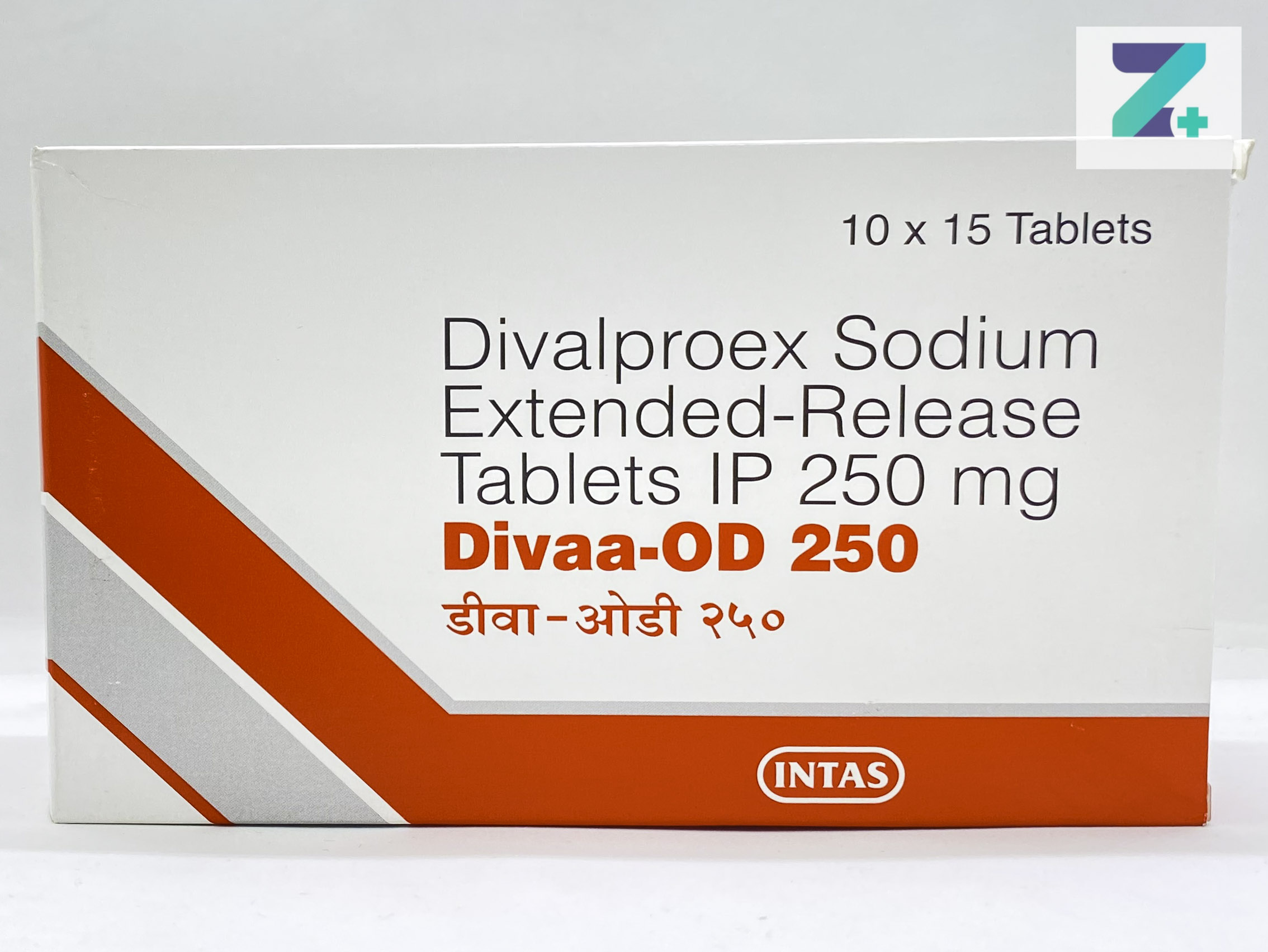
Price: Rs.151.20
10% off
In stock
Loose stock: 0
Description
DIVAA OD 250MG TAB TAB 10
Details
Composition
DIVALPROEX 250 MG
# Divalproex 250 mg
## Short Description
**Divalproex 250 mg** is a prescription medicine containing **divalproex sodium**, a compound that provides valproate. It belongs to the **anticonvulsant and mood-stabilizing** class of medicines.
It is used for the management of certain **seizure disorders, bipolar disorder, and prevention of migraine headaches** in appropriate patients. The exact use depends on the formulation and the individual patient's medical condition.
> **Important:** Divalproex can cause serious liver injury, pancreatitis, low platelet counts, and fetal harm during pregnancy. It should be used only under appropriate medical supervision.
---
## Key Benefits
* Helps control certain types of **seizures**
* May be used as a **mood stabilizer** in bipolar disorder
* Helps prevent **migraine headaches**
* Can help reduce abnormal electrical activity in the brain
* May help stabilize excessive neuronal activity associated with seizures
* Available in different formulations that allow individualized dosing
---
## Uses / Indications
### 1. Seizure Disorders
Divalproex may be prescribed for certain types of epilepsy and seizures, including:
* Absence seizures
* Generalized tonic-clonic seizures
* Myoclonic seizures
* Other generalized or mixed seizure types
The exact indication depends on the patient's diagnosis and the specific formulation.
### 2. Bipolar Disorder
Divalproex may be used to treat **manic or mixed episodes associated with bipolar disorder**.
It can help reduce symptoms such as:
* Excessive energy
* Agitation
* Irritability
* Rapid thoughts
* Reduced need for sleep
* Impulsive behavior
### 3. Migraine Prevention
Divalproex may be prescribed to help **prevent migraine headaches** in adults.
> It is used for migraine prevention and is **not intended to treat an acute migraine attack once it has started**.
---
## How It Works
Divalproex is converted to and provides **valproate**, which affects several processes involved in brain activity.
It increases the availability and effects of **gamma-aminobutyric acid (GABA)**, an inhibitory neurotransmitter, and influences neuronal ion channels.
This reduces excessive electrical activity in the brain.
**Divalproex → increases inhibitory brain activity and reduces excessive neuronal firing → helps control seizures and stabilize mood.**
The precise mechanism responsible for its effects in migraine prevention is not completely understood.
---
## Dosage & Administration
> **Divalproex dosage must be individualized by a healthcare professional.** The 250 mg strength does not necessarily represent the appropriate total daily dose.
### General Administration
* Take exactly as prescribed.
* Take at approximately the same time each day.
* Some formulations can be taken with food to reduce stomach upset.
* Swallow extended-release or delayed-release tablets according to the product instructions.
* Do **not crush or chew** modified-release tablets unless the product information specifically permits it.
### Seizure Disorders
The dose is individualized according to:
* Type of seizure
* Body weight
* Age
* Other anticonvulsants being used
* Clinical response
* Blood valproate concentration when monitoring is required
The dose may be gradually adjusted to achieve seizure control while minimizing adverse effects.
### Bipolar Disorder
Dosing is individualized according to clinical response and tolerability. Your doctor may gradually adjust the dose.
### Migraine Prevention
Divalproex may be prescribed at a specific daily dose for migraine prevention. It is **not a rescue treatment for an acute migraine attack**.
### Missed Dose
Take the missed dose when remembered unless it is almost time for the next dose.
**Do not take two doses together to compensate for a missed dose.**
### Do Not Stop Suddenly
If you are taking divalproex for epilepsy, stopping suddenly can cause **breakthrough seizures or potentially serious prolonged seizures**.
Any discontinuation or dose reduction should generally be supervised by a healthcare professional.
---
## Side Effects
### Common Side Effects
Possible side effects include:
* Nausea
* Vomiting
* Diarrhea
* Abdominal discomfort
* Dizziness
* Drowsiness
* Tremor
* Headache
* Increased appetite
* Weight gain
* Hair thinning or hair changes
### Serious Side Effects
Seek immediate medical attention if you develop:
* Severe or persistent abdominal pain
* Persistent vomiting
* Yellowing of the skin or eyes
* Dark urine
* Unusual bruising or bleeding
* Severe weakness
* Confusion or significant changes in mental status
* Severe allergic reaction
* Loss of consciousness
* Worsening seizures
### Liver Injury
Divalproex can cause **serious and potentially life-threatening liver injury**, particularly during the early months of treatment and in certain high-risk patients.
### Pancreatitis
Rarely, divalproex can cause **serious inflammation of the pancreas**.
Seek urgent medical attention for severe abdominal pain, especially if accompanied by vomiting.
### Low Platelet Count
Divalproex can reduce platelet counts, potentially increasing the risk of bleeding.
---
## Precautions & Warnings
### Pregnancy – Important Warning
**Valproate-containing medicines can cause serious fetal harm.**
Exposure during pregnancy is associated with an increased risk of:
* Major congenital abnormalities
* Neural tube defects
* Neurodevelopmental problems
* Cognitive and behavioral effects in exposed children
Divalproex should generally be **avoided during pregnancy when suitable alternatives are available**, particularly for migraine prevention.
Women and girls who could become pregnant should discuss effective contraception and pregnancy planning with their healthcare professional.
### Liver Disease
Divalproex can cause serious liver injury.
Tell your doctor if you have:
* Liver disease
* A history of significant liver problems
* Certain inherited metabolic disorders
Liver function tests may be performed before and during treatment.
### Pancreatitis
Tell your doctor if you have a history of pancreatitis.
Seek urgent care for severe abdominal pain or persistent vomiting.
### Blood Disorders
Divalproex can cause **thrombocytopenia** and other blood abnormalities.
Your doctor may monitor blood counts and platelet levels.
### Hyperammonemia
Valproate can increase blood ammonia levels, sometimes even when liver tests are normal.
Symptoms can include:
* Confusion
* Excessive sleepiness
* Vomiting
* Changes in consciousness
Seek medical attention if these occur.
### Weight Gain
Increased appetite and weight gain can occur during treatment. Monitoring weight and metabolic health may be appropriate.
### Suicidal Thoughts
Antiepileptic medicines have been associated with an increased risk of suicidal thoughts or behavior.
Report significant mood or behavioral changes to your healthcare professional promptly.
### Pancreas and Liver Symptoms
Do not ignore severe abdominal pain, persistent vomiting, jaundice, or unexplained weakness.
---
## Drug Interactions
### Lamotrigine
Valproate can significantly increase lamotrigine levels and may increase the risk of serious skin reactions, including **Stevens-Johnson syndrome/toxic epidermal necrolysis**.
Doses must be carefully adjusted when these medicines are combined.
### Carbamazepine
Valproate and carbamazepine can affect each other's concentrations and may increase adverse effects.
### Phenobarbital
Valproate can increase phenobarbital concentrations and sedation.
### Phenytoin
Valproate can alter phenytoin concentrations and protein binding, requiring careful monitoring.
### Topiramate
Combination with topiramate can increase the risk of **hyperammonemia and encephalopathy**.
### Aspirin
Aspirin can increase free valproate concentrations and may increase adverse effects, particularly at certain doses.
### Anticoagulants
Medicines such as warfarin may increase bleeding risk when combined with divalproex.
### Alcohol and CNS Depressants
Alcohol and other medicines that cause drowsiness may increase dizziness and sedation.
### Other Medicines
Tell your healthcare professional if you take:
* Other anticonvulsants
* Antidepressants
* Antipsychotics
* Blood thinners
* Aspirin or NSAIDs
* Herbal supplements
* Any prescription or OTC medicine
---
## Storage Information
* Store at room temperature according to the manufacturer's instructions.
* Keep the medicine in its original container.
* Protect from excessive heat and moisture.
* Keep away from direct sunlight.
* Keep out of reach and sight of children.
* Keep the container tightly closed.
* Do not use after the expiry date.
* Do not use tablets that are damaged or altered in appearance.
---
## Prescription Status
**Divalproex 250 mg is a prescription medicine.**
It requires medical supervision because treatment may require individualized dosing and monitoring of **liver function, blood counts, platelet levels, and sometimes serum valproate concentrations**.
Prescription requirements may vary by country.
---
## Genuine Medicine Assurance
When purchasing **Divalproex 250 mg**:
* Purchase only from a **licensed pharmacy or authorized medicine supplier**.
* Verify the medicine name and strength.
* Check the manufacturer's name and packaging.
* Check the batch/lot number and expiry date.
* Ensure the packaging is properly sealed and undamaged.
* Avoid tablets with unusual appearance, damage, or discoloration.
* Do not purchase prescription medicines from unreliable sources.
* Keep the original packaging and prescription information.
* If you suspect the product may be counterfeit, consult a pharmacist or contact the manufacturer using the information printed on the packaging.
---
# FAQ – Divalproex 250 mg
### 1. What is Divalproex 250 mg used for?
Divalproex 250 mg may be used to treat **certain seizure disorders, bipolar disorder, and to prevent migraine headaches** in appropriate patients.
### 2. Is divalproex an anticonvulsant?
Yes. Divalproex is an **anticonvulsant** and is commonly used to control certain types of seizures.
### 3. Is divalproex a mood stabilizer?
Yes. Divalproex can be used as a **mood stabilizer**, particularly for manic or mixed episodes associated with bipolar disorder.
### 4. Is divalproex used for migraines?
Yes. Divalproex may be prescribed for **prevention of migraine headaches**. It is not generally used to stop an acute migraine attack.
### 5. How does divalproex work?
Divalproex provides valproate, which increases inhibitory activity in the brain, including effects involving **GABA**, and helps reduce excessive neuronal activity.
### 6. Is Divalproex 250 mg a strong medicine?
Divalproex is a potent prescription medicine, but whether 250 mg is a low, moderate, or high dose depends on the individual's condition, formulation, body weight, and total daily dose.
### 7. Can divalproex be taken with food?
Many formulations can be taken with food, and taking it with food may help reduce stomach upset. Follow the instructions for your specific product.
### 8. Can I stop divalproex suddenly?
No. If it is being used for epilepsy, sudden discontinuation can cause **breakthrough or prolonged seizures**. Dose reduction should be supervised by your healthcare professional.
### 9. Does divalproex cause weight gain?
Yes. **Increased appetite and weight gain** are recognized side effects in some people.
### 10. Can divalproex cause hair loss?
Hair thinning or changes in hair texture can occur in some patients.
### 11. Does divalproex affect the liver?
Yes. Divalproex can rarely cause **serious liver injury**. Liver function may be monitored during treatment.
### 12. Can divalproex cause pancreatitis?
Yes. Although uncommon, valproate can cause **potentially serious pancreatitis**. Severe abdominal pain and persistent vomiting require urgent medical evaluation.
### 13. Can divalproex affect blood platelets?
Yes. Divalproex can cause **thrombocytopenia**, which may increase the risk of bruising or bleeding.
### 14. Can women take divalproex?
Women can take divalproex when medically appropriate, but **pregnancy-related risks are particularly important**. Women who could become pregnant should discuss contraception and treatment alternatives with their healthcare professional.
### 15. Is divalproex safe during pregnancy?
Divalproex/valproate can cause **serious fetal harm and neurodevelopmental effects** and should generally be avoided during pregnancy when suitable alternatives are available. Never stop an antiseizure medicine without medical advice.
### 16. Can divalproex be used while breastfeeding?
Valproate can pass into breast milk. Discuss breastfeeding with your healthcare professional, who can assess the benefits and potential risks for you and your infant.
### 17. Can divalproex be taken with lamotrigine?
The combination may sometimes be used, but it requires **careful medical supervision** because valproate substantially increases lamotrigine exposure and the risk of serious skin reactions.
### 18. Can I drink alcohol while taking divalproex?
Alcohol may increase dizziness and drowsiness and can make some adverse effects worse. Discuss alcohol use with your healthcare professional.
### 19. What happens if I miss a dose?
Take it when remembered unless it is nearly time for the next dose. **Do not take a double dose.**
### 20. Does divalproex require blood tests?
Your healthcare professional may monitor **liver function, complete blood counts, platelet levels, and sometimes blood valproate concentrations**, depending on your condition and treatment.
### 21. What is valproate?
Valproate is the active therapeutic substance provided by medicines such as divalproex sodium. It affects brain signaling and is used for seizures and certain psychiatric conditions.
### 22. Can divalproex cause sleepiness?
Yes. **Drowsiness and dizziness** can occur, particularly when treatment begins or the dose is increased.
### 23. Can divalproex cause high ammonia levels?
Yes. Valproate can cause **hyperammonemia**, which may lead to confusion, excessive sleepiness, vomiting, or altered consciousness.
### 24. Is Divalproex 250 mg addictive?
Divalproex is **not considered an addictive medicine**, but it should not be stopped suddenly because abrupt discontinuation can cause serious problems, particularly in people taking it for epilepsy.
### 25. Is Divalproex 250 mg available without a prescription?
No. Divalproex is generally a **prescription-only medicine** and should be used under medical supervision.
---
## Medical Disclaimer
This information about **Divalproex 250 mg** is provided for educational and informational purposes only. It is **not a substitute for professional medical advice, diagnosis, or treatment**.
Divalproex can cause serious adverse effects, including **liver injury, pancreatitis, thrombocytopenia, hyperammonemia, and severe fetal harm during pregnancy**. Appropriate medical monitoring may be required during treatment.
Do not start, stop, or change the dose of divalproex without consulting your doctor. Patients taking it for epilepsy should **not discontinue treatment abruptly**, as this may trigger serious or prolonged seizures.
Always follow the **specific product label and the instructions provided by your physician or pharmacist**.