DJ-CITRAL
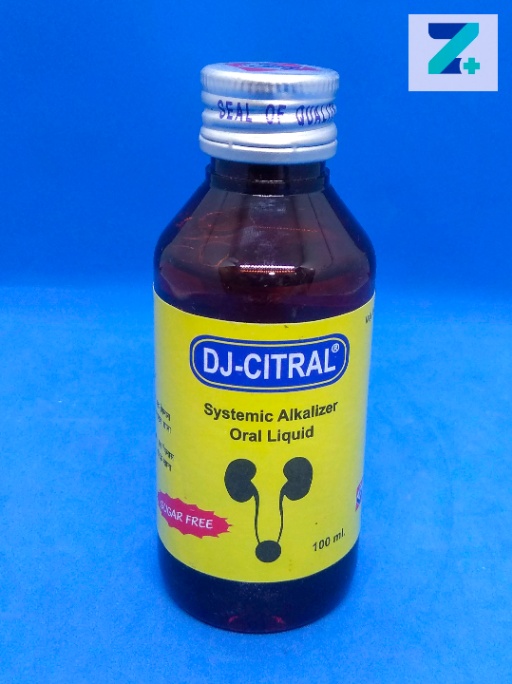
Price: Rs.104.00
10% off
In stock
Loose stock: 0
Description
DJ-CITRAL SYR 100ML
Details
Composition
DISODIUM HYDROGEN CITRATE 1.4 MG
# Disodium Hydrogen Citrate 1.4 mg
## Short Description
Disodium Hydrogen Citrate is a **urinary alkalinising medicine** used to make urine less acidic. It may be prescribed to help relieve burning or discomfort during urination associated with acidic urine and may be used as part of the management of certain urinary conditions.
**Note:** Disodium hydrogen citrate products are commonly expressed as a liquid or salt quantity, and the stated **1.4 mg strength should be verified against the product label**, as the exact formulation and concentration can vary.
## Key Benefits
* Helps increase urinary pH
* Makes acidic urine more alkaline
* May help relieve burning or discomfort during urination associated with acidic urine
* May support management of certain urinary conditions where urine alkalinisation is appropriate
* Can help reduce urinary acidity under medical supervision
## Uses / Indications
Disodium Hydrogen Citrate may be used for:
* Urinary alkalinisation
* Burning sensation during urination associated with acidic urine
* Discomfort caused by acidic urine
* Certain urinary tract conditions where alkalinisation is recommended
* Supporting management of some types of kidney stones, depending on stone composition and medical advice
It does **not treat the underlying bacterial cause of a urinary tract infection** and should not replace an antibiotic when an infection requires antibiotic treatment.
## How It Works
Disodium Hydrogen Citrate is metabolised to bicarbonate, which increases the body's urinary alkalinity. This causes the urine to become **less acidic and more alkaline**.
By reducing urinary acidity, it may help decrease irritation caused by acidic urine and may alter the solubility of certain urinary substances.
## Dosage & Administration
* Take Disodium Hydrogen Citrate exactly as directed by your doctor or according to the product label
* If using a liquid formulation, measure the dose with an appropriate measuring device
* Dilute the prescribed amount in water if instructed
* Drink plenty of fluids unless your doctor has advised you to restrict fluid intake
* Take doses at the recommended times
* Do not exceed the recommended dose
* If you miss a dose, take it when remembered unless it is close to the next scheduled dose
* Do not take a double dose to compensate for a missed dose
* The appropriate dose depends on the formulation, indication and individual medical condition
## Side Effects
Possible side effects include:
* Nausea
* Vomiting
* Stomach discomfort
* Abdominal bloating
* Diarrhea
* Increased thirst
Excessive use may contribute to **electrolyte disturbances or increased sodium levels**, particularly in susceptible individuals.
Seek medical attention if you develop severe weakness, confusion, persistent vomiting, significant swelling or other unusual symptoms.
## Precautions & Warnings
* Tell your doctor if you have **kidney disease**
* Use with caution if you have heart disease or high blood pressure
* Tell your doctor if you have been advised to follow a low-sodium diet
* People with fluid retention or conditions affected by sodium intake should seek medical advice before use
* Do not exceed the recommended dose
* Maintain adequate fluid intake unless fluid restriction has been prescribed
* Tell your doctor about all medicines and supplements you take
* If urinary symptoms persist, worsen or are accompanied by fever, back pain or blood in the urine, seek medical evaluation
* Tell your doctor if you are pregnant or breastfeeding
* Keep out of reach of children
## Drug Interactions
Disodium Hydrogen Citrate may affect the absorption or elimination of certain medicines by changing urinary or gastrointestinal conditions.
Tell your doctor or pharmacist if you take:
* **Antacids or other alkalinising medicines**
* Medicines affected by urinary pH
* Certain antibiotics
* Diuretics
* Medicines that affect sodium or electrolyte levels
* Prescription medicines, OTC medicines, vitamins or herbal supplements
Do not combine multiple urinary alkalinisers unless recommended by a healthcare professional.
## Storage Information
* Store according to the manufacturer's instructions
* Keep the medicine in its original container
* Protect from excessive heat, moisture and direct sunlight
* Keep the container tightly closed
* Keep out of reach and sight of children
* Do not use after the expiry date
* Follow the specific storage instructions printed on the product label
## Prescription Status
Disodium Hydrogen Citrate may be available as an **OTC or prescription medicine**, depending on the formulation, strength and regulations of the country where it is sold.
Follow local pharmacy and prescribing requirements.
## Genuine Medicine Assurance
* Purchase Disodium Hydrogen Citrate only from a licensed and reputable pharmacy
* Check the medicine name and strength carefully
* Verify the manufacturer, batch number and expiry date
* Ensure the packaging and seal are intact
* Check that the product formulation matches your prescription
* Do not use products from damaged, altered or suspicious packaging
* Purchase medicines from authorized sources
* If you suspect a product is counterfeit, consult a pharmacist or the appropriate medicine regulatory authority
## Frequently Asked Questions
### What is Disodium Hydrogen Citrate used for?
Disodium Hydrogen Citrate is used as a **urinary alkaliniser** to make urine less acidic. It may help relieve urinary burning associated with acidic urine and may be used in certain urinary conditions.
### Does Disodium Hydrogen Citrate treat a UTI?
No. It may relieve urinary burning or discomfort caused by acidic urine, but it **does not kill bacteria** and does not treat the underlying infection. A confirmed bacterial UTI may require appropriate antibiotic treatment.
### Does Disodium Hydrogen Citrate help with burning urine?
It may help reduce burning associated with acidic urine by making the urine more alkaline. Persistent or severe burning should be medically evaluated to identify the underlying cause.
### How does Disodium Hydrogen Citrate work?
It increases urinary alkalinity, making the urine less acidic. This can reduce irritation caused by acidic urine.
### Can Disodium Hydrogen Citrate dissolve kidney stones?
Urinary alkalinisation can be useful for certain types of kidney stones, but not all stones respond to it. The appropriate treatment depends on the type of stone and should be determined by a healthcare professional.
### Can Disodium Hydrogen Citrate be taken for kidney stones?
It may be prescribed for selected patients with kidney stones, particularly when urinary alkalinisation is appropriate. Do not self-treat kidney stones without medical assessment.
### How should Disodium Hydrogen Citrate be taken?
The exact dose depends on the product formulation and medical indication. Liquid preparations are often diluted in water. Follow the instructions on your product label or your doctor's prescription.
### Can Disodium Hydrogen Citrate be taken with water?
Yes. If your product is a liquid concentrate, it is commonly diluted in water according to the manufacturer's instructions.
### Does Disodium Hydrogen Citrate increase urine pH?
Yes. Its primary action is to **increase urinary pH**, making urine more alkaline.
### Can Disodium Hydrogen Citrate be taken with antibiotics?
It depends on the antibiotic. Changes in urinary pH can affect the elimination or activity of some medicines. Tell your doctor or pharmacist about all medicines you are taking.
### Can Disodium Hydrogen Citrate be taken with other urinary alkalinisers?
Do not combine different urinary alkalinising products unless advised by a healthcare professional, as excessive alkalinisation or electrolyte disturbances may occur.
### Is Disodium Hydrogen Citrate safe for kidney patients?
People with kidney disease should use it only after consulting a healthcare professional because impaired kidney function can affect electrolyte balance and medicine handling.
### Can Disodium Hydrogen Citrate increase sodium levels?
Because it is a sodium-containing compound, excessive use may contribute to increased sodium levels or sodium-related fluid retention in susceptible individuals.
### Can people with high blood pressure take Disodium Hydrogen Citrate?
People with hypertension should consult their doctor before use, particularly if they have been advised to restrict sodium intake.
### Can Disodium Hydrogen Citrate be used during pregnancy?
Consult your doctor before using it during pregnancy. Your healthcare professional can determine whether urinary alkalinisation is appropriate for your condition.
### Can Disodium Hydrogen Citrate be used while breastfeeding?
Consult your healthcare professional before use during breastfeeding, particularly if prolonged treatment is required.
### What happens if I miss a dose?
Take the missed dose when remembered unless it is nearly time for your next dose. Do not take two doses together.
### Can Disodium Hydrogen Citrate cause stomach upset?
Yes. Nausea, abdominal discomfort, bloating or diarrhea may occur in some people.
### How long does Disodium Hydrogen Citrate take to work?
Urinary alkalinisation can occur relatively quickly after administration, but the time required for symptom relief depends on the underlying condition and individual response.
### Can Disodium Hydrogen Citrate be used every day?
It may be used regularly when prescribed or recommended for a specific condition. Long-term use should follow professional advice, particularly in people with kidney, heart or blood-pressure problems.
### Is Disodium Hydrogen Citrate an antibiotic?
No. It is a **urinary alkalinising agent**, not an antibiotic.
### Is Disodium Hydrogen Citrate a painkiller?
No. It does not directly act as a conventional painkiller. It may reduce urinary burning caused by excessive urine acidity.
### Can I take Disodium Hydrogen Citrate without a prescription?
Availability depends on the country and specific formulation. Some products may be available without a prescription, while others may require professional supervision.
### What should I do if urinary burning continues?
Persistent urinary burning can be caused by infection, stones or other conditions. Consult a healthcare professional, especially if you develop fever, blood in the urine, severe pain, vomiting or back/flank pain.
## Medical Disclaimer
This information is provided for general educational purposes only and is not a substitute for professional medical advice, diagnosis or treatment. **Disodium Hydrogen Citrate 1.4 mg should be used according to the exact product label or a qualified healthcare professional's instructions.** The strength and formulation should be verified because disodium hydrogen citrate products are available in different concentrations and dosage forms. It does not treat bacterial urinary tract infections. People with kidney disease, heart disease, hypertension or sodium restrictions should consult a healthcare professional before use. Seek medical attention for persistent urinary symptoms, fever, blood in the urine or severe abdominal/back pain.