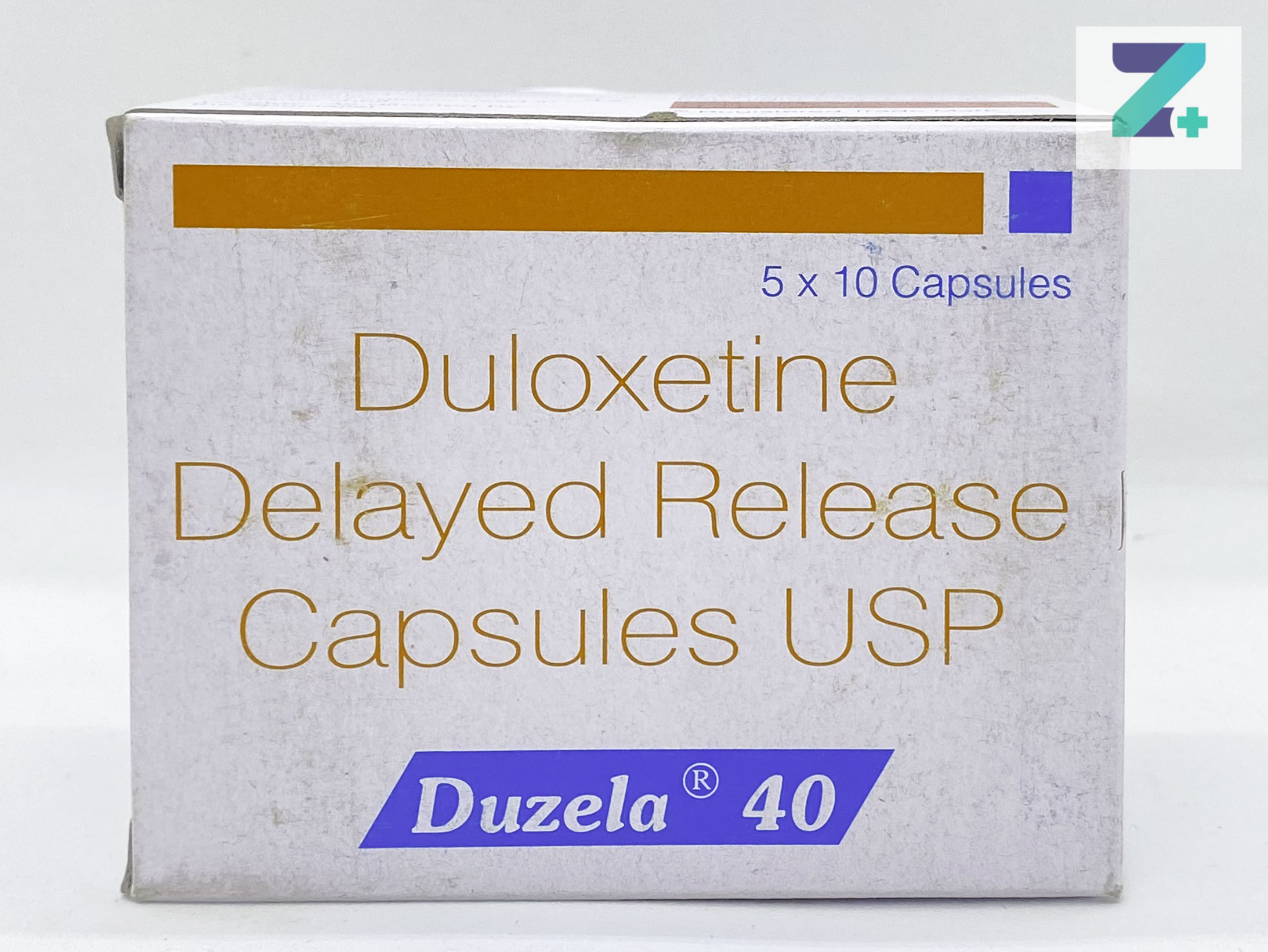
DUZELA 40MG
Price: Rs.203.20
13% off
In stock
Loose stock: 0
Description
DUZELA 40MG CAP 10
Details
Composition
DULOXETINE 40 MG
# DULOXETINE 40 MG
## SHORT DESCRIPTION
**Duloxetine 40 mg** is a prescription medicine belonging to the **serotonin-norepinephrine reuptake inhibitor (SNRI)** class. It affects serotonin and norepinephrine levels in the central nervous system.
Duloxetine is used for several conditions, including **major depressive disorder, generalized anxiety disorder, certain types of nerve pain, fibromyalgia, and chronic musculoskeletal pain**, depending on the indication and local approval.
---
## KEY BENEFITS
* Helps manage symptoms of **depression**.
* Helps reduce symptoms of **generalized anxiety disorder**.
* Can help relieve certain types of **neuropathic (nerve) pain**.
* May be used for **diabetic peripheral neuropathic pain**.
* May help manage **fibromyalgia-associated pain**.
* Can reduce certain types of **chronic musculoskeletal pain**.
* May improve mood, sleep, concentration, and daily functioning when symptoms are related to depression or anxiety.
> **Important:** Duloxetine is not an immediate painkiller or a medicine for instant anxiety relief. It may take several weeks to produce its full therapeutic effect.
---
## USES / INDICATIONS
Duloxetine may be prescribed for:
### 1. Major Depressive Disorder
It helps treat symptoms such as:
* Persistent sadness
* Loss of interest or pleasure
* Low energy
* Sleep disturbances
* Changes in appetite
* Difficulty concentrating
### 2. Generalized Anxiety Disorder
Duloxetine may help reduce excessive or persistent anxiety and associated symptoms.
### 3. Diabetic Peripheral Neuropathic Pain
It can help reduce nerve pain associated with diabetes, including:
* Burning pain
* Tingling
* Shooting pain
* Pins-and-needles sensations
### 4. Fibromyalgia
Duloxetine may help reduce widespread pain and improve physical functioning in people with fibromyalgia.
### 5. Chronic Musculoskeletal Pain
Depending on local approvals, duloxetine may be used for chronic pain associated with conditions such as:
* Chronic low-back pain
* Osteoarthritis-related pain
**Approved indications vary by country and product.**
---
## HOW IT WORKS
Duloxetine is an **SNRI (serotonin-norepinephrine reuptake inhibitor)**.
It inhibits the reuptake of:
* **Serotonin**
* **Norepinephrine**
This increases the availability of these neurotransmitters in the central nervous system.
### For Depression and Anxiety
Increased serotonin and norepinephrine signaling can help regulate:
* Mood
* Anxiety
* Emotional responses
* Sleep
* Concentration
### For Nerve and Chronic Pain
Duloxetine also enhances the activity of descending pain-inhibitory pathways in the central nervous system, helping reduce the perception of certain types of chronic and neuropathic pain.
**Duloxetine → increased serotonin + norepinephrine signaling → improved mood/anxiety regulation and modulation of pain signals**
---
## DOSAGE & ADMINISTRATION
### Adults
The appropriate dose depends on the condition being treated, response to therapy, tolerability, and the prescribing instructions.
A **40 mg daily dose** may be used in some treatment regimens, while other conditions may require different starting or maintenance doses.
Duloxetine is commonly administered **once daily**, although the exact regimen depends on the formulation and indication.
### Important
**Do not change the dose yourself.**
A healthcare professional may start treatment at a lower dose and gradually increase it to improve tolerability.
### How to Take
* Take exactly as prescribed.
* Take at approximately the same time each day.
* It can generally be taken **with or without food**.
* Swallow delayed-release capsules whole.
* **Do not crush, chew, or open** delayed-release capsules unless the product instructions specifically permit it.
### Missed Dose
Take the missed dose when remembered unless it is nearly time for your next dose.
**Do not take two doses at once.**
---
## SIDE EFFECTS
### Common Side Effects
Possible side effects include:
* Nausea
* Dry mouth
* Headache
* Dizziness
* Sleepiness
* Fatigue
* Constipation
* Diarrhea
* Reduced appetite
* Increased sweating
* Difficulty sleeping
* Sexual side effects
Nausea is particularly common when treatment is first started and may improve with continued treatment.
### Other Possible Effects
Some patients may experience:
* Blurred vision
* Tremor
* Restlessness
* Increased blood pressure
* Palpitations
* Changes in taste
### Serious Side Effects
Seek medical attention if you develop:
* Severe allergic reaction
* Significant mood or behavioral changes
* Suicidal thoughts or behavior
* Severe agitation or confusion
* High fever with muscle rigidity or tremor
* Severe bleeding
* Yellowing of the skin or eyes
* Severe skin rash
* Eye pain or sudden visual changes
* Fainting or severe dizziness
---
## PRECAUTIONS & WARNINGS
### Suicidal Thoughts and Behavior
Antidepressants can increase the risk of suicidal thoughts or behavior in some **children, adolescents, and young adults**, particularly during the early stages of treatment or after dose changes.
Any significant change in mood, behavior, anxiety, agitation, or suicidal thinking should be reported promptly to a healthcare professional.
### Serotonin Syndrome
Duloxetine can rarely cause **serotonin syndrome**, especially when combined with other serotonergic medicines.
Symptoms may include:
* Agitation
* Confusion
* Excessive sweating
* Fever
* Rapid heartbeat
* Tremor
* Muscle rigidity
* Diarrhea
Seek urgent medical attention if these symptoms occur.
### Liver Problems
Rarely, duloxetine can cause serious liver injury.
Tell your doctor if you develop:
* Yellowing of the skin or eyes
* Dark urine
* Severe abdominal pain
* Unusual persistent fatigue
Avoid or use extreme caution with duloxetine in people with significant liver disease or substantial alcohol use, according to medical advice.
### Blood Pressure
Duloxetine can increase blood pressure in some patients.
Blood pressure should be monitored, particularly after starting treatment or increasing the dose.
### Withdrawal Symptoms
Stopping duloxetine suddenly can cause discontinuation symptoms, including:
* Dizziness
* Nausea
* Headache
* Irritability
* Anxiety
* Sleep disturbances
* Electric-shock-like sensations
**Do not stop duloxetine abruptly.** A healthcare professional can gradually reduce the dose when discontinuation is appropriate.
### Bleeding Risk
Duloxetine may increase the risk of bleeding, especially when taken with:
* Aspirin
* NSAIDs
* Antiplatelet medicines
* Anticoagulants
### Low Sodium
Rarely, antidepressants can cause **hyponatremia (low blood sodium)**, particularly in older adults or people taking diuretics.
### Mania
People with bipolar disorder may experience a manic or hypomanic episode when taking antidepressants. Tell your doctor about any history of bipolar disorder or manic episodes.
### Pregnancy
Discuss duloxetine use with your healthcare professional if you are pregnant or planning pregnancy. Treatment decisions should consider both maternal benefits and potential fetal/newborn risks.
### Breastfeeding
Duloxetine passes into breast milk. Consult your healthcare professional before using it while breastfeeding.
---
## DRUG INTERACTIONS
### MAO Inhibitors
Duloxetine **must not be used with MAO inhibitors** or within the appropriate washout period because of the risk of potentially serious reactions, including serotonin syndrome.
Examples include:
* Phenelzine
* Tranylcypromine
* Isocarboxazid
* Selegiline
* Linezolid in certain circumstances
* Methylene blue in certain circumstances
### Other Serotonergic Medicines
Combining duloxetine with other medicines that increase serotonin can increase the risk of **serotonin syndrome**.
Examples include:
* SSRIs
* Other SNRIs
* Tricyclic antidepressants
* Tramadol
* Fentanyl
* Lithium
* Buspirone
* Certain migraine medicines such as triptans
* St. John's wort
### Anticoagulants and Antiplatelet Medicines
Duloxetine may increase bleeding risk when combined with:
* Warfarin
* Apixaban
* Rivaroxaban
* Aspirin
* Clopidogrel
### NSAIDs
Medicines such as:
* Ibuprofen
* Naproxen
* Diclofenac
may further increase bleeding risk when combined with duloxetine.
### CYP1A2 and CYP2D6 Interactions
Certain medicines can alter duloxetine blood concentrations.
Examples include some:
* Fluoroquinolone antibiotics
* Antiarrhythmic medicines
* Antidepressants
### Alcohol
Alcohol may increase the risk of liver injury associated with duloxetine and may worsen dizziness or sedation.
Discuss alcohol consumption with your healthcare professional.
---
## STORAGE INFORMATION
* Store Duloxetine 40 mg according to the manufacturer's recommended conditions.
* Keep the medicine in its original packaging.
* Protect from excessive heat, moisture, and direct sunlight.
* Keep out of reach and sight of children.
* Keep the container tightly closed where applicable.
* Do not use after the expiry date.
* Do not use capsules if the packaging is damaged or tampered with.
---
## PRESCRIPTION STATUS
**Prescription Medicine**
Duloxetine 40 mg is generally available **by prescription only**.
It should be used under the supervision of a qualified healthcare professional because the appropriate dose, duration, and discontinuation schedule depend on the condition being treated.
---
## GENUINE MEDICINE ASSURANCE
For safe and effective treatment, purchase **Duloxetine 40 mg** from a licensed pharmacy or authorized medicine supplier.
Before using the medicine, verify:
* Product name and strength
* Active ingredient
* Manufacturer details
* Batch/lot number
* Manufacturing and expiry dates
* Packaging and seal integrity
* Regulatory/registration information where applicable
Do not use the product if it is:
* Expired
* Damaged
* Tampered with
* Missing batch or expiry information
* Unusual in appearance
If you have concerns about authenticity, consult a licensed pharmacist or the relevant medicine regulatory authority.
---
# FAQ – DULOXETINE 40 MG
### 1. What is Duloxetine 40 mg used for?
Duloxetine 40 mg may be used for **depression, generalized anxiety disorder, certain nerve pain conditions, fibromyalgia, and chronic musculoskeletal pain**, depending on the approved indication in the relevant country.
### 2. Is Duloxetine a painkiller?
Duloxetine is not a conventional painkiller. It is an **SNRI antidepressant** that can reduce certain types of nerve and chronic pain by modifying pain signaling in the central nervous system.
### 3. Is Duloxetine an antidepressant?
Yes. Duloxetine is an **SNRI antidepressant** that increases serotonin and norepinephrine signaling in the brain.
### 4. How long does Duloxetine take to work?
Some symptoms may begin improving within the first few weeks, but the full therapeutic effect may take **several weeks** and varies between individuals.
### 5. Is Duloxetine 40 mg a high dose?
A 40 mg dose is within the range used for some indications, but whether it is appropriate depends on the condition, age, kidney and liver function, previous treatment, and individual response.
### 6. Can Duloxetine 40 mg be taken once daily?
Yes. Duloxetine is commonly administered **once daily**, but follow the specific dosing instructions provided by your healthcare professional.
### 7. Should Duloxetine be taken with food?
Duloxetine can generally be taken **with or without food**. Taking it consistently at approximately the same time each day can help maintain regular treatment.
### 8. Can Duloxetine help with nerve pain?
Yes. Duloxetine is used for certain forms of **neuropathic pain**, including diabetic peripheral neuropathic pain.
### 9. Can Duloxetine help with back pain?
Duloxetine may be prescribed for certain forms of **chronic musculoskeletal pain**, including chronic low-back pain, depending on local approval and clinical assessment.
### 10. Can Duloxetine help with fibromyalgia?
Yes. Duloxetine is approved in some countries for the management of **fibromyalgia-associated pain**.
### 11. Does Duloxetine make you sleepy?
Some people experience **sleepiness or fatigue**, while others may experience insomnia or increased alertness. Avoid driving until you know how the medicine affects you.
### 12. Does Duloxetine cause nausea?
Yes. **Nausea is one of the more common early side effects** and may improve as the body adjusts to treatment.
### 13. Can Duloxetine cause weight gain?
Weight changes can occur, but the effect varies between individuals. Some patients may experience reduced appetite or weight loss, while others may gain weight.
### 14. Can Duloxetine affect sexual function?
Yes. Duloxetine and other antidepressants can sometimes cause **reduced libido, difficulty achieving orgasm, or erectile/sexual dysfunction**.
### 15. Can I stop Duloxetine suddenly?
No. Stopping suddenly can cause withdrawal/discontinuation symptoms. Your healthcare professional may recommend a **gradual dose reduction**.
### 16. Can Duloxetine be taken with Ibuprofen?
The combination may increase the risk of **gastrointestinal bleeding**. Consult your healthcare professional before taking these medicines together regularly.
### 17. Can Duloxetine be taken with Paracetamol?
There is generally no major direct interaction between duloxetine and paracetamol, but all medicines should be used according to appropriate dosing and medical advice.
### 18. Can Duloxetine be taken with Tramadol?
Caution is required. Both medicines affect serotonin, and combining them can increase the risk of **serotonin syndrome** and other adverse effects.
### 19. Can Duloxetine be taken with other antidepressants?
Only under medical supervision. Combining duloxetine with other antidepressants can increase the risk of **serotonin syndrome** and other complications.
### 20. Can Duloxetine be used during pregnancy?
Discuss duloxetine with your healthcare professional if you are pregnant or planning pregnancy. Do not stop treatment suddenly without medical guidance.
### 21. Can Duloxetine be used while breastfeeding?
Duloxetine passes into breast milk. Consult your healthcare professional to determine whether treatment is appropriate while breastfeeding.
### 22. Can people with liver disease take Duloxetine?
Duloxetine may not be appropriate for people with significant liver disease. Discuss your liver health with your doctor before starting treatment.
### 23. Can people with kidney disease take Duloxetine?
Patients with severe kidney impairment may require an alternative treatment or special consideration. Your healthcare professional can determine whether duloxetine is appropriate.
### 24. What happens if I miss a Duloxetine dose?
Take it when remembered unless it is nearly time for your next dose. **Do not double the next dose.**
### 25. Is Duloxetine 40 mg available without a prescription?
Duloxetine 40 mg is generally a **prescription-only medicine**.
---
## MEDICAL DISCLAIMER
This information about **Duloxetine 40 mg** is provided for general educational and informational purposes only. It is **not a substitute for professional medical advice, diagnosis, or treatment**.
Duloxetine is a prescription SNRI medicine with important precautions, including the potential for **serotonin syndrome, suicidal thoughts or behavioral changes, blood-pressure changes, liver injury, bleeding, and discontinuation symptoms**.
Do not combine duloxetine with MAO inhibitors, and inform your healthcare professional about all antidepressants, pain medicines, anticoagulants, NSAIDs, supplements, and other medicines you use.
**Do not start, stop, or change the dose of Duloxetine 40 mg without medical advice. Do not discontinue it suddenly unless specifically instructed by a healthcare professional.**
Seek urgent medical attention for suicidal thoughts, severe allergic reactions, symptoms of serotonin syndrome, significant bleeding, fainting, severe chest symptoms, or signs of serious liver problems.
**Always read the product label/package insert and follow your doctor's or pharmacist's instructions.**