ECOSPRIN 150MG
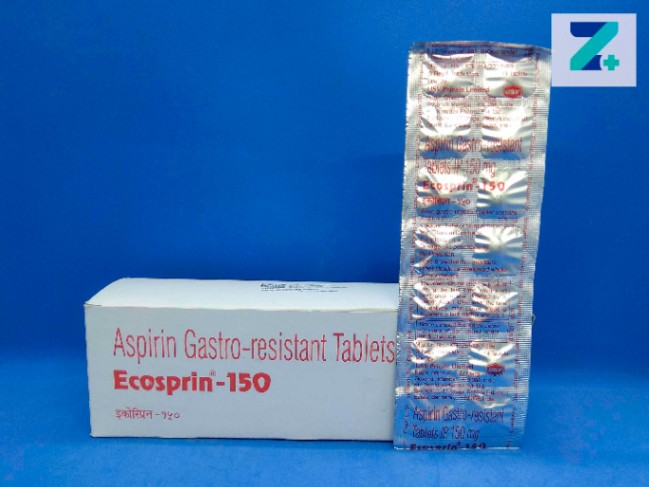
Price: Rs.16.92
10% off
In stock
Loose stock: 0
Description
ECOSPRIN 150MG TAB 14
Details
Composition
ASPIRIN 150MG
# Aspirin 150 mg
## SHORT DESCRIPTION
Aspirin 150 mg contains **acetylsalicylic acid**, an antiplatelet medicine that helps reduce the formation of harmful blood clots. It is commonly used in selected patients to reduce the risk of **heart attack and ischemic stroke**, particularly when cardiovascular disease is already present.
Aspirin should be used for cardiovascular prevention only when recommended by a healthcare professional because it can increase the risk of bleeding.
## KEY BENEFITS
* Helps prevent excessive platelet aggregation
* Reduces the formation of certain blood clots
* Helps reduce the risk of recurrent heart attack in appropriate patients
* May help reduce the risk of certain ischemic strokes
* May be used as part of treatment following certain cardiovascular procedures
* Provides long-lasting antiplatelet activity with regular use
## USES / INDICATIONS
Aspirin 150 mg may be used for:
* **Secondary prevention of heart attack**
* Secondary prevention of ischemic stroke or transient ischemic attack
* Coronary artery disease
* Prevention of clot-related complications after certain coronary procedures
* Other cardiovascular conditions where antiplatelet therapy is specifically recommended
Aspirin is **not suitable for everyone for primary prevention** of heart attack or stroke. In some people without established cardiovascular disease, the risk of bleeding may outweigh the potential benefit.
## HOW IT WORKS
Aspirin irreversibly inhibits the **cyclooxygenase-1 (COX-1)** enzyme in platelets.
This reduces the production of **thromboxane A2**, a substance that promotes platelet activation and aggregation.
As a result, platelets become less likely to stick together and form blood clots. The antiplatelet effect lasts for the lifespan of affected platelets, generally around **7–10 days**.
## DOSAGE & ADMINISTRATION
* Take Aspirin 150 mg exactly as prescribed.
* The appropriate dose and duration depend on the medical condition and treatment purpose.
* Swallow the tablet with water.
* If the tablet is enteric-coated or gastro-resistant, swallow it whole unless the product instructions specifically state otherwise.
* Taking aspirin with or after food may help reduce stomach irritation.
* Take it at approximately the same time each day when prescribed for regular use.
* Do not take additional aspirin-containing medicines unless advised by a healthcare professional.
* Do not discontinue prescribed long-term aspirin without consulting your doctor, particularly after a heart attack, stroke or coronary stent.
### Missed Dose
Take the missed dose when remembered unless it is nearly time for the next dose. Do not take two doses together.
## SIDE EFFECTS
Common side effects may include:
* Indigestion
* Heartburn
* Stomach discomfort
* Nausea
* Easy bruising
* Nosebleeds
* Increased tendency to bleed
### Serious Side Effects
Seek immediate medical attention for:
* Vomiting blood or material resembling coffee grounds
* Black or bloody stools
* Heavy or unexplained bleeding
* Severe abdominal pain
* Severe allergic reaction
* Difficulty breathing
* Fainting or severe dizziness
* Sudden weakness, difficulty speaking or other symptoms suggestive of stroke
Long-term aspirin use can increase the risk of **stomach ulcers and gastrointestinal bleeding**.
## PRECAUTIONS & WARNINGS
* Do not use aspirin if you are allergic to aspirin or other salicylates.
* Inform your doctor if you have a history of **stomach ulcers or gastrointestinal bleeding**.
* Tell your healthcare professional if you have a bleeding disorder.
* Use caution in people with kidney or liver disease.
* Inform your doctor if aspirin or other NSAIDs have previously caused asthma, wheezing or an allergic reaction.
* Aspirin can significantly increase bleeding risk when combined with anticoagulants or other antiplatelet medicines.
* Avoid taking additional aspirin or NSAID products unless specifically advised.
* Excessive alcohol consumption can increase the risk of stomach bleeding.
* Inform your doctor before surgery or dental procedures.
* Aspirin should generally not be given to children or teenagers with viral illnesses unless specifically prescribed because of the risk of **Reye's syndrome**.
* Tell your doctor if you are pregnant, planning pregnancy or breastfeeding.
## DRUG INTERACTIONS
Aspirin may interact with:
* **Warfarin and other anticoagulants** — increased risk of bleeding
* **Clopidogrel and other antiplatelet medicines** — increased bleeding risk
* **Ibuprofen, naproxen and other NSAIDs** — increased gastrointestinal and bleeding risks; some NSAIDs may also interfere with aspirin's antiplatelet effect
* **Corticosteroids** — increased risk of gastrointestinal bleeding
* **SSRIs and SNRIs** — may increase bleeding risk
* **Methotrexate** — may increase methotrexate toxicity in certain circumstances
* **Valproate** — may increase bleeding risk or alter drug effects
* **Certain antihypertensive medicines and diuretics** — may affect blood pressure control or kidney function in susceptible patients
* **Alcohol** — may increase gastrointestinal irritation and bleeding
Always inform your doctor or pharmacist about all medicines, vitamins and supplements you are taking.
## STORAGE INFORMATION
* Store according to the manufacturer's instructions.
* Keep in the original packaging.
* Store at the recommended room temperature.
* Protect from excessive heat, moisture and direct sunlight.
* Keep the container tightly closed.
* Keep out of reach of children.
* Do not use after the expiry date.
* Do not use tablets if the packaging appears damaged or the tablets show signs of deterioration.
## PRESCRIPTION STATUS
**Prescription status varies by country and formulation.**
Aspirin may be available without a prescription in some markets. However, **Aspirin 150 mg for cardiovascular prevention should be taken only following appropriate medical advice**.
## GENUINE MEDICINE ASSURANCE
For safe and genuine medicine use:
* Purchase Aspirin 150 mg from a licensed and reputable pharmacy.
* Verify the medicine name and 150 mg strength.
* Check the batch number and expiry date.
* Ensure the packaging and seal are intact.
* Check the manufacturer's information.
* Avoid products with damaged, altered or suspicious packaging.
* Follow the storage instructions printed on the package.
* Contact a pharmacist if you have concerns about the authenticity of the medicine.
## FAQ
### What is Aspirin 150 mg used for?
Aspirin 150 mg is an **antiplatelet medicine** used in selected patients to reduce the risk of blood-clot-related cardiovascular events, including recurrent heart attack and certain ischemic strokes.
### Is Aspirin 150 mg a blood thinner?
Aspirin is commonly called a blood thinner, but it does not actually thin the blood. It **reduces platelet aggregation**, making blood clots less likely to form.
### How does Aspirin 150 mg work?
It blocks platelet COX-1 and reduces thromboxane A2 production. This makes platelets less likely to stick together and form clots.
### Can Aspirin 150 mg prevent a heart attack?
It can help prevent another heart attack in appropriate patients with established cardiovascular disease. It is **not automatically recommended for everyone** to prevent a first heart attack.
### Can Aspirin prevent stroke?
Aspirin can help reduce the risk of certain **ischemic strokes** in appropriate patients. It does not prevent every type of stroke and may be harmful in some bleeding-related conditions.
### Can Aspirin 150 mg be taken every day?
Daily aspirin should be taken only when recommended by a healthcare professional. Long-term treatment can increase the risk of serious bleeding.
### Should Aspirin 150 mg be taken with food?
Taking aspirin with or after food may reduce stomach irritation. Follow the instructions for your specific formulation.
### Can Aspirin cause stomach ulcers?
Yes. Aspirin can irritate the stomach and increase the risk of **gastric ulcers, intestinal ulcers and gastrointestinal bleeding**.
### Can Aspirin cause bleeding?
Yes. Increased bleeding and easy bruising are important effects of aspirin. Heavy, prolonged or unexplained bleeding requires prompt medical attention.
### Can I take Ibuprofen with Aspirin?
Do not combine them regularly without medical advice. Ibuprofen can increase gastrointestinal and bleeding risks and may interfere with aspirin's antiplatelet action depending on timing.
### Can Aspirin be taken with Clopidogrel?
The combination is sometimes deliberately prescribed after certain cardiovascular events or procedures. However, it increases bleeding risk and should only be used under medical supervision.
### Can Aspirin be taken with Warfarin?
The combination can significantly increase bleeding risk. Take both together only when specifically prescribed and monitored by your healthcare professional.
### Can I drink alcohol while taking Aspirin?
Excessive alcohol consumption can increase stomach irritation and the risk of gastrointestinal bleeding. Avoid excessive alcohol while taking aspirin.
### Can children take Aspirin 150 mg?
Aspirin generally should **not be given to children or teenagers with viral infections** unless specifically directed by a healthcare professional because of the risk of Reye's syndrome.
### Can I stop Aspirin suddenly?
If aspirin has been prescribed for cardiovascular protection, do not stop it without consulting your doctor. Stopping antiplatelet therapy unexpectedly can increase cardiovascular risk in some patients.
### Can Aspirin be taken during pregnancy?
Aspirin should be taken during pregnancy only under medical supervision. The appropriate dose and timing are important because higher doses can cause serious maternal and fetal complications.
### Can Aspirin be taken while breastfeeding?
Regular aspirin use during breastfeeding should be discussed with a healthcare professional, particularly at higher doses.
### What should I do if I miss a dose?
Take it when remembered unless it is nearly time for the next dose. Do not take a double dose.
### What happens if I take too much Aspirin?
Aspirin overdose can be serious and may cause nausea, vomiting, ringing in the ears, rapid breathing, dizziness, confusion and other toxic effects. Seek urgent medical attention if an overdose is suspected.
### How should Aspirin 150 mg be stored?
Store it according to the manufacturer's instructions, generally at the recommended room temperature and protected from moisture, heat and direct sunlight. Keep it out of reach of children.
## MEDICAL DISCLAIMER
This information is provided for educational purposes only and does not replace professional medical advice, diagnosis or treatment. Aspirin 150 mg can increase the risk of **serious bleeding** and should be used for cardiovascular prevention only when the expected benefit outweighs the individual risks. Do not start, change or stop long-term aspirin treatment without consulting a qualified healthcare professional. Seek urgent medical attention for heavy bleeding, vomiting blood, black stools, severe allergic reactions or suspected overdose. Always follow your doctor's instructions and the specific product label.