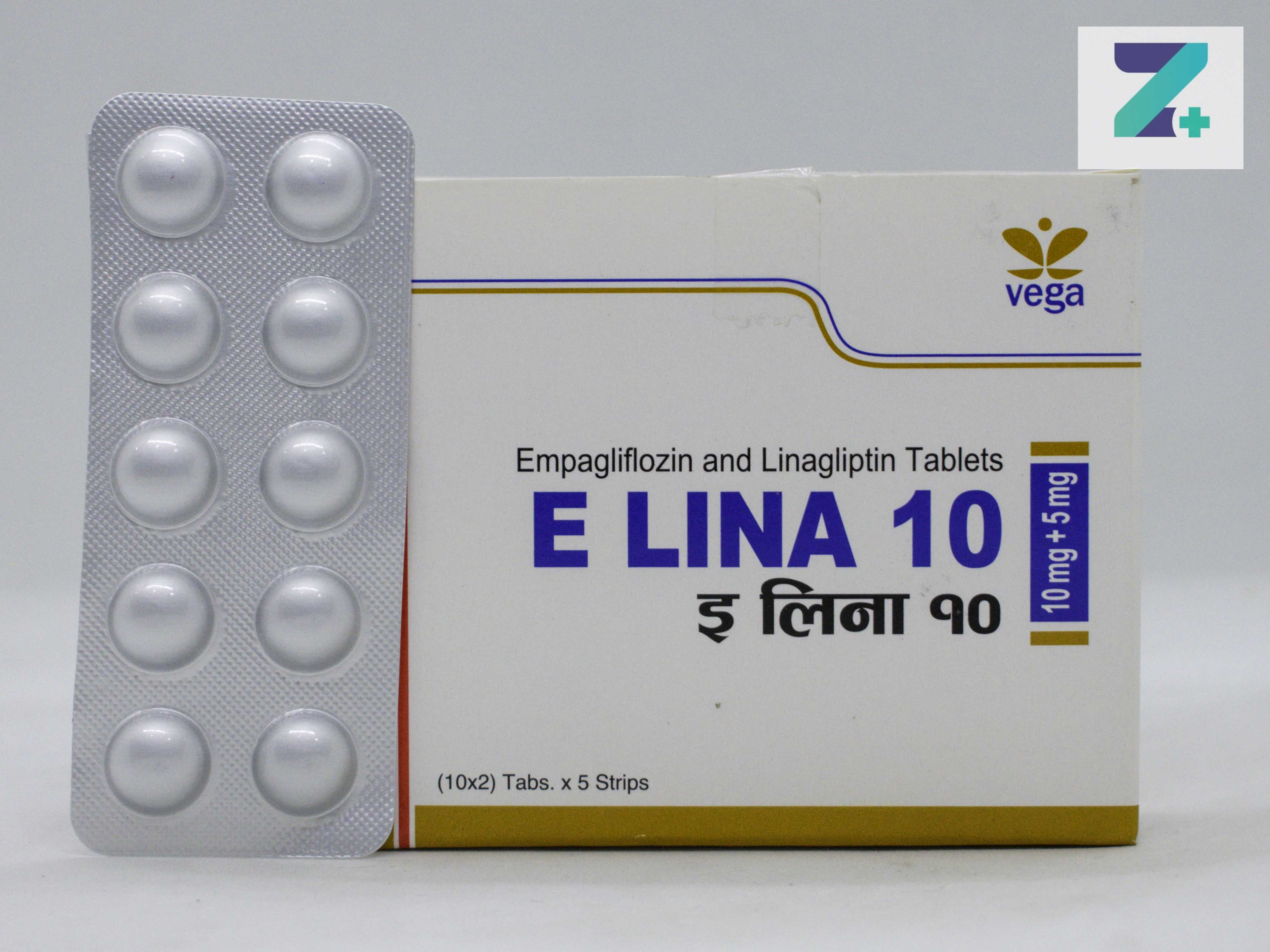
ELINA 10
Price: Rs.430.00
15% off
In stock
Loose stock: 0
Description
ELINA 10 TAB 10
Details
Composition
LINAGLIPTIN 5 MG,EMPAGLIFLOZIN 10MG
# Linagliptin 5 mg + Empagliflozin 10 mg
## Short Description
**Linagliptin 5 mg + Empagliflozin 10 mg** is an oral combination medicine used to help control **blood glucose levels in adults with type 2 diabetes mellitus**. Linagliptin is a **DPP-4 inhibitor**, while empagliflozin is an **SGLT2 inhibitor**. They lower blood glucose through complementary mechanisms and can be used alongside diet and exercise when additional glucose control is needed.
Empagliflozin may also provide cardiovascular and kidney benefits in certain patients, depending on their medical condition and the approved indication.
---
## Key Benefits Section
* Helps improve blood glucose control in adults with type 2 diabetes.
* Combines two medicines with complementary glucose-lowering mechanisms.
* Linagliptin helps increase glucose-dependent insulin release.
* Empagliflozin helps remove excess glucose through urine.
* Generally has a low risk of hypoglycemia when used without insulin or insulin-releasing medicines.
* Empagliflozin may provide cardiovascular and kidney benefits in appropriate patients.
* Convenient once-daily combination therapy.
---
## Uses / Indications
Linagliptin + Empagliflozin may be prescribed for:
* **Type 2 diabetes mellitus** in adults.
* Patients whose blood glucose is not adequately controlled with diet and exercise.
* Patients who require additional glucose lowering despite treatment with one of the individual components.
* Patients who may benefit from an SGLT2 inhibitor as part of their diabetes treatment plan.
### Important
This medicine is **not used to treat type 1 diabetes** or diabetic ketoacidosis.
Dietary management, regular physical activity, and appropriate monitoring remain important parts of diabetes care.
---
## How It Works
### Linagliptin
Linagliptin is a **DPP-4 inhibitor**.
It inhibits the enzyme DPP-4, which normally breaks down incretin hormones such as GLP-1 and GIP. By increasing incretin activity, linagliptin:
* Increases insulin release when blood glucose is elevated.
* Reduces glucagon release when glucose is elevated.
* Helps lower blood glucose levels.
### Empagliflozin
Empagliflozin is an **SGLT2 inhibitor**.
It blocks sodium-glucose cotransporter 2 in the kidneys, reducing glucose reabsorption. As a result, more glucose is eliminated through the urine.
This helps lower blood glucose and can also promote some urinary sodium and fluid loss.
### Why Are They Combined?
The two medicines lower glucose through different pathways, providing **complementary blood-sugar control**.
---
## Dosage & Administration
The usual strength of this combination is **Linagliptin 5 mg + Empagliflozin 10 mg once daily**, but the exact regimen should be determined by your healthcare professional.
### General Instructions
* Take once daily as prescribed.
* It may generally be taken **with or without food**.
* Take it at approximately the same time each day.
* Swallow the tablet with water.
* Maintain adequate fluid intake unless your doctor has instructed you to restrict fluids.
### Important
Your doctor may adjust diabetes treatment based on:
* Blood glucose levels.
* HbA1c.
* Kidney function.
* Other diabetes medicines.
* Cardiovascular and kidney status.
* Risk of dehydration or adverse effects.
### Missed Dose
Take the missed dose when remembered unless it is nearly time for your next dose.
Do **not** take two doses at the same time.
---
## Side Effects
### Common Side Effects
Possible side effects include:
* Increased urination.
* Increased thirst.
* Genital fungal infections.
* Urinary tract infections.
* Nasopharyngitis or cold-like symptoms.
* Headache.
* Mild gastrointestinal discomfort.
### Hypoglycemia
The risk of low blood sugar is generally low when linagliptin and empagliflozin are used alone, but the risk can increase when combined with:
* Insulin.
* Sulfonylureas such as glimepiride.
Symptoms of hypoglycemia may include:
* Sweating.
* Shaking.
* Hunger.
* Dizziness.
* Confusion.
* Rapid heartbeat.
* Weakness.
### Serious Side Effects
Seek urgent medical attention for:
* Severe dehydration or fainting.
* Severe abdominal pain with nausea or vomiting.
* Difficulty breathing.
* Confusion or unusual weakness.
* Severe genital or perineal pain, swelling, redness, or fever.
* Signs of a serious allergic reaction.
Empagliflozin can rarely be associated with **diabetic ketoacidosis**, sometimes even when blood glucose is not extremely high.
---
## Precautions & Warnings
Tell your doctor if you have:
* Kidney disease.
* Liver disease.
* Recurrent urinary or genital infections.
* Low blood pressure.
* A history of diabetic ketoacidosis.
* Pancreatitis or a history of pancreatitis.
* Heart failure or cardiovascular disease.
* A planned surgery.
* Frequent dehydration or significant fluid loss.
### Important Warnings
#### Diabetic Ketoacidosis
SGLT2 inhibitors such as empagliflozin can rarely cause diabetic ketoacidosis. Symptoms can include:
* Nausea or vomiting.
* Abdominal pain.
* Excessive tiredness.
* Difficulty breathing.
* Confusion.
Seek urgent medical care if these symptoms occur.
#### Dehydration
Empagliflozin increases urinary glucose and water loss. This can cause:
* Dizziness.
* Low blood pressure.
* Dehydration.
* Reduced kidney function.
Drink adequate fluids unless your doctor has advised fluid restriction.
#### Genital Infections
Higher glucose levels in urine can increase the risk of genital fungal infections. Maintain appropriate hygiene and contact your doctor if symptoms develop.
#### Pancreatitis
Severe, persistent abdominal pain that may radiate to the back should be evaluated promptly because pancreatitis has been reported with DPP-4 inhibitor therapy.
#### Surgery or Prolonged Fasting
Empagliflozin may need to be temporarily discontinued before certain surgeries or during prolonged fasting to reduce the risk of ketoacidosis. Follow your healthcare professional's specific instructions.
---
## Drug Interactions
Tell your doctor about all prescription medicines, OTC medicines, vitamins, and supplements you use.
### Insulin and Sulfonylureas
Medicines such as:
* Insulin.
* Glimepiride.
* Glibenclamide/glyburide.
may increase the risk of **hypoglycemia** when combined with this medicine.
### Diuretics
Diuretics such as furosemide/frusemide or hydrochlorothiazide may increase the risk of:
* Dehydration.
* Low blood pressure.
* Fluid loss.
### Medicines Affecting Kidney Function
Certain medicines may increase kidney-related risks, particularly during dehydration.
### Rifampicin
Rifampicin may reduce linagliptin exposure and potentially reduce its glucose-lowering effect.
Always consult your doctor before starting a new medicine while taking Linagliptin + Empagliflozin.
---
## Storage Information
* Store according to the manufacturer's recommended temperature.
* Keep tablets in their original packaging.
* Protect from excessive heat and moisture.
* Keep away from direct sunlight.
* Keep the container tightly closed.
* Keep out of reach of children.
* Do not use after the expiry date.
---
## Prescription Status
**Prescription Only Medicine (Rx)**
Linagliptin 5 mg + Empagliflozin 10 mg should be used under the supervision of a qualified healthcare professional. Regular monitoring of blood glucose and kidney function may be required.
---
## Genuine Medicine Assurance
We provide **100% genuine, quality-assured medicines** sourced from licensed pharmaceutical manufacturers and authorized distributors. Products are stored and handled according to recommended pharmaceutical standards to help maintain their quality, safety, and effectiveness.
---
# FAQ Section
## 1. What is Linagliptin 5 mg + Empagliflozin 10 mg used for?
It is used to help control **blood sugar levels in adults with type 2 diabetes mellitus**, together with appropriate diet and exercise.
## 2. What are Linagliptin and Empagliflozin?
Linagliptin is a **DPP-4 inhibitor**, while empagliflozin is an **SGLT2 inhibitor**. They lower blood glucose through different mechanisms.
## 3. Can Linagliptin + Empagliflozin cure diabetes?
No. Type 2 diabetes is a chronic condition. This medicine helps **control blood glucose**, but it does not cure diabetes.
## 4. Can this medicine be used for type 1 diabetes?
No. Linagliptin + Empagliflozin is intended for **type 2 diabetes** and should not be used to treat type 1 diabetes unless specifically directed in an appropriate specialist setting.
## 5. Does Empagliflozin make you urinate more?
Yes. Empagliflozin causes glucose and additional water to be eliminated through urine, which can increase urination.
## 6. Can Linagliptin + Empagliflozin cause low blood sugar?
The risk is relatively low when used alone, but hypoglycemia becomes more likely when it is combined with **insulin or sulfonylureas**.
## 7. Can this medicine cause urinary infections?
Yes. Empagliflozin can increase glucose in the urine and may increase the risk of **urinary tract and genital infections** in some people.
## 8. Can I take Linagliptin + Empagliflozin with food?
Yes. It can generally be taken **with or without food**. Follow your specific product instructions.
## 9. Does Empagliflozin help the heart?
Empagliflozin has demonstrated cardiovascular benefits in appropriate patients, including benefits related to hospitalization for heart failure and cardiovascular risk. The benefits depend on the individual's medical condition and treatment indication.
## 10. Does Empagliflozin protect the kidneys?
Empagliflozin has demonstrated **kidney-protective benefits in appropriate patients**. However, kidney function should still be monitored and the medicine may not be suitable for everyone.
## 11. What should I do if I become dehydrated while taking this medicine?
Contact your healthcare professional if you experience significant vomiting, diarrhea, inability to drink fluids, severe dizziness, or other signs of dehydration.
## 12. Can I drink alcohol while taking Linagliptin + Empagliflozin?
Alcohol can affect blood glucose and, in some circumstances, may increase the risk of dehydration or ketoacidosis. Discuss alcohol consumption with your healthcare professional.
## 13. Should I stop Empagliflozin before surgery?
Empagliflozin may need to be temporarily stopped before certain surgeries or prolonged fasting because of the risk of ketoacidosis. **Follow your doctor's specific pre-surgery instructions.**
## 14. What happens if I miss a dose?
Take the missed dose when you remember unless it is nearly time for your next dose. Do not take two doses together.
## 15. Can I stop taking this medicine if my blood sugar becomes normal?
Do not stop it without consulting your doctor. Normal blood glucose may indicate that the treatment is working effectively.
---
# Medical Disclaimer
The information provided on this page is for **educational and informational purposes only** and does not replace professional medical advice, diagnosis, or treatment. Linagliptin 5 mg + Empagliflozin 10 mg is a prescription medicine intended for appropriate patients with type 2 diabetes and requires individualized medical assessment.
Your healthcare professional may need to monitor **blood glucose, HbA1c, kidney function, hydration status, and other relevant parameters** during treatment. Seek urgent medical attention for symptoms suggestive of diabetic ketoacidosis, severe dehydration, serious infection, or a severe allergic reaction.
Always follow the prescribed dose and read the manufacturer's product information before use.