FLUSTAT 150MG
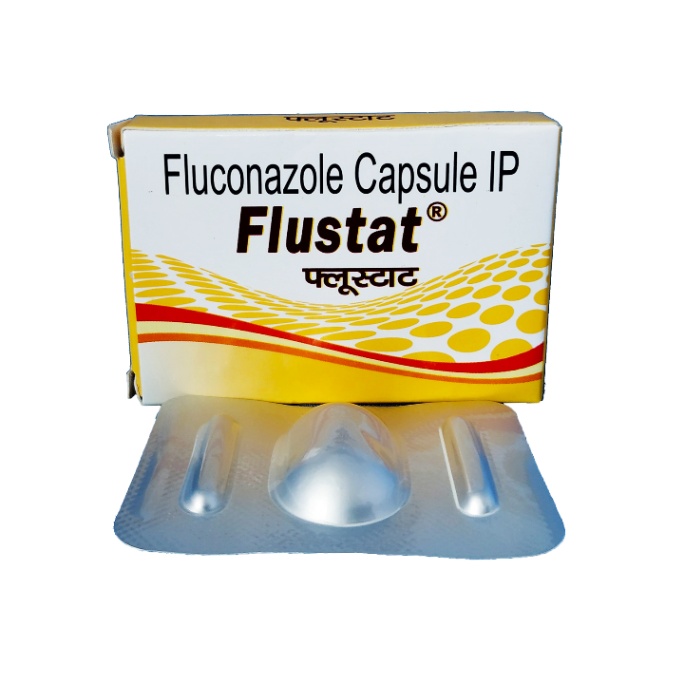
Price: Rs.24.00
10% off
In stock
Loose stock: 0
Description
FLUSTAT 150MG TAB 1
Details
Composition
FLUCONAZOLE 150 MG
# Fluconazole 150 mg
## SHORT DESCRIPTION
Fluconazole 150 mg is an **antifungal medicine** used to treat certain fungal and yeast infections. It belongs to the triazole class of antifungal medicines and works by interfering with the formation of ergosterol, an essential component of the fungal cell membrane.
Fluconazole 150 mg is commonly prescribed as a **single dose for uncomplicated vaginal yeast infection (vaginal candidiasis)**, while other fungal infections may require different doses and treatment durations.
## KEY BENEFITS
* Helps treat susceptible fungal and yeast infections
* Commonly used for uncomplicated vaginal candidiasis
* May be used for certain oral and systemic Candida infections
* Helps stop fungal growth by disrupting the fungal cell membrane
* Convenient oral dosing for appropriate fungal infections
* Can be used for certain fungal infections when prescribed by a healthcare professional
## USES / INDICATIONS
Fluconazole 150 mg may be prescribed for susceptible fungal infections, including:
* **Vaginal candidiasis (vaginal yeast infection)**
* Oral or oropharyngeal candidiasis
* Certain Candida infections of the urinary tract
* Certain systemic Candida infections
* Cryptococcal infections in appropriate treatment regimens
* Prevention of certain fungal infections in high-risk patients
**Important:** The 150 mg strength is not appropriate for every fungal infection. Some infections require substantially different doses and longer treatment.
## HOW IT WORKS
Fluconazole is a **triazole antifungal medicine**.
It inhibits the fungal enzyme **lanosterol 14-alpha-demethylase**, which is involved in the production of ergosterol. Ergosterol is essential for maintaining the structure and function of fungal cell membranes.
By reducing ergosterol production, fluconazole disrupts the fungal cell membrane and inhibits fungal growth.
## DOSAGE & ADMINISTRATION
* Take Fluconazole 150 mg exactly as prescribed by your doctor.
* For **uncomplicated vaginal candidiasis**, a single 150 mg oral dose is commonly used in adults when appropriate.
* Other fungal infections may require different doses, dosing schedules, or longer treatment durations.
* The capsule/tablet may generally be taken with or without food.
* Swallow with water.
* Take the medicine at approximately the same time each day if multiple doses are prescribed.
* Complete the prescribed treatment even if symptoms improve, unless your doctor advises otherwise.
* If you miss a scheduled dose, take it when remembered unless it is almost time for the next dose. Do not take two doses together.
## SIDE EFFECTS
Common side effects may include:
* Headache
* Nausea
* Abdominal pain
* Diarrhoea
* Indigestion
* Vomiting
* Dizziness
* Skin rash
Rare but serious side effects may include:
* Severe allergic reactions
* Serious skin reactions
* Liver injury
* Abnormal heart rhythm or QT prolongation
* Seizures or other neurological effects
Seek urgent medical attention if you develop difficulty breathing, facial swelling, severe skin blistering or peeling, fainting, severe palpitations, or symptoms of liver problems such as yellowing of the skin or eyes.
## PRECAUTIONS & WARNINGS
* Inform your doctor if you have **liver disease or kidney disease**.
* Tell your doctor if you have a history of abnormal heart rhythm or prolonged QT interval.
* Inform your healthcare professional if you have low potassium, calcium, or magnesium levels.
* Fluconazole can interact with many medicines because it affects certain liver enzymes.
* Inform your doctor if you are pregnant, planning pregnancy, or breastfeeding.
* Avoid self-treatment with repeated doses without confirming the cause of the infection.
* Vaginal symptoms can have causes other than yeast infection and may require medical evaluation.
* Contact your doctor if symptoms do not improve, recur frequently, or become worse.
* Long or repeated courses should be used only under appropriate medical supervision.
## DRUG INTERACTIONS
Fluconazole has clinically important interactions with many medicines, including:
* **Warfarin and other anticoagulants**
* Certain statins, such as simvastatin and atorvastatin
* Phenytoin
* Carbamazepine
* Sulfonylurea diabetes medicines
* Certain benzodiazepines
* Cyclosporine
* Tacrolimus
* Rifampicin
* Some antiarrhythmic medicines
* Certain antipsychotic medicines
* Some medicines that prolong the QT interval
Fluconazole may increase the blood concentration of several medicines by inhibiting liver enzymes, potentially increasing the risk of adverse effects.
Always tell your doctor or pharmacist about all prescription medicines, over-the-counter medicines, vitamins, and herbal supplements you use.
## STORAGE INFORMATION
* Store at room temperature according to the manufacturer's instructions.
* Keep away from excessive heat, moisture, and direct sunlight.
* Keep capsules/tablets in their original packaging.
* Keep out of reach and sight of children.
* Do not use after the expiry date printed on the package.
* Keep the container tightly closed when not in use.
## PRESCRIPTION STATUS
Fluconazole 150 mg may be **prescription-only or pharmacy-controlled depending on the country and formulation**. It should be used according to appropriate medical guidance, particularly for recurrent, complicated, or non-vaginal fungal infections.
## GENUINE MEDICINE ASSURANCE
For genuine medicine assurance:
* Purchase Fluconazole 150 mg from a licensed and reputable pharmacy.
* Check the product name, strength, manufacturer, batch number, and expiry date.
* Ensure the packaging and seal are intact.
* Do not use medicines with damaged, altered, or suspicious packaging.
* Check that the product has not passed its expiry date.
* Consult a pharmacist if you have concerns about product authenticity.
## FAQ
### What is Fluconazole 150 mg used for?
Fluconazole 150 mg is an antifungal medicine commonly used to treat uncomplicated vaginal yeast infections. It may also be used for other Candida and fungal infections when prescribed at an appropriate dose.
### Is Fluconazole an antibiotic?
No. Fluconazole is an **antifungal medicine**, not an antibiotic. It treats susceptible fungal and yeast infections.
### How does Fluconazole 150 mg work?
Fluconazole blocks an enzyme required to produce ergosterol, an important component of the fungal cell membrane. This disrupts fungal growth and survival.
### Is Fluconazole 150 mg a single-dose treatment?
For uncomplicated vaginal candidiasis in adults, a **single 150 mg dose** is a commonly used regimen. Other fungal infections may require different doses and longer treatment.
### How should I take Fluconazole 150 mg?
Take it exactly as prescribed. The medicine can generally be taken with or without food and swallowed with water.
### How long does Fluconazole take to work?
Symptoms may begin improving within a few days, although complete relief can take longer. If symptoms persist or worsen, consult your healthcare professional.
### Can Fluconazole be used for vaginal yeast infections?
Yes. Fluconazole 150 mg is commonly prescribed as a single oral dose for uncomplicated vaginal candidiasis in appropriate patients.
### Can men take Fluconazole 150 mg?
Fluconazole may be prescribed to men for certain Candida infections, including some genital yeast infections. The appropriate treatment depends on the diagnosis and severity.
### Can Fluconazole treat oral thrush?
Yes. Fluconazole can be prescribed for certain cases of oral or oropharyngeal candidiasis. Treatment duration and dosage may differ from the 150 mg single-dose regimen used for vaginal candidiasis.
### Can Fluconazole treat skin fungal infections?
Fluconazole can be used for certain fungal skin infections in selected circumstances, but the appropriate medicine and dose depend on the specific fungal infection.
### Can I take Fluconazole during pregnancy?
Oral fluconazole should **not be self-used during pregnancy**. If you are pregnant or think you may be pregnant, consult your doctor before taking it. Treatment options depend on the type and severity of infection.
### Can Fluconazole be taken while breastfeeding?
Fluconazole can sometimes be used during breastfeeding when clinically appropriate. Consult your healthcare professional before taking it.
### Can Fluconazole cause liver problems?
Rarely, fluconazole can cause serious liver injury. Seek medical attention if you develop yellowing of the skin or eyes, dark urine, severe fatigue, or persistent abdominal discomfort.
### Can Fluconazole affect the heart?
Fluconazole can rarely prolong the QT interval and increase the risk of abnormal heart rhythms, particularly in people with certain heart conditions or those taking other QT-prolonging medicines.
### Can Fluconazole interact with other medicines?
Yes. Fluconazole interacts with numerous medicines, including warfarin, some statins, tacrolimus, cyclosporine, phenytoin, and certain medicines affecting heart rhythm.
### Can I drink alcohol while taking Fluconazole?
There is no specific major alcohol interaction for most people, but alcohol may worsen side effects such as nausea, dizziness, or stomach discomfort. Avoid alcohol if it makes you feel unwell.
### What should I do if I miss a dose?
If you are taking a multi-dose regimen, take the missed dose when you remember unless it is almost time for the next dose. Do not take two doses together. For a single-dose treatment, follow your healthcare professional's instructions.
### Can I take Fluconazole repeatedly for recurring yeast infections?
Repeated or frequent self-treatment is not recommended. Recurrent vaginal symptoms may require testing to confirm the diagnosis and identify the appropriate treatment.
### Can Fluconazole treat bacterial infections?
No. Fluconazole is active against susceptible fungi and yeasts and does not treat bacterial infections.
### What should I do if symptoms do not improve after Fluconazole 150 mg?
Contact your doctor or pharmacist. Persistent symptoms may indicate a resistant fungal infection, a different type of infection, or another underlying condition.
### Does Fluconazole cause antibiotic resistance?
Fluconazole is an antifungal rather than an antibiotic, but inappropriate or repeated use can contribute to **antifungal resistance**. It should be used only when appropriate for the suspected or confirmed fungal infection.
## MEDICAL DISCLAIMER
This information is provided for educational and informational purposes only and is not a substitute for professional medical advice, diagnosis, or treatment. Fluconazole 150 mg should be used according to the diagnosis and instructions of a qualified healthcare professional. The commonly used single 150 mg dose applies primarily to uncomplicated vaginal candidiasis and **should not be assumed appropriate for other fungal infections**. People who are pregnant, have liver or kidney disease, heart-rhythm problems, or take multiple medicines should seek professional advice before use. Always read the product label and consult your doctor or pharmacist for personalized guidance.