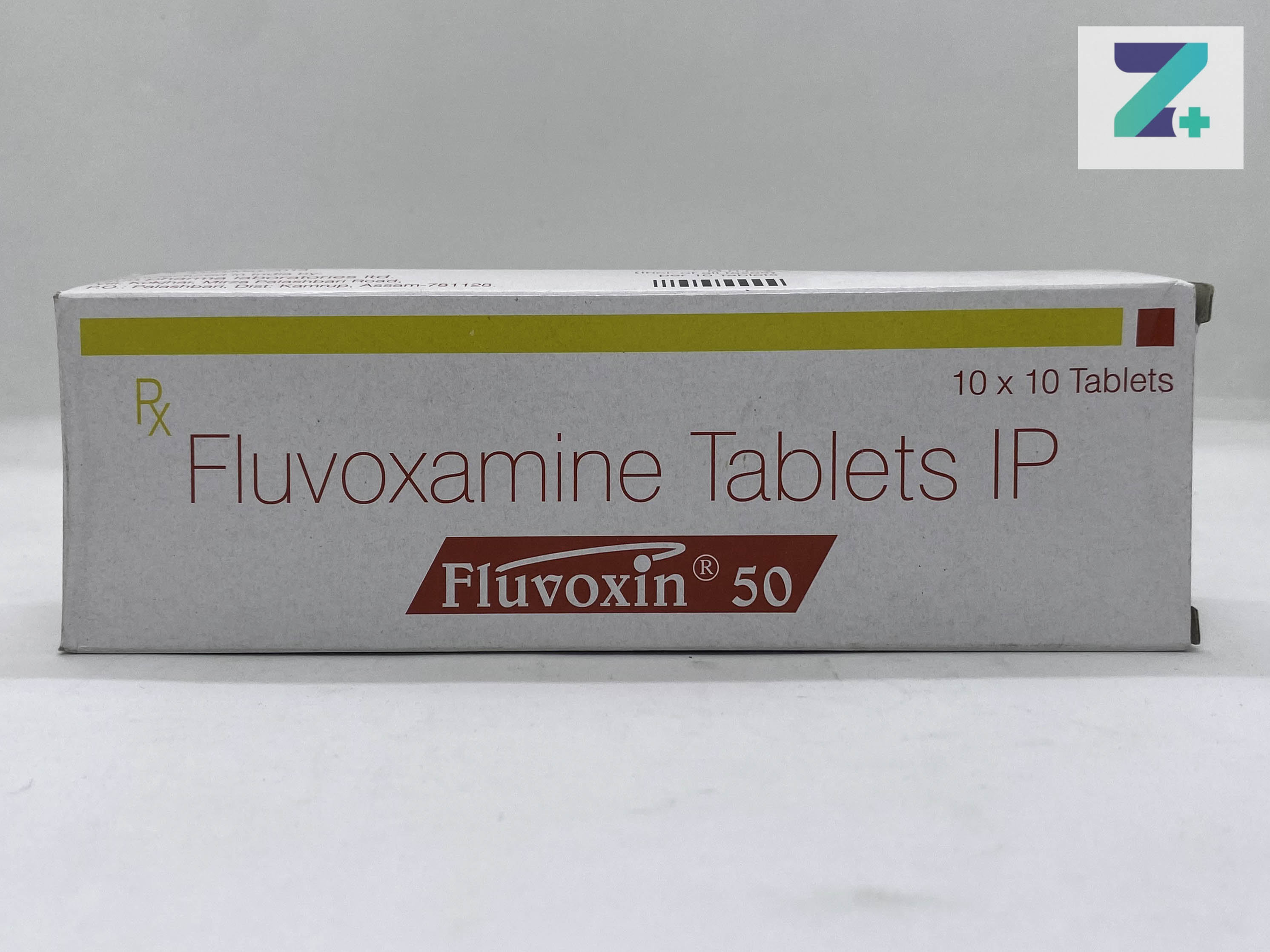
FLUVOXIN 50MG
Price: Rs.248.80
13% off
In stock
Loose stock: 0
Description
FLUVOXIN 50MG TAB 10
Details
Composition
FLUVOXAMINE MALEATE 50 MG
# Fluvoxamine Maleate 50 mg
## Short Description
**Fluvoxamine Maleate 50 mg** is a prescription **selective serotonin reuptake inhibitor (SSRI)** antidepressant. It is primarily used to treat **obsessive-compulsive disorder (OCD)** and may be prescribed for certain other anxiety or mood-related conditions depending on local approvals and clinical judgment.
Fluvoxamine works mainly by increasing the availability of **serotonin** in the brain, helping regulate obsessive thoughts, compulsive behaviors, anxiety and mood.
> **Important:** Fluvoxamine is available in different formulations, including immediate-release and extended-release products. Dosing instructions may differ between formulations.
---
## Key Benefits
* Helps reduce **obsessive thoughts and compulsive behaviors** associated with OCD.
* Supports improved control of anxiety symptoms in appropriate patients.
* Helps regulate serotonin signaling in the brain.
* May improve mood-related symptoms when prescribed for an appropriate condition.
* Can reduce the frequency and severity of OCD symptoms with regular treatment.
* Provides longer-term symptom control when taken consistently as prescribed.
---
## Uses / Indications
### 1. Obsessive-Compulsive Disorder (OCD)
Fluvoxamine is primarily used to treat **OCD**. It may help reduce:
* Recurrent intrusive thoughts
* Excessive fears or doubts
* Repetitive behaviors
* Compulsions
* Anxiety associated with obsessive thoughts
### 2. Other Conditions
Depending on the country, formulation and medical judgment, fluvoxamine may also be used for certain:
* Anxiety disorders
* Depressive symptoms
* Other obsessive or compulsive-spectrum conditions
> The approved indications vary by country and product. Use only for conditions diagnosed and treated by an appropriate healthcare professional.
---
## How It Works
Fluvoxamine is an **SSRI**.
It selectively blocks the reuptake of **serotonin (5-hydroxytryptamine)** by nerve cells. This increases serotonin availability between neurons.
Over time, changes in serotonin signaling can help regulate:
* Obsessive thoughts
* Compulsive behaviors
* Anxiety
* Mood
* Emotional responses
### Simple Mechanism
**Fluvoxamine → inhibits serotonin reuptake → increases serotonin signaling → helps reduce OCD and related symptoms.**
The therapeutic effect develops gradually and is not usually immediate.
---
## Dosage & Administration
> **The appropriate dose depends on the condition, formulation, age, response and other medicines being used.**
### Adults
For **immediate-release fluvoxamine**, treatment is commonly started at a lower dose and gradually increased according to response and tolerability.
A **50 mg tablet** may be used as an initial or maintenance dose in some patients.
For OCD, adult doses may be increased gradually under medical supervision when necessary.
### How to Take
* Take exactly as prescribed.
* Immediate-release tablets may be prescribed in divided doses.
* If the total daily dose is taken once daily, it is generally taken at bedtime.
* Take with or without food according to the product instructions.
* Take doses at consistent times.
* Swallow tablets with water.
### Extended-Release Products
Extended-release fluvoxamine products have different dosing instructions and should be taken according to their specific product information.
### Missed Dose
Take the missed dose when remembered unless it is nearly time for the next dose.
**Do not double the next dose.**
### Do Not Stop Suddenly
Abrupt discontinuation can cause withdrawal/discontinuation symptoms, including:
* Dizziness
* Nausea
* Headache
* Irritability
* Sleep disturbances
* Anxiety
* Sensory disturbances
A healthcare professional may gradually reduce the dose when stopping treatment.
---
## Side Effects
### Common Side Effects
Possible side effects include:
* Nausea
* Diarrhea
* Constipation
* Indigestion
* Headache
* Dizziness
* Drowsiness
* Insomnia
* Dry mouth
* Increased sweating
* Tremor
* Fatigue
* Decreased appetite
* Sexual dysfunction
Nausea and other gastrointestinal effects may be more noticeable when treatment is first started.
### Sexual Side Effects
Fluvoxamine can cause:
* Reduced sexual desire
* Difficulty achieving orgasm
* Delayed ejaculation
* Erectile difficulties
Discuss persistent sexual side effects with your healthcare professional.
### Serious Side Effects
Seek medical attention for:
* Severe allergic reaction
* Suicidal thoughts or significant worsening of mood
* Severe agitation or behavioral changes
* Seizures
* Unusual bleeding
* Severe confusion
* Severe weakness or fainting
### Serotonin Syndrome
Rarely, excessive serotonin activity can cause **serotonin syndrome**, especially when fluvoxamine is combined with other serotonergic medicines.
Symptoms may include:
* Agitation
* Confusion
* Sweating
* Fever
* Tremor
* Muscle rigidity
* Rapid heartbeat
* Diarrhea
Serotonin syndrome requires urgent medical attention.
---
## Precautions & Warnings
### Suicidal Thoughts
Antidepressants can increase the risk of **suicidal thoughts or unusual behavioral changes in children, adolescents and young adults**, particularly during early treatment or after dose changes.
Close monitoring is recommended when treatment is initiated or adjusted.
### Bipolar Disorder
Fluvoxamine can trigger **mania or hypomania** in susceptible individuals. Inform your healthcare professional about any history of bipolar disorder or manic episodes.
### Serotonin Syndrome
Avoid combining fluvoxamine with certain serotonergic medicines unless specifically directed by a healthcare professional.
### Bleeding Risk
SSRIs can increase bleeding risk, especially when combined with:
* Aspirin
* Ibuprofen
* Naproxen
* Diclofenac
* Warfarin
* Other anticoagulants or antiplatelet medicines
### Seizure Disorders
Use cautiously in people with a history of seizures.
### Liver Disease
Fluvoxamine is metabolized by the liver. Patients with liver impairment may require lower doses and careful monitoring.
### Hyponatremia
Rarely, SSRIs can cause **low blood sodium**, especially in older adults or people taking diuretics.
Symptoms can include:
* Headache
* Confusion
* Weakness
* Unsteadiness
* Seizures in severe cases
### Pregnancy
Tell your healthcare professional if you are pregnant or planning pregnancy. Fluvoxamine should be used during pregnancy only after considering the potential benefits and risks.
### Breastfeeding
Fluvoxamine passes into breast milk. Discuss treatment with your healthcare professional before breastfeeding while taking this medicine.
### Driving and Machinery
Fluvoxamine may cause drowsiness, dizziness or impaired concentration. Avoid driving or operating machinery until you know how it affects you.
---
## Drug Interactions
Fluvoxamine has **numerous clinically important drug interactions** because it strongly affects several liver enzymes involved in drug metabolism.
### MAO Inhibitors
Fluvoxamine must **not be used with MAO inhibitors** because of the risk of serious reactions, including serotonin syndrome.
### Other Serotonergic Medicines
The risk of serotonin syndrome may increase when combined with:
* Other antidepressants
* Tramadol
* Certain migraine medicines such as triptans
* Lithium
* St. John's wort
* Other serotonergic medicines
### Benzodiazepines
Fluvoxamine can increase the effects or blood levels of certain benzodiazepines, potentially causing excessive sedation.
### Warfarin and Anticoagulants
Fluvoxamine may increase bleeding risk when used with **warfarin or other anticoagulants**.
### Caffeine
Fluvoxamine can substantially slow caffeine metabolism. Excessive caffeine intake may therefore cause:
* Nervousness
* Tremor
* Insomnia
* Rapid heartbeat
Reducing caffeine intake may be advisable.
### Theophylline
Fluvoxamine can significantly increase theophylline concentrations and may cause toxicity.
### Certain Benzodiazepines and Other Medicines
Fluvoxamine can increase blood levels of several medicines metabolized by **CYP1A2, CYP2C19 and other metabolic pathways**.
> Because fluvoxamine has extensive drug-interaction potential, always provide your doctor or pharmacist with a complete list of prescription medicines, OTC medicines, vitamins, supplements and herbal products.
---
## Storage Information
* Store at **room temperature**, according to the manufacturer's instructions.
* Protect from excessive heat and moisture.
* Keep away from direct sunlight.
* Keep tablets in their original packaging.
* Keep the container tightly closed.
* Keep out of reach of children.
* Do not use after the expiry date.
* Do not use tablets if the packaging is damaged or the medicine appears abnormal.
---
## Prescription Status
**Fluvoxamine Maleate 50 mg is generally a prescription-only medicine.**
Because it affects serotonin levels and has numerous clinically important drug interactions, treatment should be initiated and monitored by an appropriately qualified healthcare professional.
---
## Genuine Medicine Assurance
When purchasing **Fluvoxamine Maleate 50 mg**:
* Purchase only from a **licensed and reputable pharmacy**.
* Verify the active ingredient and **50 mg strength**.
* Check whether the product is immediate-release or extended-release.
* Verify the manufacturer's name and regulatory information.
* Check the batch/lot number and expiry date.
* Ensure the packaging is sealed and undamaged.
* Check the tablets and packaging against the manufacturer's information.
* Avoid products with altered labels, spelling errors or suspicious packaging.
* Do not purchase prescription antidepressants from unauthorized sellers.
* Keep the medicine in its original packaging.
* If counterfeit medicine is suspected, contact the manufacturer, licensed pharmacy or relevant medicines regulatory authority.
---
# Frequently Asked Questions (FAQ)
### 1. What is Fluvoxamine Maleate 50 mg used for?
Fluvoxamine Maleate 50 mg is primarily used to treat **obsessive-compulsive disorder (OCD)**. Depending on the country and clinical circumstances, it may also be used for certain other anxiety or mood-related conditions.
### 2. Is Fluvoxamine an antidepressant?
Yes. Fluvoxamine is an **SSRI antidepressant**, although its primary approved use in many countries is the treatment of OCD.
### 3. How does Fluvoxamine work?
It inhibits serotonin reuptake in the brain, increasing serotonin signaling and helping regulate obsessive thoughts, compulsive behaviors and anxiety.
### 4. How long does Fluvoxamine take to work?
Some symptoms may begin improving after several weeks, but OCD often requires **several weeks or longer** before the full benefit becomes apparent.
### 5. Can Fluvoxamine treat anxiety?
Fluvoxamine has effects on anxiety and may be prescribed for certain anxiety-related conditions depending on local approvals and clinical judgment.
### 6. Can Fluvoxamine treat depression?
It may be used for depressive symptoms in some clinical settings, but its approved indications vary by country. Your healthcare professional should determine whether it is appropriate.
### 7. Can Fluvoxamine cause sleepiness?
Yes. **Drowsiness or fatigue** can occur. Some patients may instead experience insomnia.
### 8. Can Fluvoxamine cause nausea?
Yes. Nausea is one of the more commonly reported side effects, especially during the early stages of treatment.
### 9. Can Fluvoxamine cause sexual side effects?
Yes. Reduced libido, delayed orgasm and other sexual difficulties can occur with SSRI treatment.
### 10. Can Fluvoxamine be stopped suddenly?
Abrupt discontinuation is generally not recommended. Stopping suddenly may cause **discontinuation symptoms**, so the dose may need to be reduced gradually under medical supervision.
### 11. Can Fluvoxamine be taken with alcohol?
Alcohol may increase drowsiness and impair concentration or judgment. It is advisable to discuss alcohol use with your healthcare professional.
### 12. Can Fluvoxamine be taken with caffeine?
Fluvoxamine can significantly slow caffeine metabolism. Large amounts of caffeine may therefore cause stronger effects such as **jitteriness, insomnia, tremor or rapid heartbeat**.
### 13. Can Fluvoxamine be taken with other antidepressants?
Some combinations can be dangerous, particularly combinations involving **MAO inhibitors or other serotonergic medicines**. Never combine antidepressants without medical supervision.
### 14. Can Fluvoxamine be taken with Tramadol?
The combination can increase the risk of **serotonin syndrome and seizures**. It should only be used together when specifically evaluated and prescribed by a healthcare professional.
### 15. Can Fluvoxamine be taken with Warfarin?
Fluvoxamine may increase bleeding risk and can affect anticoagulant therapy. Patients taking warfarin require appropriate medical monitoring.
### 16. Is Fluvoxamine addictive?
Fluvoxamine is **not considered an addictive medicine**, but physical discontinuation symptoms can occur if treatment is stopped abruptly.
### 17. Can Fluvoxamine be used during pregnancy?
It may be used when clinically necessary, but potential benefits and risks should be carefully discussed with a healthcare professional.
### 18. Can Fluvoxamine be used while breastfeeding?
Fluvoxamine passes into breast milk. Consult a healthcare professional to determine whether it is appropriate for you and your baby.
### 19. What should I do if I miss a Fluvoxamine dose?
Take the missed dose when remembered unless it is nearly time for the next dose. **Do not double the next dose.**
### 20. Is Fluvoxamine Maleate 50 mg available without a prescription?
Fluvoxamine is generally a **prescription medicine**, although dispensing requirements may vary between countries.
---
## Medical Disclaimer
This information about **Fluvoxamine Maleate 50 mg** is provided for educational and general informational purposes only. It is **not a substitute for professional medical advice, diagnosis or treatment**.
Fluvoxamine has significant potential for drug interactions, including interactions with **MAO inhibitors, serotonergic medicines, anticoagulants, benzodiazepines, theophylline and caffeine**. Always provide your healthcare professional with a complete list of medicines and supplements you use.
Seek urgent medical attention for **suicidal thoughts, severe allergic reactions, seizures, unusual bleeding or symptoms suggestive of serotonin syndrome**.
Do not start, stop or change the dose of fluvoxamine without professional medical guidance. Do not discontinue treatment abruptly after regular use. Always follow the **specific product label and your healthcare professional's treatment plan**.