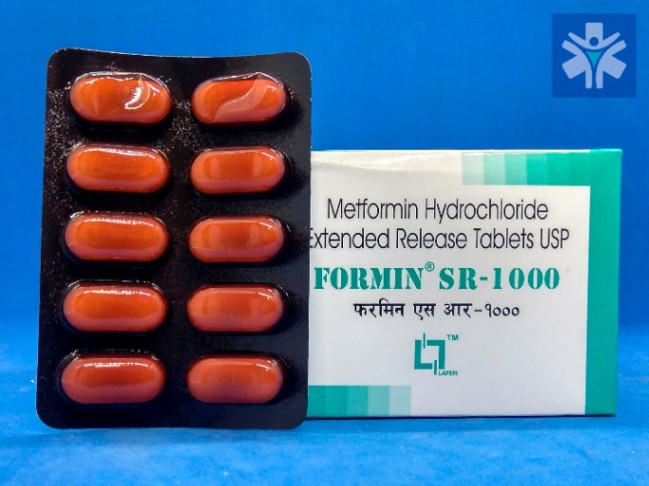
FORMIN SR-1000
Price: Rs.60.00
15% off
In stock
Loose stock: 0
Description
FORMIN SR-1000 TAB 10
Details
Composition
METFORMIN 1000 MG
# Metformin 1000 mg
## Short Description
**Metformin 1000 mg** is an oral **antidiabetic medicine** belonging to the biguanide class. It is primarily used to help control **blood glucose levels in people with type 2 diabetes mellitus**, along with a healthy diet and regular physical activity.
Metformin mainly works by reducing glucose production by the liver and improving the body's sensitivity to insulin. It generally does **not cause low blood sugar when used alone**, although hypoglycemia can occur when it is combined with insulin or certain other diabetes medicines.
> **Important:** Metformin 1000 mg is not a substitute for a diabetes-friendly diet, physical activity, or regular blood-glucose monitoring.
---
# Key Benefits
* Helps lower and control **blood glucose levels** in type 2 diabetes.
* Reduces excessive glucose production by the liver.
* Improves the body's response to insulin.
* Helps reduce insulin resistance.
* Generally has a **low risk of hypoglycemia when used alone**.
* Usually does not cause weight gain and may be associated with modest weight reduction in some patients.
* Can be used alone or together with other diabetes medicines when prescribed.
---
# Uses / Indications
### 1. Type 2 Diabetes Mellitus
Metformin is primarily used to improve blood glucose control in adults and, depending on the formulation and local approval, children with **type 2 diabetes**.
It is commonly combined with:
* Diet and exercise
* Other oral antidiabetic medicines
* Injectable diabetes medicines
* Insulin, when required
### 2. Other Uses
Doctors may sometimes prescribe metformin for other conditions **off-label**, such as certain insulin-resistance-related conditions. Such use should only be determined by a qualified healthcare professional.
### Important
Metformin is **not used to treat type 1 diabetes as a replacement for insulin**.
---
# How It Works
Metformin works through several mechanisms to improve blood glucose control.
### Reduces Liver Glucose Production
Metformin decreases the amount of glucose produced and released by the liver, helping reduce fasting blood glucose.
### Improves Insulin Sensitivity
It improves the body's response to insulin, allowing tissues to use glucose more effectively.
### Reduces Intestinal Glucose Absorption
Metformin may also modestly reduce the absorption of glucose from the intestine.
### Overall Effect
These actions help lower blood glucose and improve overall glycemic control without directly stimulating the pancreas to release large amounts of insulin.
---
# Dosage & Administration
**Take Metformin 1000 mg exactly as prescribed by your doctor.**
The appropriate dose depends on:
* Blood glucose levels
* Kidney function
* Age
* Other diabetes medicines
* The specific metformin formulation
* Individual response and tolerability
### Important About the 1000 mg Strength
A **1000 mg tablet does not necessarily mean that 1000 mg should be taken at one time or that it is the appropriate starting dose**.
Metformin is often started at a lower dose and gradually increased to reduce gastrointestinal side effects.
### How to Take
* Take metformin **with meals** to reduce stomach-related side effects.
* Swallow tablets with water.
* If prescribed more than once daily, follow the scheduled dosing times.
* Do not crush, split, or chew **extended-release tablets** unless the specific product instructions allow it.
* Take the medicine consistently every day.
### Missed Dose
If you miss a dose, take it when you remember with food unless it is nearly time for your next scheduled dose.
**Do not take a double dose** to compensate for a missed dose.
### Kidney Function
Kidney function should be assessed before and during treatment. Metformin may need to be discontinued or adjusted in patients with significant renal impairment.
---
# Side Effects
## Common Side Effects
The most common side effects are gastrointestinal and may improve as the body adjusts to treatment:
* Nausea
* Diarrhea
* Stomach discomfort
* Abdominal pain
* Gas or bloating
* Loss of appetite
* Metallic taste
Taking metformin with meals and gradually increasing the dose can help reduce these effects.
## Long-Term Use
Long-term metformin treatment may be associated with **vitamin B12 deficiency** in some patients.
Your healthcare professional may recommend periodic B12 assessment, particularly if you develop:
* Anemia
* Numbness or tingling
* Unusual fatigue
* Weakness
## Serious Side Effect: Lactic Acidosis
A rare but potentially life-threatening complication called **lactic acidosis** can occur.
Seek urgent medical attention if you develop symptoms such as:
* Severe weakness
* Unusual sleepiness
* Trouble breathing
* Persistent vomiting
* Severe abdominal discomfort
* Muscle pain
* Feeling unusually cold
* Slow or irregular heartbeat
* Significant dizziness
The risk is higher in certain patients, particularly those with significant kidney impairment or conditions associated with poor oxygenation or impaired metabolism.
---
# Precautions & Warnings
### 1. Kidney Disease
Metformin is eliminated primarily through the kidneys.
Your doctor should assess kidney function before starting treatment and periodically thereafter.
Metformin is **contraindicated in severe renal impairment** and may need to be withheld in certain circumstances involving reduced kidney function.
### 2. Liver Disease
Tell your doctor if you have significant liver disease because it may increase the risk of lactic acidosis.
### 3. Dehydration
Severe dehydration caused by:
* Persistent vomiting
* Severe diarrhea
* High fever
* Reduced fluid intake
can increase the risk of kidney problems and metformin-associated lactic acidosis.
Seek medical advice during significant illness.
### 4. Surgery
Your doctor may temporarily stop metformin around certain surgical procedures, particularly when food and fluid intake are restricted.
### 5. Iodinated Contrast
Metformin may need to be temporarily withheld around certain **iodinated contrast imaging procedures**, depending on kidney function and the specific clinical circumstances.
Tell your doctor or radiologist that you take metformin before a contrast-enhanced examination.
### 6. Alcohol
Avoid excessive alcohol consumption because it can increase the risk of **lactic acidosis** and may also interfere with blood glucose control.
### 7. Vitamin B12
Long-term treatment may reduce vitamin B12 levels in some patients. Periodic monitoring may be appropriate, especially if symptoms of deficiency occur.
### 8. Type 1 Diabetes
Metformin should not replace insulin in people with **type 1 diabetes**.
### 9. Pregnancy
If you are pregnant or planning pregnancy, discuss your diabetes treatment with your healthcare professional. Treatment choices may need to be reviewed during pregnancy.
### 10. Hypoglycemia
Metformin alone usually has a low risk of causing hypoglycemia. However, low blood sugar can occur when it is combined with **insulin or insulin-releasing medicines such as sulfonylureas**.
---
# Drug Interactions
Tell your doctor or pharmacist about all medicines, vitamins, and supplements you take.
### Iodinated Contrast Media
Certain contrast agents used for imaging can temporarily increase the risk of kidney problems and may require metformin to be withheld depending on the clinical situation and kidney function.
### Alcohol
Excessive alcohol consumption can increase the risk of **lactic acidosis** and may affect blood glucose levels.
### Insulin and Sulfonylureas
Combining metformin with insulin or medicines such as glimepiride or gliclazide can increase the risk of **hypoglycemia**.
### Certain Diuretics
Some diuretics can affect kidney function or blood glucose control, which may influence metformin treatment.
### Cimetidine and Other Medicines
Certain medicines can alter metformin elimination or affect kidney function. Always inform your healthcare professional about all medicines you take.
### Other Diabetes Medicines
Metformin is frequently combined with other diabetes treatments, but doses may need adjustment to maintain safe blood glucose levels.
---
# Storage Information
* Store at **room temperature**, according to the manufacturer's instructions.
* Keep tablets in their original packaging.
* Protect from excessive heat, moisture, and direct sunlight.
* Keep the container tightly closed.
* Keep out of reach of children.
* Do not use after the expiry date.
* Do not use tablets if the packaging is damaged or the tablets appear abnormal.
Always follow the storage instructions printed on the specific product package.
---
# Prescription Status
**Metformin 1000 mg is generally a prescription medicine.**
It should be used under the supervision of a qualified healthcare professional, particularly because the appropriate dose depends on blood glucose control, kidney function, other medicines, and the specific formulation.
Prescription requirements may vary according to country and local regulations.
---
# Genuine Medicine Assurance
When purchasing **Metformin 1000 mg**, ensure that:
* You purchase it from a **licensed pharmacy or authorized medicine supplier**.
* The packaging is sealed and undamaged.
* The manufacturer's name and product information are clearly printed.
* The **batch/lot number, manufacturing date, and expiry date** are readable.
* The strength is clearly stated as **1000 mg**.
* Tablets appear intact and normal.
* You retain the pharmacy invoice or receipt where possible.
* Avoid medicines from unauthorized or suspicious sellers.
* Where available, verify the product through the manufacturer's or relevant medicines regulatory authority's authentication system.
---
# FAQ – Metformin 1000 mg
### 1. What is Metformin 1000 mg used for?
Metformin 1000 mg is primarily used to help control **high blood sugar in people with type 2 diabetes**, together with diet and exercise.
### 2. Is Metformin an insulin?
**No.** Metformin is not insulin. It is an oral antidiabetic medicine that improves insulin sensitivity and reduces glucose production by the liver.
### 3. How does Metformin 1000 mg work?
Metformin mainly reduces **glucose production by the liver** and improves the body's sensitivity to insulin, helping glucose move into tissues more effectively.
### 4. Is 1000 mg of Metformin a high dose?
1000 mg is a commonly used tablet strength, but the appropriate total daily dose varies between patients. Some people start with lower doses and gradually increase the dose to improve tolerability.
### 5. Should Metformin 1000 mg be taken with food?
Yes. Taking metformin **with meals** can help reduce nausea, diarrhea, and other gastrointestinal side effects.
### 6. Does Metformin cause low blood sugar?
When used alone, metformin generally has a **low risk of hypoglycemia**. The risk can increase when it is combined with insulin or certain other diabetes medicines.
### 7. Does Metformin cause weight gain?
Metformin generally does **not cause significant weight gain** and some patients may experience modest weight loss. Individual responses vary.
### 8. Can Metformin be used for type 1 diabetes?
Metformin does not replace insulin and is **not a primary treatment for type 1 diabetes**.
### 9. Can Metformin be taken during pregnancy?
Diabetes treatment during pregnancy should be individualized. If you are pregnant or planning pregnancy, discuss metformin and your overall diabetes treatment plan with your doctor.
### 10. Can Metformin be taken with alcohol?
Excessive alcohol should be avoided because it can increase the risk of **lactic acidosis** and may adversely affect blood glucose control.
### 11. Why does Metformin cause diarrhea?
Metformin can affect the gastrointestinal tract and cause **diarrhea, nausea, gas, and abdominal discomfort**, especially when treatment is started or the dose is increased.
### 12. How can I reduce Metformin stomach side effects?
Taking metformin with meals, starting at a lower dose, and gradually increasing the dose can improve tolerability. Some patients may also tolerate an extended-release formulation better.
### 13. Can Metformin cause vitamin B12 deficiency?
Yes. Long-term metformin use can reduce vitamin B12 levels in some people. Your healthcare professional may recommend monitoring B12, especially if you have symptoms suggestive of deficiency.
### 14. Can Metformin damage the kidneys?
Metformin itself is not generally considered directly toxic to healthy kidneys. However, because it is eliminated by the kidneys, **significant kidney impairment can cause metformin accumulation** and increase the risk of lactic acidosis.
### 15. Can I stop Metformin when my blood sugar becomes normal?
Do not stop metformin without consulting your doctor. Normal blood glucose may indicate that your treatment and lifestyle measures are working.
### 16. What happens if I miss a Metformin dose?
Take the missed dose when remembered with food unless it is nearly time for the next dose. **Do not take two doses together.**
### 17. Does Metformin cure diabetes?
Metformin **controls blood glucose but does not permanently cure type 2 diabetes**. Diabetes management usually involves long-term lifestyle measures and, when necessary, ongoing medication.
### 18. Can Metformin be used for prediabetes?
In some people at high risk of developing type 2 diabetes, healthcare professionals may prescribe metformin to help reduce progression to diabetes. This is a medical decision based on individual risk factors.
### 19. Can Metformin be taken with other diabetes medicines?
Yes. Metformin is frequently combined with other diabetes medicines or insulin when additional blood-glucose control is required.
### 20. What is Metformin-associated lactic acidosis?
Lactic acidosis is a **rare but serious complication** involving excessive accumulation of lactic acid in the blood. The risk is higher in certain patients, particularly those with severe kidney impairment or conditions associated with poor oxygenation. Severe weakness, breathing difficulty, persistent vomiting, unusual sleepiness, or feeling very unwell requires urgent medical attention.
---
# Medical Disclaimer
**This information is provided for educational and informational purposes only and is not a substitute for professional medical advice, diagnosis, or treatment.**
Metformin 1000 mg should be used according to the instructions of a qualified healthcare professional and the specific product label. The appropriate dose depends on the patient's blood glucose levels, kidney function, age, other medicines, and formulation.
Metformin requires particular caution in people with **significant kidney impairment, severe dehydration, certain acute illnesses, or conditions associated with reduced oxygenation**. It may also need to be temporarily withheld around certain iodinated contrast procedures.
Do not start, stop, or change your metformin dose without medical advice. If you develop severe weakness, difficulty breathing, persistent vomiting, unusual sleepiness, severe abdominal symptoms, or other symptoms suggestive of a serious reaction, seek **urgent medical attention**.