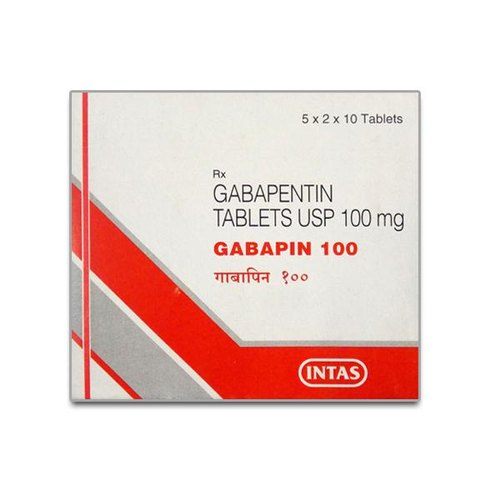
GABAPIN 100MG
Price: Rs.246.00
10% off
In stock
Loose stock: 0
Description
GABAPIN 100MG TAB 15
Details
Composition
GABAPENTIN 100 MG
# Gabapentin 100 mg
## Short Description
**Gabapentin 100 mg** is a prescription medicine classified as an **anticonvulsant** and commonly used for certain types of **nerve pain (neuropathic pain)** and as an **add-on treatment for partial-onset seizures**. It works by reducing excessive nerve signaling in the nervous system.
Gabapentin 100 mg is often used as a **low starting strength**, allowing healthcare professionals to gradually adjust the dose according to the patient's condition, response, and tolerability.
---
# Key Benefits
* Helps relieve certain types of **neuropathic (nerve) pain**.
* Used as an adjunctive treatment for certain **partial-onset seizures**.
* May help reduce burning, shooting, tingling, or electric-shock-like nerve pain.
* 100 mg strength can be useful when **starting treatment or gradually adjusting the dose**.
* Can be used as part of a broader treatment plan under medical supervision.
> **Important:** Gabapentin is not an ordinary painkiller and may not be effective for all types of pain.
---
# Uses / Indications
### 1. Neuropathic Pain
Gabapentin may be prescribed for certain nerve-related pain conditions, including pain associated with:
* Diabetic neuropathy
* Post-herpetic neuralgia (nerve pain following shingles)
* Other forms of peripheral neuropathic pain, depending on clinical judgment and local approvals
Symptoms may include:
* Burning
* Tingling
* Numbness
* Shooting or electric-shock-like pain
### 2. Partial-Onset Seizures
Gabapentin can be used as **add-on therapy for partial-onset seizures** in appropriate patients.
### Important
Gabapentin's approved uses vary between countries. A doctor should determine whether gabapentin is appropriate for the specific condition being treated.
---
# How It Works
Gabapentin is structurally related to the neurotransmitter **GABA**, but it does **not** work by directly activating GABA receptors.
It primarily binds to the **alpha-2-delta subunit of voltage-gated calcium channels** in the nervous system.
This reduces the release of certain excitatory neurotransmitters and decreases excessive nerve signaling.
As a result, gabapentin can help:
* Reduce abnormal neuronal activity associated with seizures.
* Decrease excessive pain signaling in certain neuropathic pain conditions.
---
# Dosage & Administration
**Take Gabapentin 100 mg exactly as prescribed by your healthcare professional.**
The appropriate dose varies depending on:
* The condition being treated
* Age
* Kidney function
* Other medicines being taken
* Individual response and tolerability
### General Administration
* Gabapentin may be taken **with or without food**.
* Swallow capsules/tablets with water.
* Take doses at evenly spaced times as directed.
* Do not change the dose without medical advice.
* Gabapentin is often started at a low dose and **gradually increased** to reduce side effects.
### Kidney Function
Gabapentin is eliminated primarily through the kidneys. Patients with reduced kidney function may require **lower doses or longer intervals between doses**.
### Missed Dose
Take the missed dose when remembered unless it is close to the next scheduled dose.
**Do not take two doses together** to make up for a missed dose.
### Do Not Stop Suddenly
Gabapentin should generally **not be stopped abruptly**, especially when used for seizure control or after prolonged treatment.
Sudden discontinuation may cause withdrawal symptoms and, in patients with epilepsy, may increase seizure frequency.
Your doctor can gradually reduce the dose when discontinuation is appropriate.
---
# Side Effects
## Common Side Effects
Possible side effects include:
* Drowsiness
* Dizziness
* Fatigue
* Sleepiness
* Unsteadiness or poor coordination
* Blurred or double vision
* Headache
* Nausea
* Dry mouth
* Swelling of the hands, feet, or ankles
* Weight gain
These effects may be more noticeable when treatment is first started or when the dose is increased.
## Serious Side Effects
Seek medical attention if you develop:
* Difficulty breathing
* Severe or persistent swelling
* Severe rash or allergic reaction
* Extreme sleepiness or difficulty waking
* Significant confusion
* New or worsening depression
* Suicidal thoughts or unusual behavioral changes
### Respiratory Depression
Gabapentin can cause **serious breathing problems**, particularly when combined with opioids or other medicines that depress the central nervous system, or in people with respiratory risk factors.
Seek urgent medical attention for slow, shallow, or difficult breathing.
---
# Precautions & Warnings
### 1. Drowsiness and Dizziness
Gabapentin may cause drowsiness, dizziness, blurred vision, and impaired coordination.
Avoid driving or operating machinery until you know how the medicine affects you.
### 2. Alcohol
Alcohol can increase the sedative effects of gabapentin.
Avoid or limit alcohol according to your healthcare professional's advice.
### 3. Opioids and Other Sedatives
Combining gabapentin with opioids, sleeping medicines, benzodiazepines, or other central nervous system depressants may increase the risk of **severe sedation and respiratory depression**.
### 4. Kidney Disease
Tell your doctor if you have kidney disease. Gabapentin is eliminated through the kidneys, and the dose may need adjustment.
### 5. Depression and Suicidal Thoughts
Antiepileptic medicines, including gabapentin, have been associated with an increased risk of **suicidal thoughts or behavior** in some patients.
Report significant changes in mood, behavior, or thoughts of self-harm to a healthcare professional promptly.
### 6. Allergic Reactions
Rarely, gabapentin can cause serious hypersensitivity reactions. Seek immediate medical help if you develop:
* Rash
* Fever
* Swollen lymph nodes
* Facial swelling
* Difficulty breathing
* Severe skin reactions
### 7. Dependence and Misuse
Gabapentin can be misused or cause physical dependence in some individuals. Take it only as prescribed and **never share it with another person**.
### 8. Pregnancy and Breastfeeding
Tell your doctor if you are pregnant, planning pregnancy, or breastfeeding. Your healthcare professional will assess the benefits and potential risks before recommending treatment.
---
# Drug Interactions
Gabapentin has relatively few metabolic drug interactions because it is not significantly metabolized by the liver. However, important interactions can occur.
### Antacids
Aluminum- or magnesium-containing antacids can reduce gabapentin absorption.
It is generally recommended to separate gabapentin from such antacids by **at least 2 hours**.
### Opioids
Medicines such as morphine, oxycodone, tramadol, and other opioids may increase gabapentin-related **sedation and respiratory depression**.
### Other CNS Depressants
Additional sedation may occur with:
* Benzodiazepines
* Sleeping medicines
* Sedating antihistamines
* Certain antidepressants
* Other medicines that cause drowsiness
* Alcohol
Tell your doctor or pharmacist about **all prescription medicines, OTC medicines, vitamins, and herbal supplements** you use.
---
# Storage Information
* Store at **room temperature**, according to the manufacturer's instructions.
* Keep the medicine in its original packaging.
* Protect from excessive heat, moisture, and direct sunlight.
* Keep the container tightly closed.
* Keep out of reach of children.
* Do not use after the expiry date.
* Do not use capsules/tablets if the packaging is damaged or the medicine appears abnormal.
Always follow the storage instructions printed on the specific product packaging.
---
# Prescription Status
**Gabapentin 100 mg is generally a prescription medicine.**
Prescription and controlled-drug requirements vary by country and jurisdiction. Because gabapentin can cause drowsiness and has potential for misuse or dependence in some people, it should be used under appropriate medical supervision.
For Nepal, dispensing should follow applicable local medicine regulations and the registered status of the specific product.
---
# Genuine Medicine Assurance
When purchasing **Gabapentin 100 mg**, ensure that:
* You purchase it from a **licensed pharmacy or authorized medicine supplier**.
* The package is properly sealed and undamaged.
* The manufacturer's name and product information are clearly printed.
* The **batch/lot number, manufacturing date, and expiry date** are present and readable.
* The strength is clearly marked as **100 mg**.
* The capsules/tablets appear normal and are not damaged.
* You retain the pharmacy invoice or receipt where possible.
* Avoid purchasing prescription medicines from unverified sellers.
* Where available, verify the product through the manufacturer's or relevant medicines regulatory authority's authentication system.
---
# FAQ – Gabapentin 100 mg
### 1. What is Gabapentin 100 mg used for?
Gabapentin 100 mg is commonly used for certain types of **nerve pain** and as an **add-on treatment for partial-onset seizures**. Approved uses vary by country.
### 2. Is Gabapentin a painkiller?
Gabapentin is **not a conventional painkiller** like paracetamol or ibuprofen. It works primarily by reducing abnormal nerve signaling and is particularly useful for certain types of neuropathic pain.
### 3. What types of pain does Gabapentin treat?
It may help certain **neuropathic pain**, which can feel like burning, tingling, shooting, stabbing, or electric shocks. It is not equally effective for all types of pain.
### 4. How does Gabapentin work?
Gabapentin binds to the **alpha-2-delta subunit of voltage-gated calcium channels**, reducing excessive nerve signaling involved in seizures and certain forms of nerve pain.
### 5. Is Gabapentin 100 mg a low dose?
**100 mg is a relatively low strength** and may be used when initiating treatment or adjusting the dose. The appropriate total daily dose depends on the patient's condition and kidney function.
### 6. Can Gabapentin be taken with food?
Yes. Gabapentin can generally be taken **with or without food**.
### 7. Does Gabapentin cause sleepiness?
Yes. **Drowsiness and dizziness** are common side effects, particularly when treatment is started or the dose is increased.
### 8. Can I drive while taking Gabapentin?
Gabapentin may impair alertness, coordination, and reaction time. Avoid driving or operating machinery until you know how the medicine affects you.
### 9. Can I drink alcohol while taking Gabapentin?
Alcohol can increase drowsiness and other central nervous system effects. It is advisable to avoid or limit alcohol and follow your healthcare professional's advice.
### 10. Can Gabapentin be taken with opioids?
It can sometimes be prescribed with opioids, but the combination can increase the risk of **sedation and respiratory depression**. Your doctor should determine whether the combination is appropriate.
### 11. Can Gabapentin be stopped suddenly?
It is generally better **not to stop gabapentin abruptly**, particularly if it is being used for seizures or after prolonged treatment. A doctor can gradually reduce the dose when appropriate.
### 12. Does Gabapentin cause dependence?
Gabapentin can cause **physical dependence and may be misused** in some people. Take it exactly as prescribed and do not share it with others.
### 13. Can Gabapentin cause weight gain?
Yes. **Weight gain** can occur in some people taking gabapentin. If weight gain is significant or rapid, discuss it with your healthcare professional.
### 14. Can people with kidney disease take Gabapentin?
Yes, but the dose may need to be adjusted because gabapentin is primarily eliminated by the kidneys. Tell your doctor if you have kidney disease.
### 15. Can Gabapentin be used during pregnancy?
If you are pregnant or planning pregnancy, discuss gabapentin with your doctor. Do not stop treatment suddenly without medical advice, particularly if it is being used for seizure control.
### 16. Can Gabapentin be used while breastfeeding?
Gabapentin passes into breast milk. Your healthcare professional can assess whether the benefits of treatment outweigh potential risks for the infant.
### 17. What happens if I miss a dose of Gabapentin?
Take the missed dose when you remember unless it is close to the next scheduled dose. **Do not take a double dose.**
### 18. Does Gabapentin cure nerve pain?
Gabapentin can help **manage neuropathic pain**, but it does not necessarily cure the underlying cause of nerve damage.
### 19. Can Gabapentin be used for anxiety?
Gabapentin is **not universally approved as a treatment for anxiety**. Some doctors may use it off-label in selected situations, but it should not be self-medicated for anxiety.
### 20. What should I do if Gabapentin causes severe sleepiness or breathing problems?
Seek urgent medical attention if you experience **extreme sedation, difficulty waking, slow or shallow breathing, or significant breathing difficulty**, especially if gabapentin is being taken with opioids or other sedating medicines.
---
# Medical Disclaimer
**This information is provided for educational and informational purposes only and is not a substitute for professional medical advice, diagnosis, or treatment.**
Gabapentin 100 mg should be used only according to the instructions of a qualified healthcare professional and the specific product label. Dosage requirements vary according to the condition being treated, age, kidney function, other medicines, and individual response.
Gabapentin may cause **drowsiness, dizziness, impaired coordination, dependence, and potentially serious respiratory depression**, particularly when combined with opioids or other central nervous system depressants.
Do not start, stop, increase, or decrease gabapentin without medical advice. If you experience severe allergic symptoms, extreme sedation, breathing difficulties, or significant changes in mood or behavior, seek immediate medical attention.