GLIMIPREX MF FORTE 1MG
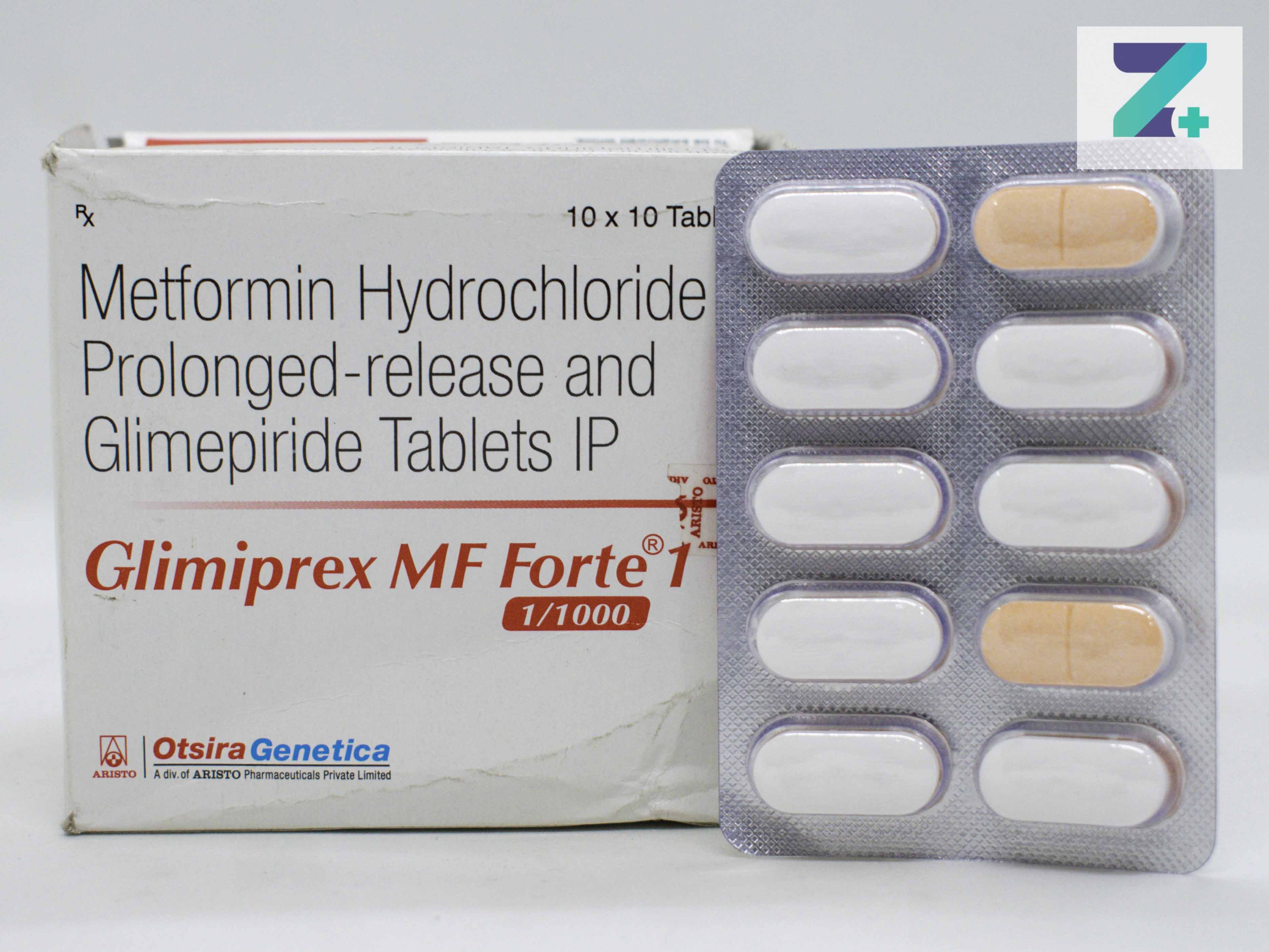
Price: Rs.137.92
13% off
In stock
Loose stock: 0
Description
GLIMIPREX MF FORTE 1MG TAB 10
Details
Composition
GLIMEPIRIDE 1 MG,METFORMIN 1000 MG
# Glimepiride 1 mg + Metformin 1000 mg
## SHORT DESCRIPTION
Glimepiride 1 mg + Metformin 1000 mg is an **oral antidiabetic combination medicine** used to help control blood glucose levels in adults with **Type 2 diabetes mellitus** when diet, exercise, or a single medicine does not provide adequate control.
Glimepiride belongs to the **sulfonylurea** class, while metformin belongs to the **biguanide** class. Together, they help lower blood sugar through complementary mechanisms.
## KEY BENEFITS
* Helps improve **blood glucose control** in Type 2 diabetes
* Reduces elevated blood sugar levels
* Helps control blood glucose throughout the day
* Glimepiride stimulates the pancreas to release insulin
* Metformin reduces glucose production by the liver
* May improve the body's response to insulin
* Can be used when combination therapy is required
## USES / INDICATIONS
Glimepiride + Metformin may be prescribed for:
* **Type 2 diabetes mellitus**
* Inadequately controlled blood glucose despite diet and exercise
* Patients requiring treatment with both a sulfonylurea and metformin
* Combination treatment when a single oral antidiabetic medicine is insufficient
This medicine is **not intended for treating Type 1 diabetes or diabetic ketoacidosis**.
## HOW IT WORKS
### Glimepiride
Glimepiride is a **sulfonylurea** that stimulates the pancreas to release insulin. Increased insulin availability helps glucose move from the bloodstream into cells, lowering blood glucose.
### Metformin
Metformin primarily:
* Reduces glucose production by the liver
* Improves insulin sensitivity
* Reduces intestinal glucose absorption to a smaller extent
Together, the two medicines help lower blood glucose through different mechanisms.
## DOSAGE & ADMINISTRATION
* Take this medicine exactly as prescribed by your doctor.
* The dose is individualized according to blood glucose levels, response to treatment, kidney function and previous diabetes therapy.
* It is generally taken **with or immediately after a meal** to reduce the risk of stomach upset and hypoglycemia.
* Swallow the tablet with water if it is an oral tablet.
* Do not crush or chew modified-release formulations unless specifically instructed.
* Take it at the same time each day for consistent blood glucose control.
* Follow your prescribed diet and exercise program.
* Do not change the dose or stop treatment without medical advice.
### Missed Dose
Take the missed dose with food when remembered unless it is nearly time for the next scheduled dose. **Do not take a double dose.**
## SIDE EFFECTS
Common side effects may include:
* Nausea
* Diarrhea
* Abdominal discomfort
* Vomiting
* Loss of appetite
* Metallic taste
* Headache
* Dizziness
* Weight gain
* **Low blood sugar (hypoglycemia)**
### Symptoms of Hypoglycemia
Watch for:
* Sweating
* Shaking
* Hunger
* Dizziness
* Weakness
* Headache
* Fast heartbeat
* Confusion
* Blurred vision
Severe hypoglycemia can cause seizures, loss of consciousness or other serious complications.
### Serious but Rare Side Effect
**Lactic acidosis** is a rare but potentially serious complication associated with metformin. Seek urgent medical attention for severe weakness, unusual sleepiness, difficulty breathing, persistent vomiting, abdominal pain or feeling unusually cold.
## PRECAUTIONS & WARNINGS
* Take the medicine with food as directed.
* Regularly monitor your blood glucose as recommended.
* Glimepiride can cause **hypoglycemia**, particularly if meals are skipped, food intake is reduced or excessive alcohol is consumed.
* Do not skip meals after taking glimepiride.
* Avoid excessive alcohol consumption.
* Inform your doctor if you have **kidney or liver disease**.
* Metformin may need to be stopped temporarily around certain procedures involving **iodinated contrast media**, depending on kidney function and the procedure.
* Tell your doctor before surgery or prolonged fasting.
* Inform your doctor if you develop severe dehydration from vomiting, diarrhea or fever.
* Vitamin B12 levels may decrease during prolonged metformin treatment; periodic monitoring may be appropriate.
* Tell your doctor if you have a history of heart failure or conditions associated with reduced oxygen supply.
* Inform your healthcare professional if you are pregnant, planning pregnancy or breastfeeding.
* Do not use this medicine for Type 1 diabetes unless specifically directed for another medical reason.
* Seek medical attention if symptoms of severe hypoglycemia occur.
## DRUG INTERACTIONS
Glimepiride + Metformin can interact with several medicines, including:
* **Insulin and other antidiabetic medicines** — may increase the risk of hypoglycemia.
* **Beta-blockers** — may mask some warning symptoms of hypoglycemia.
* **ACE inhibitors** — may enhance the blood-glucose-lowering effect of sulfonylureas in some patients.
* **Corticosteroids** — may increase blood glucose and reduce diabetic control.
* **Diuretics** — may affect blood glucose control.
* **Alcohol** — can increase the risk of hypoglycemia and may increase the risk of metformin-associated lactic acidosis, particularly with excessive intake.
* **Iodinated contrast agents** — may increase the risk of metformin-associated complications in susceptible patients.
* **Cimetidine and certain other medicines** — may affect metformin elimination.
* **Anticoagulants and other medicines** — may alter blood glucose control or interact with diabetes treatment.
Always inform your doctor or pharmacist about prescription medicines, over-the-counter medicines, vitamins and herbal supplements you are taking.
## STORAGE INFORMATION
* Store according to the manufacturer's instructions.
* Keep the medicine in its original packaging.
* Store at the recommended room temperature.
* Protect from excessive heat, moisture and direct sunlight.
* Keep the container tightly closed where applicable.
* Keep out of reach of children.
* Do not use after the expiry date.
* Do not use tablets if the packaging is damaged.
## PRESCRIPTION STATUS
**Prescription medicine.**
Glimepiride + Metformin should be used under the supervision of a qualified healthcare professional. Prescription requirements may vary by country.
## GENUINE MEDICINE ASSURANCE
For safe and genuine Glimepiride 1 mg + Metformin 1000 mg:
* Purchase from a licensed and reputable pharmacy.
* Verify the medicine name and strength.
* Check the manufacturer details.
* Check the batch number and expiry date.
* Ensure the packaging and seal are intact.
* Do not purchase products with damaged or suspicious packaging.
* Check the expiry date before use.
* Follow the manufacturer's storage instructions.
* Consult a pharmacist if you have concerns about product authenticity.
## FAQ
### What is Glimepiride 1 mg + Metformin 1000 mg used for?
It is an oral combination medicine used to help control **Type 2 diabetes mellitus** when blood glucose is not adequately controlled with diet, exercise or other treatment.
### How does Glimepiride + Metformin work?
Glimepiride stimulates the pancreas to release insulin, while metformin reduces glucose production by the liver and improves insulin sensitivity. Together, they help lower blood glucose.
### Is Glimepiride + Metformin used for Type 1 diabetes?
No. This combination is primarily used for **Type 2 diabetes** and is not a replacement for insulin in Type 1 diabetes.
### Can Glimepiride + Metformin cause low blood sugar?
Yes. Glimepiride can cause hypoglycemia, particularly when meals are skipped, calorie intake is reduced, alcohol is consumed or other glucose-lowering medicines are used.
### What are the symptoms of low blood sugar?
Symptoms can include **sweating, shaking, hunger, dizziness, weakness, headache, rapid heartbeat, confusion and blurred vision**.
### Should I take Glimepiride + Metformin before or after food?
It is generally taken **with or immediately after a meal**, according to the prescribed regimen. Follow your doctor's specific instructions.
### Can I take Glimepiride + Metformin on an empty stomach?
It is generally preferable to take the combination with food as prescribed, particularly because glimepiride can cause hypoglycemia. Do not take it and then skip the meal.
### Does Glimepiride cause weight gain?
Glimepiride can cause **weight gain** in some patients. Maintaining a balanced diet and regular physical activity can help with weight management.
### Does Metformin cause stomach problems?
Yes. Nausea, diarrhea, abdominal discomfort and changes in appetite are common, particularly when starting treatment. These effects may improve as the body adjusts.
### Can Glimepiride + Metformin be taken with other diabetes medicines?
It may be combined with other diabetes medicines when prescribed. However, using multiple glucose-lowering medicines can increase the risk of hypoglycemia and requires appropriate monitoring.
### Can I drink alcohol while taking Glimepiride + Metformin?
Avoid excessive alcohol. Alcohol can increase the risk of hypoglycemia and may contribute to the risk of metformin-associated lactic acidosis.
### Can Glimepiride + Metformin be taken during pregnancy?
Diabetes treatment during pregnancy requires individualized medical supervision. Inform your doctor if you are pregnant or planning pregnancy before using this medicine.
### Can I take Glimepiride + Metformin while breastfeeding?
Consult your healthcare professional before using this combination while breastfeeding.
### Can people with kidney disease take Metformin?
Metformin requires particular caution in people with impaired kidney function. Your doctor may check kidney function before and during treatment and determine whether metformin is appropriate.
### Why are kidney tests important with Metformin?
Metformin is eliminated primarily through the kidneys. Significant kidney impairment can increase metformin accumulation and the risk of **lactic acidosis**.
### Can Metformin cause Vitamin B12 deficiency?
Long-term metformin treatment can reduce Vitamin B12 levels in some people. Your healthcare professional may recommend periodic B12 monitoring, particularly if risk factors or symptoms are present.
### What should I do if I miss a dose?
Take the missed dose when remembered with food unless it is almost time for the next dose. **Do not take two doses together.**
### What happens if I take too much Glimepiride + Metformin?
An overdose can cause severe hypoglycemia and other complications. Seek urgent medical attention if you have taken substantially more than prescribed, especially if symptoms such as confusion, sweating, weakness or loss of consciousness occur.
### Can I stop Glimepiride + Metformin when my blood sugar becomes normal?
No. Normal blood glucose may indicate that the treatment is working. Do not stop or change your diabetes medicine without consulting your doctor.
### How should Glimepiride 1 mg + Metformin 1000 mg be stored?
Store according to the manufacturer's instructions, generally at room temperature away from excessive heat, moisture and direct sunlight. Keep it out of reach of children.
## MEDICAL DISCLAIMER
This information is provided for educational and informational purposes only and does not replace professional medical advice, diagnosis or treatment. **Glimepiride 1 mg + Metformin 1000 mg is a prescription combination medicine for Type 2 diabetes and can cause hypoglycemia.** Metformin also carries a rare but serious risk of lactic acidosis, particularly in people with significant kidney impairment or certain other risk factors. The appropriate dose depends on individual blood glucose control, kidney function, other medicines and medical history. Do not skip meals after taking glimepiride, and do not change or discontinue treatment without medical advice. Always follow the specific product label and your healthcare professional's instructions.