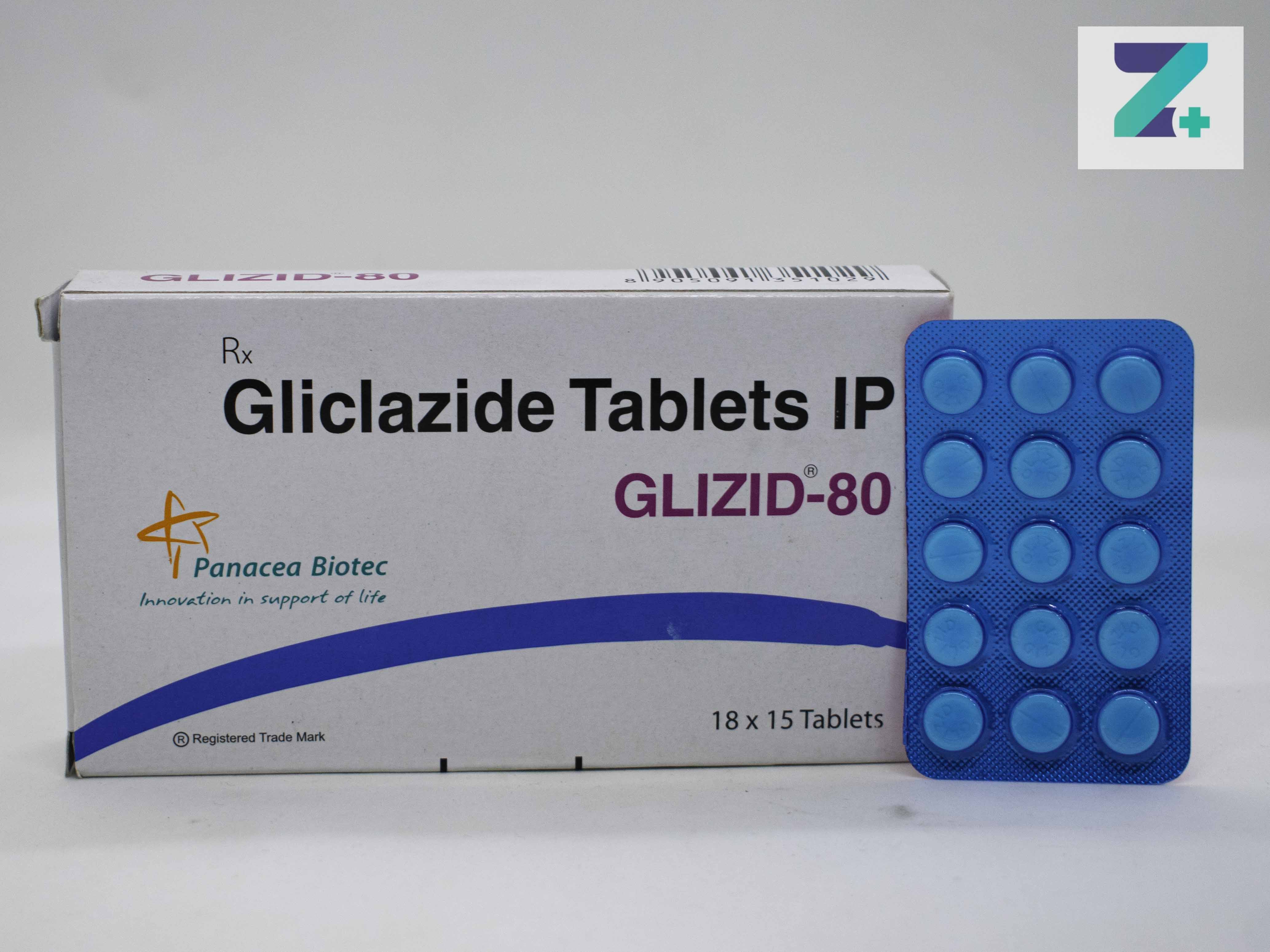
GLIZID 80MG
Price: Rs.145.20
13% off
In stock
Loose stock: 0
Description
GLIZID 80MG TAB 15
Details
Composition
GLICLAZIDE 80 MG
# Gliclazide 80 mg
## Short Description
**Gliclazide 80 mg** is an oral **sulfonylurea antidiabetic medicine** used to help control blood glucose levels in people with **type 2 diabetes mellitus**. It works mainly by stimulating the pancreas to release more insulin and is generally used alongside a healthy diet and regular physical activity.
Gliclazide is **not used to treat type 1 diabetes or diabetic ketoacidosis**. Because it can cause low blood sugar (hypoglycemia), it should be taken according to a healthcare professional's instructions.
---
## Key Benefits
* Helps lower elevated **blood glucose levels** in type 2 diabetes.
* Stimulates the pancreas to release insulin when blood glucose is elevated.
* Can improve overall blood-glucose control when combined with diet and exercise.
* May be used alone or alongside other diabetes medicines when clinically appropriate.
* Supports long-term diabetes management when taken consistently as prescribed.
---
## Uses / Indications
### 1. Type 2 Diabetes Mellitus
Gliclazide 80 mg is primarily used to control blood glucose in adults with **type 2 diabetes** when diet, exercise and lifestyle measures alone are insufficient.
It may be prescribed:
* As monotherapy.
* In combination with other oral antidiabetic medicines.
* With insulin or other glucose-lowering therapy when medically appropriate.
### Not Indicated For
Gliclazide is generally **not appropriate for**:
* Type 1 diabetes mellitus
* Diabetic ketoacidosis
* Severe diabetic coma or precoma
---
## How It Works
Gliclazide belongs to the **sulfonylurea** class of medicines.
It stimulates pancreatic beta cells to release insulin. The increased insulin availability helps glucose move from the bloodstream into tissues, thereby reducing blood glucose.
Gliclazide also has some effects on platelet function and vascular processes, although its principal therapeutic action is **blood-glucose reduction through increased insulin secretion**.
### Simple Mechanism
**Gliclazide → stimulates pancreatic beta cells → increases insulin release → improves glucose uptake → lowers blood glucose.**
Because gliclazide stimulates insulin secretion, **hypoglycemia can occur**, particularly if meals are skipped, the dose is too high, or physical activity or alcohol intake is increased.
---
## Dosage & Administration
> **Dosage must be individualized by a healthcare professional according to blood-glucose levels, diet, kidney/liver function, age and other diabetes medicines.**
### Typical Adult Dosing
For conventional **gliclazide 80 mg tablets**, treatment is commonly started at a lower dose and adjusted according to blood-glucose response.
A commonly used regimen for conventional tablets is:
**40–80 mg once daily with breakfast**, with the dose gradually adjusted when necessary.
The maximum daily dose for conventional gliclazide tablets may be divided into doses and should be determined by the prescribing clinician.
> **Important:** Gliclazide 80 mg conventional tablets are different from **gliclazide modified-release (MR) formulations**. Their doses are **not directly interchangeable**.
### How to Take
* Take exactly as prescribed.
* Take with a meal, usually breakfast, when directed.
* Swallow the tablet with water.
* Eat meals regularly while taking gliclazide.
* Do not skip meals after taking the medicine.
* Monitor blood glucose as recommended.
### Missed Dose
If you forget a dose, follow your healthcare professional's instructions.
**Do not take a double dose to compensate for a missed dose.**
### Important
Regular meals are particularly important because gliclazide can lower blood glucose and may cause hypoglycemia if food intake is inadequate.
---
## Side Effects
### Common Side Effects
Possible side effects include:
* **Low blood sugar (hypoglycemia)**
* Nausea
* Indigestion
* Abdominal discomfort
* Constipation or diarrhea
* Headache
* Dizziness
### Symptoms of Hypoglycemia
Low blood sugar may cause:
* Sweating
* Shaking
* Hunger
* Fast heartbeat
* Dizziness
* Weakness
* Headache
* Blurred vision
* Confusion
* Irritability
Severe hypoglycemia may cause:
* Seizures
* Loss of consciousness
* Coma
### Other Possible Effects
Rarely, gliclazide may cause:
* Skin rash
* Itching
* Photosensitivity
* Changes in blood-cell counts
* Liver abnormalities
* Jaundice
Seek medical attention for severe allergic reactions, significant skin reactions, jaundice, unusual bleeding or severe hypoglycemia.
---
## Precautions & Warnings
### Hypoglycemia
This is the most important risk associated with gliclazide.
Risk increases with:
* Skipping or delaying meals
* Excessive exercise
* Alcohol consumption
* Taking too much medicine
* Kidney or liver impairment
* Using other glucose-lowering medicines
Always keep a rapid source of glucose available if your healthcare professional recommends doing so.
### Kidney Disease
Reduced kidney function can increase the risk of prolonged or severe hypoglycemia. Your doctor may adjust treatment and monitor glucose more closely.
### Liver Disease
Liver impairment can affect gliclazide metabolism and increase the risk of hypoglycemia.
### Irregular Meals
Gliclazide should be used cautiously in people with irregular eating patterns. Do not routinely skip meals after taking a dose.
### Elderly Patients
Older adults may be more susceptible to hypoglycemia and may require individualized dosing and monitoring.
### Alcohol
Alcohol can increase the risk of hypoglycemia and may make it harder to recognize low-blood-sugar symptoms.
### Surgery or Acute Illness
Blood glucose can change substantially during surgery, infection, fever or other acute illness. Your healthcare professional may temporarily modify diabetes treatment.
### G6PD Deficiency
Gliclazide is a sulfonylurea and may rarely cause hemolytic anemia in susceptible individuals with **G6PD deficiency**. Tell your doctor if you have known G6PD deficiency.
### Pregnancy
Gliclazide is generally **not preferred during pregnancy** because insulin is usually used when medication is required for diabetes management during pregnancy.
Tell your healthcare professional if you are pregnant or planning pregnancy.
### Breastfeeding
Gliclazide is generally not recommended during breastfeeding without medical advice. Discuss alternative diabetes treatment with your healthcare professional.
---
## Drug Interactions
### Other Diabetes Medicines
Combining gliclazide with:
* Insulin
* Metformin
* Other sulfonylureas
* SGLT2 inhibitors
* GLP-1 receptor agonists
* Other glucose-lowering medicines
may increase the risk of hypoglycemia depending on the combination.
### Beta-Blockers
Beta-blockers may **mask warning symptoms of hypoglycemia**, particularly a rapid heartbeat.
### ACE Inhibitors
Medicines such as ACE inhibitors may increase the glucose-lowering effect of sulfonylureas in some patients.
### NSAIDs
Some NSAIDs, including certain medicines used for pain and inflammation, may increase the glucose-lowering effect and risk of hypoglycemia.
### Corticosteroids
Medicines such as prednisolone may increase blood glucose and reduce the effectiveness of gliclazide.
### Diuretics
Some diuretics can increase blood glucose and may reduce glycemic control.
### Anticoagulants
Certain anticoagulants and other medicines can potentially affect blood-glucose control or interact with sulfonylureas.
### Alcohol
Alcohol can increase the risk of hypoglycemia and may make symptoms more difficult to recognize.
> Tell your doctor or pharmacist about **all prescription medicines, OTC medicines, vitamins and herbal supplements** you take.
---
## Storage Information
* Store according to the manufacturer's instructions.
* Keep at the recommended room temperature.
* Protect from excessive heat and moisture.
* Keep tablets in their original packaging.
* Keep the container or blister strip properly sealed.
* Keep out of reach of children.
* Do not use after the expiry date.
---
## Prescription Status
**Gliclazide 80 mg is generally a prescription-only medicine.**
Because it can cause potentially serious hypoglycemia, treatment should be initiated and monitored by a qualified healthcare professional.
---
## Genuine Medicine Assurance
When purchasing **Gliclazide 80 mg**:
* Purchase from a **licensed and reputable pharmacy**.
* Verify the medicine name and strength.
* Confirm whether the product is **standard-release or modified-release (MR)**.
* Check the manufacturer's name.
* Verify the batch/lot number and expiry date.
* Ensure the blister strip and outer packaging are intact.
* Check product registration information where applicable.
* Do not use tablets from damaged or suspicious packaging.
* Avoid purchasing prescription medicines from unauthorized sellers.
* If you suspect a counterfeit product, contact the manufacturer, licensed pharmacy or relevant medicines regulatory authority.
---
# Frequently Asked Questions (FAQ)
### 1. What is Gliclazide 80 mg used for?
Gliclazide 80 mg is an oral antidiabetic medicine used to help control **blood sugar in adults with type 2 diabetes**.
### 2. Is Gliclazide 80 mg a sulfonylurea?
Yes. Gliclazide belongs to the **sulfonylurea** class of oral diabetes medicines.
### 3. How does Gliclazide lower blood sugar?
It stimulates the pancreas to release more **insulin**, which helps reduce glucose levels in the bloodstream.
### 4. Can Gliclazide cure diabetes?
No. Gliclazide helps **control blood glucose** but does not cure type 2 diabetes. Diabetes management usually includes diet, physical activity, monitoring and other treatments when required.
### 5. Can Gliclazide be used for type 1 diabetes?
No. Gliclazide is generally not used to treat **type 1 diabetes**, because people with type 1 diabetes require insulin replacement.
### 6. What is the usual dose of Gliclazide 80 mg?
For conventional 80 mg tablets, treatment may commonly begin with **40–80 mg daily** and be adjusted according to blood-glucose response. The exact dose must be prescribed individually.
### 7. Should Gliclazide be taken with food?
Yes. Conventional gliclazide is generally taken **with a meal**, often breakfast, according to the prescribed schedule. Avoid skipping meals after taking it.
### 8. What happens if I skip a meal after taking Gliclazide?
Skipping or delaying a meal can increase the risk of **hypoglycemia**. If you have taken gliclazide and cannot eat normally, seek medical advice about what to do.
### 9. What are the symptoms of low blood sugar?
Symptoms can include **sweating, shaking, hunger, dizziness, weakness, headache, fast heartbeat, blurred vision and confusion**.
### 10. What should I do if my blood sugar becomes low?
If you are conscious and able to swallow, follow your healthcare professional's hypoglycemia plan, which commonly involves taking a rapidly absorbed source of glucose. Severe hypoglycemia, seizures or loss of consciousness require **urgent medical attention**.
### 11. Can Gliclazide cause weight gain?
Weight gain can occur with sulfonylurea therapy in some patients, although the amount varies between individuals.
### 12. Can I drink alcohol while taking Gliclazide?
Alcohol can increase the risk of hypoglycemia and may make low-blood-sugar symptoms harder to recognize. Discuss alcohol consumption with your healthcare professional.
### 13. Can Gliclazide be taken with Metformin?
Yes. Gliclazide and metformin are sometimes prescribed together for type 2 diabetes. The combination may require blood-glucose monitoring.
### 14. Can Gliclazide be taken with insulin?
It may be used with insulin in selected patients, but this increases the need for careful glucose monitoring because of the risk of hypoglycemia.
### 15. What is the difference between Gliclazide 80 mg and Gliclazide MR?
**Gliclazide 80 mg conventional tablets** and **gliclazide modified-release (MR) tablets** release the medicine differently and have different dosing schedules. They should **not be switched on a milligram-for-milligram basis without medical advice**.
### 16. Can people with kidney disease take Gliclazide?
Treatment may require special consideration in kidney disease because impaired kidney function can increase the risk of prolonged hypoglycemia. Your doctor will determine whether gliclazide is appropriate.
### 17. Can Gliclazide be taken during pregnancy?
Gliclazide is generally not the preferred diabetes medicine during pregnancy. Tell your healthcare professional immediately if you become pregnant while taking it.
### 18. Can Gliclazide be used while breastfeeding?
Gliclazide is generally not recommended during breastfeeding without medical supervision. Your doctor can recommend an appropriate alternative.
### 19. What should I do if I miss a Gliclazide dose?
Follow the instructions provided by your healthcare professional. **Do not take a double dose** to make up for a missed dose.
### 20. Is Gliclazide 80 mg available without a prescription?
Gliclazide is generally a **prescription-only medicine** because inappropriate dosing can cause potentially dangerous hypoglycemia.
---
## Medical Disclaimer
This information about **Gliclazide 80 mg** is provided for educational and general informational purposes only. It is **not a substitute for professional medical advice, diagnosis or treatment**.
Gliclazide is a prescription medicine for **type 2 diabetes** and can cause potentially serious **hypoglycemia**. The risk may increase when meals are skipped, alcohol is consumed, physical activity is increased, or gliclazide is combined with other glucose-lowering medicines.
Patients with kidney or liver disease, irregular eating patterns, G6PD deficiency, or a history of severe hypoglycemia should inform their healthcare professional before treatment.
**Gliclazide 80 mg conventional tablets should not be confused with modified-release (MR) gliclazide products**, as their dosing and release characteristics differ.
Seek urgent medical attention for severe hypoglycemia, seizures, loss of consciousness, severe allergic reactions or other serious symptoms.
**Always use Gliclazide 80 mg exactly as prescribed by a qualified healthcare professional and monitor blood glucose as recommended.**