GP 3MG
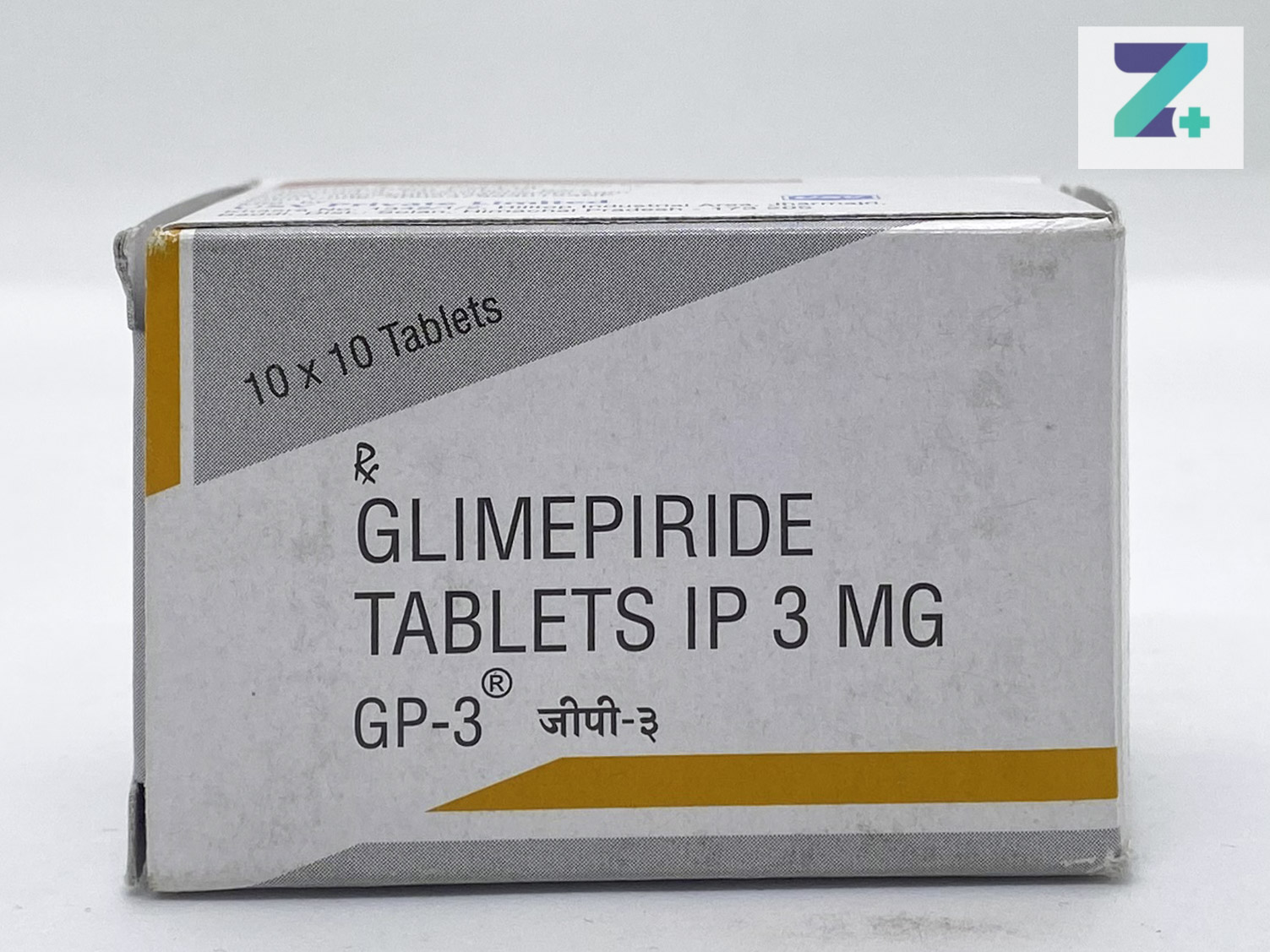
Price: Rs.112.00
13% off
In stock
Loose stock: 0
Description
GP 3MG TAB 10
Details
Composition
GLIMEPIRIDE 3 MG
# GLIMEPIRIDE 3 MG
## SHORT DESCRIPTION
**Glimepiride 3 mg** is an oral antidiabetic medicine belonging to the **sulfonylurea** class. It is primarily used, along with diet and exercise, to help control **blood glucose levels in adults with type 2 diabetes mellitus**.
Glimepiride works mainly by stimulating the pancreas to release more insulin. It is generally taken once daily with breakfast or the first main meal, as prescribed by a healthcare professional.
> **Important:** Glimepiride is not used to treat type 1 diabetes or diabetic ketoacidosis.
---
## KEY BENEFITS
* Helps **lower elevated blood glucose levels** in people with type 2 diabetes.
* Stimulates the pancreas to release insulin.
* Can improve blood glucose control when diet and exercise alone are insufficient.
* May be used alone or in combination with other diabetes medicines when prescribed.
* Convenient **once-daily dosing** for many patients.
* Helps maintain better long-term blood sugar control when taken as part of an appropriate diabetes-management plan.
---
## USES / INDICATIONS
Glimepiride 3 mg may be prescribed for:
* **Type 2 diabetes mellitus**
* Improving blood glucose control when lifestyle measures such as diet and exercise are not sufficient.
* Combination therapy with other antidiabetic medicines when additional glucose control is required.
### Not indicated for:
* **Type 1 diabetes**
* **Diabetic ketoacidosis (DKA)**
* Treatment of severe acute hyperglycemia requiring emergency management.
---
## HOW IT WORKS
Glimepiride belongs to the **sulfonylurea** group of antidiabetic medicines.
It works primarily by stimulating the **beta cells of the pancreas to release insulin**. Increased insulin availability helps glucose move from the bloodstream into body tissues, thereby reducing blood glucose levels.
Glimepiride may also improve the body's sensitivity to insulin to some extent.
**Glimepiride → increased insulin release → increased glucose uptake → lower blood glucose**
Because glimepiride increases insulin secretion, it can cause **low blood sugar (hypoglycemia)**, particularly when meals are skipped, excessive alcohol is consumed, or the medicine is used at an excessive dose.
---
## DOSAGE & ADMINISTRATION
**Glimepiride 3 mg should be taken exactly as prescribed by your healthcare professional.**
* It is usually taken **once daily**.
* Take it with breakfast or the **first main meal of the day**.
* Swallow the tablet with water.
* Do not crush or chew the tablet unless the product instructions specifically allow it.
* Take the medicine at approximately the same time each day.
* Maintain regular meals while taking glimepiride.
* Your doctor may adjust the dose according to your blood glucose levels and response to treatment.
* Blood glucose should be monitored as recommended by your healthcare professional.
* Do not increase or decrease the dose yourself.
### If You Miss a Dose
If you forget a dose, take it when you remember **with a meal**, unless it is close to the time of your next dose.
Do not take two doses together to compensate for a missed dose.
> **Important:** A 3 mg tablet is not necessarily the appropriate starting or maintenance dose for every patient. Glimepiride dosage should be individualized.
---
## SIDE EFFECTS
### Common Side Effects
Possible side effects include:
* **Low blood sugar (hypoglycemia)**
* Headache
* Dizziness
* Nausea
* Weakness or tiredness
* Weight gain
* Abdominal discomfort
### Symptoms of Low Blood Sugar
Because glimepiride increases insulin release, hypoglycemia is an important potential adverse effect.
Symptoms may include:
* Sweating
* Shaking or trembling
* Hunger
* Dizziness
* Headache
* Fast heartbeat
* Weakness
* Irritability or confusion
* Difficulty concentrating
* Blurred vision
Severe hypoglycemia can cause **loss of consciousness, seizures, or other serious complications**.
If you experience symptoms of low blood sugar, follow the hypoglycemia management plan provided by your healthcare professional.
### Serious Side Effects
Seek medical attention if you develop:
* Severe or persistent hypoglycemia
* Loss of consciousness or seizures
* Severe allergic reaction
* Difficulty breathing
* Facial, lip, tongue, or throat swelling
* Severe skin rash, blistering, or peeling
* Yellowing of the skin or eyes
* Unusual bleeding or signs of blood-cell abnormalities
---
## PRECAUTIONS & WARNINGS
* Glimepiride is intended for **type 2 diabetes** and should not be used for type 1 diabetes or diabetic ketoacidosis.
* Take glimepiride with a meal and **avoid skipping meals**.
* Be particularly careful about hypoglycemia if you exercise heavily, consume alcohol, eat irregularly, or have reduced food intake.
* Older adults may be more susceptible to low blood sugar.
* Tell your doctor if you have **kidney or liver problems**.
* Dose adjustments may be necessary in patients with impaired kidney or liver function.
* Monitor blood glucose regularly as recommended.
* Alcohol may increase or unpredictably alter the blood-glucose-lowering effects of glimepiride.
* Illness, fever, infection, surgery, or significant changes in diet may affect blood glucose control.
* Tell your doctor if you are pregnant, planning pregnancy, or breastfeeding.
* If you experience frequent episodes of hypoglycemia, consult your healthcare professional; your treatment may need adjustment.
* Glimepiride should be used together with an appropriate **diet and exercise program**.
---
## DRUG INTERACTIONS
Glimepiride can interact with various medicines and substances. Inform your doctor or pharmacist about all prescription medicines, OTC products, supplements, and herbal medicines you use.
Important interactions may include:
### Medicines That May Increase Hypoglycemia
* Insulin
* Other antidiabetic medicines
* Some ACE inhibitors
* Certain antibiotics
* Some antifungal medicines
* Certain antidepressants
* Other medicines that can lower blood glucose
### Medicines That May Reduce Glucose-Lowering Effects
Some medicines may make blood glucose harder to control, including:
* Corticosteroids
* Certain diuretics
* Some hormonal medicines
* Some thyroid-related medicines
### Beta-Blockers
Beta-blockers may sometimes **mask warning symptoms of hypoglycemia**, such as a rapid heartbeat.
### Alcohol
Alcohol may increase or unpredictably affect the blood-glucose-lowering effect of glimepiride and can increase the risk of hypoglycemia.
Always check with a healthcare professional before combining glimepiride with another medicine.
---
## STORAGE INFORMATION
* Store Glimepiride 3 mg at **room temperature**, according to the manufacturer's instructions.
* Keep the tablets in their original packaging.
* Protect from excessive heat, moisture, and direct sunlight.
* Avoid storing the medicine in damp areas such as bathrooms.
* Keep out of reach and sight of children.
* Do not use the tablets after the expiry date.
* Do not use tablets if the packaging is damaged or the medicine appears altered.
---
## PRESCRIPTION STATUS
**Prescription Medicine**
Glimepiride 3 mg should be used under the supervision of a qualified healthcare professional. The appropriate dose depends on blood glucose levels, diet, kidney and liver function, other medicines, age, and individual treatment response.
---
## GENUINE MEDICINE ASSURANCE
For safe use, purchase **Glimepiride 3 mg from a licensed pharmacy or authorized medicine supplier**.
Before using the product, check:
* Medicine name and strength
* Manufacturer information
* Batch/lot number
* Manufacturing and expiry dates
* Packaging and seal integrity
* Regulatory/registration information where applicable
Do not use medicine from damaged, opened, tampered, or suspicious packaging. If you have concerns about the authenticity of a medicine, consult a pharmacist or the relevant medicine regulatory authority.
---
# FAQ – GLIMEPIRIDE 3 MG
### 1. What is Glimepiride 3 mg used for?
Glimepiride 3 mg is primarily used to help control **blood glucose in adults with type 2 diabetes mellitus**, together with diet and exercise.
### 2. Is Glimepiride 3 mg a diabetes medicine?
Yes. Glimepiride is an oral antidiabetic medicine belonging to the **sulfonylurea** class.
### 3. How does Glimepiride 3 mg work?
Glimepiride mainly works by stimulating the pancreas to release more insulin. The increased insulin helps lower glucose levels in the bloodstream.
### 4. Is Glimepiride used for type 1 diabetes?
No. Glimepiride is generally used for **type 2 diabetes** and is not appropriate for treating type 1 diabetes or diabetic ketoacidosis.
### 5. Can Glimepiride 3 mg cause low blood sugar?
Yes. **Hypoglycemia is one of the most important side effects** of glimepiride. The risk may increase if you skip meals, exercise excessively, drink alcohol, or take more medicine than prescribed.
### 6. What should I do if my blood sugar becomes low while taking Glimepiride?
If you experience symptoms of hypoglycemia, follow your healthcare professional's instructions for treating low blood sugar. Fast-acting carbohydrates may be recommended for a conscious person who can safely swallow. Severe hypoglycemia requires urgent medical assistance.
### 7. Should Glimepiride 3 mg be taken before or after food?
Glimepiride is generally taken **with breakfast or the first main meal of the day**. Taking it with a meal helps coordinate its glucose-lowering effect with food intake.
### 8. Can I take Glimepiride 3 mg without eating?
It is important not to skip meals while taking glimepiride because doing so can increase the risk of **hypoglycemia**. Follow your doctor's specific instructions.
### 9. Can Glimepiride 3 mg cause weight gain?
Yes. **Weight gain can occur** with sulfonylureas such as glimepiride. Maintaining a balanced diet, regular physical activity, and appropriate diabetes monitoring can help manage weight.
### 10. Can Glimepiride 3 mg be taken with Metformin?
Glimepiride and metformin are sometimes prescribed together for type 2 diabetes because they lower blood glucose through different mechanisms. The combination should only be used according to your healthcare professional's prescription.
### 11. Can Glimepiride 3 mg be taken with other diabetes medicines?
Yes, it may be combined with other antidiabetic medicines when clinically appropriate. However, combining glucose-lowering medicines can increase the risk of hypoglycemia, so medical supervision is important.
### 12. Can I drink alcohol while taking Glimepiride?
Alcohol may affect blood glucose unpredictably and can increase the risk of hypoglycemia. Discuss alcohol consumption with your healthcare professional.
### 13. What happens if I miss a Glimepiride dose?
If you forget a dose, follow your healthcare professional's instructions. **Do not double the next dose** to compensate for a missed dose.
### 14. Can Glimepiride 3 mg be stopped suddenly?
Do not stop prescribed glimepiride without medical advice. Stopping treatment may cause blood glucose levels to rise.
### 15. Can Glimepiride 3 mg be used during pregnancy?
If you are pregnant or planning pregnancy, tell your healthcare professional. Diabetes treatment often needs to be reassessed during pregnancy, and **insulin may be preferred in many situations**.
### 16. Can Glimepiride affect the kidneys?
Glimepiride can require additional caution in people with **kidney impairment**, particularly because reduced kidney function may increase the risk of prolonged hypoglycemia. Your doctor may choose a different medicine or adjust your treatment.
### 17. What are the symptoms of Glimepiride overdose?
An overdose can cause potentially severe **hypoglycemia**. Symptoms may include sweating, shaking, confusion, dizziness, weakness, seizures, or loss of consciousness. Severe symptoms require immediate medical attention.
### 18. Is Glimepiride 3 mg safe for everyone with diabetes?
No. The suitability of glimepiride depends on factors such as the type of diabetes, age, kidney and liver function, diet, other medicines, and risk of hypoglycemia.
---
## MEDICAL DISCLAIMER
This information about **Glimepiride 3 mg** is provided for general educational and informational purposes only. It is **not a substitute for professional medical advice, diagnosis, or treatment**.
The appropriate dose and treatment plan vary between individuals. Do not start, stop, or change Glimepiride 3 mg without consulting a qualified healthcare professional. Because glimepiride can cause potentially serious hypoglycemia, patients should understand how to recognize and manage low blood glucose.
**Always read the product label/package insert and follow the instructions provided by your doctor or pharmacist.**