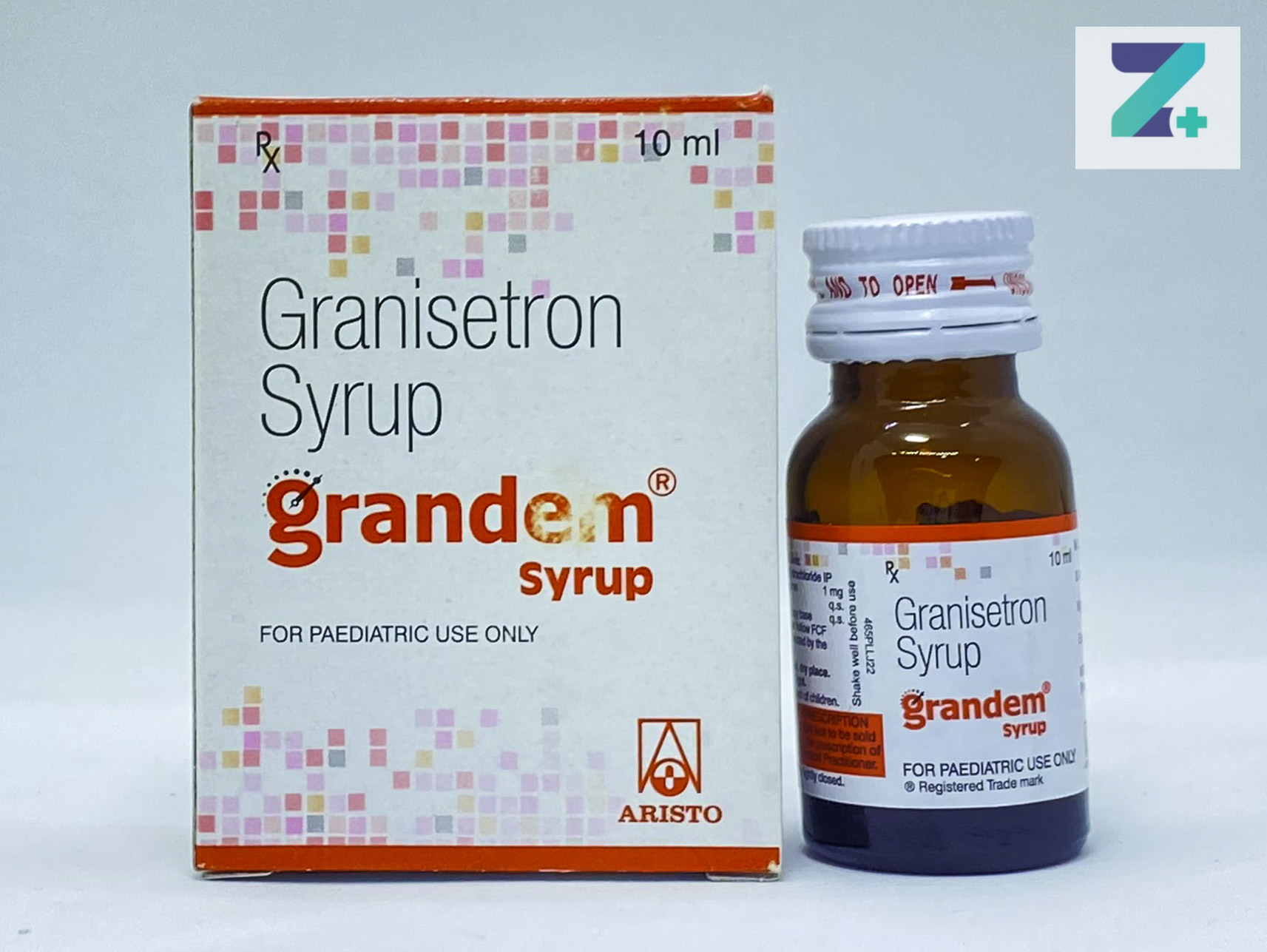
GRANDEM SYR
Price: Rs.96.00
10% off
In stock
Loose stock: 0
Description
GRANDEM 1MG SYR 10ML
Details
Composition
GRANISETRON 1 MG
# Granisetron 1 mg
## Short Description
Granisetron 1 mg is a **prescription antiemetic medicine** used to prevent and treat nausea and vomiting, particularly those associated with **chemotherapy, radiotherapy and certain surgical procedures**. It belongs to a group of medicines called **5-HT3 receptor antagonists**.
## Key Benefits
* Helps prevent nausea and vomiting
* Helps control chemotherapy-induced nausea and vomiting
* May help prevent radiation-induced nausea and vomiting
* May be used to prevent postoperative nausea and vomiting
* Works by blocking serotonin signals that trigger nausea and vomiting
* Can be used as part of an antiemetic treatment plan
## Uses / Indications
Granisetron 1 mg may be prescribed for:
* **Chemotherapy-induced nausea and vomiting**
* **Radiotherapy-induced nausea and vomiting**
* **Postoperative nausea and vomiting**, depending on the formulation and local approval
* Other situations involving significant nausea and vomiting when specifically recommended by a healthcare professional
## How It Works
Granisetron selectively blocks **5-HT3 serotonin receptors** in the gastrointestinal tract and the central nervous system.
During chemotherapy, radiotherapy or certain other conditions, serotonin can be released and activate these receptors, triggering nausea and vomiting. By blocking these signals, Granisetron helps prevent or reduce nausea and vomiting.
## Dosage & Administration
* Take Granisetron 1 mg exactly as prescribed by your doctor
* The dose and timing depend on the reason for treatment and the specific formulation
* For prevention of chemotherapy-induced nausea and vomiting, adults may commonly receive **1 mg before treatment**, with additional dosing according to the prescribed regimen
* For postoperative nausea and vomiting, dosing depends on the specific product and clinical situation
* Follow your doctor's instructions rather than changing the dose yourself
* Tablets may generally be taken with or without food
* Swallow the tablet with water
* If you miss a scheduled dose, follow your healthcare professional's instructions
* Do not take extra doses to compensate for a missed dose
**Important:** Dosing varies depending on the indication, formulation, age and individual patient factors.
## Side Effects
Common side effects may include:
* Headache
* Constipation
* Weakness or tiredness
* Dizziness
* Abdominal discomfort
* Diarrhea
Less common or serious side effects may include:
* Changes in heart rhythm
* Allergic reactions
* Serotonin syndrome, particularly when combined with other serotonergic medicines
* Low blood pressure or other cardiovascular effects
Seek urgent medical attention for difficulty breathing, facial swelling, fainting, severe heart palpitations or symptoms suggesting serotonin syndrome such as agitation, confusion, fever, sweating, muscle rigidity or rapid heartbeat.
## Precautions & Warnings
* Tell your doctor if you have a **heart rhythm disorder**, prolonged QT interval or other cardiac condition
* Inform your doctor if you have low potassium or low magnesium
* Tell your doctor about any history of abnormal heart rhythms
* Use cautiously with other medicines that can prolong the QT interval
* Tell your doctor if you have severe constipation or bowel obstruction because Granisetron can reduce intestinal motility
* Seek medical attention for severe abdominal swelling or persistent constipation
* Inform your doctor if you are taking antidepressants or other medicines that affect serotonin
* Tell your doctor if you are pregnant, planning pregnancy or breastfeeding
* Keep out of reach of children
## Drug Interactions
Tell your doctor or pharmacist about all prescription medicines, OTC medicines, supplements and herbal products you use.
Important interactions may include:
* **Other medicines that prolong the QT interval** — may increase the risk of abnormal heart rhythms
* **Serotonergic medicines**, including some antidepressants — may increase the risk of serotonin syndrome
* Certain antiarrhythmic medicines
* Some antipsychotic medicines
* Other medicines that affect heart rhythm or electrolyte balance
Always provide your healthcare professional with a complete list of medicines you take.
## Storage Information
* Store Granisetron 1 mg according to the manufacturer's instructions
* Keep tablets in their original packaging
* Protect from excessive heat, moisture and direct sunlight
* Keep the container tightly closed
* Keep out of reach and sight of children
* Do not use after the expiry date
* Follow the specific storage instructions printed on the product label
## Prescription Status
Granisetron 1 mg is generally a **prescription-only medicine**. Availability and dispensing requirements may vary by country.
## Genuine Medicine Assurance
* Purchase Granisetron only from a licensed and reputable pharmacy
* Use it only against a valid prescription where required
* Check the medicine name and **1 mg strength**
* Verify the batch number and expiry date
* Ensure the packaging and seal are intact
* Do not use tablets from damaged, altered or suspicious packaging
* Confirm that the medicine strength matches your prescription
* Purchase medicines from authorized sources
* If you suspect the medicine is counterfeit, consult a pharmacist or the appropriate medicine regulatory authority
## Frequently Asked Questions
### What is Granisetron 1 mg used for?
Granisetron 1 mg is an antiemetic used mainly to **prevent and control nausea and vomiting associated with chemotherapy, radiotherapy and certain surgical procedures**.
### Is Granisetron an anti-vomiting medicine?
Yes. Granisetron is an **antiemetic** that helps prevent and control nausea and vomiting.
### Is Granisetron used for chemotherapy nausea?
Yes. Granisetron is commonly used to prevent nausea and vomiting associated with chemotherapy.
### How does Granisetron work?
Granisetron blocks **5-HT3 serotonin receptors**, reducing signals from the gastrointestinal tract and brain that can trigger nausea and vomiting.
### Can Granisetron be used for vomiting after surgery?
Yes. Certain Granisetron formulations are used to prevent or treat **postoperative nausea and vomiting**, depending on local approval and clinical circumstances.
### How should I take Granisetron 1 mg?
Take it exactly as prescribed by your doctor. The timing and dose depend on the reason for treatment and the specific formulation.
### Can Granisetron be taken with food?
Granisetron tablets can generally be taken **with or without food**, unless your doctor or product label gives different instructions.
### Does Granisetron cause constipation?
Yes. **Constipation is a common side effect** of Granisetron. Drink adequate fluids and maintain appropriate dietary fiber unless your doctor has advised otherwise.
### Does Granisetron cause headache?
Yes. Headache is one of the commonly reported side effects.
### Can Granisetron cause dizziness?
Dizziness can occur in some people. Avoid driving or operating machinery if you feel dizzy or unwell.
### Can Granisetron affect heart rhythm?
Yes. Granisetron may affect the **QT interval** in susceptible individuals. Tell your doctor if you have heart disease, an abnormal heart rhythm or low potassium or magnesium.
### Can Granisetron be taken with antidepressants?
Some antidepressants affect serotonin and may require caution when combined with Granisetron. Your doctor should review your medicines before combining them.
### Can Granisetron cause serotonin syndrome?
Rarely, Granisetron may contribute to serotonin syndrome, particularly when combined with other serotonergic medicines. Seek urgent medical attention for agitation, confusion, fever, excessive sweating, muscle rigidity or rapid heartbeat.
### Can Granisetron be used during pregnancy?
If you are pregnant or planning pregnancy, tell your doctor before taking Granisetron. Your healthcare professional will determine whether treatment is appropriate.
### Can Granisetron be used while breastfeeding?
Consult your doctor before using Granisetron while breastfeeding. Your healthcare professional can assess the benefits and potential risks.
### Can children take Granisetron 1 mg?
Granisetron may be used in children in certain circumstances, particularly for chemotherapy-related nausea and vomiting, but the appropriate dose depends on **age, body size, indication and formulation**. It should only be given to children when prescribed.
### What happens if I miss a dose of Granisetron?
If Granisetron has been prescribed on a scheduled basis, follow your doctor's instructions regarding a missed dose. Do not take extra doses unless specifically instructed.
### Is Granisetron the same as Ondansetron?
No. Both are **5-HT3 receptor antagonists** used to prevent nausea and vomiting, but they are different medicines and have different dosing and prescribing considerations.
### How quickly does Granisetron work?
Granisetron begins blocking nausea and vomiting signals relatively quickly. The timing of administration is important when it is being used to prevent chemotherapy- or radiation-related nausea and vomiting.
### Does Granisetron stop all types of vomiting?
No. Granisetron is particularly useful for nausea and vomiting associated with chemotherapy, radiotherapy and certain surgical procedures. The cause of vomiting should be assessed when symptoms are persistent or unexplained.
### Can I take Granisetron every day?
The appropriate duration depends on the reason it has been prescribed. Use it only according to your doctor's recommended dose and treatment schedule.
### Can Granisetron be taken with other antiemetics?
Sometimes Granisetron is combined with other antiemetic medicines for better control of severe nausea and vomiting. Such combinations should be recommended by a healthcare professional.
### What should I do if Granisetron does not control my vomiting?
Contact your doctor if vomiting continues or becomes severe. Persistent vomiting can lead to dehydration and may require evaluation of the underlying cause or adjustment of treatment.
## Medical Disclaimer
This information is provided for general educational purposes only and is not a substitute for professional medical advice, diagnosis or treatment. Granisetron 1 mg is a prescription antiemetic and should be used according to the specific product instructions and advice of a qualified healthcare professional. Dose and timing depend on the indication, formulation, age and individual medical factors. Patients with heart rhythm disorders or those taking medicines that affect the QT interval or serotonin system should inform their doctor before treatment. Seek urgent medical attention for severe allergic reactions, fainting, significant heart palpitations or symptoms suggestive of serotonin syndrome.