HCQUIN-200MG
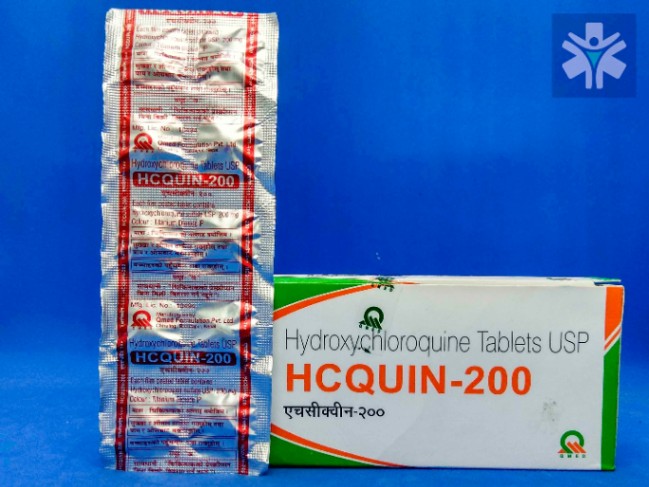
Price: Rs.140.00
10% off
In stock
Loose stock: 0
Description
HCQUIN-200MG TAB 10
Details
Composition
HYDROXYCHLOROQUINE 200 MG
# Hydroxychloroquine 200 mg
## SHORT DESCRIPTION
Hydroxychloroquine 200 mg is an antimalarial and disease-modifying antirheumatic medicine used mainly to manage certain autoimmune and inflammatory conditions. It is commonly prescribed for rheumatoid arthritis, systemic lupus erythematosus, discoid lupus erythematosus, juvenile idiopathic arthritis, and certain skin conditions that are sensitive to sunlight. ([nhs.uk][1])
Hydroxychloroquine is a **prescription medicine** and should be used only under the supervision of a qualified healthcare professional.
## KEY BENEFITS
* Helps reduce inflammation associated with autoimmune diseases
* Helps relieve joint pain, swelling, and stiffness in rheumatoid arthritis
* Helps control symptoms and disease activity associated with lupus
* May help manage certain sunlight-sensitive skin conditions
* Can provide long-term disease-modifying benefits when used regularly as prescribed
* May take several weeks before noticeable improvement occurs ([nhs.uk][1])
## USES / INDICATIONS
Hydroxychloroquine 200 mg may be prescribed for:
* Rheumatoid arthritis
* Systemic lupus erythematosus (SLE)
* Discoid lupus erythematosus
* Juvenile idiopathic arthritis
* Certain skin disorders that are caused or aggravated by sunlight
* Other conditions when specifically recommended by a doctor ([Medicines
][2])
**Important:** Hydroxychloroquine should not be self-used for conditions for which it has not been prescribed.
## HOW IT WORKS
Hydroxychloroquine modifies immune-system activity and helps reduce abnormal inflammation. This makes it useful as a disease-modifying antirheumatic drug (DMARD) in autoimmune conditions such as rheumatoid arthritis and lupus. Its therapeutic effects develop gradually, so it may take several weeks to notice improvement. ([nhs.uk][1])
## DOSAGE & ADMINISTRATION
* Take Hydroxychloroquine 200 mg exactly as prescribed by your doctor.
* The dose depends on the condition being treated, body weight, response to treatment, and individual risk factors.
* Adult treatment may commonly involve **200 mg once daily or 200 mg twice daily**, but the appropriate dose must be determined by the prescriber. ([Medicines
][3])
* Swallow the tablet whole with a meal or a glass of milk.
* Do not crush or chew the tablet unless specifically instructed.
* Take it at approximately the same time each day.
* Do not increase, decrease, or stop the dose without medical advice.
* If you miss a dose, take it when remembered unless it is nearly time for the next dose. Do not take a double dose. ([nhs.uk][1])
### Eye Monitoring
Long-term hydroxychloroquine treatment can cause retinal toxicity. An eye examination before treatment and regular follow-up eye monitoring may be recommended, particularly for people receiving long-term treatment or those with increased risk. ([Medicines
][2])
## SIDE EFFECTS
### Common Side Effects
* Stomach pain
* Nausea
* Vomiting
* Diarrhoea
* Loss of appetite
* Headache
* Skin rash or itching
* Mood changes ([nhs.uk][1])
### Serious Side Effects
Seek medical attention promptly if you experience:
* Persistent blurred vision or changes in colour vision
* Severe skin rash, blistering, peeling, or mouth ulcers
* Irregular heartbeat, palpitations, chest pain, or shortness of breath
* Severe weakness or muscle problems
* Symptoms of low blood sugar such as sweating, shakiness, or confusion
* Unusual bruising, frequent infections, or severe weakness
* Yellowing of the skin or eyes or dark urine
* Severe mood changes, hallucinations, confusion, or thoughts of self-harm
* Signs of a serious allergic reaction such as swelling of the face, lips, tongue, or throat or difficulty breathing ([Medicines
][2])
## PRECAUTIONS & WARNINGS
Tell your doctor before using Hydroxychloroquine 200 mg if you have:
* Existing eye or retinal problems
* Kidney or liver disease
* Heart disease or a history of abnormal heart rhythm
* Blood disorders
* Diabetes or problems with low blood sugar
* Muscle or nerve disorders
* A history of severe skin reactions
* Any mental health concerns
* An allergy to hydroxychloroquine, quinine, or related medicines ([Medicines
][2])
### Important Safety Points
* Regular eye examinations may be necessary during prolonged treatment.
* Report any new or persistent vision changes immediately.
* Hydroxychloroquine may lower blood glucose, particularly in people taking medicines for diabetes.
* Use caution with medicines that can affect heart rhythm.
* Inform your doctor about pregnancy or plans to become pregnant.
* Tell your doctor if you are breastfeeding.
* Do not drive or operate machinery if you develop vision problems.
* Keep the medicine out of reach of children. Accidental overdose can be particularly dangerous in young children. ([nhs.uk][1])
## DRUG INTERACTIONS
Hydroxychloroquine may interact with certain medicines, including:
* **Digoxin** — may affect digoxin levels.
* **Antacids and some indigestion medicines** — may reduce hydroxychloroquine absorption; follow your doctor's or pharmacist's advice regarding timing.
* **Azithromycin, clarithromycin, erythromycin and other medicines that may affect heart rhythm** — may increase the risk of cardiac rhythm problems.
* **Certain antidepressants** — may increase the risk of heart-rhythm effects.
* **Some epilepsy medicines** — may interact with hydroxychloroquine.
* **Medicines for diabetes** — hydroxychloroquine may increase the risk of low blood sugar. ([nhs.uk][1])
Always inform your doctor or pharmacist about all prescription medicines, over-the-counter medicines, vitamins, and herbal supplements you are taking.
## STORAGE INFORMATION
* Store Hydroxychloroquine tablets according to the product label.
* Some 200 mg tablet products specify storage at **or below 25°C**.
* Keep the tablets in their original packaging.
* Protect from inappropriate storage conditions such as excessive heat and moisture.
* Keep out of the sight and reach of children.
* Do not use the medicine after the expiry date printed on the packaging. ([Medicines
][4])
## PRESCRIPTION STATUS
**Prescription Medicine**
Hydroxychloroquine 200 mg should be taken only when prescribed or recommended by a qualified healthcare professional. ([nhs.uk][1])
## GENUINE MEDICINE ASSURANCE
When purchasing Hydroxychloroquine 200 mg, ensure that:
* The product is obtained from a licensed and reputable pharmacy.
* The packaging is intact and properly labelled.
* The batch number and expiry date are clearly visible.
* The medicine is purchased from an authorized source.
* The product has not been exposed to unsuitable storage conditions.
* You consult a pharmacist if you have concerns about the authenticity or quality of the medicine.
## FAQ — FREQUENTLY ASKED QUESTIONS
### What is Hydroxychloroquine 200 mg used for?
Hydroxychloroquine 200 mg is mainly used to treat autoimmune and inflammatory conditions such as rheumatoid arthritis and lupus. It may also be prescribed for certain sunlight-sensitive skin conditions. ([nhs.uk][1])
### Is Hydroxychloroquine 200 mg an antibiotic?
No. Hydroxychloroquine is not an antibiotic. It is an antimalarial medicine and disease-modifying antirheumatic drug used for specific medical conditions.
### How long does Hydroxychloroquine 200 mg take to work?
Hydroxychloroquine generally does not provide immediate relief. It can take several weeks before noticeable benefits occur. ([nhs.uk][1])
### Can Hydroxychloroquine 200 mg be taken every day?
Yes, when prescribed for a condition requiring regular treatment, hydroxychloroquine is commonly taken daily. The exact dose and duration should be determined by your doctor.
### Should Hydroxychloroquine 200 mg be taken with food?
It is generally recommended to swallow hydroxychloroquine tablets with a meal or a glass of milk, which can also help reduce stomach-related side effects. ([nhs.uk][1])
### Does Hydroxychloroquine 200 mg affect the eyes?
Yes. Long-term use can rarely cause retinal damage. Regular eye monitoring is therefore important, especially during prolonged treatment or when risk factors are present. Report changes in vision promptly. ([Medicines
][2])
### Can Hydroxychloroquine 200 mg cause low blood sugar?
Yes. Hydroxychloroquine can lower blood glucose, and the risk may be greater when it is taken with diabetes medicines. People with diabetes may require closer glucose monitoring. ([Medicines
][2])
### Can Hydroxychloroquine 200 mg be used during pregnancy?
Hydroxychloroquine may be used during pregnancy when medically necessary, but the decision should be made by a doctor after assessing the benefits and potential risks. ([nhs.uk][1])
### Can I stop Hydroxychloroquine 200 mg when I feel better?
Do not stop treatment on your own. Hydroxychloroquine is often used as a long-term disease-modifying medicine, and stopping it without medical advice may allow the underlying condition to become active again. ([Medicines
][2])
### What happens if I take too much Hydroxychloroquine 200 mg?
An overdose can be dangerous and may cause serious heart, neurological, vision, breathing, or blood-pressure problems. Seek emergency medical attention immediately if an overdose is suspected. ([Medicines
][2])
### Is Hydroxychloroquine 200 mg available without a prescription?
Hydroxychloroquine is generally a prescription-only medicine and should be used under medical supervision. ([nhs.uk][1])
## MEDICAL DISCLAIMER
This information is provided for educational and informational purposes only and is not a substitute for professional medical advice, diagnosis, or treatment. Hydroxychloroquine 200 mg should be used only according to the prescription and instructions provided by a qualified healthcare professional. Dosage and treatment duration can vary depending on the patient's condition, body weight, kidney and liver function, other medicines, and individual risk factors.
Do not self-medicate, change the dose, or discontinue treatment without consulting your doctor. If you experience severe vision changes, serious skin reactions, irregular heartbeat, difficulty breathing, severe allergic reactions, or suspected overdose, seek urgent medical attention.
[1]: https://www.nhs.uk/medicines/hydroxychloroquine/?utm_source=chatgpt.com "Hydroxychloroquine"
[2]: https://www.medicines.org.uk/emc/product/1764/pil?utm_source=chatgpt.com "Hydroxychloroquine sulfate 200mg Film-coated Tablets - Patient Information Leaflet (PIL) - (emc) | 1764"
[3]: https://www.medicines.org.uk/emc/product/11516/pil?utm_source=chatgpt.com "Hydroxychloroquine sulfate 200 mg film-coated tablets - Patient Information Leaflet (PIL) - (emc) | 11516"
[4]: https://www.medicines.org.uk/emc/product/11540/pil?utm_source=chatgpt.com "Hydroxychloroquine Sulfate 200 mg film-coated tablets - Patient Information Leaflet (PIL) - (emc) | 11540"