HCQUIN-400
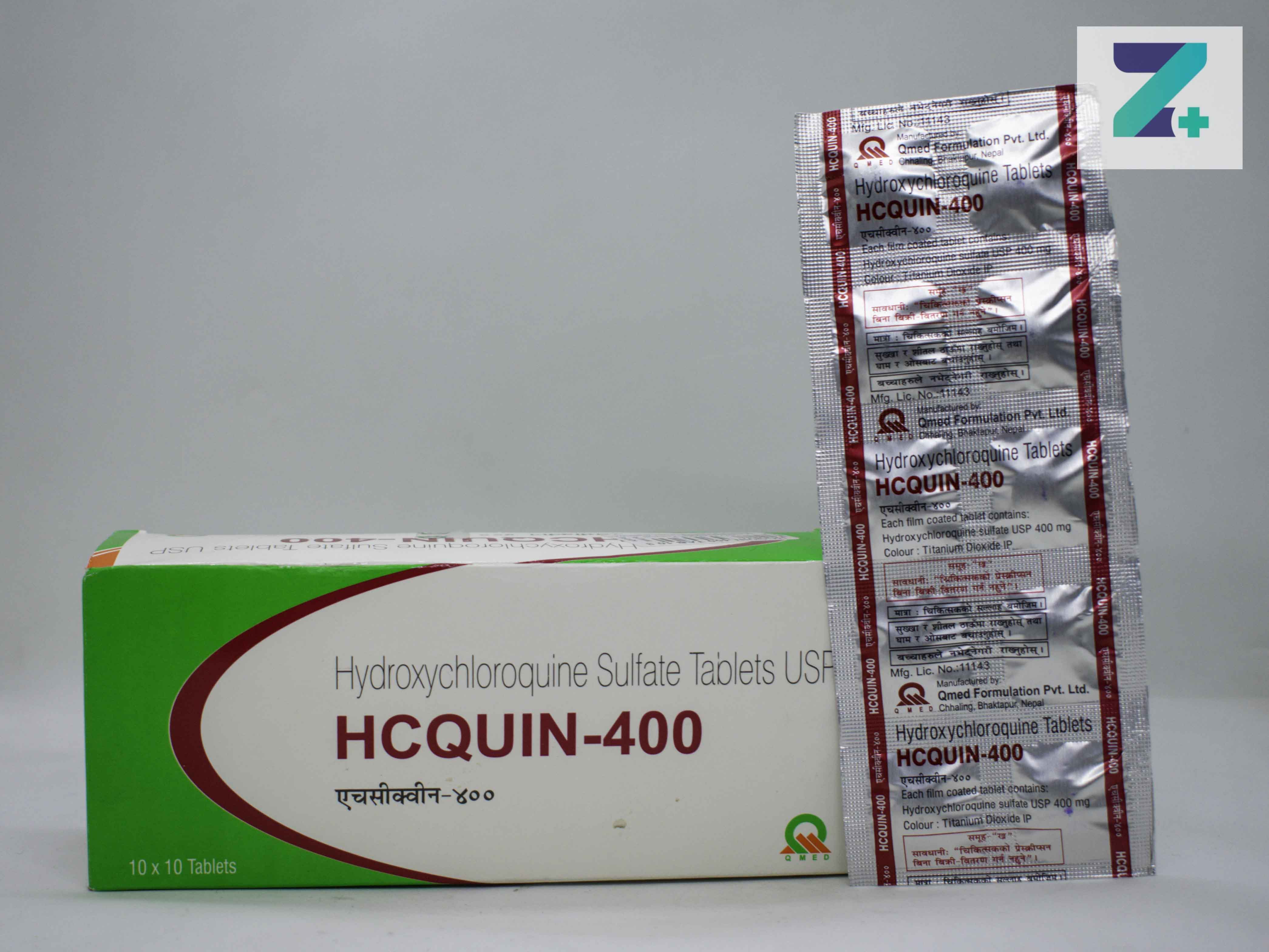
Price: Rs.220.00
10% off
In stock
Loose stock: 0
Description
HCQUIN-400 TAB 10
Details
Composition
HYDROXYCHLOROQUINE SULFATE 400 MG
# HYDROXYCHLOROQUINE SULFATE 400 MG
## SHORT DESCRIPTION
**Hydroxychloroquine sulfate 400 mg** is a prescription medicine belonging to the **4-aminoquinoline** class. It is primarily used for certain autoimmune and inflammatory conditions such as **rheumatoid arthritis and systemic lupus erythematosus**, and in some countries it is also used for malaria prevention or treatment where appropriate.
Hydroxychloroquine has **immunomodulatory and antimalarial properties**. It is generally used under medical supervision because long-term treatment can cause potentially serious adverse effects, particularly **retinal toxicity**.
> **Important:** Hydroxychloroquine should only be used for an appropriate diagnosed condition and should not be self-medicated.
---
## KEY BENEFITS
* Helps control symptoms of **rheumatoid arthritis**.
* Helps manage certain manifestations of **systemic lupus erythematosus (SLE)**.
* Provides antimalarial activity against susceptible malaria parasites.
* Can help reduce autoimmune-related inflammation and disease activity.
* May reduce the frequency or severity of certain lupus symptoms when used as prescribed.
* Suitable for long-term therapy in selected patients when appropriately monitored.
---
## USES / INDICATIONS
Hydroxychloroquine sulfate may be prescribed for:
1. **Rheumatoid arthritis**
2. **Systemic lupus erythematosus (SLE)**
3. Certain other autoimmune or inflammatory conditions when specifically recommended by a specialist
4. **Malaria treatment or prevention** in appropriate situations where the parasite remains susceptible
### Important
Hydroxychloroquine is **not effective against all malaria parasites or in all geographic regions** because resistance is common in some areas.
It is also **not recommended as a routine treatment or prevention medicine for COVID-19** based on current evidence and regulatory guidance.
---
## HOW IT WORKS
Hydroxychloroquine has several pharmacological actions.
### In Autoimmune Disease
Hydroxychloroquine accumulates in intracellular compartments called **lysosomes and endosomes** and alters their acidity and immune signaling.
This can reduce certain immune-system processes involved in autoimmune inflammation, including antigen presentation and signaling through toll-like receptors.
The result is a reduction in excessive immune activity and inflammation.
### In Malaria
Hydroxychloroquine interferes with the malaria parasite's ability to process **heme**, a substance produced when the parasite digests hemoglobin.
This can lead to accumulation of toxic heme within susceptible parasites and ultimately inhibit their survival.
---
## DOSAGE & ADMINISTRATION
### Adults
The appropriate dose depends on the condition being treated, body weight, kidney function, age, and other individual factors.
A **400 mg tablet does not necessarily mean that 400 mg should be taken once daily for every condition**.
For autoimmune diseases, dosing is usually individualized and may involve daily dosing according to the prescribing clinician's instructions.
### Administration
* Take exactly as prescribed.
* Take with food or milk if it causes stomach discomfort.
* Swallow tablets with water.
* Take doses at approximately the same time each day when using it regularly.
* Do not stop long-term treatment without consulting your healthcare professional.
### Weight-Based Dosing
For long-term autoimmune treatment, hydroxychloroquine dosing is commonly considered according to **actual body weight**, with clinicians generally aiming to keep the dose within recommended safety limits to reduce retinal toxicity.
### Kidney or Liver Impairment
Dose selection may require additional consideration in people with significant kidney or liver impairment.
### Missed Dose
Take the missed dose when remembered unless it is nearly time for the next dose.
**Do not take two doses together to compensate for a missed dose.**
---
## SIDE EFFECTS
### Common Side Effects
Possible side effects include:
* Nausea
* Vomiting
* Abdominal discomfort
* Diarrhea
* Headache
* Dizziness
* Skin rash
* Itching
Taking the medicine with food may improve some gastrointestinal symptoms.
### Eye-Related Effects
Long-term treatment can cause **retinal toxicity**, which may lead to permanent vision problems.
Report symptoms such as:
* Blurred vision
* Difficulty reading
* Changes in color vision
* Missing areas in the visual field
* Difficulty seeing in low light
* New visual disturbances
### Serious Side Effects
Seek medical attention for:
* Significant vision changes
* Severe skin reactions
* Irregular heartbeat
* Fainting
* Severe muscle weakness
* Unexplained muscle pain
* Severe allergic reactions
* Significant mood or behavioral changes
* Unusual bruising or bleeding
---
## PRECAUTIONS & WARNINGS
### Retinal Toxicity
One of the most important long-term risks is **hydroxychloroquine-associated retinal damage**.
The risk increases with factors such as:
* Higher daily doses
* Longer treatment duration
* Kidney impairment
* Older age
* Pre-existing retinal disease
* Tamoxifen use
Appropriate ophthalmic screening is important during long-term treatment.
### Heart Rhythm Problems
Hydroxychloroquine can **prolong the QT interval** and, rarely, contribute to serious abnormal heart rhythms.
Extra caution may be necessary in people with:
* Known heart rhythm disorders
* Previous prolonged QT interval
* Significant heart disease
* Low potassium or magnesium
* Other QT-prolonging medicines
### Kidney Disease
Kidney impairment can increase exposure to hydroxychloroquine and may increase the risk of toxicity.
### Liver Disease
Tell your healthcare professional if you have liver disease.
### Blood Disorders
Rarely, hydroxychloroquine can affect blood-cell production. People with certain blood disorders may require additional monitoring.
### Neurological and Muscular Effects
Rare neuromuscular toxicity can occur, particularly with prolonged treatment.
Report unexplained:
* Muscle weakness
* Difficulty climbing stairs
* Difficulty swallowing
* Numbness or tingling
### Hypoglycemia
Hydroxychloroquine can occasionally cause **low blood glucose**, including in people taking diabetes medicines.
Monitor glucose carefully if you have diabetes.
### Pregnancy
Hydroxychloroquine may be used during pregnancy for certain autoimmune conditions when the benefits outweigh potential risks. Do not start, stop, or change treatment during pregnancy without medical guidance.
### Children
Hydroxychloroquine tablets must be kept away from children because relatively small overdoses can cause **fatal toxicity**.
---
## DRUG INTERACTIONS
### Medicines That Prolong QT
Combining hydroxychloroquine with other QT-prolonging medicines may increase the risk of serious heart-rhythm disturbances.
Examples include certain:
* Antiarrhythmics
* Antipsychotics
* Antidepressants
* Antibiotics
### Digoxin
Hydroxychloroquine may increase **digoxin concentrations**, potentially increasing the risk of digoxin toxicity.
### Diabetes Medicines
Hydroxychloroquine can enhance glucose-lowering effects and may increase the risk of **hypoglycemia** when used with insulin or other antidiabetic medicines.
### Tamoxifen
Long-term concurrent use may increase the risk of retinal toxicity and requires careful consideration.
### Antacids
Some antacids can interfere with absorption. Separate hydroxychloroquine from antacids containing aluminum or magnesium according to professional advice and product instructions.
### Other Antimalarials
Combining hydroxychloroquine with other antimalarial medicines may increase toxicity or alter cardiac risk.
Always provide your healthcare professional with a complete list of prescription medicines, OTC products, vitamins, and herbal supplements.
---
## STORAGE INFORMATION
* Store at **room temperature** according to the product label.
* Keep tablets in their original packaging.
* Protect from excessive heat, moisture, and direct sunlight.
* Keep the container tightly closed.
* Keep **out of reach and sight of children**.
* Do not use after the expiry date.
* Do not use tablets from damaged or improperly sealed packaging.
> **Critical:** Accidental ingestion by children can be extremely dangerous. Store securely.
---
## PRESCRIPTION STATUS
**Prescription medicine.**
Hydroxychloroquine sulfate 400 mg should be used under the supervision of a qualified healthcare professional.
Prescription and dispensing requirements may vary between countries.
---
## GENUINE MEDICINE ASSURANCE
When purchasing **Hydroxychloroquine Sulfate 400 mg**, obtain it from a **licensed pharmacy or authorized medicine supplier**.
Check the packaging for:
* Correct medicine name
* Strength: **400 mg**
* Manufacturer information
* Batch/lot number
* Manufacturing and expiry dates
* Intact seal
* Appropriate regulatory information
* Clear labeling
Avoid medicines with damaged packaging, altered labels, missing batch details, or questionable authenticity.
---
# FAQ – HYDROXYCHLOROQUINE SULFATE 400 MG
### 1. What is Hydroxychloroquine Sulfate 400 mg used for?
It is mainly used to manage certain autoimmune conditions such as **rheumatoid arthritis and systemic lupus erythematosus**. It can also be used for malaria in situations where the parasite is susceptible.
### 2. Is hydroxychloroquine an immunosuppressant?
It is generally described as an **immunomodulatory medicine**. It modifies certain immune responses rather than producing broad immune suppression like some stronger immunosuppressive medicines.
### 3. Is hydroxychloroquine used for lupus?
Yes. Hydroxychloroquine is commonly used as a long-term treatment for many patients with **systemic lupus erythematosus**, unless contraindicated.
### 4. Is hydroxychloroquine used for rheumatoid arthritis?
Yes. It can help reduce symptoms and disease activity in **rheumatoid arthritis**, often as part of a broader treatment plan.
### 5. Does hydroxychloroquine cure lupus?
No. It helps control autoimmune disease activity and symptoms but **does not cure lupus**.
### 6. How long does hydroxychloroquine take to work?
The effect can take **several weeks or longer**, particularly when treating autoimmune conditions. It should generally be continued as prescribed even if improvement is not immediate.
### 7. Why are eye tests needed with hydroxychloroquine?
Long-term use can cause **retinal toxicity**, which can potentially result in permanent vision loss. Regular eye screening helps detect retinal changes early.
### 8. Can hydroxychloroquine damage eyesight?
Yes. Although retinal toxicity is uncommon at recommended doses, it can become serious and potentially permanent. The risk increases with long-term exposure and certain risk factors.
### 9. Can hydroxychloroquine affect the heart?
Rarely, it can affect heart rhythm by **prolonging the QT interval** and, with prolonged exposure, can contribute to other cardiac complications. Tell your doctor about existing heart disease and all medicines you take.
### 10. Can hydroxychloroquine lower blood sugar?
Yes. Hydroxychloroquine can occasionally cause **hypoglycemia**, particularly when combined with insulin or other diabetes medicines.
### 11. Can hydroxychloroquine be taken with food?
Yes. Taking it with food or milk may help reduce stomach upset.
### 12. Can hydroxychloroquine be taken with antacids?
Some antacids can reduce hydroxychloroquine absorption. Ask your pharmacist or doctor about appropriate spacing between the medicines.
### 13. Can hydroxychloroquine be used during pregnancy?
It may be used in pregnancy for certain autoimmune diseases when medically appropriate. Do not stop prescribed hydroxychloroquine suddenly during pregnancy without consulting your healthcare professional.
### 14. Can hydroxychloroquine be used while breastfeeding?
Hydroxychloroquine can be used in some breastfeeding patients when clinically appropriate. Discuss your individual circumstances with your healthcare professional.
### 15. Can hydroxychloroquine treat COVID-19?
Hydroxychloroquine is **not recommended as a routine treatment or preventive medicine for COVID-19** based on current evidence and regulatory guidance.
### 16. Is hydroxychloroquine an antibiotic?
No. Hydroxychloroquine is **not an antibiotic**. It is an antimalarial and immunomodulatory medicine.
### 17. What happens if I miss a hydroxychloroquine dose?
Take it when remembered unless it is nearly time for your next dose. **Do not double the dose.**
### 18. Can I stop hydroxychloroquine suddenly?
Do not stop long-term hydroxychloroquine treatment without medical advice, particularly when it is being used to control an autoimmune condition.
### 19. Is Hydroxychloroquine Sulfate 400 mg available without a prescription?
It is generally a **prescription medicine**, although exact dispensing regulations vary by country.
### 20. Is hydroxychloroquine safe for long-term use?
It can be used long-term in appropriately selected patients, but long-term therapy requires appropriate monitoring, particularly **eye examinations and assessment of risk factors for toxicity**.
---
## MEDICAL DISCLAIMER
This information about **Hydroxychloroquine Sulfate 400 mg** is provided for general educational purposes only and does not replace professional medical advice, diagnosis, or treatment.
Hydroxychloroquine is a prescription medicine with potentially serious adverse effects, particularly **retinal toxicity and cardiac rhythm abnormalities**. Appropriate dosing and monitoring are important, especially during long-term treatment.
Do not use hydroxychloroquine for an unconfirmed condition or for COVID-19 prevention/treatment without specific medical direction. Inform your healthcare professional about kidney or liver disease, eye problems, heart conditions, pregnancy, and all medicines or supplements you take.
Always follow the **specific product label and your healthcare professional's instructions** regarding dosage, duration, monitoring, contraindications, and drug interactions.