HYPERNOL-10
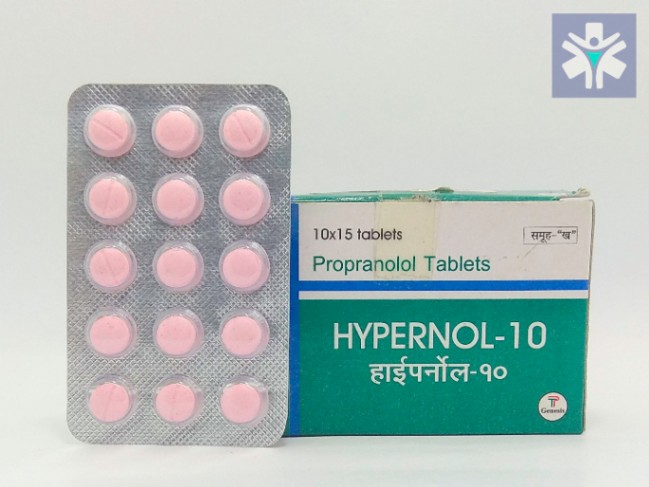
Price: Rs.30.00
10% off
In stock
Loose stock: 0
Description
HYPERNOL-10 TAB 15
Details
Composition
PROPRANOLOL 10 MG
# PROPRANOLOL 10 MG
## SHORT DESCRIPTION
**Propranolol 10 mg** is a **beta-blocker (beta-adrenergic receptor blocker)** used to reduce the effects of adrenaline on the heart and blood vessels. It can slow the heart rate, reduce blood pressure, and decrease physical symptoms associated with adrenaline release.
Depending on the indication, propranolol may be prescribed for **high blood pressure, certain heart rhythm problems, angina, migraine prevention, essential tremor, and physical symptoms of anxiety**, among other conditions.
---
## KEY BENEFITS
* Helps reduce **heart rate and blood pressure**.
* Helps decrease the workload on the heart.
* Can help control certain **abnormal heart rhythms**.
* May help prevent **migraine attacks**.
* Can reduce symptoms of **essential tremor**.
* May reduce physical symptoms of anxiety such as:
* Fast heartbeat
* Shaking
* Sweating
* Palpitations
* May be used for other cardiovascular conditions under medical supervision.
> **Important:** Propranolol controls physical symptoms in several conditions but does not treat every underlying cause. The appropriate dose varies substantially depending on the condition.
---
## USES / INDICATIONS
Propranolol 10 mg may be prescribed for:
### 1. High Blood Pressure
It reduces heart rate and cardiac workload and can lower blood pressure.
### 2. Certain Heart Rhythm Disorders
Propranolol may be used to help control some forms of:
* Rapid heartbeat
* Supraventricular tachycardia
* Other selected arrhythmias
### 3. Angina
It may help prevent chest pain caused by reduced blood flow to the heart by decreasing the heart's oxygen demand.
### 4. Migraine Prevention
Propranolol can be used regularly to **prevent migraine attacks**. It is not generally used to stop an acute migraine once it has started.
### 5. Essential Tremor
It may reduce involuntary shaking associated with essential tremor.
### 6. Physical Symptoms of Anxiety
Propranolol may reduce physical manifestations of anxiety, such as:
* Palpitations
* Trembling
* Sweating
* Rapid heartbeat
It does **not directly treat the psychological causes of anxiety**.
### 7. Other Medical Uses
Depending on clinical circumstances, propranolol may also be used for conditions such as:
* Certain thyroid-related symptoms
* Portal hypertension
* Specific cardiovascular conditions
Indications vary according to local clinical guidelines and prescribing information.
---
## HOW IT WORKS
Propranolol is a **non-selective beta-adrenergic blocker**.
It blocks **beta-1 and beta-2 receptors**, reducing the effects of adrenaline and other stress hormones.
### Effects on the Heart
Blocking beta-1 receptors can:
* Slow the heart rate
* Reduce the force of heart contraction
* Reduce cardiac workload
* Lower blood pressure
### Effects on Physical Anxiety Symptoms
By reducing adrenaline's effects, propranolol can reduce physical symptoms such as:
* Shaking
* Palpitations
* Sweating
* Rapid heartbeat
### Simple Explanation
**Propranolol → blocks beta receptors → reduces adrenaline effects → slower heart rate + reduced cardiac workload + fewer physical symptoms**
---
## DOSAGE & ADMINISTRATION
### Adults
The dose depends heavily on the condition being treated.
For some indications, **10 mg may be used as a low dose**, while other conditions require higher doses or divided doses.
Do not assume that 10 mg is the appropriate dose for every condition.
### General Administration
* Take exactly as prescribed.
* Take at approximately the same time each day when used regularly.
* Propranolol may be taken with or without food, but try to take it consistently in relation to meals.
* Swallow tablets with water.
* Do not change the dose without medical advice.
### For Anxiety-Related Physical Symptoms
Some patients may be prescribed a low dose before a predictable anxiety-provoking event. The timing and dose should be determined by a healthcare professional.
### Missed Dose
If you take propranolol regularly and miss a dose, take it when remembered unless it is nearly time for your next dose.
**Do not take two doses at once.**
### Important: Do Not Stop Suddenly
If propranolol has been taken regularly for an extended period, **do not stop it abruptly** without medical advice. Sudden withdrawal can cause serious cardiovascular effects, particularly in people with heart disease.
---
## SIDE EFFECTS
### Common Side Effects
Possible side effects include:
* Slow heartbeat
* Dizziness
* Tiredness
* Weakness
* Cold hands and feet
* Sleep disturbances
* Vivid dreams
* Nausea
* Diarrhea
These effects may improve as the body adjusts to treatment.
### Serious Side Effects
Seek medical attention for:
* Very slow or irregular heartbeat
* Fainting
* Severe dizziness
* Difficulty breathing
* Wheezing
* Swelling of the legs
* New or worsening chest pain
* Severe allergic reaction
### Low Blood Sugar Warning
Propranolol can **mask some warning symptoms of hypoglycemia**, particularly a rapid heartbeat.
People with diabetes should monitor blood glucose carefully and discuss propranolol use with their healthcare professional.
---
## PRECAUTIONS & WARNINGS
### Asthma and Breathing Disorders
Propranolol blocks both beta-1 and beta-2 receptors and can cause **bronchospasm**.
It should generally be avoided or used only under specialist supervision in people with:
* Asthma
* Certain chronic obstructive airway diseases
* A history of bronchospasm
### Slow Heart Rate
Propranolol may further slow the heart rate.
Tell your doctor if you have:
* Bradycardia
* Heart conduction problems
* Certain heart rhythm disorders
### Low Blood Pressure
Propranolol can lower blood pressure and may cause dizziness or fainting.
### Heart Failure
Propranolol requires careful medical supervision in people with heart failure. Some beta-blockers are specifically used for chronic heart failure, but propranolol is not interchangeable with them.
### Diabetes
Propranolol may mask symptoms of low blood glucose, particularly tachycardia.
People with diabetes should monitor blood glucose carefully.
### Peripheral Circulation Problems
Because beta-blockade can affect circulation, symptoms such as cold extremities may worsen in some people with peripheral vascular disease.
### Thyroid Disorders
Propranolol can reduce some physical symptoms of hyperthyroidism and may therefore **mask symptoms** without treating the underlying thyroid disorder.
### Surgery
Tell your doctor or anesthetist that you take propranolol before surgery.
### Pregnancy
Propranolol should be used during pregnancy only when the potential benefits justify the potential risks and under medical supervision.
### Breastfeeding
Propranolol passes into breast milk in small amounts. Consult a healthcare professional before use while breastfeeding.
---
## DRUG INTERACTIONS
### Other Blood Pressure Medicines
Combining propranolol with other antihypertensive medicines may cause excessive:
* Low blood pressure
* Dizziness
* Slow heart rate
### Calcium Channel Blockers
Medicines such as:
* Verapamil
* Diltiazem
can further slow the heart rate or impair cardiac conduction when combined with propranolol.
### Other Beta-Blockers
Combining beta-blockers can excessively reduce heart rate and blood pressure.
### Digoxin
Propranolol may increase the risk of **bradycardia or conduction abnormalities** when used with digoxin.
### Antiarrhythmic Medicines
Some antiarrhythmics can have additive effects on heart rate and cardiac conduction.
### Diabetes Medicines
Propranolol can mask symptoms of hypoglycemia and may alter the response to some diabetes medicines.
### Clonidine
Stopping clonidine while taking a beta-blocker requires particular caution because abrupt clonidine withdrawal can cause a significant increase in blood pressure.
### NSAIDs
Medicines such as ibuprofen or naproxen may reduce the blood-pressure-lowering effect of some beta-blockers.
### Other Medicines
Propranolol can interact with medicines that affect its metabolism, including certain antidepressants and other drugs.
Always inform your doctor or pharmacist about all:
* Prescription medicines
* OTC medicines
* Vitamins
* Herbal supplements
---
## STORAGE INFORMATION
* Store Propranolol 10 mg according to the manufacturer's instructions.
* Keep tablets in their original packaging.
* Protect from excessive heat and moisture.
* Keep away from direct sunlight.
* Keep out of reach and sight of children.
* Keep the container tightly closed where applicable.
* Do not use after the expiry date.
* Do not use tablets if the packaging is damaged or appears tampered with.
---
## PRESCRIPTION STATUS
**Prescription Medicine – Subject to Local Regulations**
Propranolol 10 mg is generally a **prescription-only medicine**.
It should be used under healthcare professional supervision because inappropriate use can cause excessively low heart rate, low blood pressure, breathing problems, or other cardiovascular complications.
---
## GENUINE MEDICINE ASSURANCE
For safe and effective treatment, purchase **Propranolol 10 mg** from a licensed pharmacy or authorized medicine supplier.
Before using the medicine, check:
* Product name and strength
* Active ingredient
* Manufacturer information
* Batch/lot number
* Manufacturing and expiry dates
* Packaging and seal integrity
* Regulatory/registration information where applicable
Do not use the medicine if it is:
* Expired
* Damaged
* Tampered with
* Missing batch or expiry information
* Unusual in appearance
If you have concerns about authenticity, consult a licensed pharmacist or the relevant medicine regulatory authority.
---
# FAQ – PROPRANOLOL 10 MG
### 1. What is Propranolol 10 mg used for?
Propranolol 10 mg may be used for various conditions, including **certain heart conditions, high blood pressure, migraine prevention, essential tremor, and physical symptoms of anxiety**.
### 2. Is Propranolol 10 mg a beta-blocker?
Yes. Propranolol is a **non-selective beta-blocker** that blocks beta-1 and beta-2 receptors.
### 3. Can Propranolol help with anxiety?
Yes. Propranolol can reduce **physical symptoms of anxiety**, such as shaking, sweating, palpitations, and a fast heartbeat. It does not directly treat anxious thoughts or the underlying psychological cause.
### 4. Does Propranolol treat panic attacks?
It may reduce some physical symptoms associated with anxiety or panic, but it is not generally considered a primary treatment for panic disorder. Treatment should be determined by a healthcare professional.
### 5. Does Propranolol lower heart rate?
Yes. Propranolol commonly **slows the heart rate** by blocking beta-adrenergic stimulation.
### 6. Can Propranolol lower blood pressure?
Yes. It can reduce blood pressure by lowering heart rate and cardiac workload and through other effects on the cardiovascular system.
### 7. Is Propranolol 10 mg a high dose?
No. **10 mg is a relatively low tablet strength**, but the appropriate dose depends on the medical condition. Some conditions require significantly different doses.
### 8. How long does Propranolol take to work?
The onset varies according to the condition and formulation. Its effects on heart rate and some physical symptoms can occur relatively quickly, while preventive treatment such as migraine management may require regular use over time.
### 9. Can Propranolol be used for migraines?
Yes. Propranolol is used for **migraine prevention** in appropriate patients. It does not generally provide immediate relief from an acute migraine.
### 10. Can Propranolol help with shaking?
Yes. Propranolol can reduce **essential tremor** and some forms of physical shaking.
### 11. Can Propranolol be taken every day?
Yes, it may be prescribed for daily use for conditions such as hypertension, certain heart conditions, migraine prevention, or tremor. Take it according to the prescribed schedule.
### 12. Can I stop Propranolol suddenly?
No. Suddenly stopping regularly used propranolol can cause **rebound increases in heart rate or blood pressure and worsening heart-related symptoms**. A healthcare professional may gradually reduce the dose.
### 13. Can Propranolol cause dizziness?
Yes. Dizziness can occur, particularly when treatment begins or when the dose is increased.
### 14. Can Propranolol make you tired?
Yes. **Fatigue and weakness** are relatively common beta-blocker effects.
### 15. Can Propranolol cause cold hands and feet?
Yes. Reduced peripheral circulation can cause **cold hands or feet** in some people.
### 16. Can people with asthma take Propranolol?
Propranolol can cause bronchospasm because it blocks beta-2 receptors. People with asthma should generally **avoid it unless specifically advised by a healthcare professional**.
### 17. Can people with diabetes take Propranolol?
It may be used in some people with diabetes, but caution is required because propranolol can **mask certain symptoms of low blood sugar**, especially a rapid heartbeat.
### 18. Can Propranolol be taken with other blood pressure medicines?
It can sometimes be combined with other medicines, but this may increase the risk of low blood pressure or slow heart rate. Use the combination only as prescribed.
### 19. Can Propranolol be taken with Verapamil?
The combination can significantly slow heart rate and impair cardiac conduction. It should only be used under close medical supervision.
### 20. Can Propranolol be taken with Ibuprofen?
Ibuprofen may reduce the blood-pressure-lowering effect of some antihypertensive medicines and can have other risks. Ask your healthcare professional before using NSAIDs regularly with propranolol.
### 21. Can Propranolol be used during pregnancy?
Propranolol may be used in pregnancy in selected circumstances, but it should only be taken after medical assessment of the benefits and potential risks.
### 22. Can Propranolol be used while breastfeeding?
Propranolol passes into breast milk in small amounts. Consult your healthcare professional before use while breastfeeding.
### 23. What happens if I miss a Propranolol dose?
Take the missed dose when remembered unless it is nearly time for the next dose. **Do not take two doses together.**
### 24. What happens if I take too much Propranolol?
An overdose can cause **very slow heart rate, low blood pressure, breathing problems, dizziness, fainting, or other serious cardiovascular effects**. Seek emergency medical attention if an overdose is suspected.
### 25. Is Propranolol 10 mg available without a prescription?
Propranolol 10 mg is generally a **prescription medicine**, although dispensing regulations vary by country.
---
## MEDICAL DISCLAIMER
This information about **Propranolol 10 mg** is provided for general educational and informational purposes only. It is **not a substitute for professional medical advice, diagnosis, or treatment**.
Propranolol affects the cardiovascular system and can cause **slow heart rate, low blood pressure, dizziness, and, in susceptible individuals, breathing difficulties**. It may also mask important symptoms of hypoglycemia in people with diabetes.
Patients with asthma, significant heart or conduction problems, very low heart rate, low blood pressure, diabetes, or peripheral circulation disorders should consult a healthcare professional before using propranolol.
**Do not start, stop, or change the dose of Propranolol 10 mg without medical advice. Do not discontinue regularly used propranolol abruptly.**
Seek urgent medical attention for severe breathing difficulty, fainting, severe chest pain, extremely slow heartbeat, or suspected overdose.
**Always read the product label/package insert and follow your doctor's or pharmacist's instructions.**