HYQUIN-200
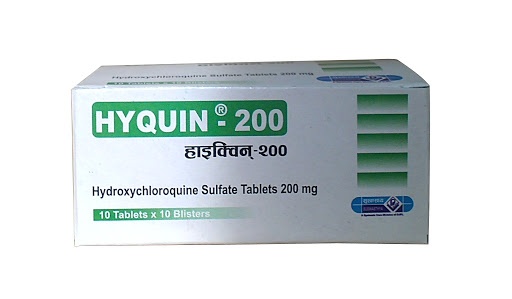
Price: Rs.140.00
10% off
In stock
Loose stock: 0
Description
HYQUIN-200 TAB 10
Details
Composition
HYDROXYCHLOROQUINE SULFATE 200 MG
# Hydroxychloroquine Sulfate 200 mg
## SHORT DESCRIPTION
Hydroxychloroquine Sulfate 200 mg is a prescription **antimalarial and disease-modifying antirheumatic drug (DMARD)**. It is primarily used to manage autoimmune and inflammatory conditions such as **rheumatoid arthritis, systemic lupus erythematosus (SLE), and discoid lupus erythematosus**. It may also be used for the treatment of certain susceptible malaria infections. ([nhs.uk][1])
## KEY BENEFITS
* Helps reduce inflammation associated with autoimmune diseases
* Helps manage symptoms of **rheumatoid arthritis**
* Helps control disease activity in **systemic and discoid lupus erythematosus**
* May help reduce joint pain, swelling, and stiffness associated with inflammatory conditions
* Has antimalarial activity against susceptible malaria parasites
* Can provide long-term disease control when taken regularly as prescribed ([nhs.uk][1])
## USES / INDICATIONS
Hydroxychloroquine Sulfate 200 mg may be prescribed for:
* Rheumatoid arthritis
* Systemic lupus erythematosus (SLE)
* Discoid lupus erythematosus
* Juvenile idiopathic arthritis in appropriate patients
* Certain skin conditions that are sensitive to sunlight
* Treatment of uncomplicated malaria caused by susceptible parasites, where appropriate ([Medicines.org.uk][2])
**Important:** Hydroxychloroquine is not appropriate for every type of malaria because resistance patterns vary by location.
## HOW IT WORKS
Hydroxychloroquine modifies immune-system activity and helps reduce abnormal inflammation in autoimmune diseases. This can decrease inflammation, swelling, pain, and other symptoms associated with conditions such as rheumatoid arthritis and lupus.
Against malaria parasites, hydroxychloroquine interferes with processes necessary for parasite survival inside red blood cells. ([Medicines.org.uk][2])
The medicine does **not work immediately** for autoimmune conditions. It may take several weeks, and sometimes several months, to achieve its full therapeutic effect. ([nhs.uk][1])
## DOSAGE & ADMINISTRATION
* Take Hydroxychloroquine Sulfate 200 mg exactly as prescribed by your doctor.
* Swallow the tablet whole with a **meal or a glass of milk** to help reduce stomach irritation. ([Medicines.org.uk][2])
* Do not crush or chew the tablet unless specifically instructed.
* The dose and duration depend on the condition being treated, body weight, kidney function, age, and other individual factors.
* For long-term autoimmune treatment, the prescribed dose should not be changed without medical advice.
* Malaria treatment requires a different dosing schedule and should be determined by a healthcare professional.
* If a dose is missed, take it when remembered unless it is nearly time for the next dose. **Do not double the next dose.** ([nhs.uk][1])
### Important dosing note
Long-term hydroxychloroquine dosing is carefully considered because the risk of retinal toxicity increases with excessive daily and cumulative exposure. ([DailyMed][3])
## SIDE EFFECTS
Common side effects may include:
* Nausea
* Vomiting
* Diarrhea
* Abdominal pain or stomach discomfort
* Headache
* Loss of appetite
* Skin rash or itching
* Mood changes
* Temporary blurred vision ([nhs.uk][1])
Rare but serious side effects can include:
* Retinal toxicity and permanent vision changes
* Heart muscle disease (cardiomyopathy)
* Serious abnormal heart rhythms
* Severe skin reactions
* Liver problems
* Blood-cell abnormalities
* Severe allergic reactions
Seek immediate medical attention for significant vision changes, fainting, severe palpitations, breathing difficulty, severe skin reactions, or other serious symptoms. ([DailyMed][4])
## PRECAUTIONS & WARNINGS
* **Eye monitoring is important during long-term treatment.** Hydroxychloroquine can cause potentially irreversible retinal damage, with risk increasing with cumulative exposure and certain risk factors. ([DailyMed][3])
* Tell your doctor if you have existing eye disease, particularly macular disease.
* Inform your doctor if you have **heart disease, irregular heartbeat, kidney or liver problems, diabetes, psoriasis, porphyria, or blood disorders**. ([nhs.uk][1])
* Hydroxychloroquine may increase the risk of low blood sugar, particularly when combined with antidiabetic medicines.
* Tell your doctor about all prescription medicines, OTC medicines, vitamins, and supplements you take.
* Do not exceed the prescribed dose. Overdose can cause serious and potentially life-threatening cardiac effects. ([nhs.uk][1])
* If you develop new or persistent visual symptoms, contact your doctor promptly.
* Pregnancy and breastfeeding should be discussed with a healthcare professional before treatment. ([nhs.uk][1])
## DRUG INTERACTIONS
Hydroxychloroquine can interact with several medicines, including:
* **QT-prolonging or arrhythmogenic medicines:** May increase the risk of serious heart rhythm abnormalities. ([DailyMed][4])
* **Azithromycin, clarithromycin, erythromycin and certain other antibiotics:** May increase cardiac risk when combined with hydroxychloroquine. ([Medicines.org.uk][2])
* **Digoxin:** Hydroxychloroquine may affect digoxin levels.
* **Insulin and other antidiabetic medicines:** May increase the risk of hypoglycemia. ([DailyMed][4])
* **Antacids:** May interfere with absorption; some product information recommends separating antacid and hydroxychloroquine administration by at least 4 hours. ([Medicines.org.uk][5])
* **Tamoxifen:** Concurrent use may increase the risk of retinal toxicity. ([DailyMed][3])
* **Certain antiepileptic and psychiatric medicines:** May increase the potential for adverse effects or interactions. ([Medicines.org.uk][5])
Always consult a doctor or pharmacist before starting another medicine while taking hydroxychloroquine.
## STORAGE INFORMATION
* Store according to the manufacturer's instructions, generally at room temperature.
* Keep away from excessive heat, moisture, and direct sunlight.
* Keep the medicine in its original packaging.
* Keep out of reach and sight of children.
* Do not use after the expiry date.
* Dispose of unused or expired medicines according to local pharmacy or healthcare guidance.
## PRESCRIPTION STATUS
**Prescription Medicine**
Hydroxychloroquine Sulfate 200 mg should be used under the supervision of a qualified healthcare professional. Prescription requirements can vary according to the country and specific product.
## GENUINE MEDICINE ASSURANCE
Purchase Hydroxychloroquine Sulfate 200 mg only from a **licensed and reputable pharmacy**. Before use, check:
* Product name and strength
* Manufacturer details
* Batch or lot number
* Expiry date
* Packaging and seal
* Physical condition of the tablets
Do not use a product if the packaging appears damaged, altered, or suspicious.
## FAQ — Frequently Asked Questions
### What is Hydroxychloroquine Sulfate 200 mg used for?
Hydroxychloroquine Sulfate 200 mg is mainly used to manage **rheumatoid arthritis, systemic lupus erythematosus, and discoid lupus erythematosus**. It can also be used for certain susceptible malaria infections. ([nhs.uk][1])
### Is hydroxychloroquine an antibiotic?
No. Hydroxychloroquine is an **antimalarial medicine and DMARD**. It is not an antibiotic.
### How long does Hydroxychloroquine 200 mg take to work?
For autoimmune conditions, hydroxychloroquine works gradually. Some patients may begin noticing improvement after several weeks, while the full benefit may take longer. ([nhs.uk][1])
### Should Hydroxychloroquine 200 mg be taken with food?
Yes. Product information commonly recommends taking hydroxychloroquine with a **meal or glass of milk**, which may help reduce stomach upset. ([Medicines.org.uk][2])
### Does hydroxychloroquine affect the eyes?
Yes. Long-term use can rarely cause retinal toxicity that may become permanent. Appropriate eye screening and monitoring are important, particularly for people with risk factors. ([DailyMed][3])
### Can Hydroxychloroquine 200 mg cause vision problems?
Yes. Blurred vision and other visual disturbances can occur. Persistent or new changes in vision should be reported to a healthcare professional promptly.
### Can hydroxychloroquine affect the heart?
Rarely, hydroxychloroquine can cause cardiomyopathy and serious heart rhythm abnormalities. The risk can be increased when it is combined with other medicines that prolong the QT interval. ([DailyMed][4])
### Can I stop taking hydroxychloroquine when I feel better?
Do not stop long-term treatment without speaking with your doctor. Hydroxychloroquine is often used to control autoimmune disease activity over an extended period.
### Can hydroxychloroquine be taken during pregnancy?
Hydroxychloroquine may be used during pregnancy when medically appropriate. However, pregnant patients or those planning pregnancy should discuss treatment with their doctor. ([nhs.uk][1])
### Can I take hydroxychloroquine with other medicines?
Yes, but some medicines can interact with hydroxychloroquine, particularly certain heart medicines, antibiotics, antidiabetic medicines, digoxin, antacids, and medicines affecting the eyes. Always tell your doctor about all medicines and supplements you use. ([Medicines.org.uk][2])
### What should I do if I miss a dose of Hydroxychloroquine 200 mg?
Take the missed dose when you remember unless it is nearly time for the next dose. If the next dose is due soon, skip the missed dose and continue your normal schedule. **Do not take two doses together.** ([nhs.uk][1])
### What happens if I take too much hydroxychloroquine?
An overdose can be extremely dangerous and may cause serious heart rhythm disturbances and other life-threatening complications. Seek emergency medical attention if an overdose is suspected. ([nhs.uk][1])
### Is Hydroxychloroquine Sulfate 200 mg available without a prescription?
Hydroxychloroquine is generally a **prescription medicine** and should be taken only under medical supervision. ([nhs.uk][1])
## MEDICAL DISCLAIMER
This information is provided for **general educational and informational purposes only** and does not replace professional medical advice, diagnosis, or treatment. Hydroxychloroquine Sulfate 200 mg should be used only as directed by a qualified healthcare professional. Dosage and treatment duration vary according to the condition, body weight, kidney function, other medicines, and individual patient factors. Always read the product packaging and patient information leaflet and consult your doctor or pharmacist before starting, stopping, or changing treatment.
[1]: https://www.nhs.uk/medicines/hydroxychloroquine/?utm_source=chatgpt.com "Hydroxychloroquine"
[2]: https://www.medicines.org.uk/emc/product/1764/pil?utm_source=chatgpt.com "Hydroxychloroquine sulfate 200mg Film-coated Tablets - Patient Information Leaflet (PIL) - (emc) | 1764"
[3]: https://www.dailymed.nlm.nih.gov/dailymed/fda/fdaDrugXsl.cfm?setid=f2002851-852f-4ee8-e053-2a95a90a242d&type=display&utm_source=chatgpt.com "These highlights do not include all the information needed to use HYDROXYCHLOROQUINE SULFATE TABLETS safely and effectively. See full prescribing information for HYDROXYCHLOROQUINE SULFATE TABLETS. HYDROXYCHLOROQUIN SULFATE tablets, for oral use Initial U.S. Approval: 1955"
[4]: https://dailymed.nlm.nih.gov/dailymed/fda/fdaDrugXsl.cfm?setid=e6f889ff-c5ba-4324-b87c-ec3ac942be2f&type=display&utm_source=chatgpt.com "These highlights do not include all the information needed to use HYDROXYCHLOROQUINE SULFATE TABLETS safely and effectively. See full prescribing information for HYDROXYCHLOROQUINE SULFATE TABLETS. HYDROXYCHLOROQUINE SULFATE tablets, for oral use Initial U.S. Approval: 1955"
[5]: https://www.medicines.org.uk/emc/product/11540/pil?utm_source=chatgpt.com "Hydroxychloroquine Sulfate 200 mg film-coated tablets - Patient Information Leaflet (PIL) - (emc) | 11540"