KETALOC LS EYE DROP
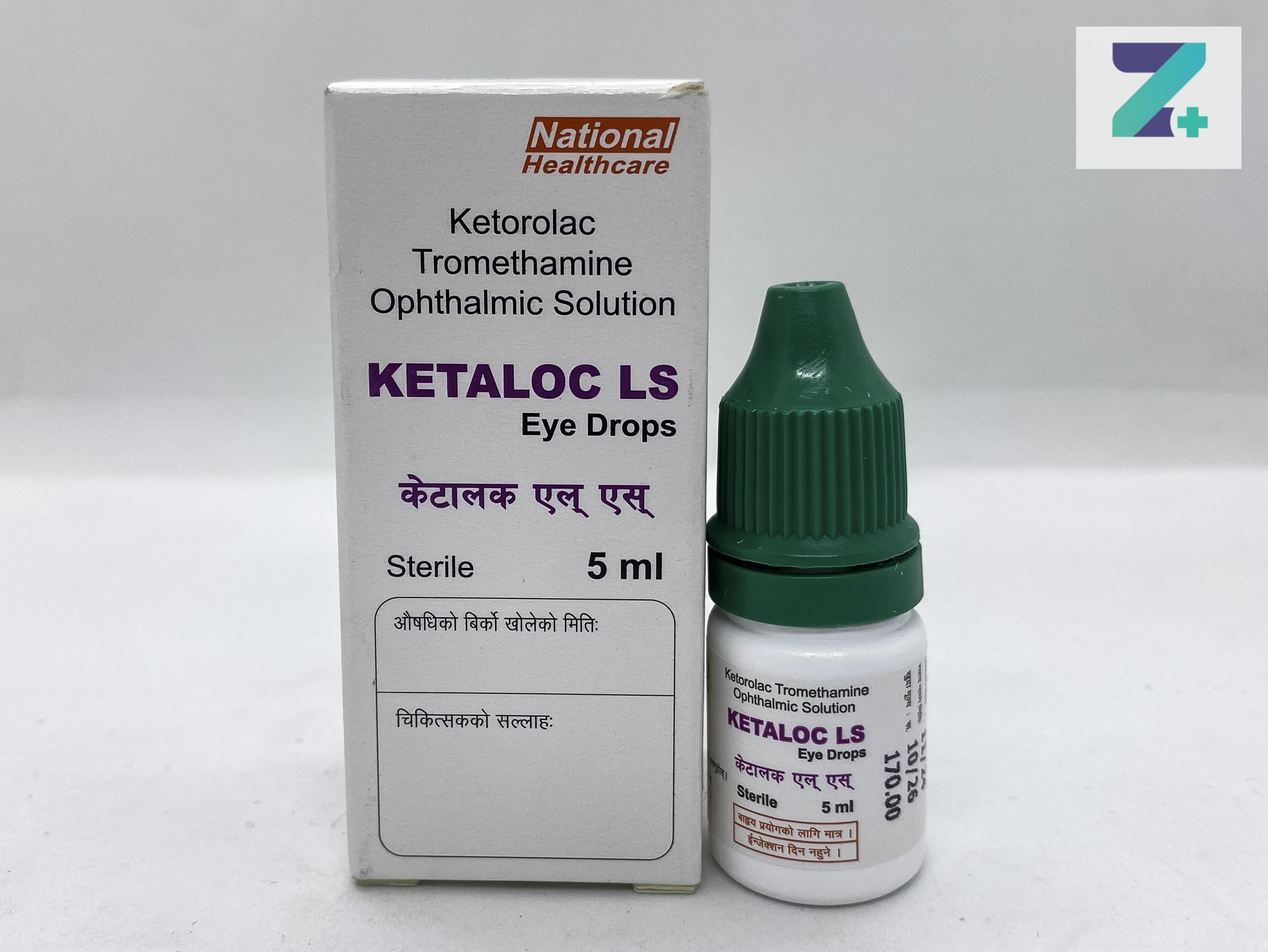
Price: Rs.170.00
10% off
In stock
Loose stock: 0
Description
KETALOC LS EYE DROP EYE DROPS 5ML
Details
Composition
BENZALKONIUM CHLORIDE 0.001% W/V,KETOROLAC TROMETHAMINE 4 MG
# Benzalkonium Chloride 0.001% w/v + Ketorolac Tromethamine 4 mg
## SHORT DESCRIPTION
Benzalkonium Chloride 0.001% w/v + Ketorolac Tromethamine 4 mg is an **ophthalmic eye-drop preparation** containing ketorolac, a non-steroidal anti-inflammatory drug (NSAID), and benzalkonium chloride, a preservative.
Ketorolac eye drops help reduce **eye pain, inflammation, redness, and discomfort** associated with certain ophthalmic conditions and procedures.
> **Important:** The exact approved use, concentration, and dosing schedule may vary by product and country. Follow the instructions provided by your ophthalmologist or the product label.
## KEY BENEFITS
* Helps reduce eye inflammation
* Helps relieve ocular pain and discomfort
* May reduce inflammation following certain eye procedures
* Helps reduce prostaglandin-mediated inflammatory symptoms
* Provides localized treatment directly to the eye
* Benzalkonium chloride helps protect the multidose formulation from microbial contamination
## USES / INDICATIONS
Ketorolac ophthalmic preparations may be prescribed for:
* **Eye pain and inflammation**
* Inflammation associated with certain eye surgeries
* Post-operative ocular discomfort
* Reduction of ocular inflammation following appropriate ophthalmic procedures
* Other inflammatory eye conditions when specifically prescribed
The exact indication depends on the specific formulation and your doctor's assessment.
> **Note:** Ketorolac eye drops are not antibiotics and do not directly treat bacterial, viral, or fungal eye infections.
## HOW IT WORKS
### Ketorolac Tromethamine
Ketorolac is an **NSAID**. It inhibits cyclooxygenase (COX) enzymes, reducing the production of prostaglandins.
Lower prostaglandin levels help decrease:
* Eye inflammation
* Pain
* Swelling
* Irritation associated with inflammation
### Benzalkonium Chloride
Benzalkonium chloride is an **antimicrobial preservative** used in some multidose ophthalmic preparations to help prevent microbial contamination.
Because preservatives can irritate the ocular surface, prolonged or frequent exposure may be problematic in some people, particularly those with dry-eye disease.
## DOSAGE & ADMINISTRATION
* Use the eye drops exactly as prescribed by your ophthalmologist.
* Wash your hands before applying the drops.
* Tilt your head back and gently pull down the lower eyelid.
* Instill the prescribed number of drops into the affected eye.
* Do not allow the dropper tip to touch the eye, eyelashes, eyelids, or other surfaces.
* Close the eye gently after application.
* Keep the container tightly closed after use.
* Do not use more frequently or for longer than prescribed.
### Using Other Eye Drops
If you use other ophthalmic medicines, generally leave **at least 5 minutes between different eye drops**, unless your ophthalmologist gives different instructions.
### Contact Lenses
Remove contact lenses before applying the drops if instructed by the product labeling or your eye-care professional. Benzalkonium chloride can be absorbed by soft contact lenses and may irritate the eye.
### Missed Dose
Apply the missed dose when remembered unless it is nearly time for the next dose. Do not use extra drops to compensate.
## SIDE EFFECTS
### Common Side Effects
* Temporary burning or stinging
* Eye irritation
* Redness
* Watery eyes
* Eye discomfort
* Headache
* Temporary blurred vision
### Serious Side Effects
Contact an ophthalmologist promptly if you experience:
* Severe or persistent eye pain
* Significant worsening of redness or irritation
* Persistent blurred or reduced vision
* Excessive sensitivity to light
* Corneal damage or ulceration
* Delayed wound healing
* Severe swelling
* Signs of an allergic reaction
Topical ophthalmic NSAIDs can rarely cause **serious corneal complications**, particularly in susceptible patients or when used inappropriately or for prolonged periods.
## PRECAUTIONS & WARNINGS
Tell your doctor before using this medicine if you have:
* Allergy to ketorolac, aspirin, or other NSAIDs
* Asthma triggered by aspirin or NSAIDs
* A history of corneal disease
* Severe dry-eye disease
* Previous corneal ulceration
* Bleeding disorders
* A tendency to bleed easily
* Recently undergone eye surgery
* Planned eye surgery
* An active eye infection
### Corneal Warning
Ophthalmic NSAIDs may rarely contribute to **corneal thinning, ulceration, erosion, or perforation**, particularly in people with compromised corneas, severe dry eye, diabetes, rheumatoid arthritis, or repeated/prolonged use.
Use exactly as prescribed.
### Infection
Ketorolac does not treat eye infections. If you develop worsening redness, discharge, swelling, or eye pain, seek professional evaluation.
### Bleeding
Ketorolac may interfere with platelet function and may increase bleeding risk, particularly in susceptible patients or when combined with other medicines affecting blood clotting.
### Preservative Sensitivity
Benzalkonium chloride may cause irritation, particularly with frequent or long-term use. Patients with dry-eye symptoms may require a preservative-free alternative.
### Pregnancy and Breastfeeding
Tell your doctor if you are pregnant, planning pregnancy, or breastfeeding before using ketorolac ophthalmic drops.
## DRUG INTERACTIONS
Potential interactions or additive effects may occur with:
* Other **ophthalmic NSAIDs**
* Aspirin
* Oral NSAIDs such as ibuprofen or naproxen
* Anticoagulants such as warfarin
* Antiplatelet medicines
* Topical corticosteroid eye drops
* Other ophthalmic medicines that can irritate or affect corneal healing
Using ophthalmic NSAIDs together with corticosteroids may increase the risk of corneal complications in susceptible patients.
Always inform your doctor or pharmacist about all prescription medicines, over-the-counter medicines, vitamins, and herbal supplements you use.
## STORAGE INFORMATION
* Store according to the manufacturer's instructions.
* Keep the bottle tightly closed when not in use.
* Store at the recommended room temperature unless the product label specifies otherwise.
* Protect from excessive heat, moisture, and direct sunlight.
* Do not freeze unless specifically instructed.
* Keep out of the sight and reach of children.
* Do not use after the expiry date.
* Do not use the product if the solution becomes contaminated or changes significantly in appearance.
* Follow the manufacturer's instructions regarding how long the bottle can be used after opening.
## PRESCRIPTION STATUS
**Prescription Medicine / Prescription Status May Vary**
Ketorolac ophthalmic preparations may require a prescription depending on the country, formulation, and intended use.
Use only under the supervision of an ophthalmologist or qualified healthcare professional.
## GENUINE MEDICINE ASSURANCE
When purchasing Benzalkonium Chloride + Ketorolac Tromethamine eye drops:
* Purchase from a licensed and reputable pharmacy.
* Check that the packaging is sealed and intact.
* Verify the medicine name and strength.
* Check the batch number and expiry date.
* Ensure the bottle has been stored appropriately.
* Avoid products with damaged, altered, or suspicious packaging.
* Purchase from authorized pharmaceutical suppliers.
* Consult a pharmacist if you have concerns about authenticity or product quality.
## FAQ — FREQUENTLY ASKED QUESTIONS
### What is Ketorolac Tromethamine eye drop used for?
Ketorolac eye drops are used to help **reduce eye pain and inflammation**, particularly in connection with certain ophthalmic procedures and inflammatory conditions.
### Is Ketorolac an antibiotic eye drop?
No. Ketorolac is an **NSAID**, not an antibiotic. It reduces inflammation and pain but does not treat bacterial infections.
### Is Ketorolac a steroid?
No. Ketorolac is a **non-steroidal anti-inflammatory drug (NSAID)**.
### How does Ketorolac eye drop work?
Ketorolac blocks COX enzymes and reduces prostaglandin production, helping decrease inflammation and pain in the eye.
### What is Benzalkonium Chloride used for in eye drops?
Benzalkonium chloride is used as an **antimicrobial preservative** in some multidose ophthalmic formulations.
### Can Ketorolac eye drops reduce eye pain?
Yes. Ketorolac ophthalmic drops can help relieve ocular pain associated with inflammation and certain eye procedures.
### Can Ketorolac eye drops reduce redness?
They may help reduce redness when it is caused by inflammation. They should not be used simply as a cosmetic treatment for unexplained red eyes.
### Can Ketorolac eye drops treat an eye infection?
No. Ketorolac does not kill bacteria, viruses, or fungi. An appropriate antimicrobial treatment may be necessary if an infection is present.
### Can Ketorolac eye drops be used after eye surgery?
Yes. Ketorolac ophthalmic preparations are commonly prescribed in certain post-operative situations to control ocular pain and inflammation.
### Can Ketorolac eye drops damage the cornea?
Rarely, topical ophthalmic NSAIDs can cause serious corneal complications. The risk may be higher in patients with corneal disease, severe dry eye, diabetes, or prolonged/repeated use.
### Can Ketorolac eye drops cause burning?
Yes. Temporary burning or stinging after application can occur.
### Can Ketorolac eye drops cause blurred vision?
Temporary blurred vision may occur after application. Persistent or significant vision changes require prompt medical evaluation.
### Can I use Ketorolac eye drops with other eye drops?
They may be used with other eye medicines when prescribed. Generally, leave **at least 5 minutes between different eye drops**, unless your doctor advises otherwise.
### Can I wear contact lenses while using these eye drops?
Contact lenses should generally be removed before application when the product contains benzalkonium chloride. Follow the specific product instructions regarding lens removal and reinsertion.
### Can Ketorolac eye drops be used during pregnancy?
Tell your doctor if you are pregnant or planning pregnancy. Your ophthalmologist will determine whether the potential benefits outweigh the risks.
### Can Ketorolac eye drops be used while breastfeeding?
Consult your doctor before using them while breastfeeding so that the treatment can be assessed for your individual circumstances.
### Can Ketorolac eye drops increase bleeding?
Ketorolac can affect platelet function, so there may be an increased bleeding risk in susceptible individuals, particularly when combined with anticoagulant or antiplatelet medicines.
### Can I use Ketorolac with ibuprofen?
Both are NSAIDs. Using them together may increase the risk of adverse effects and should only be done if specifically recommended by a healthcare professional.
### Can Ketorolac eye drops be used for dry eyes?
Ketorolac is not a routine treatment for dry eye. In fact, preservatives such as benzalkonium chloride may worsen irritation in some people with dry-eye disease.
### How long should I use Ketorolac eye drops?
Use the medicine for exactly the duration prescribed by your ophthalmologist. Prolonged or inappropriate use may increase the risk of corneal complications.
### What should I do if I miss a dose?
Apply the missed dose when remembered unless it is almost time for the next dose. Do not use extra drops to compensate.
### What happens if I accidentally use too many drops?
A single extra drop is unlikely to cause serious harm, but repeated excessive use can increase irritation and other adverse effects. Contact your healthcare professional if excessive use occurs.
### How should Ketorolac eye drops be stored?
Store them according to the manufacturer's instructions, keep the bottle tightly closed, protect it from excessive heat and sunlight, and do not use it after the expiry date.
### Are Ketorolac eye drops available without a prescription?
Prescription requirements vary by country and formulation. Many ketorolac ophthalmic preparations are used under medical supervision and may require a prescription.
## MEDICAL DISCLAIMER
This information is provided for educational and informational purposes only and is not a substitute for professional medical advice, diagnosis, or treatment. Benzalkonium Chloride 0.001% w/v + Ketorolac Tromethamine 4 mg ophthalmic preparation should be used according to the product label or as directed by a qualified eye-care professional.
**Topical ophthalmic NSAIDs can rarely cause serious corneal complications**, especially in patients with compromised corneas, severe dry eye, diabetes, or prolonged use. Do not self-treat unexplained eye pain or redness. Seek prompt ophthalmic care for severe eye pain, significant vision changes, marked light sensitivity, or worsening symptoms.