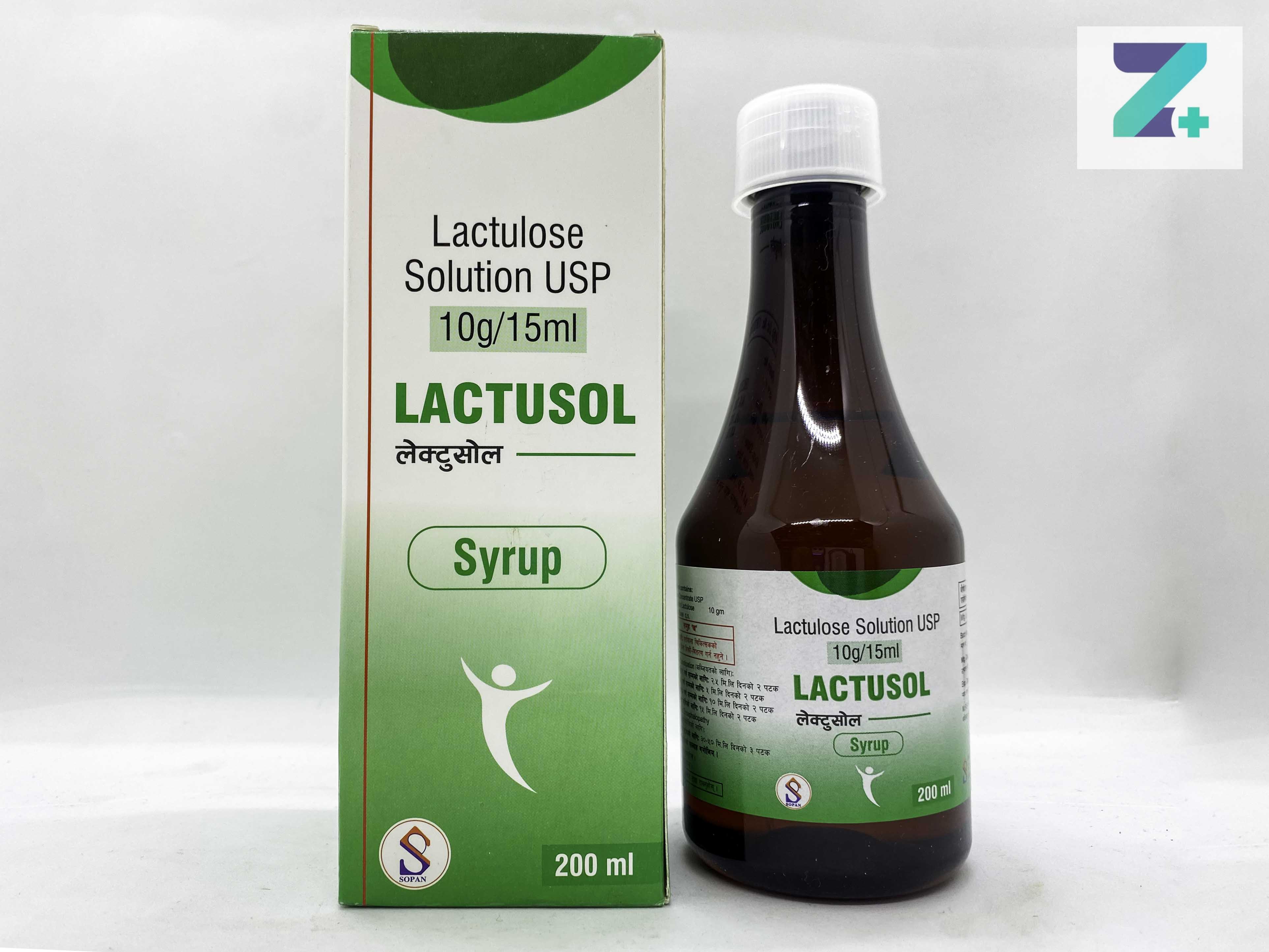
LACTUSOL
Price: Rs.400.00
10% off
In stock
Loose stock: 0
Description
LACTUSOL SYR 200ML
Details
Composition
LACTULOSE 10 GM
# Lactulose 10 gm
## Short Description
**Lactulose 10 gm** is an **osmotic laxative** used for the treatment of **constipation** and for reducing elevated blood ammonia levels in conditions such as **hepatic encephalopathy**. It works by drawing water into the bowel, softening stools, and promoting easier bowel movement.
Lactulose is a synthetic sugar that is not fully absorbed by the body and helps improve bowel regularity while supporting the removal of toxic ammonia from the bloodstream in certain liver-related conditions.
> **Important:** Use Lactulose as directed by a healthcare professional, especially when used for liver disease-related conditions.
---
# Key Benefits Section
- Provides relief from constipation.
- Softens hard stools and makes bowel movements easier.
- Helps improve bowel regularity.
- Supports management of hepatic encephalopathy.
- Helps reduce ammonia absorption from the intestine.
- Gentle action suitable for long-term constipation management when medically advised.
- Improves digestive comfort and reduces straining during bowel movements.
---
# Uses / Indications
Lactulose 10 gm may be used for:
## Constipation
Used for:
- Occasional constipation.
- Hard or difficult-to-pass stools.
- Improving bowel movement frequency.
## Hepatic Encephalopathy
Used to:
- Reduce increased blood ammonia levels.
- Prevent recurrence of confusion and neurological symptoms associated with liver disease.
## Bowel Regulation
May be recommended for:
- Patients requiring softer stools.
- Conditions where avoiding straining is important.
---
# How It Works
Lactulose works as an **osmotic laxative**.
It works by:
- Drawing water into the colon.
- Increasing stool water content.
- Softening stools.
- Stimulating bowel movement.
In hepatic encephalopathy:
- Lactulose is broken down by intestinal bacteria.
- It creates an acidic environment in the colon.
- This reduces absorption of ammonia.
- Helps lower blood ammonia levels.
---
# Dosage & Administration
Always use **Lactulose 10 gm** according to your healthcare provider’s instructions.
## General Guidelines for Constipation
- Taken orally as a syrup or prepared form.
- Dose depends on age, severity of constipation, and response.
- Drink adequate fluids unless restricted by your doctor.
## For Hepatic Encephalopathy
- Dose is adjusted to achieve the recommended number of soft stools per day.
- Regular medical monitoring may be required.
## Important Advice
- Take consistently for best results.
- Improvement may take 24–48 hours.
- Do not exceed recommended doses.
## Missed Dose
- Take when remembered.
- If close to the next dose, skip it.
- Do not double the dose.
---
# Side Effects
Like all medicines, Lactulose may cause side effects.
## Common Side Effects
- Gas (flatulence)
- Bloating
- Abdominal discomfort
- Stomach cramps
- Nausea
## Effects from Excessive Use
- Diarrhea
- Dehydration
- Electrolyte imbalance
- Abdominal pain
## Serious Side Effects (Seek Medical Attention)
- Severe diarrhea.
- Signs of dehydration.
- Severe weakness.
- Irregular heartbeat due to electrolyte imbalance.
---
# Precautions & Warnings
Before using Lactulose, inform your healthcare provider if you have:
- Diabetes.
- Lactose intolerance.
- Intestinal blockage.
- Severe abdominal pain of unknown cause.
- Electrolyte imbalance.
- Kidney problems.
## Important Warnings
- Excessive use may cause dehydration and electrolyte disturbances.
- Do not use if intestinal obstruction is suspected.
- Monitor blood sugar levels if used regularly in diabetic patients.
- Seek medical advice if constipation persists.
- Maintain adequate fluid intake unless medically restricted.
---
# Drug Interactions
Lactulose may interact with:
## Medicines Affecting Electrolytes
- Diuretics (water pills).
- Corticosteroids.
(May increase the risk of electrolyte imbalance.)
## Other Laxatives
- Other laxatives may increase the risk of diarrhea and dehydration.
## Antibiotics
- Some antibiotics may affect intestinal bacteria and reduce Lactulose effectiveness.
Always inform your healthcare provider about all prescription medicines, over-the-counter medicines, vitamins, and herbal supplements you are taking.
---
# Storage Information
- Store below **30°C** or according to manufacturer instructions.
- Keep in a cool, dry place.
- Protect from direct sunlight.
- Keep container tightly closed.
- Keep out of reach of children.
- Do not use after the expiry date.
---
# Prescription Status
**Prescription Status May Vary by Country**
Lactulose may be available as a prescription medicine or over-the-counter product depending on local regulations and intended use.
---
# Genuine Medicine Assurance
We provide **100% genuine, quality-assured medicines** sourced from authorized pharmaceutical manufacturers and licensed distributors. Every product is stored and handled according to recommended pharmaceutical standards to help maintain its quality, safety, and effectiveness.
---
# Frequently Asked Questions (FAQ)
## 1. What is Lactulose 10 gm used for?
Lactulose 10 gm is used to treat constipation and to reduce ammonia levels in hepatic encephalopathy.
## 2. How does Lactulose work?
It draws water into the intestine, softening stools and helping bowel movement.
## 3. How long does Lactulose take to work?
It may take 24–48 hours to produce a bowel movement.
## 4. Is Lactulose a stimulant laxative?
No. Lactulose is an osmotic laxative that works by increasing water content in stools.
## 5. Can Lactulose be used daily?
It may be used regularly when recommended by a healthcare professional.
## 6. Does Lactulose cause gas and bloating?
Yes. Gas and bloating are common, especially when starting treatment.
## 7. Can Lactulose be used during pregnancy?
Lactulose is often considered suitable during pregnancy, but consult your healthcare provider before use.
## 8. Can diabetic patients take Lactulose?
Yes, but diabetic patients should use it under medical advice and monitor blood sugar when required.
## 9. Can Lactulose cause diarrhea?
Yes. Taking too much Lactulose may cause diarrhea and dehydration.
## 10. Can Lactulose be taken with other medicines?
It may affect the absorption or effectiveness of some medicines. Inform your doctor about all medicines you take.
## 11. What should I do if I take too much Lactulose?
Contact a healthcare professional if excessive diarrhea, dehydration, or severe abdominal discomfort occurs.
## 12. Is Lactulose addictive?
No. Lactulose is not considered habit-forming.
## 13. Can children take Lactulose?
Children may use Lactulose when prescribed with a dose appropriate for their age and condition.
## 14. When should I see a doctor for constipation?
Seek medical advice if constipation is persistent, severe, associated with blood in stool, weight loss, or severe abdominal pain.
---
# Medical Disclaimer
The information provided on this page is intended for **educational and informational purposes only** and should not replace professional medical advice, diagnosis, or treatment. Always consult a qualified healthcare provider before starting, stopping, or changing any medication. **Lactulose 10 gm** should be used according to recommended guidelines, especially in patients with liver disease or long-term constipation. Seek medical attention if severe side effects or unusual symptoms occur.
```