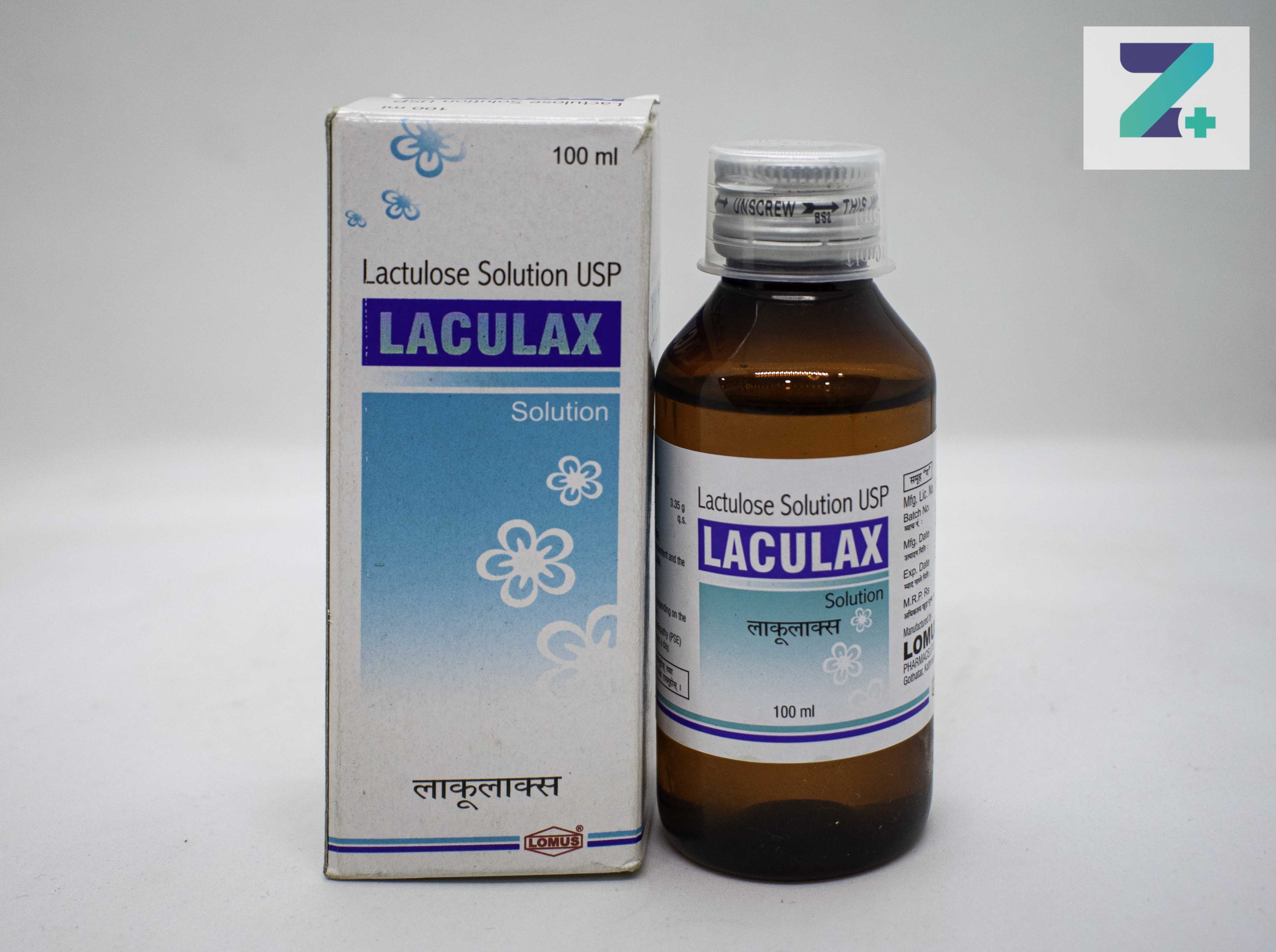
LACULAX
Price: Rs.200.00
10% off
In stock
Loose stock: 0
Description
LACULAX SOLUTION 100ML
Details
Composition
LACTULOSE 3.35 GM
# LACTULOSE 3.35 GM
## SHORT DESCRIPTION
**Lactulose 3.35 g** is an osmotic laxative used primarily to treat **constipation**. It works by drawing water into the bowel, which softens stools and makes them easier to pass.
Lactulose may also be prescribed in higher or individualized doses for the prevention and treatment of **hepatic encephalopathy** associated with severe liver disease.
> **Note:** Lactulose products may be labeled in different ways, such as grams per dose or grams per 15 mL. Always verify the exact concentration and measuring instructions on the product label.
---
## KEY BENEFITS
* Helps relieve **constipation**.
* Softens hard and dry stools.
* Makes bowel movements easier to pass.
* Can help establish more regular bowel movements.
* Generally suitable for longer-term constipation management when medically appropriate.
* May be used under medical supervision to help reduce intestinal ammonia absorption in **hepatic encephalopathy**.
---
## USES / INDICATIONS
Lactulose may be used for:
1. **Constipation** and difficult bowel movements.
2. Softening stools when straining should be avoided.
3. Prevention or treatment of **hepatic encephalopathy** in people with significant liver disease, under medical supervision.
### Constipation
Lactulose is particularly useful when stool is hard or bowel movements are difficult to pass.
### Hepatic Encephalopathy
In people with advanced liver disease, lactulose can help reduce the absorption of ammonia from the intestine and is used as part of medical treatment for hepatic encephalopathy.
---
## HOW IT WORKS
Lactulose is a **synthetic, non-absorbable disaccharide**.
It passes largely undigested into the colon, where intestinal bacteria metabolize it into organic acids. This process:
* Increases the amount of water in the bowel.
* Softens stool.
* Increases stool volume.
* Promotes bowel movement.
In hepatic encephalopathy, acidification of the colon helps convert ammonia (**NH₃**) into ammonium (**NH₄⁺**), which is less readily absorbed. Lactulose also promotes the elimination of nitrogen-containing waste through the stool.
---
## DOSAGE & ADMINISTRATION
### For Constipation
The appropriate dose depends on age, severity of constipation, and the specific product concentration.
A healthcare professional may recommend an **initial higher dose followed by a lower maintenance dose** once regular bowel movements are established.
Lactulose can generally be taken:
* With or without food.
* Once daily or in divided doses depending on the prescribed regimen.
* Mixed with water, juice, or another suitable liquid if needed to improve taste.
### For Hepatic Encephalopathy
Dosing is different from constipation treatment and should be determined by a healthcare professional.
The goal is generally to produce **multiple soft bowel movements per day**, rather than watery diarrhea.
### Important
* Use the supplied measuring device or an accurate measuring cup.
* Drink adequate fluids unless your doctor has instructed you to restrict fluid intake.
* Do not exceed the recommended dose.
* It may take **24–48 hours** for the full laxative effect to become apparent.
### Missed Dose
Take the missed dose when remembered unless it is nearly time for the next scheduled dose.
**Do not take a double dose.**
---
## SIDE EFFECTS
### Common Side Effects
Lactulose may cause:
* Flatulence
* Bloating
* Abdominal cramps
* Abdominal discomfort
* Nausea
* Diarrhea
Gas and bloating may be more noticeable when treatment is first started and may improve with continued use.
### Excessive Dosage
Taking too much lactulose may cause:
* Severe diarrhea
* Abdominal cramping
* Dehydration
* Loss of electrolytes
* Low potassium or other electrolyte abnormalities
Seek medical advice if severe or persistent diarrhea occurs.
### Serious Side Effects
Contact a healthcare professional if you develop:
* Severe or persistent abdominal pain
* Persistent vomiting
* Severe diarrhea
* Signs of dehydration
* Muscle weakness or abnormal heartbeat associated with electrolyte disturbances
---
## PRECAUTIONS & WARNINGS
### Intestinal Obstruction
Lactulose should not be used in people with known or suspected **intestinal obstruction** unless specifically directed by a healthcare professional.
Seek urgent medical attention for severe abdominal pain, persistent vomiting, marked abdominal swelling, or inability to pass stool or gas.
### Diabetes
Some lactulose formulations may contain small amounts of sugars. People with diabetes should consider this when using larger doses or prolonged treatment.
### Electrolyte Imbalance
Prolonged excessive diarrhea can lead to dehydration and electrolyte abnormalities.
### Adequate Fluid Intake
Maintain adequate fluid intake while using lactulose unless you have been instructed to restrict fluids because of another medical condition.
### Children
Lactulose may be used in children when recommended by a healthcare professional. Doses should be **age-appropriate**.
### Older Adults
Older adults may be more susceptible to dehydration and electrolyte disturbances, particularly with excessive dosing.
### Pregnancy & Breastfeeding
Lactulose has minimal systemic absorption and is generally considered compatible with pregnancy and breastfeeding when appropriately used. Nevertheless, consult a healthcare professional before use.
---
## DRUG INTERACTIONS
Lactulose has relatively few clinically significant drug interactions, but some considerations are important.
### Other Laxatives
Combining lactulose with other laxatives may increase the risk of:
* Diarrhea
* Dehydration
* Electrolyte abnormalities
Use combinations only when recommended.
### Medicines Affected by Electrolyte Changes
Excessive diarrhea and potassium loss may affect the safety or effectiveness of certain medicines, including some:
* Diuretics
* Cardiac medicines
* Corticosteroids
### Antibiotics
Certain antibiotics may alter intestinal bacteria and potentially affect lactulose's action.
Always inform your doctor or pharmacist about all medicines, supplements, and herbal products you use.
---
## STORAGE INFORMATION
* Store according to the manufacturer's recommended conditions.
* Keep the bottle tightly closed.
* Protect from excessive heat and direct sunlight.
* Keep out of reach and sight of children.
* Do not use after the expiry date.
* Do not use if the product has an unusual appearance or if the container is damaged.
---
## PRESCRIPTION STATUS
**Prescription status varies by country and formulation.**
Lactulose is available as a **prescription medicine in some markets** and may be available without a prescription in others.
Use it according to the product label or healthcare professional's instructions.
---
## GENUINE MEDICINE ASSURANCE
When purchasing **Lactulose 3.35 g**, obtain the product from a **licensed pharmacy or authorized medicine supplier**.
Before use, check:
* Product name and strength/concentration
* Active ingredient
* Manufacturer information
* Batch/lot number
* Manufacturing and expiry dates
* Packaging and seal integrity
* Regulatory information
* Product appearance
Do not use the medicine if the packaging is damaged, the seal is broken, the product appears contaminated, or it has expired.
---
# FAQ – LACTULOSE 3.35 GM
### 1. What is Lactulose 3.35 g used for?
Lactulose is primarily used to treat **constipation**. It may also be prescribed to manage **hepatic encephalopathy** associated with severe liver disease.
### 2. Is Lactulose a laxative?
Yes. Lactulose is an **osmotic laxative** that draws water into the bowel and softens stool.
### 3. How does Lactulose work for constipation?
It reaches the colon largely undigested, where bacteria break it down into organic acids. This increases water in the bowel and helps produce softer stools.
### 4. How long does Lactulose take to work?
Lactulose commonly takes **24–48 hours** to produce a noticeable laxative effect, although the response varies between individuals.
### 5. Can Lactulose be taken every day?
It may be used regularly for chronic constipation when recommended by a healthcare professional. Long-term use should follow appropriate medical guidance.
### 6. Does Lactulose cause gas?
Yes. **Gas and bloating are common**, particularly during the early stages of treatment.
### 7. Can Lactulose cause diarrhea?
Yes. Taking too much lactulose can cause diarrhea. If diarrhea is severe or persistent, the dose may need adjustment and medical advice should be sought.
### 8. Can I take Lactulose with food?
Yes. Lactulose can generally be taken **with or without food**.
### 9. Can Lactulose be mixed with water or juice?
Yes. Lactulose may be mixed with water, juice, or another suitable beverage if needed to improve its taste, provided the product instructions permit this.
### 10. How much water should I drink with Lactulose?
Maintain adequate fluid intake while taking lactulose unless your doctor has advised you to restrict fluids.
### 11. Is Lactulose safe during pregnancy?
Lactulose has minimal systemic absorption and may be used during pregnancy when appropriate. Consult your healthcare professional before use.
### 12. Can Lactulose be used while breastfeeding?
Lactulose is minimally absorbed from the gastrointestinal tract and is generally considered compatible with breastfeeding. Consult a healthcare professional if you have concerns.
### 13. Can children take Lactulose?
Yes, lactulose may be prescribed for children, but the **dose should be determined according to age and clinical need**.
### 14. Can Lactulose be used by older adults?
Yes, but older adults should be monitored for **dehydration and electrolyte disturbances**, particularly if diarrhea occurs.
### 15. Is Lactulose used for liver disease?
Yes. Lactulose is commonly used to help prevent and treat **hepatic encephalopathy** in patients with significant liver disease.
### 16. Does Lactulose lower ammonia levels?
In hepatic encephalopathy, lactulose helps reduce intestinal ammonia absorption and increase the elimination of nitrogen-containing waste, which can help reduce ammonia-related symptoms.
### 17. Can I take Lactulose with other laxatives?
Combining laxatives can increase the risk of diarrhea, dehydration, and electrolyte disturbances. Use combination treatment only when recommended by a healthcare professional.
### 18. What happens if I take too much Lactulose?
Excessive lactulose can cause **severe diarrhea, abdominal cramps, dehydration, and electrolyte imbalance**. Contact a healthcare professional if a large amount has been taken or severe symptoms develop.
### 19. Who should not take Lactulose?
People with **known or suspected intestinal obstruction** should generally not use lactulose unless specifically directed by a healthcare professional.
### 20. Is Lactulose available without a prescription?
Prescription requirements vary by country and product. Lactulose may be available OTC in some markets and by prescription in others.
---
## MEDICAL DISCLAIMER
This information about **Lactulose 3.35 g** is provided for general educational and informational purposes only. It does not replace professional medical advice, diagnosis, or treatment.
Lactulose should be used according to the product label or healthcare professional's instructions. Excessive use can cause **diarrhea, dehydration, and electrolyte abnormalities**.
Seek prompt medical attention for **severe abdominal pain, persistent vomiting, marked abdominal swelling, inability to pass stool or gas, severe diarrhea, or signs of dehydration**. Patients using lactulose for hepatic encephalopathy should follow their specialist's dosing and monitoring instructions carefully.