LEVERA XR 500
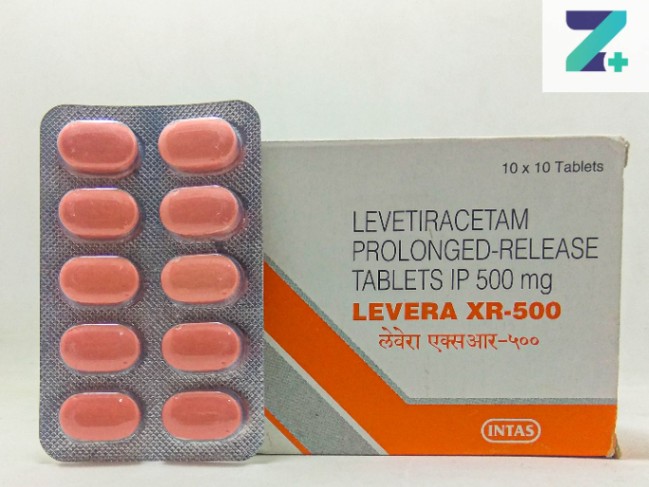
Price: Rs.221.92
13% off
In stock
Loose stock: 0
Description
LEVERA XR 500 TAB 10
Details
Composition
LEVETIRACETAM 500MG
# Levetiracetam 500 mg
## SHORT DESCRIPTION
**Levetiracetam 500 mg** is an antiepileptic medicine used to help **prevent and control seizures**. It may be prescribed alone or together with other antiepileptic medicines, depending on the type of seizure and the patient's clinical condition.
Levetiracetam is available in different formulations, including immediate-release tablets, oral solution, and extended-release tablets. The appropriate formulation and dose should be selected by a healthcare professional.
## KEY BENEFITS
* Helps control and prevent **epileptic seizures**
* Used for several types of seizures
* May be used alone or as add-on treatment
* Can help reduce the frequency of recurrent seizures
* Has relatively few clinically significant drug interactions compared with many older antiepileptic medicines
* Available in different dosage forms for convenient administration
## USES / INDICATIONS
Levetiracetam may be prescribed for:
* **Partial-onset (focal) seizures**
* **Myoclonic seizures** associated with juvenile myoclonic epilepsy
* **Primary generalized tonic-clonic seizures**
* Other seizure disorders when specifically prescribed by a neurologist or healthcare professional
The approved indications can vary depending on the formulation, patient's age, and local prescribing guidelines.
## HOW IT WORKS
Levetiracetam is an **antiepileptic medicine**. Its exact mechanism is not completely understood, but it primarily binds to a protein called **synaptic vesicle protein 2A (SV2A)** in nerve cells.
This helps regulate neurotransmitter release and reduces abnormal electrical activity in the brain that can contribute to seizures.
**Levetiracetam → Binds to SV2A → Modulates neurotransmitter release → Helps stabilize abnormal neuronal activity → Reduces seizures**
## DOSAGE & ADMINISTRATION
The dose should be individualized by the prescribing healthcare professional.
### Adults
For immediate-release levetiracetam, treatment is commonly started at a lower dose and gradually adjusted. A frequently used adult maintenance regimen is **500 mg twice daily**, although some patients may require lower or higher doses.
* Take exactly as prescribed.
* Take doses at approximately the same times every day.
* Tablets may generally be taken **with or without food**.
* Swallow tablets with water.
* Do not crush or chew extended-release tablets unless the product instructions specifically permit it.
### Kidney Function
Levetiracetam is primarily eliminated through the kidneys. Patients with reduced kidney function may require **dose adjustment**.
### Children
Dosing in children is based on **body weight, age, seizure type, and formulation**. Pediatric doses should be determined by a healthcare professional.
### Missed Dose
Take the missed dose when remembered unless it is nearly time for the next scheduled dose. **Do not take two doses together** to make up for a missed dose.
### Important
**Do not stop levetiracetam suddenly.** Abrupt discontinuation can increase the risk of seizures, including potentially prolonged or severe seizures. Any dose reduction or discontinuation should generally be performed gradually under medical supervision.
## SIDE EFFECTS
Common side effects may include:
* Sleepiness or drowsiness
* Dizziness
* Headache
* Fatigue
* Weakness
* Irritability
* Agitation
* Nervousness
* Difficulty sleeping
* Reduced appetite
* Nausea
### Mood and Behavioral Changes
Some people may experience:
* Irritability
* Aggression
* Anxiety
* Depression
* Mood changes
* Unusual behavior
* Emotional changes
Contact your healthcare professional if significant behavioral or mood changes develop.
### Serious Side Effects
Seek medical attention promptly for:
* Severe mood or behavioral changes
* Suicidal thoughts or unusual thoughts of self-harm
* Severe allergic reaction
* Swelling of the face, lips, tongue, or throat
* Difficulty breathing
* Severe skin rash, blistering, or peeling
* Unexplained bruising or other signs of a blood disorder
## PRECAUTIONS & WARNINGS
### Do Not Stop Suddenly
Suddenly stopping levetiracetam can increase seizure frequency. Your doctor will usually reduce the dose gradually when discontinuation is appropriate.
### Kidney Disease
Tell your doctor if you have kidney disease. Because levetiracetam is mainly eliminated by the kidneys, the dose may need adjustment.
### Mood and Behavior
Levetiracetam can cause behavioral or psychiatric symptoms in some patients. Inform your doctor if you or your family notice:
* New or worsening depression
* Irritability
* Aggression
* Anxiety
* Severe mood changes
* Suicidal thoughts
* Unusual behavior
### Drowsiness and Dizziness
Levetiracetam may cause sleepiness, dizziness, or reduced alertness, particularly when treatment begins or the dose is increased.
Avoid driving, operating machinery, or performing potentially dangerous activities until you know how the medicine affects you.
### Pregnancy
Do not stop antiepileptic treatment without medical advice if you become pregnant. Uncontrolled seizures can also pose significant risks during pregnancy.
Tell your doctor if you are pregnant, planning pregnancy, or could become pregnant. Your healthcare professional will assess the appropriate treatment and dose.
### Breastfeeding
Levetiracetam passes into breast milk. Consult your healthcare professional before breastfeeding while taking this medicine.
### Children
Children may experience behavioral changes or sleepiness. Pediatric use should be monitored by a healthcare professional.
## DRUG INTERACTIONS
Levetiracetam generally has **fewer drug interactions** than many traditional antiepileptic medicines, but interactions are still possible.
Tell your doctor if you take:
* Other antiepileptic medicines
* Sedatives or medicines that cause drowsiness
* Sleeping medicines
* Certain psychiatric medicines
* Alcohol or other substances that affect the central nervous system
Taking levetiracetam with other medicines that cause drowsiness may increase sleepiness or impaired alertness.
Always provide your doctor or pharmacist with a complete list of prescription medicines, over-the-counter medicines, vitamins, and herbal supplements you use.
## STORAGE INFORMATION
* Store according to the manufacturer's instructions.
* Keep at room temperature unless otherwise specified.
* Protect from excessive heat, moisture, and direct sunlight.
* Keep the tablets in their original packaging.
* Keep the container tightly closed.
* Keep out of reach and sight of children.
* Do not use after the expiry date.
* Do not use tablets from damaged or improperly sealed packaging.
## PRESCRIPTION STATUS
**Levetiracetam 500 mg is a prescription medicine.**
It should be used under the supervision of a qualified healthcare professional, particularly because seizure type, kidney function, treatment duration, and dose may need to be monitored.
## GENUINE MEDICINE ASSURANCE
To help ensure you receive genuine Levetiracetam 500 mg:
* Purchase from a licensed and reputable pharmacy.
* Check the medicine name and strength.
* Verify the manufacturer's details.
* Check the batch number and expiry date.
* Ensure the packaging is sealed and undamaged.
* Confirm that the strength is **500 mg**.
* Avoid products with altered, damaged, or suspicious packaging.
* Purchase prescription medicines only from authorized sources.
* Ask your pharmacist to verify the product if you have concerns about authenticity.
## FAQ SECTION
### What is Levetiracetam 500 mg used for?
Levetiracetam 500 mg is an **antiepileptic medicine used to control and prevent seizures**. It may be prescribed for focal seizures and certain generalized seizure disorders.
### Is Levetiracetam 500 mg a seizure medicine?
Yes. Levetiracetam is an **antiepileptic or anticonvulsant medicine** used to reduce seizure activity.
### How does Levetiracetam work?
Levetiracetam primarily binds to **synaptic vesicle protein 2A (SV2A)** in nerve cells and helps regulate neuronal signaling, reducing abnormal electrical activity associated with seizures.
### Is Levetiracetam 500 mg a high dose?
500 mg is a commonly used tablet strength. The appropriate daily dose varies according to the patient's age, seizure type, kidney function, response, and other factors.
### How often is Levetiracetam 500 mg taken?
Immediate-release levetiracetam is commonly taken **twice daily**, but the exact dose and frequency should be determined by your doctor.
### Can Levetiracetam be taken with food?
Yes. Immediate-release levetiracetam can generally be taken **with or without food**.
### Can I stop taking Levetiracetam when my seizures stop?
No. Do not stop levetiracetam without medical advice. Stopping suddenly can increase the risk of seizures.
### Does Levetiracetam cure epilepsy?
Levetiracetam helps **control seizures** but does not necessarily cure epilepsy. Some patients require long-term treatment.
### Can Levetiracetam make you sleepy?
Yes. Sleepiness and fatigue are relatively common, especially during the early stages of treatment.
### Can Levetiracetam cause dizziness?
Yes. Dizziness may occur and can be more noticeable when treatment begins or the dose is increased.
### Can Levetiracetam affect mood?
Yes. Some people may experience irritability, aggression, anxiety, depression, or other behavioral changes. Significant or sudden changes should be reported to a healthcare professional.
### Can Levetiracetam cause suicidal thoughts?
Antiepileptic medicines, including levetiracetam, may be associated with changes in mood or suicidal thoughts in some patients. Seek immediate professional help if suicidal thoughts or severe behavioral changes occur.
### Can I drive while taking Levetiracetam?
Levetiracetam may cause drowsiness or dizziness. Do not drive or operate machinery until you know how the medicine affects you and your doctor confirms that it is appropriate.
### Can Levetiracetam be taken with other seizure medicines?
Yes. Levetiracetam is frequently used as an **add-on treatment** with other antiepileptic medicines when prescribed by a healthcare professional.
### Does Levetiracetam interact with many medicines?
Compared with many older antiepileptic medicines, levetiracetam has relatively few clinically important drug interactions. However, you should still inform your healthcare professional about all medicines you take.
### Can I drink alcohol while taking Levetiracetam?
Alcohol may increase drowsiness, dizziness, and impaired alertness. Discuss alcohol use with your healthcare professional.
### Can Levetiracetam be used during pregnancy?
Pregnancy decisions should be made with a healthcare professional. Do not stop levetiracetam suddenly during pregnancy because uncontrolled seizures can be dangerous.
### Can Levetiracetam be used while breastfeeding?
Levetiracetam passes into breast milk. Consult your healthcare professional before breastfeeding while taking this medicine.
### Does Levetiracetam affect the kidneys?
Levetiracetam is primarily eliminated through the kidneys. People with impaired kidney function may require a lower or adjusted dose.
### What should I do if I miss a dose of Levetiracetam?
Take the missed dose when you remember unless it is nearly time for your next dose. Do not double the next dose.
### What happens if I accidentally take too much Levetiracetam?
An overdose can cause severe drowsiness, agitation, reduced consciousness, or other symptoms. Seek urgent medical attention if you have taken significantly more than prescribed.
### How long does Levetiracetam take to work?
Levetiracetam reaches effective blood concentrations relatively quickly, but seizure control and the appropriate long-term dose vary between individuals.
### How should Levetiracetam 500 mg be stored?
Store it according to the manufacturer's instructions, generally at room temperature and away from excessive heat and moisture. Keep it out of reach of children.
## MEDICAL DISCLAIMER
This information about **Levetiracetam 500 mg** is provided for educational and informational purposes only and is not a substitute for professional medical advice, diagnosis, or treatment.
Levetiracetam is a prescription antiepileptic medicine and should be used according to the instructions of a qualified healthcare professional. **Do not stop treatment suddenly**, as abrupt discontinuation can increase the risk of seizures.
Patients should be monitored for significant mood or behavioral changes, including depression, aggression, unusual behavior, or suicidal thoughts. Patients with kidney impairment may require dose adjustment.
Always follow your doctor's prescription and the manufacturer's product information regarding dosage, contraindications, precautions, interactions, and duration of treatment.