LEVOBACT-500
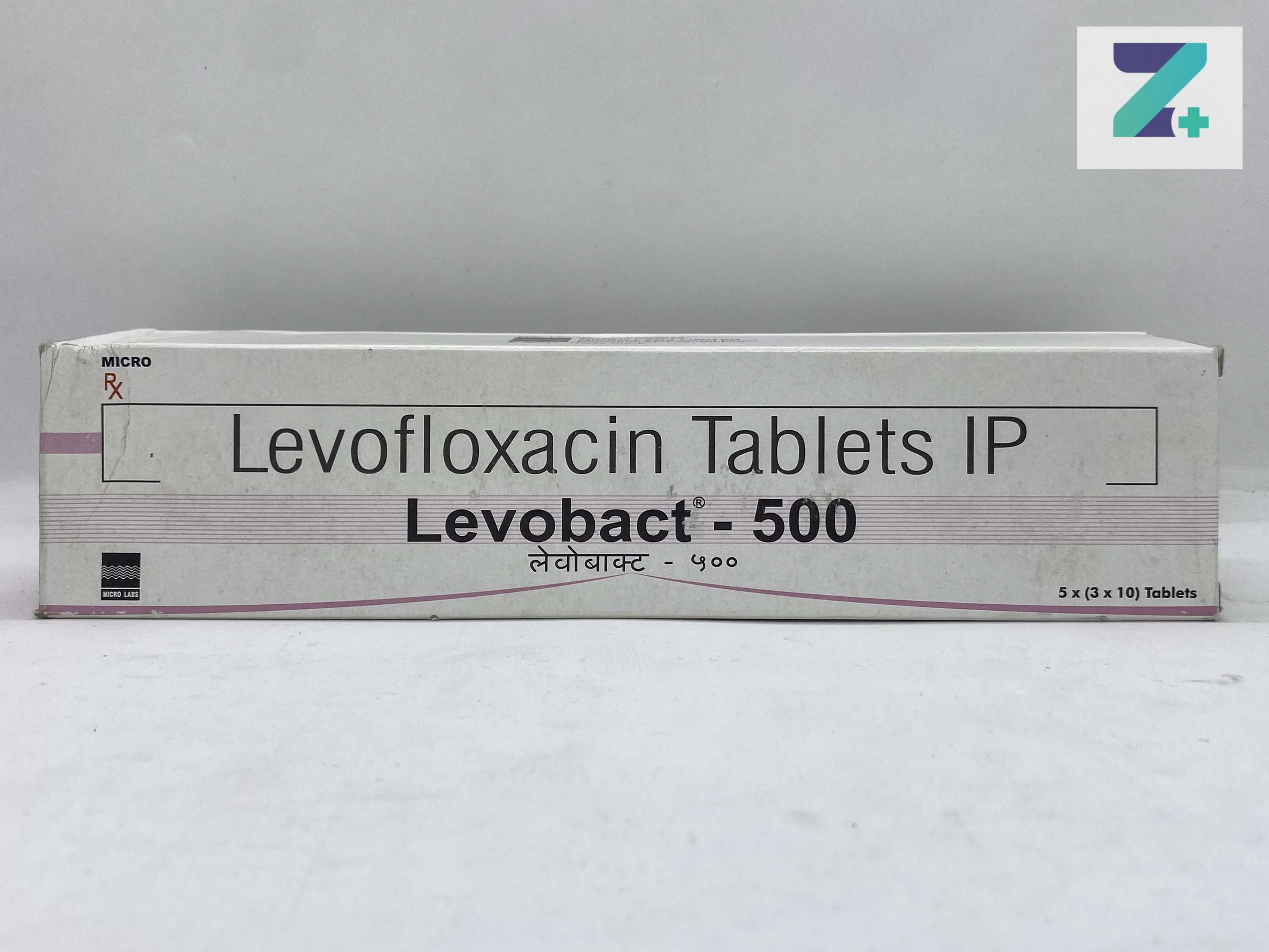
Price: Rs.161.08
10% off
In stock
Loose stock: 7
Description
LEVOBACT-500 TAB 10
Details
Composition
LEVOFLOXACIN 500
# LEVOFLOXACIN 500 MG
## Short Description
**Levofloxacin 500 mg** is a **fluoroquinolone antibiotic** used to treat certain susceptible bacterial infections. It works by interfering with bacterial enzymes required for DNA replication and repair, thereby preventing bacterial growth and survival.
Levofloxacin may be prescribed for selected **respiratory tract, urinary tract, skin and soft-tissue, and other bacterial infections** when appropriate. It does **not** treat viral infections such as the common cold or influenza.
> **Important:** Fluoroquinolone antibiotics can cause potentially serious and sometimes long-lasting adverse effects. They should generally be reserved for infections where levofloxacin is an appropriate treatment option.
## Key Benefits
* Treats a range of **susceptible bacterial infections**.
* Has activity against several Gram-positive and Gram-negative bacteria.
* May be used for selected respiratory bacterial infections.
* May be used for certain urinary tract and kidney infections.
* Provides systemic antibacterial treatment when oral therapy is appropriate.
* Convenient once-daily dosing is used for many adult indications.
## Uses / Indications
Depending on the infection, bacterial susceptibility, and local prescribing guidance, levofloxacin may be used for:
* **Community-acquired bacterial pneumonia**.
* Certain bacterial respiratory tract infections.
* **Complicated urinary tract infections**.
* **Acute pyelonephritis** (kidney infection).
* Certain skin and soft-tissue infections.
* Chronic bacterial prostatitis.
* Other susceptible bacterial infections when specifically indicated.
Levofloxacin may also be used for certain specialized infections under medical supervision.
### Important
Levofloxacin should **not be routinely used for uncomplicated infections when safer effective alternatives are available**, because fluoroquinolones can cause serious adverse effects.
It is ineffective against viral infections such as:
* Common cold.
* Influenza.
* Most viral sore throats.
## How It Works
Levofloxacin is a **fluoroquinolone antibiotic**.
It inhibits bacterial enzymes called:
* **DNA gyrase**.
* **Topoisomerase IV**.
These enzymes are essential for bacterial DNA replication, repair, and maintenance.
By blocking these enzymes, levofloxacin interferes with bacterial DNA processes and ultimately causes bacterial cell death.
## Dosage & Administration
The dose and treatment duration depend on the **type and severity of infection, kidney function, age, bacterial susceptibility, and clinical response**.
For many adult infections, commonly used regimens include:
* **500 mg once daily**, although some infections require different doses or durations.
* Take the medicine exactly as prescribed.
* It can generally be taken **with or without food**.
* Swallow the tablet with sufficient water.
* Try to take it at approximately the same time each day.
* Complete the prescribed course unless your healthcare professional tells you to stop.
* **Do not self-treat with leftover antibiotics.**
### Important Administration Instructions
Do not take levofloxacin at the same time as products containing significant amounts of:
* Iron.
* Zinc.
* Magnesium.
* Aluminum.
* Calcium-containing antacids or mineral supplements.
These can reduce levofloxacin absorption.
Generally, separate these products from levofloxacin by **at least 2 hours before or after**, following the specific product instructions.
### If You Miss a Dose
Take the missed dose when remembered unless it is nearly time for the next dose. **Do not take two doses together.**
### Kidney Impairment
Levofloxacin is primarily eliminated through the kidneys. Patients with reduced kidney function may require **dose adjustment**.
## Side Effects
Common side effects may include:
* Nausea.
* Diarrhea.
* Headache.
* Dizziness.
* Insomnia.
* Abdominal discomfort.
* Vomiting.
* Changes in taste.
### Serious Side Effects
Fluoroquinolones, including levofloxacin, can cause serious adverse reactions.
Seek medical attention promptly if you experience:
* **Tendon pain, swelling, or rupture**, particularly involving the Achilles tendon.
* Severe muscle or joint pain.
* Numbness, tingling, burning, weakness, or other symptoms of **peripheral neuropathy**.
* Severe mood or behavioral changes.
* Confusion, hallucinations, or severe anxiety.
* Seizures.
* Severe or persistent diarrhea.
* Irregular or very rapid heartbeat.
* Fainting.
* Severe allergic reaction.
* Significant blood sugar changes.
### Aortic Complications
Rarely, fluoroquinolones have been associated with an increased risk of **aortic aneurysm or dissection**, particularly in people at increased baseline risk.
Seek urgent medical attention for sudden severe chest, abdominal, or back pain.
## Precautions & Warnings
### Tendon Injury
Levofloxacin can cause **tendinitis and tendon rupture**.
The risk is higher in:
* Older adults.
* People taking corticosteroids.
* People with kidney disease.
* Patients with a history of tendon disorders.
* People receiving certain transplant-related treatments.
Stop exercising and contact your healthcare professional if tendon pain or swelling develops.
### Peripheral Neuropathy
Nerve damage can occur during or after fluoroquinolone treatment.
Report:
* Burning.
* Tingling.
* Numbness.
* Weakness.
* Altered sensation.
Prompt medical evaluation is important if these symptoms develop.
### Central Nervous System Effects
Levofloxacin may cause:
* Dizziness.
* Anxiety.
* Insomnia.
* Confusion.
* Hallucinations.
* Tremors.
* Seizures in susceptible individuals.
Avoid driving or operating machinery if you feel dizzy or impaired.
### Heart Rhythm
Levofloxacin can **prolong the QT interval** in susceptible individuals.
Tell your doctor if you have:
* Long QT syndrome.
* Significant heart disease.
* Abnormal heart rhythm.
* Low potassium or magnesium.
* A history of fainting due to heart rhythm problems.
### Blood Sugar
Levofloxacin can cause **hypoglycemia or hyperglycemia**, particularly in people with diabetes using glucose-lowering medicines.
Monitor blood glucose as recommended.
### Myasthenia Gravis
Fluoroquinolones can potentially worsen **muscle weakness in people with myasthenia gravis**.
### Kidney Disease
Dose adjustment may be necessary in patients with reduced kidney function.
### Pregnancy and Breastfeeding
Tell your healthcare professional if you are pregnant, planning pregnancy, or breastfeeding before taking levofloxacin.
### Sun Sensitivity
Some patients may experience increased sensitivity to sunlight. Protect exposed skin from excessive sunlight and discontinue sun exposure if significant skin reactions develop.
## Drug Interactions
### Antacids and Mineral Supplements
Antacids or supplements containing:
* Aluminum.
* Magnesium.
* Iron.
* Zinc.
can significantly reduce levofloxacin absorption.
Separate administration according to the product instructions, generally by **at least 2 hours**.
### Sucralfate
Sucralfate can interfere with levofloxacin absorption and should be taken separately.
### Warfarin
Levofloxacin may increase the effect of **warfarin** in some patients. Additional monitoring of INR may be required.
### Corticosteroids
Combining levofloxacin with corticosteroids may increase the risk of **tendon injury or tendon rupture**.
### Diabetes Medicines
Levofloxacin can affect blood glucose levels in people taking insulin or other diabetes medicines.
### QT-Prolonging Medicines
The risk of abnormal heart rhythms may increase when levofloxacin is combined with other medicines that prolong the QT interval.
### NSAIDs
Some NSAIDs may increase the risk of central nervous system stimulation or seizures when combined with fluoroquinolones.
Tell your healthcare professional about **all prescription medicines, OTC medicines, supplements, and herbal products** you take.
## Storage Information
* Store at room temperature according to the manufacturer's instructions.
* Keep tablets in the original packaging.
* Protect from excessive heat, moisture, and direct sunlight.
* Keep the container tightly closed.
* Keep out of reach of children.
* Do not use after the expiry date.
* Dispose of unused antibiotics according to local pharmacy guidance.
## Prescription Status
**Levofloxacin 500 mg is a prescription-only antibiotic in many countries.**
It should only be used when prescribed by a qualified healthcare professional. Because of potentially serious fluoroquinolone-related adverse effects, it is generally reserved for situations where its benefits outweigh its risks.
## Genuine Medicine Assurance
When purchasing Levofloxacin 500 mg, obtain it from a **licensed pharmacy or authorized medicine supplier**.
Before use, verify:
* Correct medicine name and **500 mg strength**.
* Manufacturer details.
* Batch/lot number.
* Manufacturing and expiry dates.
* Intact packaging and seals.
* Clear dosage instructions.
* Proper storage conditions.
Do not use the product if the packaging appears damaged, tampered with, incorrectly labeled, or suspicious.
## Frequently Asked Questions (FAQ)
### 1. What is Levofloxacin 500 mg used for?
Levofloxacin 500 mg is used to treat certain **susceptible bacterial infections**, including selected respiratory, urinary, kidney, skin, and other bacterial infections.
### 2. Is levofloxacin an antibiotic?
Yes. Levofloxacin is a **fluoroquinolone antibiotic**.
### 3. Can levofloxacin treat a cold or flu?
No. Colds and influenza are generally caused by **viruses**, which are not treated by levofloxacin.
### 4. How does levofloxacin work?
Levofloxacin blocks bacterial **DNA gyrase and topoisomerase IV**, enzymes needed for bacterial DNA replication and repair.
### 5. How should Levofloxacin 500 mg be taken?
Many adult regimens use **500 mg once daily**, but the correct dose and duration depend on the infection and kidney function. Always follow your prescription.
### 6. Can levofloxacin be taken with food?
Yes. Levofloxacin tablets can generally be taken **with or without food**.
### 7. Can I take milk with levofloxacin?
Food containing calcium generally does not have the same effect as concentrated mineral supplements, but products containing significant amounts of **calcium, iron, magnesium, or zinc** can reduce absorption. Follow your product-specific instructions.
### 8. Can I take antacids with levofloxacin?
Yes, but not at the same time. Antacids containing **aluminum or magnesium** can reduce absorption. Separate them from levofloxacin according to the product instructions.
### 9. Can levofloxacin cause tendon problems?
Yes. Levofloxacin can cause **tendinitis and tendon rupture**, including Achilles tendon injury. The risk is increased in older adults and people taking corticosteroids.
### 10. What should I do if I develop tendon pain?
Stop strenuous physical activity and contact your healthcare professional promptly if you develop **tendon pain, swelling, or stiffness** while taking levofloxacin.
### 11. Can levofloxacin cause nerve damage?
Rarely, levofloxacin can cause **peripheral neuropathy**. Report numbness, tingling, burning, pain, or weakness promptly.
### 12. Can levofloxacin cause dizziness?
Yes. **Dizziness and headache** can occur. Avoid driving or operating machinery if you feel impaired.
### 13. Can levofloxacin affect blood sugar?
Yes. Levofloxacin can cause changes in blood glucose, particularly in people with diabetes taking insulin or other glucose-lowering medicines.
### 14. Can levofloxacin affect the heart?
Levofloxacin can prolong the **QT interval** and rarely contribute to serious abnormal heart rhythms, especially in people with risk factors or when combined with other QT-prolonging medicines.
### 15. Can I take levofloxacin with paracetamol?
There is generally no major direct interaction between levofloxacin and paracetamol. However, use medicines according to their recommended doses and your healthcare professional's advice.
### 16. Can I take levofloxacin with ibuprofen?
They may sometimes be used together, but NSAIDs such as ibuprofen can potentially increase certain central nervous system adverse effects and seizure risk. Ask a healthcare professional if you need regular NSAID treatment.
### 17. Can I drink alcohol while taking levofloxacin?
Alcohol may worsen dizziness or other side effects. It is advisable to **limit or avoid alcohol** while taking levofloxacin, particularly if you experience dizziness or other CNS effects.
### 18. Can I stop levofloxacin when I feel better?
Do not stop or change your antibiotic treatment without medical advice. However, if you develop serious adverse effects such as tendon pain, neuropathy, or severe neurological symptoms, **contact your healthcare professional promptly**, as treatment may need to be discontinued.
### 19. What happens if I miss a dose of levofloxacin?
Take it when remembered unless it is nearly time for the next dose. **Do not double the dose.**
### 20. How long does levofloxacin take to work?
Many bacterial infections begin improving within a few days, but the timing varies. If symptoms worsen or fail to improve as expected, contact your healthcare professional.
### 21. Can levofloxacin be used during pregnancy?
Levofloxacin is generally not routinely preferred during pregnancy. Tell your doctor if you are pregnant or planning pregnancy so that the safest appropriate treatment can be selected.
### 22. Can levofloxacin be used while breastfeeding?
Levofloxacin can pass into breast milk. Discuss the potential benefits and risks with your healthcare professional before use during breastfeeding.
### 23. Can levofloxacin treat urinary tract infections?
Yes. Levofloxacin can treat **selected urinary tract infections and kidney infections**, but its use for uncomplicated UTIs is generally limited when safer alternatives are suitable.
### 24. Is Levofloxacin 500 mg available without a prescription?
Levofloxacin is generally a **prescription-only antibiotic**. It should not be purchased or used without appropriate medical evaluation.
### 25. What should I do if I take too much levofloxacin?
Seek medical advice or urgent medical care. An overdose can cause symptoms including nausea, dizziness, confusion, seizures, and abnormal heart rhythms.
## Medical Disclaimer
This information about **Levofloxacin 500 mg** is provided for general educational and informational purposes only. It is not a substitute for professional medical advice, diagnosis, or treatment.
Levofloxacin is a **fluoroquinolone antibiotic with potentially serious adverse effects**, including tendon injury or rupture, peripheral neuropathy, central nervous system effects, blood glucose disturbances, and abnormal heart rhythms. It should be used only when clinically appropriate and prescribed by a qualified healthcare professional.
Do not use levofloxacin for viral infections or share antibiotics with others. Seek urgent medical attention for **severe allergic reactions, tendon rupture, significant nerve symptoms, seizures, severe confusion, fainting, irregular heartbeat, severe persistent diarrhea, or sudden severe chest, abdominal, or back pain**.