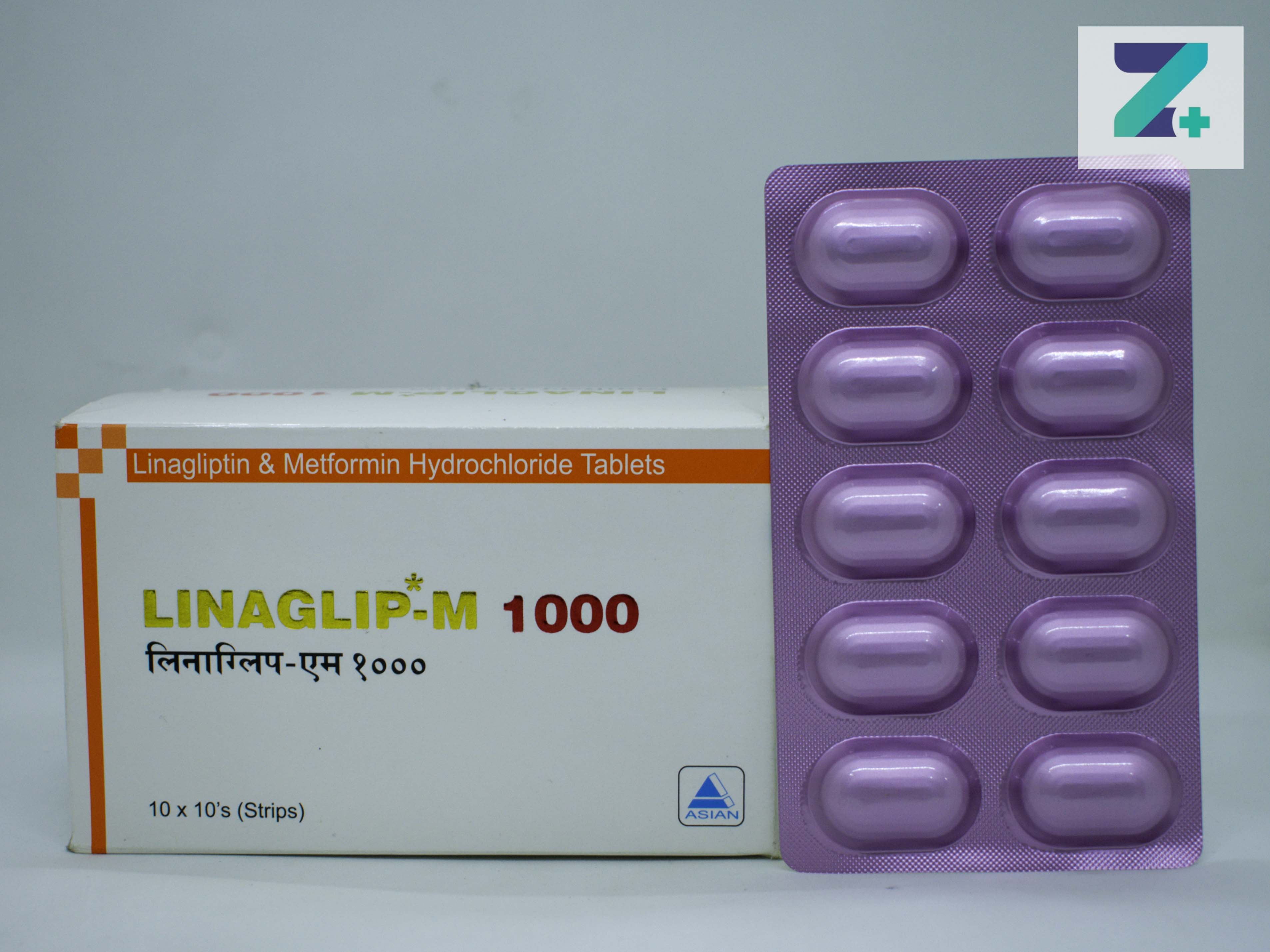
LINAGLIP-M 1000
Price: Rs.160.00
15% off
In stock
Loose stock: 0
Description
LINAGLIP-M 1000 TAB 10
Details
Composition
LINAGLIPTIN 2.5 MG,METFORMIN 1 G
# LINAGLIPTIN 2.5 MG + METFORMIN 1 G
## SHORT DESCRIPTION
**Linagliptin 2.5 mg + Metformin 1 g** is an oral combination medicine used to help control **blood glucose levels in adults with type 2 diabetes mellitus**. It combines linagliptin, a **DPP-4 inhibitor**, with metformin, a biguanide.
The combination works through complementary mechanisms: metformin reduces glucose production by the liver and improves insulin sensitivity, while linagliptin enhances glucose-dependent insulin release and reduces glucagon secretion.
> **Important:** The exact approved strength, formulation, and dosing schedule can vary by product. A 2.5 mg linagliptin + 1 g metformin combination is often formulated as a **twice-daily regimen**, but patients should follow the specific prescription and product label.
---
## KEY BENEFITS
* Helps improve **blood glucose control** in type 2 diabetes.
* Combines two complementary glucose-lowering medicines.
* Metformin helps reduce excess glucose production by the liver.
* Linagliptin enhances the body's natural incretin response.
* Generally has a low risk of hypoglycemia when used without insulin or insulin-secretagogue medicines.
* Can help improve **HbA1c** as part of an overall diabetes treatment plan.
* Convenient combination therapy may reduce the number of separate tablets required.
---
## USES / INDICATIONS
Linagliptin 2.5 mg + Metformin 1 g may be prescribed for:
1. **Type 2 diabetes mellitus**
2. Improving blood glucose control when diet and exercise are insufficient.
3. Patients requiring combination therapy with linagliptin and metformin.
4. Patients whose blood glucose is inadequately controlled with metformin alone or another appropriate regimen.
### Not Intended For
This combination is **not intended to treat type 1 diabetes mellitus or diabetic ketoacidosis**.
---
## HOW IT WORKS
### Linagliptin
Linagliptin is a **DPP-4 inhibitor**.
DPP-4 normally breaks down incretin hormones such as GLP-1 and GIP. By inhibiting DPP-4, linagliptin increases incretin activity.
This helps:
* Increase insulin release when blood glucose is elevated.
* Reduce glucagon secretion when blood glucose is elevated.
* Reduce excessive glucose production by the liver.
Because its insulin-stimulating effect is glucose-dependent, linagliptin alone generally has a low risk of hypoglycemia.
### Metformin
Metformin primarily:
* Decreases glucose production by the liver.
* Improves insulin sensitivity.
* Increases peripheral glucose utilization.
* Reduces intestinal glucose absorption to a lesser extent.
### Combined Action
**Linagliptin → improves glucose-dependent insulin response**
**Metformin → reduces hepatic glucose production + improves insulin sensitivity**
Together, these effects help improve blood glucose control.
---
## DOSAGE & ADMINISTRATION
### General Guidance
The dose should be individualized by a healthcare professional based on:
* Blood glucose and HbA1c
* Current diabetes treatment
* Kidney function
* Tolerability
* Other medical conditions
* The exact formulation prescribed
A combination containing **linagliptin 2.5 mg + metformin 1 g** is commonly administered **twice daily** in appropriate patients, providing a total daily linagliptin dose of 5 mg and metformin dose of 2 g.
**Follow the exact prescription and product label.**
### How to Take
* Take with meals to improve gastrointestinal tolerability.
* Take at approximately the same times each day.
* Swallow extended-release tablets whole if applicable.
* Do not crush, split, or chew an extended-release formulation unless specifically permitted by the product instructions.
### Missed Dose
Take the missed dose when remembered unless it is almost time for the next scheduled dose.
**Do not double the dose.**
### Kidney Function
Metformin dosing depends significantly on kidney function. Renal function should be assessed before starting treatment and monitored periodically.
Linagliptin itself generally does **not require dose adjustment solely because of renal impairment**, but the metformin component may require adjustment or discontinuation.
---
## SIDE EFFECTS
### Common Side Effects
Possible side effects include:
* Diarrhea
* Nausea
* Abdominal discomfort
* Bloating
* Gas
* Indigestion
* Headache
* Upper respiratory symptoms
* Cough
Gastrointestinal effects are particularly common when starting metformin.
### Vitamin B12 Deficiency
Long-term metformin treatment can reduce **vitamin B12 levels** in some patients.
Healthcare professionals may consider periodic monitoring, particularly in patients with anemia, neuropathy, or other risk factors.
### Hypoglycemia
The risk of low blood glucose is generally low when linagliptin and metformin are used alone.
The risk may increase when used with:
* Insulin
* Sulfonylureas
* Other medicines that increase insulin levels
### Serious Side Effects
Seek medical attention for:
* Severe or persistent abdominal pain
* Persistent vomiting
* Severe weakness
* Difficulty breathing
* Severe allergic reactions
* Symptoms suggestive of pancreatitis
* Symptoms suggestive of lactic acidosis
---
## PRECAUTIONS & WARNINGS
### Lactic Acidosis
Metformin has a rare but serious risk of **lactic acidosis**.
Risk is increased in situations such as:
* Severe kidney impairment
* Acute kidney injury
* Severe dehydration
* Severe infection
* Conditions associated with low oxygen levels
* Excessive alcohol consumption
* Certain severe liver conditions
Seek urgent medical attention for unusual weakness, difficulty breathing, persistent vomiting, severe abdominal discomfort, or feeling unusually cold.
### Kidney Function
Kidney function should be evaluated before starting metformin and monitored during treatment.
Metformin is generally contraindicated in **severe renal impairment**.
### Contrast-Enhanced Imaging
Metformin may need to be temporarily discontinued around certain procedures involving **iodinated contrast media**, depending on kidney function and the specific procedure.
Follow the instructions of the healthcare team performing the examination.
### Pancreatitis
DPP-4 inhibitors, including linagliptin, have been associated with reports of **acute pancreatitis**.
Contact a healthcare professional promptly if persistent, severe abdominal pain occurs, particularly if it radiates toward the back.
### Liver Disease
Tell your healthcare professional if you have significant liver disease.
### Alcohol
Avoid excessive alcohol consumption because it can increase the risk of metformin-associated lactic acidosis and destabilize blood glucose.
### Pregnancy
If you are pregnant, planning pregnancy, or become pregnant while taking this medicine, discuss your treatment with your healthcare professional.
### Breastfeeding
Consult your healthcare professional before using this medicine while breastfeeding.
---
## DRUG INTERACTIONS
### Insulin and Sulfonylureas
Combining linagliptin with insulin or sulfonylureas may increase the risk of **hypoglycemia**. Dose adjustments may be necessary.
### Rifampicin
Strong enzyme inducers such as **rifampicin** can reduce linagliptin exposure and may decrease its effectiveness.
### Iodinated Contrast Media
Certain contrast procedures can increase the risk of kidney problems, which may increase the risk associated with metformin.
### Alcohol
Excessive alcohol intake can increase the risk of **metformin-associated lactic acidosis**.
### Other Diabetes Medicines
Tell your healthcare professional if you use:
* Insulin
* Sulfonylureas
* SGLT2 inhibitors
* GLP-1 receptor agonists
* Thiazolidinediones
* Other glucose-lowering medicines
### Medicines Affecting Kidney Function
Some medicines can alter kidney function and may require additional monitoring when taken with metformin.
Always provide a complete list of prescription medicines, OTC medicines, vitamins, and supplements to your healthcare professional.
---
## STORAGE INFORMATION
* Store according to the manufacturer's instructions.
* Keep at room temperature unless the product label specifies otherwise.
* Protect from excessive heat, moisture, and direct sunlight.
* Keep the tablets in their original packaging.
* Keep out of reach and sight of children.
* Do not use after the expiry date.
* Do not use tablets from damaged or improperly sealed packaging.
---
## PRESCRIPTION STATUS
**Prescription medicine.**
Linagliptin 2.5 mg + Metformin 1 g should be used under the supervision of a qualified healthcare professional.
Prescription and dispensing requirements may vary according to the country and local regulations.
---
## GENUINE MEDICINE ASSURANCE
When purchasing **Linagliptin 2.5 mg + Metformin 1 g**, obtain it from a **licensed pharmacy or authorized medicine supplier**.
Check the packaging for:
* Correct medicine name
* Linagliptin strength
* Metformin strength
* Manufacturer information
* Batch/lot number
* Manufacturing date
* Expiry date
* Intact packaging and seal
* Applicable regulatory information
Avoid products with damaged packaging, missing information, altered expiry dates, or questionable authenticity.
---
# FAQ – LINAGLIPTIN 2.5 MG + METFORMIN 1 G
### 1. What is Linagliptin 2.5 mg + Metformin 1 g used for?
It is used to improve **blood glucose control in adults with type 2 diabetes**, alongside an appropriate diet and exercise program.
### 2. What type of medicine is linagliptin?
Linagliptin is an oral **DPP-4 inhibitor** that increases incretin activity and improves glucose-dependent insulin release.
### 3. How does Metformin + Linagliptin work?
Metformin reduces glucose production by the liver and improves insulin sensitivity. Linagliptin increases incretin activity, helping increase insulin release and reduce glucagon secretion when blood glucose is elevated.
### 4. Is Linagliptin + Metformin insulin?
No. It is an **oral diabetes medicine combination** and does not directly replace insulin.
### 5. Can Linagliptin + Metformin cure diabetes?
No. It helps control blood glucose but does not cure type 2 diabetes. Long-term management may also require dietary changes, physical activity, weight management, and other medicines.
### 6. Why is linagliptin included at 2.5 mg?
In many combination products, 2.5 mg of linagliptin is combined with metformin and taken twice daily, giving a total daily linagliptin dose of 5 mg. Always follow the specific product's prescribing instructions.
### 7. Can I take Linagliptin 2.5 mg + Metformin 1 g with food?
Yes, metformin is generally taken with meals to reduce gastrointestinal side effects. Follow the instructions for your particular formulation.
### 8. Does this medicine cause low blood sugar?
The risk is generally low when used alone. However, hypoglycemia becomes more likely when it is combined with **insulin or sulfonylureas**.
### 9. Can Metformin cause diarrhea?
Yes. Diarrhea, nausea, abdominal discomfort, and gas are relatively common with metformin, particularly when treatment is initiated.
### 10. Can Metformin reduce vitamin B12 levels?
Yes. Long-term metformin therapy can reduce vitamin B12 levels in some people. Monitoring may be appropriate in patients with risk factors or symptoms of deficiency.
### 11. Can Linagliptin cause pancreatitis?
Pancreatitis has been reported with DPP-4 inhibitors, including linagliptin. Seek medical attention for persistent severe abdominal pain, particularly if accompanied by vomiting.
### 12. Can I take this medicine if I have kidney disease?
Kidney function is particularly important because of the **metformin component**. The suitability and dose depend on kidney function and should be determined by a healthcare professional.
### 13. Does linagliptin require kidney-dose adjustment?
Linagliptin itself generally does not require dose adjustment solely because of renal impairment. However, the metformin component requires consideration of kidney function.
### 14. Can I drink alcohol while taking Linagliptin + Metformin?
Avoid excessive alcohol consumption because it may increase the risk of **metformin-associated lactic acidosis** and can affect blood glucose control.
### 15. Can I take this medicine with insulin?
It may be prescribed with insulin in some patients, but the combination can increase the risk of hypoglycemia and requires medical supervision.
### 16. What should I do if I miss a dose?
Take the missed dose when remembered unless it is nearly time for the next dose. **Do not take two doses at once.**
### 17. Can I stop this medicine if my blood sugar becomes normal?
Do not stop diabetes medication without consulting your healthcare professional. Normal readings may indicate that the treatment is working.
### 18. Is Linagliptin + Metformin used for type 1 diabetes?
No. This combination is primarily intended for **type 2 diabetes** and should not be used as a replacement for insulin in type 1 diabetes.
### 19. Can this medicine help with weight loss?
Metformin can sometimes be associated with modest weight reduction, while linagliptin is generally considered **weight neutral**. The combination is not specifically a weight-loss medicine.
### 20. Is Linagliptin 2.5 mg + Metformin 1 g available without a prescription?
It is generally a **prescription medicine**, although exact dispensing requirements vary by country.
---
## MEDICAL DISCLAIMER
This information about **Linagliptin 2.5 mg + Metformin 1 g** is provided for general educational purposes only and does not replace professional medical advice, diagnosis, or treatment.
This medicine is intended for **type 2 diabetes management** and should be used alongside appropriate diet, physical activity, blood glucose monitoring, and regular medical follow-up.
Metformin is rarely associated with potentially life-threatening **lactic acidosis**, while linagliptin has been associated with reports of **acute pancreatitis and serious hypersensitivity reactions**. Kidney function is particularly important when determining whether the metformin component is appropriate.
Do not start, stop, or change the dose without consulting a qualified healthcare professional. Seek urgent medical attention for severe weakness, difficulty breathing, persistent vomiting, severe abdominal pain, or symptoms of a serious allergic reaction.
Always follow the **specific product label and your healthcare professional's instructions** regarding dosage, renal function, contraindications, interactions, monitoring, and duration of treatment.