LORVAS 2.5MG
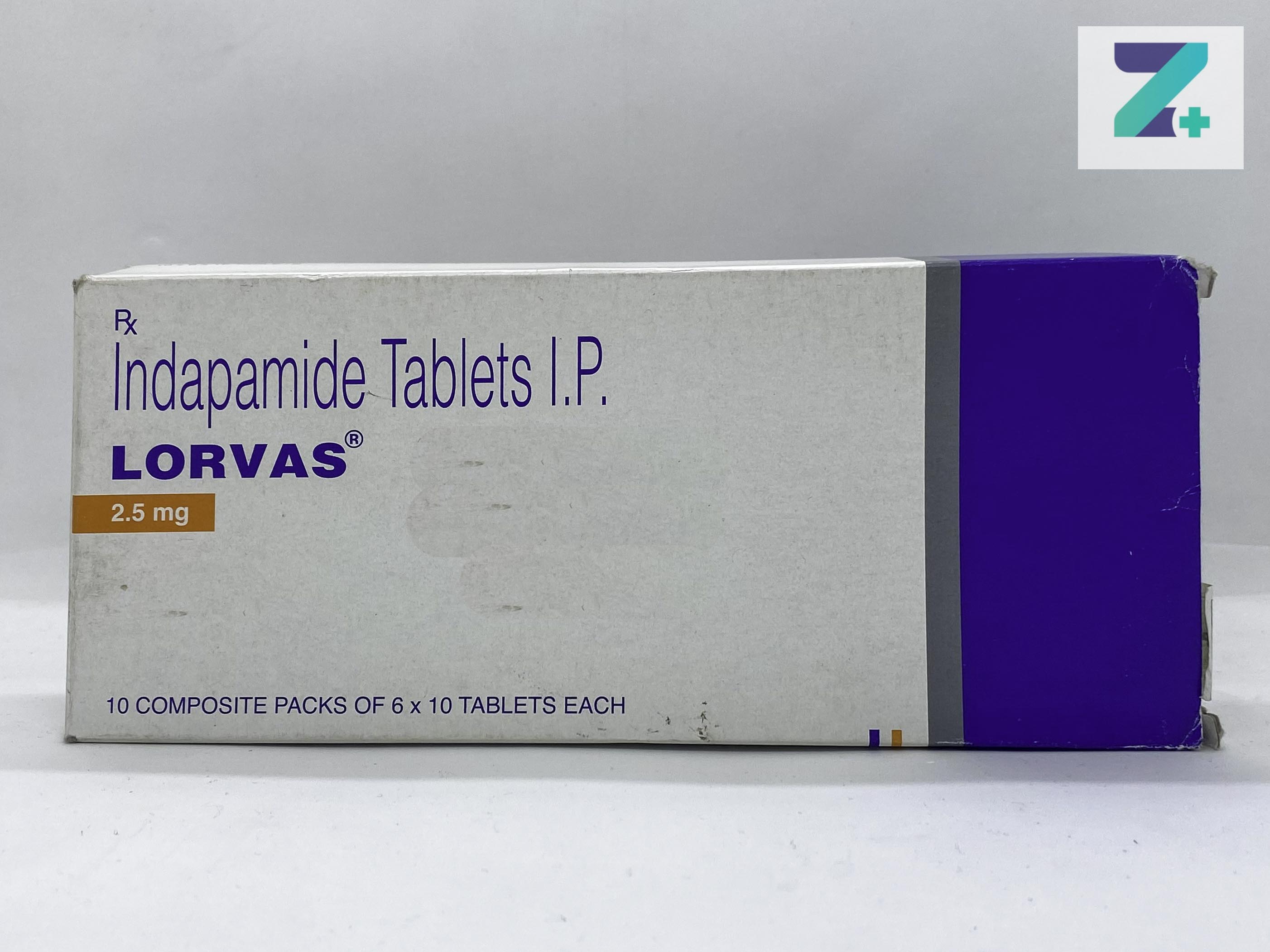
Price: Rs.238.88
13% off
In stock
Loose stock: 0
Description
LORVAS 2.5MG TAB 10
Details
Composition
INDAPAMIDE 2.5 MG
# INDAPAMIDE 2.5 MG
## SHORT DESCRIPTION
**Indapamide 2.5 mg** is a thiazide-like **diuretic (water tablet)** used primarily to treat **high blood pressure (hypertension)**. It helps the kidneys remove excess sodium and water from the body, while also reducing resistance in the small blood vessels.
Indapamide 2.5 mg is commonly used as a **once-daily** medicine and may be used alone or together with other antihypertensive medicines.
---
## KEY BENEFITS
* Helps lower **high blood pressure**.
* Promotes removal of excess sodium and water through urine.
* Helps reduce the workload on the heart.
* May help reduce the risk of complications associated with uncontrolled hypertension.
* Can be used alone or alongside other blood-pressure medicines.
* Provides sustained blood-pressure control when taken regularly.
---
## USES / INDICATIONS
Indapamide 2.5 mg may be prescribed for:
1. **Hypertension (high blood pressure)**
2. Long-term blood-pressure management
3. Fluid retention associated with certain cardiovascular conditions, depending on the formulation and medical assessment
The exact approved indications may vary according to the product and country.
---
## HOW IT WORKS
Indapamide is a **thiazide-like diuretic**.
It acts primarily on the kidneys by reducing the reabsorption of **sodium and chloride**. This increases the amount of sodium and water excreted in urine.
Indapamide also has a direct effect on blood vessels, helping reduce **peripheral vascular resistance**.
Together, these effects help:
* Lower blood volume initially.
* Reduce resistance in blood vessels.
* Lower blood pressure over time.
---
## DOSAGE & ADMINISTRATION
### Typical Adult Dose
For hypertension, a commonly prescribed dose is:
**Indapamide 2.5 mg once daily**, usually taken in the morning.
Some formulations use **1.5 mg modified-release indapamide once daily** rather than 2.5 mg immediate-release tablets. These strengths should **not be considered interchangeable without medical advice**.
### How to Take
* Take exactly as prescribed.
* Take preferably in the morning to reduce nighttime urination.
* Swallow the tablet with water.
* Take it at approximately the same time each day.
* Continue treatment even if you feel well, unless your healthcare professional tells you to stop.
### Missed Dose
Take the missed dose when remembered unless it is close to the next scheduled dose.
**Do not take a double dose.**
---
## SIDE EFFECTS
### Common Side Effects
Possible side effects include:
* Increased urination, particularly when starting treatment
* Dizziness
* Headache
* Weakness
* Fatigue
* Nausea
* Constipation
* Muscle cramps
### Electrolyte Changes
Indapamide can alter blood electrolyte levels and may cause:
* **Low potassium (hypokalemia)**
* Low sodium (hyponatremia)
* Low magnesium
* Increased calcium levels in some patients
Symptoms of significant electrolyte imbalance can include:
* Severe weakness
* Muscle cramps
* Confusion
* Irregular heartbeat
* Excessive tiredness
### Serious Side Effects
Seek medical attention for:
* Fainting or severe dizziness
* Irregular or unusually fast heartbeat
* Severe dehydration
* Significant confusion
* Severe skin rash
* Facial or throat swelling
* Difficulty breathing
---
## PRECAUTIONS & WARNINGS
### Electrolyte Monitoring
Long-term treatment may require monitoring of:
* Potassium
* Sodium
* Kidney function
* Blood pressure
Your healthcare professional may recommend periodic blood tests.
### Dehydration
Excessive fluid loss can cause:
* Dizziness
* Low blood pressure
* Weakness
* Kidney problems
Maintain appropriate fluid intake unless you have been instructed to restrict fluids.
### Kidney Disease
Indapamide may not be appropriate in people with **severe kidney impairment**. Kidney function should be assessed when clinically appropriate.
### Liver Disease
Patients with significant liver disease may require special consideration because electrolyte disturbances can increase the risk of complications.
### Gout
Indapamide can increase **uric acid** levels and may trigger or worsen gout in susceptible individuals.
### Diabetes
Indapamide may affect blood glucose levels. People with diabetes may require additional monitoring.
### Low Potassium
Patients with existing low potassium levels should be assessed before starting treatment.
### Elderly Patients
Older adults may be more susceptible to:
* Dehydration
* Low sodium
* Low potassium
* Dizziness
* Falls
### Sun Sensitivity
Indapamide may increase sensitivity to sunlight in some individuals. Use appropriate sun protection and report unusual skin reactions.
### Pregnancy
Indapamide is generally **not routinely recommended for hypertension during pregnancy**. If you are pregnant or planning pregnancy, discuss treatment with your healthcare professional.
### Breastfeeding
Indapamide may affect milk production and electrolyte balance in the infant. Discuss its use with a healthcare professional before breastfeeding.
---
## DRUG INTERACTIONS
### Other Blood-Pressure Medicines
Indapamide may enhance the blood-pressure-lowering effects of medicines such as:
* ACE inhibitors
* ARBs
* Beta-blockers
* Calcium-channel blockers
* Other diuretics
Blood pressure may need monitoring.
### Lithium
Indapamide can reduce lithium clearance and potentially cause **lithium toxicity**.
This combination generally requires specialist supervision and close monitoring.
### Other Diuretics
Combining indapamide with other diuretics can increase fluid and electrolyte loss.
### Corticosteroids
Medicines such as prednisone may increase the risk of **low potassium**.
### Digoxin
Low potassium caused by diuretics can increase the risk of **digoxin toxicity**.
### NSAIDs
Medicines such as:
* Ibuprofen
* Naproxen
* Diclofenac
may reduce the blood-pressure-lowering effect of indapamide and may increase kidney-related risks in susceptible patients.
### Metformin
Significant dehydration or kidney impairment associated with diuretic treatment can increase the risk of complications with metformin.
### Certain Antiarrhythmics
Electrolyte abnormalities, particularly low potassium, can increase the risk of abnormal heart rhythms with some medicines.
Always tell your healthcare professional about all prescription medicines, OTC medicines, vitamins, and herbal supplements you use.
---
## STORAGE INFORMATION
* Store according to the manufacturer's instructions.
* Keep at room temperature unless otherwise specified.
* Protect from excessive heat, moisture, and direct sunlight.
* Keep tablets in their original packaging.
* Keep out of reach and sight of children.
* Do not use after the expiry date.
* Do not use tablets if the packaging is damaged.
---
## PRESCRIPTION STATUS
**Prescription medicine in many countries.**
Indapamide 2.5 mg should be used under medical supervision because blood pressure, kidney function, and electrolyte levels may require monitoring.
Prescription requirements vary by country.
---
## GENUINE MEDICINE ASSURANCE
When purchasing **Indapamide 2.5 mg**, obtain it from a **licensed pharmacy or authorized medicine supplier**.
Before use, verify:
* Medicine name and strength
* Active ingredient
* Manufacturer
* Batch/lot number
* Manufacturing and expiry dates
* Packaging and seal integrity
* Regulatory information
* Tablet appearance
Avoid products with damaged packaging, missing labeling, altered expiry dates, or questionable authenticity.
---
# FAQ – INDAPAMIDE 2.5 MG
### 1. What is Indapamide 2.5 mg used for?
Indapamide 2.5 mg is primarily used to treat **high blood pressure (hypertension)**. It is a thiazide-like diuretic that helps the body eliminate sodium and water.
### 2. Is Indapamide a diuretic?
Yes. Indapamide is a **thiazide-like diuretic**, sometimes commonly called a "water tablet."
### 3. How does Indapamide lower blood pressure?
It increases the excretion of sodium and water through the kidneys and also helps reduce resistance in the blood vessels.
### 4. When should I take Indapamide 2.5 mg?
It is usually taken **once daily in the morning**. Taking it later in the day may increase nighttime urination.
### 5. Does Indapamide make you urinate more?
Yes. Increased urination may occur, especially when treatment is started. The effect may become less noticeable as the body adjusts.
### 6. Can Indapamide 2.5 mg be taken at night?
It is generally preferable to take indapamide in the **morning** to minimize disruption from nighttime urination, unless your healthcare professional recommends otherwise.
### 7. Can Indapamide lower potassium?
Yes. Indapamide can cause **low potassium levels**, particularly at higher doses or in susceptible patients. Blood tests may be required during treatment.
### 8. Can Indapamide cause low sodium?
Yes. **Hyponatremia (low sodium)** is a possible adverse effect and can sometimes be serious.
### 9. Can Indapamide cause dizziness?
Yes. Dizziness can occur, especially when starting treatment or if blood pressure becomes too low.
### 10. Can I take Indapamide with other blood-pressure medicines?
Yes, indapamide is often combined with other antihypertensive medicines, but the combination should be prescribed and monitored by a healthcare professional.
### 11. Can I take Ibuprofen with Indapamide?
NSAIDs such as ibuprofen may reduce the blood-pressure-lowering effect of indapamide and may increase kidney risks in some patients. Consult your healthcare professional before using them together.
### 12. Can Indapamide increase uric acid?
Yes. Indapamide may increase **uric acid levels** and can potentially worsen or trigger gout in susceptible people.
### 13. Can people with diabetes take Indapamide?
Indapamide may be used in some people with diabetes, but blood glucose may require monitoring because diuretics can affect glucose control.
### 14. Can Indapamide be used during pregnancy?
It is generally not a preferred medicine for hypertension during pregnancy. If you are pregnant or planning pregnancy, consult your healthcare professional.
### 15. Can I stop Indapamide when my blood pressure becomes normal?
Do not stop it without medical advice. Normal blood pressure may indicate that the treatment is working rather than that the underlying hypertension has disappeared.
### 16. What happens if I miss an Indapamide dose?
Take the missed dose when remembered unless it is nearly time for the next dose. **Do not take two doses together.**
### 17. Does Indapamide cause weight loss?
It can temporarily reduce body water because it is a diuretic, but it is **not a weight-loss medicine** and should not be used for that purpose.
### 18. Does Indapamide affect the kidneys?
It can affect kidney function, particularly if dehydration or electrolyte disturbances occur. Kidney function may need monitoring in susceptible patients.
### 19. Is Indapamide 2.5 mg available without a prescription?
Indapamide is generally a **prescription medicine**, although dispensing regulations vary between countries.
### 20. How long does Indapamide take to lower blood pressure?
It begins to have an effect relatively soon after treatment, but the full blood-pressure-lowering benefit may take **days to weeks** of regular treatment.
---
## MEDICAL DISCLAIMER
This information about **Indapamide 2.5 mg** is provided for general educational purposes only and does not replace professional medical advice, diagnosis, or treatment.
Indapamide can cause **electrolyte abnormalities, dehydration, low blood pressure, increased uric acid, and changes in kidney function**. Blood pressure and, when appropriate, kidney function and electrolyte levels should be monitored during treatment.
Do not change the dose or stop indapamide without consulting your healthcare professional. Seek medical attention for severe dizziness, fainting, confusion, significant weakness, irregular heartbeat, severe dehydration, or signs of an allergic reaction.
Always follow the **specific product labeling and your healthcare professional's instructions**.