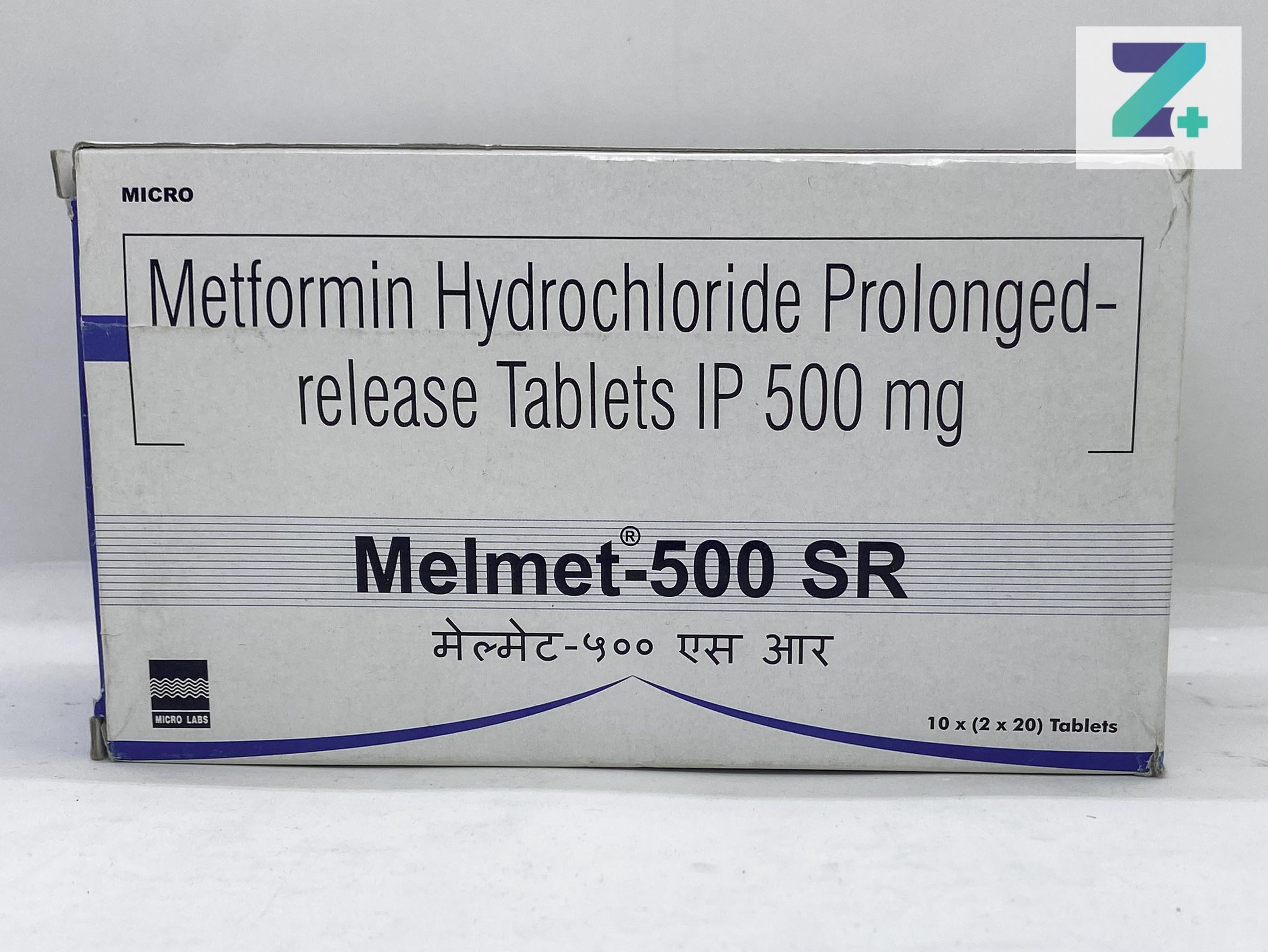
MELMET-500 SR
Price: Rs.69.12
13% off
In stock
Loose stock: 0
Description
MELMET-500 SR TAB 20
Details
Composition
METFORMIN 500MG
# Metformin 500 mg
## Short Description
**Metformin 500 mg** is an oral antidiabetic medicine primarily used to help control **blood glucose levels in people with type 2 diabetes mellitus**. It improves the body's response to insulin and reduces the amount of glucose produced by the liver. Metformin is commonly used alongside a healthy diet and regular physical activity.
## Key Benefits
* Helps lower and control **blood sugar levels** in type 2 diabetes.
* Improves the body's sensitivity to **insulin**.
* Reduces excessive glucose production by the liver.
* Can be used alone or alongside other diabetes medicines when prescribed.
* Generally does **not cause low blood sugar when used alone**.
* May help maintain or modestly reduce body weight rather than causing weight gain in many people.
## Uses / Indications
Metformin 500 mg may be prescribed for:
* **Type 2 diabetes mellitus**
* Blood glucose control when diet and exercise alone are insufficient
* Type 2 diabetes in combination with other oral antidiabetic medicines or insulin
* Other conditions in certain patients when specifically prescribed by a healthcare professional
**Note:** Metformin is not used to treat **type 1 diabetes** as the primary treatment.
## How It Works
Metformin works mainly by:
1. **Reducing glucose production by the liver**
2. **Improving insulin sensitivity**, allowing the body's cells to use glucose more effectively
3. Reducing the amount of glucose absorbed from the intestine to a lesser extent
Unlike medicines that directly increase insulin release, metformin generally has a **low risk of causing hypoglycemia when used by itself**.
## Dosage & Administration
* Take Metformin 500 mg **exactly as prescribed** by your doctor.
* It is usually taken **with meals** to reduce stomach-related side effects.
* The dose may be started low and gradually increased depending on blood glucose control and tolerability.
* Swallow the tablet with water unless your formulation is specifically designed to be chewed or dissolved.
* If you are prescribed an **extended-release (ER/XR/SR) formulation**, swallow it whole unless the product instructions specifically state otherwise.
* Do not crush or split extended-release tablets unless your pharmacist or product information confirms that it is appropriate.
* If you miss a dose, take it when remembered unless it is nearly time for your next dose. **Do not double the dose.**
The appropriate dose depends on factors such as blood glucose levels, kidney function, other medicines, and the specific metformin formulation.
## Side Effects
### Common Side Effects
Metformin may cause:
* Nausea
* Diarrhea
* Stomach discomfort
* Abdominal pain or bloating
* Gas
* Reduced appetite
* Metallic taste
These effects are often more noticeable when treatment is first started and may improve as the body adjusts.
### Long-Term / Other Effects
Long-term metformin use may be associated with **vitamin B12 deficiency** in some patients. Your healthcare professional may recommend periodic monitoring when appropriate.
### Serious Side Effect
A rare but potentially life-threatening complication is **lactic acidosis**. Seek urgent medical attention if you develop severe weakness, unusual sleepiness, difficulty breathing, persistent vomiting, severe abdominal discomfort, dizziness, or feeling unusually cold.
## Precautions & Warnings
* Inform your doctor if you have **kidney problems**. Kidney function should be assessed before and during treatment.
* Metformin may need to be temporarily stopped around certain **iodinated contrast imaging procedures**, depending on kidney function and the clinical situation.
* Tell your doctor if you have significant **liver disease**, heart failure, or a history of lactic acidosis.
* Avoid excessive alcohol consumption, as it can increase the risk of lactic acidosis.
* Tell your healthcare professional if you are severely dehydrated, have prolonged vomiting or diarrhea, or have a serious infection.
* Your blood glucose should be monitored as recommended.
* Long-term treatment may require monitoring of **vitamin B12 levels**, particularly if symptoms or risk factors for deficiency are present.
* Metformin alone usually has a low risk of hypoglycemia, but the risk can increase when it is combined with insulin or certain other diabetes medicines.
## Drug Interactions
Metformin may interact with certain medicines or substances, including:
* **Iodinated contrast agents** used for certain X-rays and CT scans
* **Insulin and sulfonylureas**, which may increase the risk of low blood sugar
* Certain medicines that affect **kidney function**
* Some medicines that can alter metformin elimination through the kidneys
* **Alcohol**, particularly excessive or binge consumption
Always inform your doctor or pharmacist about all prescription medicines, OTC medicines, vitamins, and supplements you use.
## Storage Information
* Store Metformin 500 mg according to the manufacturer's recommended conditions, generally at **room temperature**.
* Keep the tablets in their original packaging.
* Protect from excessive heat, moisture, and direct sunlight.
* Keep out of reach of children.
* Do not use the medicine after its expiry date.
* Dispose of unused or expired medicine according to local pharmacy or healthcare guidance.
## Prescription Status
**Metformin 500 mg is generally a prescription medicine.** Prescription requirements can vary depending on the country and local regulations. It should be used under the supervision of a qualified healthcare professional.
## Genuine Medicine Assurance
When purchasing Metformin 500 mg, obtain it from a **licensed pharmacy or authorized medicine supplier**.
Before using the medicine, check:
* Manufacturer details
* Product name and strength
* Batch/lot number
* Manufacturing and expiry dates
* Packaging and seal integrity
* Proper labeling and registration information where applicable
Avoid medicines from unknown or unverified sources, particularly products with damaged packaging, missing batch information, or unusually low prices.
# Frequently Asked Questions (FAQs)
### 1. What is Metformin 500 mg used for?
Metformin 500 mg is primarily used to help control **high blood sugar in people with type 2 diabetes mellitus**, along with diet and exercise.
### 2. Is Metformin 500 mg used for diabetes?
Yes. Metformin is one of the commonly prescribed medicines for **type 2 diabetes** and may be used alone or with other diabetes treatments.
### 3. How does Metformin 500 mg work?
Metformin primarily reduces glucose production by the liver and improves the body's sensitivity to insulin, helping glucose move from the bloodstream into cells more effectively.
### 4. Does Metformin 500 mg lower blood sugar immediately?
Metformin begins affecting glucose metabolism after treatment starts, but achieving the full glucose-lowering effect may take time. Your doctor may adjust the dose based on your response.
### 5. Should Metformin 500 mg be taken before or after food?
Metformin is commonly taken **with meals or immediately after meals** to reduce gastrointestinal side effects. Follow the specific instructions provided for your formulation.
### 6. What are the common side effects of Metformin 500 mg?
The most common side effects include **nausea, diarrhea, abdominal discomfort, bloating, gas, and reduced appetite**. These often improve with continued treatment.
### 7. Can Metformin 500 mg cause low blood sugar?
Metformin alone generally has a **low risk of hypoglycemia**. However, low blood sugar can occur when metformin is combined with insulin or certain other antidiabetic medicines.
### 8. Does Metformin 500 mg cause weight gain?
Metformin generally does not cause significant weight gain and may result in **modest weight loss or weight stability** in some people.
### 9. Can Metformin 500 mg be used for type 1 diabetes?
Metformin is **not a substitute for insulin** and is not the primary treatment for type 1 diabetes. In selected cases, a specialist may prescribe it for an additional purpose.
### 10. Can I stop taking Metformin 500 mg when my blood sugar improves?
Do not stop metformin without speaking with your healthcare professional. Improved blood glucose may be a result of the treatment, diet, exercise, or a combination of these factors.
### 11. What happens if I forget to take Metformin 500 mg?
Take the missed dose when you remember unless it is nearly time for your next dose. **Do not take two doses together** to make up for a missed dose.
### 12. Can Metformin 500 mg affect the kidneys?
Metformin is eliminated mainly through the kidneys, so kidney function is important when determining whether and how it should be used. Your doctor may monitor kidney function during treatment.
### 13. Can Metformin cause vitamin B12 deficiency?
Yes. Long-term metformin treatment can reduce vitamin B12 levels in some people. Your healthcare professional may recommend B12 testing when appropriate.
### 14. Can I drink alcohol while taking Metformin 500 mg?
Excessive or binge alcohol consumption should be avoided because alcohol can increase the risk of **lactic acidosis** and may adversely affect blood glucose control.
### 15. Can Metformin 500 mg be taken with other diabetes medicines?
Yes. Metformin is often combined with other diabetes medicines or insulin when additional blood glucose control is required. The combination should be prescribed and monitored by a healthcare professional.
### 16. Is Metformin 500 mg safe during pregnancy?
The appropriate diabetes treatment during pregnancy should be determined by a healthcare professional. Tell your doctor if you are pregnant, planning pregnancy, or breastfeeding before starting or changing metformin treatment.
### 17. Is Metformin 500 mg an insulin?
No. **Metformin is not insulin.** It works primarily by reducing liver glucose production and improving insulin sensitivity.
### 18. How long can Metformin 500 mg be taken?
Metformin may be used **long term** when it remains appropriate and is well tolerated. Your healthcare professional should periodically review your blood glucose, kidney function, and overall treatment needs.
## Medical Disclaimer
This information about **Metformin 500 mg** is provided for educational and SEO purposes only and does not replace professional medical advice, diagnosis, or treatment. The appropriate dose and duration depend on individual factors including blood glucose levels, kidney function, other medicines, and the specific formulation of metformin. Always use Metformin 500 mg according to your doctor's prescription and the manufacturer's instructions. Seek professional medical advice before starting, stopping, or changing your diabetes treatment.