MIRNITE 30MG
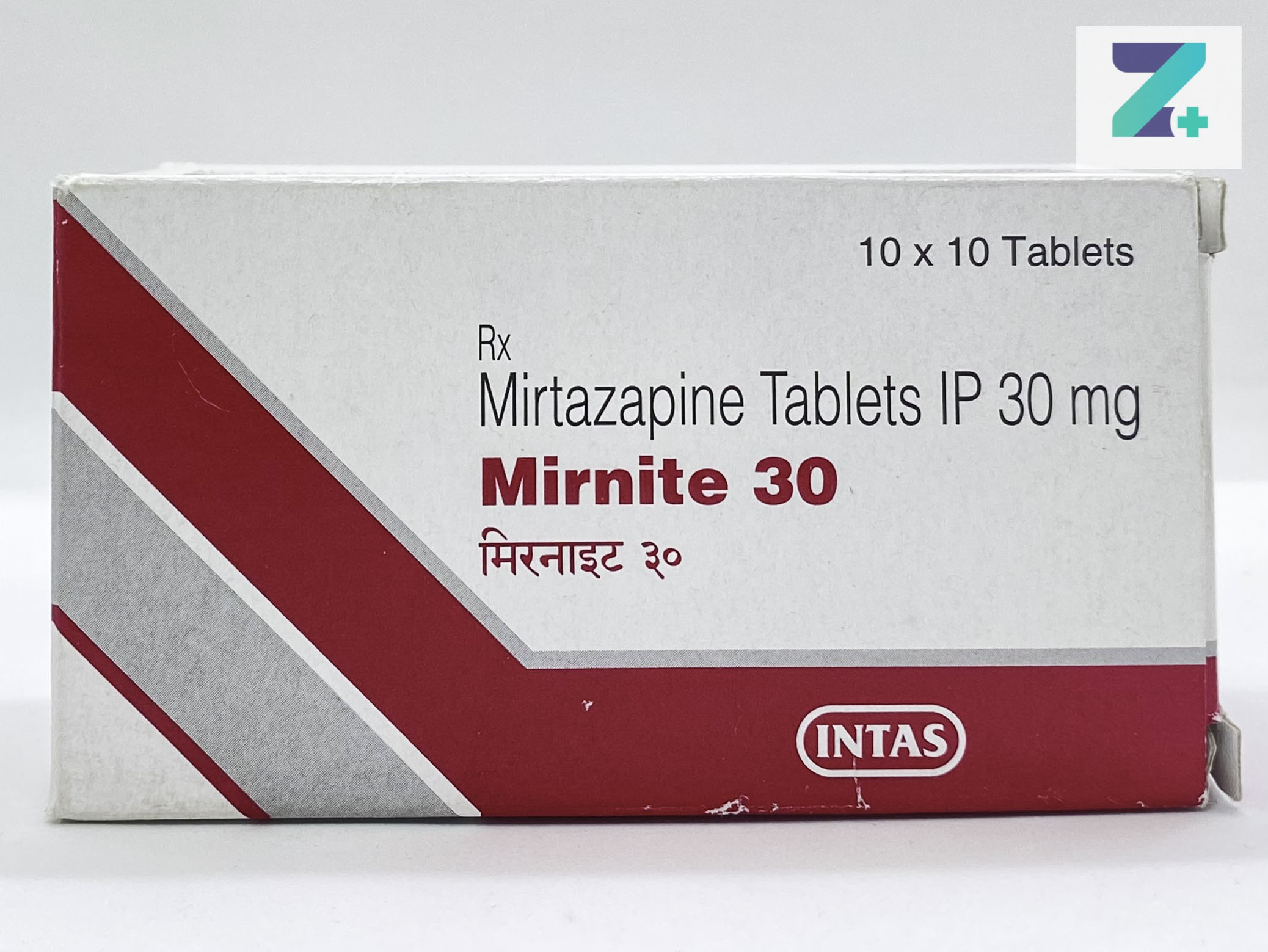
Price: Rs.410.00
13% off
In stock
Loose stock: 0
Description
MIRNITE 30MG TAB 10
Details
Composition
MIRTAZAPINE 30 MG
# Mirtazapine 30 mg
## Short Description
**Mirtazapine 30 mg** is a prescription **antidepressant** used primarily to treat **major depressive disorder (MDD)**. It belongs to the noradrenergic and specific serotonergic antidepressant (NaSSA) class. Mirtazapine may also have sedating and appetite-stimulating effects, particularly at lower doses.
## Key Benefits
* Helps relieve symptoms of **major depressive disorder**.
* May improve mood and emotional well-being.
* Can help reduce anxiety symptoms associated with depression in some patients.
* May improve sleep in people whose depression is accompanied by insomnia.
* May increase appetite in some patients who experience poor appetite with depression.
## Uses / Indications
Mirtazapine 30 mg is primarily indicated for:
* **Major depressive disorder (MDD)**
* Depression associated with symptoms such as low mood, loss of interest, sleep disturbance, and reduced appetite
Mirtazapine may sometimes be prescribed for other conditions, but such use should be determined by a qualified healthcare professional.
## How It Works
Mirtazapine has a distinctive mechanism compared with many commonly used antidepressants.
It increases noradrenergic and serotonergic activity primarily by blocking **central alpha-2 adrenergic receptors**. It also blocks certain serotonin receptors, particularly **5-HT2 and 5-HT3**, while increasing activity at **5-HT1A receptors** indirectly.
Mirtazapine also strongly blocks **histamine H1 receptors**, which contributes to its sedative effects and can increase appetite.
## Dosage & Administration
* Take **Mirtazapine 30 mg exactly as prescribed**.
* Mirtazapine is generally taken **once daily**, preferably in the evening before bedtime because it can cause drowsiness.
* It may be taken with or without food.
* Swallow the tablet with water unless you are using an orally disintegrating formulation, which should be taken according to its specific instructions.
* Do not change the dose without medical advice.
* Your doctor may start treatment at a lower dose and gradually adjust it.
* If you miss a dose, take it when remembered unless it is close to the next dose. **Do not double the dose.**
* Do not stop mirtazapine suddenly without medical guidance, particularly after prolonged treatment.
Antidepressant benefits may take **several weeks** to become fully apparent.
## Side Effects
### Common Side Effects
Possible side effects include:
* **Drowsiness or sleepiness**
* Increased appetite
* Weight gain
* Dry mouth
* Constipation
* Dizziness
* Fatigue
* Headache
* Abnormal or vivid dreams
### Serious Side Effects
Seek medical attention if you experience:
* Severe allergic reaction
* Significant confusion or unusual behavior
* Severe dizziness or fainting
* Symptoms of serotonin syndrome
* Severe rash or blistering skin reaction
* Unexplained fever, sore throat, or infection symptoms
* Unusual bruising or bleeding
* Severe mood changes or suicidal thoughts
Rarely, mirtazapine can cause **agranulocytosis**, a serious reduction in certain white blood cells.
## Precautions & Warnings
### Suicidal Thoughts and Mood Changes
Antidepressants may increase the risk of **suicidal thoughts or behavior in some children, adolescents, and young adults**, particularly during the early stages of treatment or following dose changes.
Seek urgent medical assistance if there is new or worsening suicidal thinking, severe agitation, or unusual behavioral changes.
### Drowsiness
Mirtazapine can cause significant sedation.
* Avoid driving or operating machinery until you know how it affects you.
* Avoid alcohol because it can increase sedation.
### Weight Gain
Increased appetite and **weight gain** are relatively common. Weight and appetite may need monitoring during treatment.
### Other Precautions
Tell your doctor if you have:
* Liver or kidney disease
* Epilepsy or a history of seizures
* Bipolar disorder or a history of mania
* Heart disease or known heart-rhythm problems
* Low blood pressure
* Glaucoma
* Diabetes
* A history of low sodium levels
Do not stop treatment abruptly without medical guidance.
## Drug Interactions
Mirtazapine can interact with:
* **MAO inhibitors (MAOIs)** — should not be used together or within the required washout period because of the risk of serious reactions.
* Other antidepressants that increase serotonin — may increase the risk of **serotonin syndrome**.
* **Tramadol and other serotonergic medicines** — may increase serotonin syndrome risk.
* **Alcohol** — can increase sedation and impairment.
* Benzodiazepines and other CNS depressants — may increase drowsiness and impaired coordination.
* Medicines that affect heart rhythm — may increase the risk of QT-related cardiac effects in susceptible individuals.
* Certain medicines that alter liver enzyme activity may change mirtazapine concentrations.
Always tell your doctor or pharmacist about all prescription medicines, OTC medicines, vitamins, and herbal supplements you take.
## Storage Information
* Store according to the manufacturer's recommended conditions, generally at **room temperature**.
* Keep tablets in their original packaging.
* Protect from excessive heat, moisture, and direct sunlight.
* Keep the medicine away from children.
* Keep the container tightly closed when not in use.
* Do not use after the expiry date.
* Dispose of unused medicine according to local pharmacy or healthcare guidance.
## Prescription Status
**Mirtazapine 30 mg is a prescription medicine.**
It should be used under the supervision of a qualified healthcare professional, particularly because antidepressant treatment may require monitoring of mood, response, side effects, and dose adjustments.
## Genuine Medicine Assurance
When purchasing Mirtazapine 30 mg, obtain it from a **licensed pharmacy or authorized medicine supplier**.
Before using the medicine, verify:
* Manufacturer name
* Active ingredient and strength
* Batch/lot number
* Manufacturing and expiry dates
* Packaging and seal integrity
* Product registration or authorization details where applicable
Avoid medicines from unknown or unverified sources, especially products with damaged packaging or missing batch information.
# Frequently Asked Questions (FAQs)
### 1. What is Mirtazapine 30 mg used for?
Mirtazapine 30 mg is primarily used to treat **major depressive disorder (MDD)**. It may help improve mood and other symptoms associated with depression.
### 2. Is Mirtazapine an antidepressant?
Yes. Mirtazapine is a prescription **antidepressant** belonging to the noradrenergic and specific serotonergic antidepressant (NaSSA) class.
### 3. How does Mirtazapine 30 mg work?
Mirtazapine increases noradrenergic and serotonergic signaling by blocking **alpha-2 adrenergic receptors** and modifying activity at several serotonin receptors.
### 4. Does Mirtazapine make you sleepy?
Yes. **Drowsiness and sedation** are common, particularly when starting treatment. This is one reason it is usually taken in the evening.
### 5. Does Mirtazapine cause weight gain?
Mirtazapine can increase **appetite and body weight** in some people. Your doctor may monitor your weight and appetite during treatment.
### 6. How long does Mirtazapine 30 mg take to work?
Some effects, such as improved sleep or appetite, may occur relatively early, while the antidepressant effect often takes **several weeks** to develop.
### 7. Can Mirtazapine 30 mg be taken every day?
Yes. Mirtazapine is generally prescribed **once daily**, but it should be taken according to your doctor's instructions.
### 8. Can I stop Mirtazapine suddenly?
It is generally recommended to **reduce the dose gradually under medical supervision** rather than stopping suddenly, particularly after long-term use.
### 9. Can I drink alcohol while taking Mirtazapine?
It is best to avoid alcohol because it may increase **drowsiness, dizziness, and impaired coordination**.
### 10. Can Mirtazapine be taken with other antidepressants?
Some antidepressant combinations may be used under specialist supervision, but combining medicines that affect serotonin can increase the risk of serious adverse effects. Never combine antidepressants without medical advice.
### 11. Can Mirtazapine be taken with sleeping pills?
Mirtazapine can increase sedation when combined with sleeping medicines, benzodiazepines, opioids, or other CNS depressants. Consult your doctor before combining them.
### 12. Can Mirtazapine be used for anxiety?
Although its primary indication is depression, doctors may sometimes prescribe mirtazapine for anxiety-related conditions. Such use should be determined by a healthcare professional.
### 13. Can Mirtazapine be used during pregnancy?
If you are pregnant or planning pregnancy, discuss mirtazapine with your healthcare professional. The benefits and potential risks should be individually assessed.
### 14. Can Mirtazapine be taken while breastfeeding?
Mirtazapine can pass into breast milk. Discuss treatment with your doctor to determine whether it is appropriate while breastfeeding.
### 15. What are the common side effects of Mirtazapine 30 mg?
Common effects include **drowsiness, increased appetite, weight gain, dry mouth, constipation, dizziness, and fatigue**.
### 16. Can Mirtazapine cause suicidal thoughts?
Antidepressants can increase suicidal thoughts or behavior in some younger patients, particularly during treatment initiation or dose changes. Seek immediate professional help if severe mood changes or suicidal thoughts occur.
### 17. What should I do if I miss a dose of Mirtazapine 30 mg?
Take the missed dose when remembered unless it is close to the next scheduled dose. **Do not take two doses together.**
### 18. What happens if I take too much Mirtazapine?
Overdose can cause excessive drowsiness, confusion, changes in heart rate, and other serious effects. Seek **urgent medical attention** if an overdose is suspected.
## Medical Disclaimer
This information about **Mirtazapine 30 mg** is provided for educational and SEO purposes only and does not replace professional medical advice, diagnosis, or treatment. Mirtazapine is a prescription antidepressant that can cause sedation, weight gain, drug interactions, and other potentially serious adverse effects. Antidepressant treatment should be individualized and monitored by a qualified healthcare professional. Do not start, stop, or change the dose of Mirtazapine 30 mg without medical advice.