MONORAL 200MG
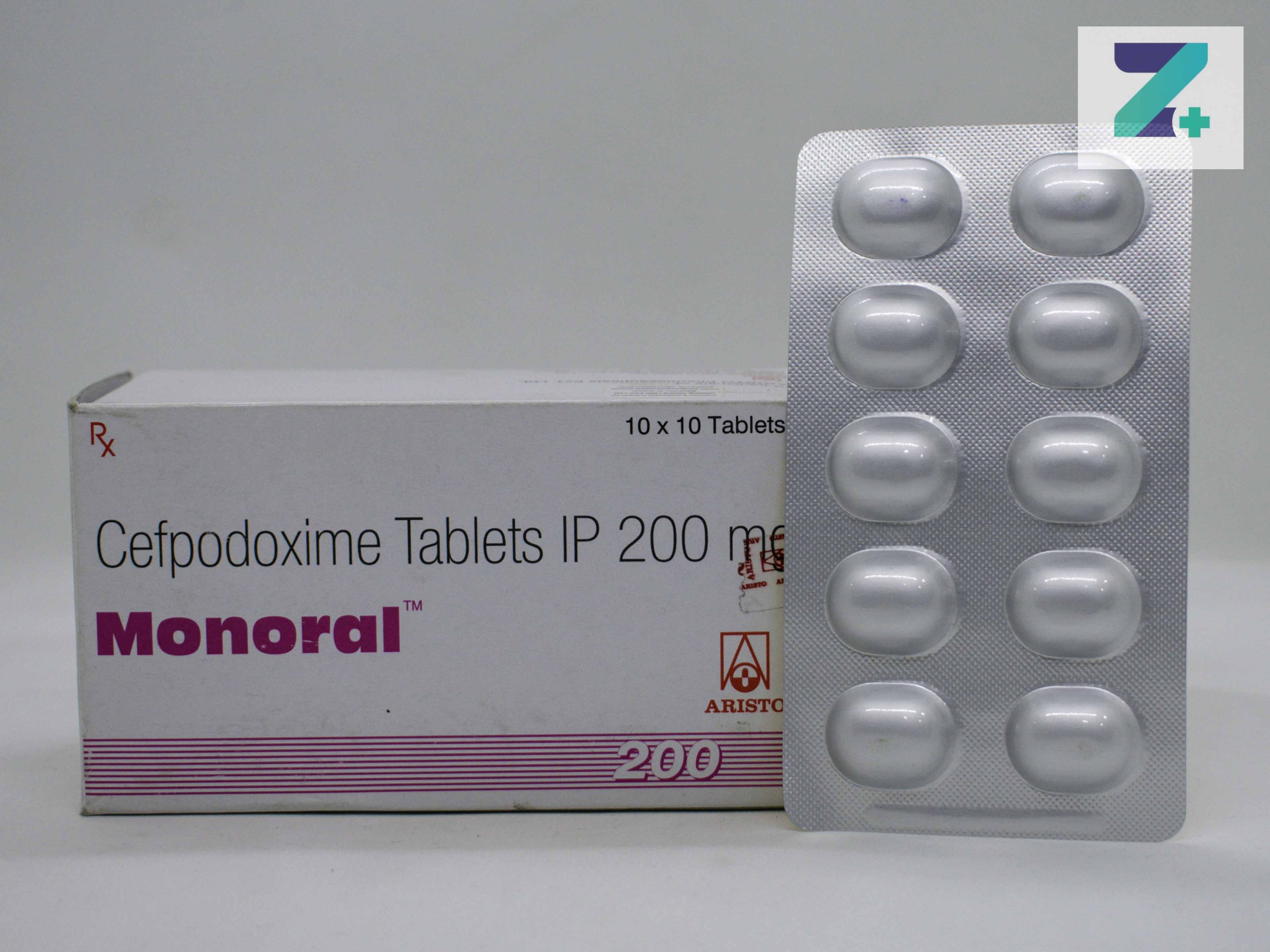
Price: Rs.249.92
10% off
In stock
Loose stock: 8
Description
MONORAL 200MG TAB 10
Details
Composition
CEFPODOXIME 200 MG
# CEFPODOXIME 200 MG
## SHORT DESCRIPTION
**Cefpodoxime 200 mg** is a third-generation **cephalosporin antibiotic** used to treat certain bacterial infections. It works by interfering with bacterial cell-wall formation, which causes susceptible bacteria to die.
Cefpodoxime is used for infections caused by susceptible bacteria and **does not treat viral infections** such as the common cold or influenza.
---
## KEY BENEFITS
* Helps treat a variety of **susceptible bacterial infections**.
* Effective against several Gram-positive and Gram-negative bacteria.
* May be prescribed for respiratory, urinary, skin, and other bacterial infections.
* Available as an oral antibiotic for convenient administration.
* Can be used when a healthcare professional considers a cephalosporin appropriate.
---
## USES / INDICATIONS
Cefpodoxime 200 mg may be prescribed for susceptible bacterial infections such as:
1. **Community-acquired pneumonia**
2. **Acute bacterial exacerbations of chronic bronchitis**
3. **Acute bacterial sinusitis**
4. **Pharyngitis and tonsillitis**
5. **Urinary tract infections**
6. **Uncomplicated skin and skin-structure infections**
7. Certain other bacterial infections based on culture results and medical assessment.
The exact approved indications may vary according to the country and product formulation.
> Cefpodoxime should not be used for viral infections unless a healthcare professional identifies a bacterial infection requiring antibiotic treatment.
---
## HOW IT WORKS
Cefpodoxime is a **beta-lactam antibiotic** belonging to the third-generation cephalosporin class.
It binds to bacterial **penicillin-binding proteins (PBPs)** and interferes with the final stages of bacterial cell-wall synthesis.
This weakens the bacterial cell wall and causes susceptible bacteria to rupture and die.
### In Simple Terms:
**Cefpodoxime → blocks bacterial cell-wall formation → weakens bacteria → bacterial cell death.**
---
## DOSAGE & ADMINISTRATION
### Adults
A commonly prescribed adult dose is:
**200 mg twice daily**, approximately every 12 hours, for certain infections.
However, the dose and duration depend on:
* Type and severity of infection
* Bacterial susceptibility
* Kidney function
* Patient age
* Medical history
* Local treatment guidelines
**Always follow the prescribed regimen.**
### Important Administration Instructions
* Take exactly as prescribed.
* Cefpodoxime tablets are generally recommended **with food** to improve absorption.
* Swallow the tablet with water.
* Take doses at evenly spaced intervals.
* Complete the prescribed course unless your healthcare professional instructs you otherwise.
### Kidney Impairment
Patients with significant kidney impairment may require **dose or dosing-interval adjustment**.
### Missed Dose
Take the missed dose when remembered unless it is nearly time for the next dose.
**Do not double the next dose.**
---
## SIDE EFFECTS
### Common Side Effects
Possible side effects include:
* Diarrhea
* Nausea
* Vomiting
* Abdominal pain or discomfort
* Headache
* Indigestion
* Skin rash
### Serious Side Effects
Seek medical attention if you experience:
* Severe or persistent diarrhea
* Bloody stools
* Difficulty breathing
* Swelling of the face, lips, tongue, or throat
* Severe skin rash
* Blistering or peeling skin
* Yellowing of the skin or eyes
* Unusual bruising or bleeding
### Antibiotic-Associated Diarrhea
Cefpodoxime, like other antibiotics, can occasionally cause **Clostridioides difficile-associated diarrhea**, which can occur during or after treatment.
---
## PRECAUTIONS & WARNINGS
### Cephalosporin or Penicillin Allergy
Tell your healthcare professional if you have previously experienced an allergic reaction to:
* Cefpodoxime
* Other cephalosporins
* Penicillins
* Other beta-lactam antibiotics
People with a history of severe immediate allergic reactions to penicillins may require particular caution.
### Severe Allergic Reactions
Stop the medicine and seek urgent medical care if symptoms such as facial swelling, difficulty breathing, wheezing, or severe rash occur.
### Kidney Disease
Cefpodoxime is eliminated largely through the kidneys. Patients with significant renal impairment may require dosage adjustment.
### Gastrointestinal Problems
Tell your healthcare professional if you have a history of severe antibiotic-associated diarrhea or significant gastrointestinal disease.
### Antibiotic Resistance
Unnecessary use of cefpodoxime can contribute to **antimicrobial resistance**.
It should only be used when a susceptible bacterial infection is suspected or confirmed.
### Superinfection
Prolonged or inappropriate antibiotic treatment can occasionally allow resistant organisms or fungi to grow.
---
## DRUG INTERACTIONS
### Antacids
Antacids containing aluminum or magnesium may reduce cefpodoxime absorption.
Avoid taking them at the same time unless your healthcare professional advises otherwise.
### H2-Receptor Blockers
Medicines that significantly reduce stomach acid, such as some **H2 blockers**, may reduce cefpodoxime absorption.
### Proton Pump Inhibitors
Medicines such as:
* Omeprazole
* Esomeprazole
* Pantoprazole
may reduce gastric acidity and potentially affect absorption.
Discuss regular acid-reducing therapy with your healthcare professional.
### Nephrotoxic Medicines
Some medicines that affect kidney function may require additional monitoring when used with cefpodoxime, particularly in patients with pre-existing kidney disease.
### Oral Anticoagulants
Cephalosporins may occasionally affect coagulation parameters in susceptible patients. Patients taking **warfarin or other anticoagulants** may require monitoring.
Always inform your healthcare professional about all prescription medicines, OTC medicines, vitamins, and supplements you take.
---
## STORAGE INFORMATION
* Store according to the manufacturer's instructions.
* Keep tablets in a dry place.
* Protect from excessive heat, moisture, and direct sunlight.
* Keep in the original packaging.
* Keep out of reach and sight of children.
* Do not use after the expiry date.
* Do not use tablets from damaged or improperly sealed packaging.
---
## PRESCRIPTION STATUS
**Prescription medicine.**
Cefpodoxime 200 mg should be used under the supervision of a qualified healthcare professional.
Prescription and dispensing requirements may vary according to local regulations.
---
## GENUINE MEDICINE ASSURANCE
When purchasing **Cefpodoxime 200 mg**, obtain it from a **licensed pharmacy or authorized medicine supplier**.
Check the packaging for:
* Correct medicine name
* Strength: 200 mg
* Manufacturer details
* Batch/lot number
* Manufacturing date
* Expiry date
* Intact packaging and seal
* Appropriate regulatory information
Avoid products with damaged packaging, missing information, altered expiry dates, or questionable authenticity.
---
# FAQ – CEFPODOXIME 200 MG
### 1. What is Cefpodoxime 200 mg used for?
Cefpodoxime 200 mg is used to treat certain **bacterial infections**, including some respiratory, sinus, urinary tract, throat, and skin infections.
### 2. Is cefpodoxime an antibiotic?
Yes. Cefpodoxime is a **third-generation cephalosporin antibiotic**.
### 3. Does cefpodoxime work against viral infections?
No. It does not treat viral illnesses such as colds or influenza.
### 4. How does cefpodoxime work?
It prevents susceptible bacteria from forming a normal cell wall, eventually causing bacterial cell death.
### 5. How should Cefpodoxime 200 mg be taken?
For some adult infections, **200 mg twice daily** is commonly prescribed. The exact dose and duration depend on the infection and the patient's medical condition.
### 6. Should cefpodoxime be taken with food?
Yes. Cefpodoxime tablets are generally taken **with food** to improve absorption.
### 7. Can cefpodoxime cause diarrhea?
Yes. Diarrhea is a common antibiotic side effect. Severe, persistent, or bloody diarrhea should be medically evaluated.
### 8. Can cefpodoxime cause an allergic reaction?
Yes. Serious allergic reactions can occur, particularly in people with allergies to cephalosporins or certain penicillins.
### 9. Can I take cefpodoxime if I am allergic to penicillin?
Tell your healthcare professional about the allergy before taking cefpodoxime. People with a history of severe immediate penicillin allergy may require an alternative antibiotic.
### 10. Can cefpodoxime be used for a urinary tract infection?
Yes. Cefpodoxime may be prescribed for certain **susceptible urinary tract infections**, depending on local resistance patterns and clinical assessment.
### 11. Can cefpodoxime be used for a sore throat?
It may be prescribed when the sore throat is caused by a susceptible bacterial infection. Most sore throats, however, are viral and do not require antibiotics.
### 12. Can I take cefpodoxime with antacids?
Antacids containing aluminum or magnesium may reduce cefpodoxime absorption. Ask your healthcare professional or pharmacist about appropriate timing.
### 13. Can I take cefpodoxime with paracetamol?
There is generally no major direct interaction between cefpodoxime and paracetamol, but always follow the recommended doses and consider your other medicines.
### 14. Can I stop cefpodoxime when I feel better?
Do not change the prescribed treatment duration without speaking with your healthcare professional. Incomplete or inappropriate antibiotic treatment can contribute to treatment failure and resistance.
### 15. What should I do if I miss a dose?
Take it when remembered unless it is almost time for your next dose. **Do not double the dose.**
### 16. Can cefpodoxime affect the kidneys?
Cefpodoxime is eliminated through the kidneys, so patients with significant kidney impairment may require dose adjustment.
### 17. Can cefpodoxime be taken during pregnancy?
Use during pregnancy should be discussed with a healthcare professional, who can assess whether the expected benefit outweighs potential risks.
### 18. Can cefpodoxime be used while breastfeeding?
Cefpodoxime may be used in some breastfeeding patients when clinically appropriate, but you should consult your healthcare professional before starting treatment.
### 19. Is Cefpodoxime 200 mg available without a prescription?
Cefpodoxime is generally a **prescription antibiotic**. Availability and dispensing regulations vary by country.
### 20. Is cefpodoxime stronger than amoxicillin?
Neither antibiotic is universally "stronger." They belong to different antibiotic classes and have different bacterial coverage. The best antibiotic depends on the specific infection, bacterial susceptibility, allergies, and patient factors.
---
## MEDICAL DISCLAIMER
This information about **Cefpodoxime 200 mg** is provided for general educational purposes only and does not replace professional medical advice, diagnosis, or treatment.
Cefpodoxime should be used only when a **susceptible bacterial infection is suspected or confirmed** and treatment with this antibiotic is considered appropriate. Unnecessary antibiotic use contributes to antimicrobial resistance.
Cefpodoxime can cause allergic reactions and, rarely, serious antibiotic-associated diarrhea or other complications. Patients with a history of severe beta-lactam allergy or significant kidney disease should inform their healthcare professional before treatment.
Always follow the **specific product label and your healthcare professional's instructions** regarding dosage, duration, contraindications, interactions, renal dosing, and administration with food.