NAPROSYN SR 750MG
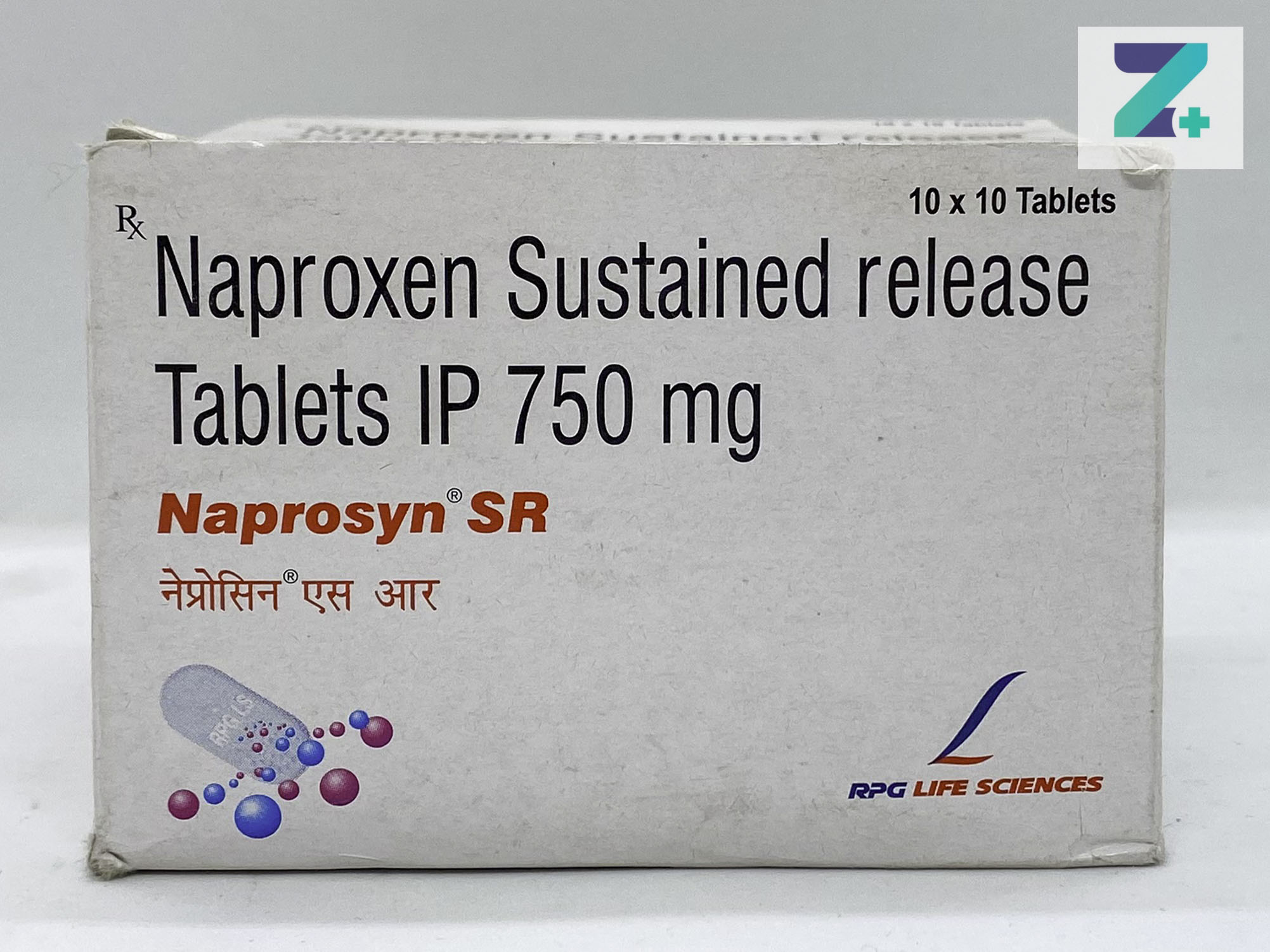
Price: Rs.133.92
10% off
In stock
Loose stock: 0
Description
NAPROSYN SR 750MG TAB 10
Details
Composition
NAPROXEN 750 MG
# Naproxen 750 mg
## Short Description
**Naproxen 750 mg** is a non-steroidal anti-inflammatory drug (**NSAID**) used to relieve **pain, inflammation, and fever** associated with various musculoskeletal and inflammatory conditions.
It may be prescribed for conditions such as **osteoarthritis, rheumatoid arthritis, ankylosing spondylitis, gout, menstrual pain, and other acute or chronic pain conditions**. Naproxen should be used at the lowest effective dose for the shortest appropriate duration because NSAIDs can cause serious gastrointestinal, cardiovascular, and kidney-related adverse effects.
---
## Key Benefits
* Helps relieve **mild to moderate pain**.
* Reduces inflammation and swelling.
* Helps reduce stiffness associated with inflammatory joint conditions.
* May relieve pain associated with arthritis and musculoskeletal disorders.
* Can help manage **menstrual cramps (dysmenorrhea)**.
* May be prescribed for acute attacks of **gout**.
* Helps reduce fever associated with inflammatory conditions.
---
## Uses / Indications
Naproxen 750 mg may be prescribed for:
* **Osteoarthritis**
* **Rheumatoid arthritis**
* Ankylosing spondylitis
* Musculoskeletal pain
* Sprains and strains
* Tendon and ligament-related pain
* **Acute gout attacks**
* **Painful menstruation (dysmenorrhea)**
* Other acute or chronic inflammatory pain conditions
The appropriate dose depends on the condition being treated and the specific naproxen formulation.
> **Important:** Naproxen treats pain and inflammation but does not cure the underlying cause of many chronic conditions.
---
## How It Works
Naproxen is an **NSAID**.
It works primarily by inhibiting enzymes called **cyclooxygenase (COX-1 and COX-2)**. These enzymes are involved in the production of **prostaglandins**, chemical mediators that contribute to:
* Pain
* Inflammation
* Swelling
* Fever
By reducing prostaglandin production, naproxen helps decrease **pain, inflammation, and fever**.
---
## Dosage & Administration
**Take Naproxen 750 mg exactly as prescribed by your doctor.**
The appropriate dosage varies according to the condition, age, kidney function, other medicines, and formulation.
### General Administration
* Take the medicine with a full glass of water.
* Taking naproxen **with or immediately after food** may help reduce stomach irritation.
* Swallow tablets whole if they are modified-release or enteric-coated; do not crush or chew unless the product instructions specifically permit it.
* Use the **lowest effective dose for the shortest duration** necessary.
* Do not take more than the prescribed amount.
* Do not combine with other NSAIDs unless specifically instructed.
### Important About 750 mg Strength
A **750 mg dose is a relatively high single dose** and may be used for specific conditions or dosing schedules. Do not assume that taking 750 mg is appropriate for every type of pain.
### Missed Dose
Take the missed dose when remembered unless it is nearly time for your next scheduled dose.
**Do not take a double dose.**
---
## Side Effects
### Common Side Effects
Possible side effects include:
* Indigestion
* Heartburn
* Stomach pain
* Nausea
* Vomiting
* Diarrhea
* Constipation
* Headache
* Dizziness
* Drowsiness
### Serious Side Effects
Naproxen can occasionally cause serious adverse effects, including:
* **Stomach or intestinal ulcers**
* Gastrointestinal bleeding
* Perforation of the stomach or intestine
* Kidney problems
* Liver problems
* Increased blood pressure
* Fluid retention and swelling
* Cardiovascular events
* Severe allergic reactions
### Seek Immediate Medical Attention For
* Vomiting blood
* Black or bloody stools
* Severe or persistent stomach pain
* Chest pain
* Difficulty breathing
* Sudden weakness or numbness
* Facial or throat swelling
* Severe skin rash or blistering
* Significantly reduced urine output
---
## Precautions & Warnings
### Stomach & Intestinal Problems
Naproxen can increase the risk of **gastric ulcers and gastrointestinal bleeding**, especially with prolonged use or higher doses.
Risk is higher in people who:
* Have a history of ulcers or gastrointestinal bleeding
* Are older adults
* Use corticosteroids
* Take anticoagulants or antiplatelet medicines
* Consume excessive alcohol
* Take other NSAIDs
### Cardiovascular Risk
NSAIDs may increase the risk of **heart attack and stroke**, particularly with higher doses and longer treatment.
Tell your doctor if you have:
* Heart disease
* High blood pressure
* Previous stroke
* Peripheral artery disease
* Other cardiovascular risk factors
### Kidney Problems
Naproxen can reduce kidney function, particularly in people with:
* Existing kidney disease
* Dehydration
* Heart failure
* Older age
* Treatment with certain blood-pressure medicines or diuretics
### Pregnancy
Naproxen should generally be **avoided during pregnancy from 20 weeks onward unless specifically advised by a healthcare professional**, and NSAIDs are particularly avoided during the third trimester because of fetal and delivery-related risks.
### Other Precautions
* Tell your doctor if you have asthma, especially if aspirin or other NSAIDs have previously caused breathing problems.
* Inform your doctor about liver disease.
* Avoid excessive alcohol consumption.
* Do not use naproxen immediately before or after certain heart-related procedures unless directed by your doctor.
* Elderly patients may be more susceptible to gastrointestinal, kidney, and cardiovascular adverse effects.
---
## Drug Interactions
Naproxen can interact with numerous medicines.
### Other NSAIDs
Avoid combining naproxen with other NSAIDs such as:
* Ibuprofen
* Diclofenac
* Ketoprofen
* Aspirin used as a painkiller
Combining NSAIDs increases the risk of **stomach bleeding and kidney problems**.
### Anticoagulants & Antiplatelet Medicines
Examples include:
* Warfarin
* Apixaban
* Rivaroxaban
* Dabigatran
* Clopidogrel
* Aspirin
These combinations may substantially increase the risk of bleeding.
### Corticosteroids
Medicines such as prednisone may increase the risk of **gastrointestinal ulceration and bleeding** when used with naproxen.
### Blood Pressure Medicines
Naproxen may reduce the effectiveness of some:
* ACE inhibitors
* ARBs
* Beta-blockers
* Diuretics
It may also increase the risk of kidney problems in susceptible patients.
### Methotrexate
Naproxen can increase methotrexate exposure in certain circumstances and may increase toxicity.
### Lithium
Naproxen may increase **lithium levels**, potentially leading to toxicity.
### Cyclosporine or Tacrolimus
These medicines may increase the risk of kidney toxicity when combined with NSAIDs.
Always tell your doctor or pharmacist about **all prescription medicines, OTC medicines, vitamins, supplements, and herbal products** you use.
---
## Storage Information
* Store according to the manufacturer's instructions.
* Keep in the **original packaging**.
* Protect from excessive heat and moisture.
* Keep away from direct sunlight.
* Keep out of reach and sight of children.
* Do not use after the expiry date.
* Keep the container tightly closed when applicable.
* Do not use tablets if the packaging is damaged or the medicine appears abnormal.
---
## Prescription Status
**Naproxen 750 mg is generally a prescription-strength medicine**, although regulatory status varies by country and formulation.
Because 750 mg is a relatively high-strength dose and NSAIDs can cause serious gastrointestinal, cardiovascular, and kidney-related complications, it should be used according to professional medical advice.
---
## Genuine Medicine Assurance
When purchasing **Naproxen 750 mg**, obtain the medicine from a **licensed pharmacy or authorized medicine supplier**.
Before use, verify:
* Product name and strength
* Dosage form
* Manufacturer details
* Batch/lot number
* Manufacturing date
* Expiry date
* Packaging integrity
* Product registration/authorization information where applicable
* Security or authenticity features, if provided
Avoid purchasing prescription medicines from unknown or unauthorized sources.
---
# FAQ – Naproxen 750 mg
### 1. What is Naproxen 750 mg used for?
Naproxen 750 mg is an NSAID used to relieve **pain and inflammation** associated with conditions such as arthritis, musculoskeletal disorders, gout, and painful menstruation.
### 2. Is Naproxen 750 mg a painkiller?
Yes. Naproxen is a **non-steroidal anti-inflammatory painkiller (NSAID)** that reduces pain, inflammation, and fever.
### 3. Is Naproxen 750 mg a strong dose?
Yes. **750 mg is a relatively high naproxen dose** and should be taken only according to the prescribed regimen.
### 4. How does Naproxen reduce pain?
Naproxen inhibits COX enzymes, reducing the production of **prostaglandins** involved in pain and inflammation.
### 5. Should Naproxen be taken with food?
Taking naproxen with or immediately after food may help reduce stomach irritation. However, food does not eliminate the risk of ulcers or gastrointestinal bleeding.
### 6. Can I take Ibuprofen with Naproxen?
Generally, **do not take ibuprofen and naproxen together** unless specifically instructed by a healthcare professional. Both are NSAIDs and combining them increases the risk of adverse effects.
### 7. Can I take Aspirin with Naproxen?
It depends on why aspirin is being taken. Aspirin and naproxen together can increase gastrointestinal bleeding risk. If you take low-dose aspirin for cardiovascular protection, **consult your doctor before using naproxen**.
### 8. Can Naproxen cause stomach ulcers?
Yes. Naproxen can cause **stomach or intestinal ulcers and bleeding**, particularly with higher doses, prolonged use, or in people with risk factors.
### 9. What are the warning signs of stomach bleeding?
Warning signs include **black/tarry stools, blood in the stool, vomiting blood, or severe persistent abdominal pain**. Seek urgent medical attention if these occur.
### 10. Can Naproxen affect the kidneys?
Yes. NSAIDs such as naproxen can affect kidney function, particularly in people with kidney disease, dehydration, heart failure, or certain other medical conditions.
### 11. Can Naproxen increase blood pressure?
Yes. Naproxen and other NSAIDs can cause **fluid retention or increased blood pressure** in some people.
### 12. Can I take Naproxen for arthritis?
Yes. Naproxen is commonly used to relieve pain and inflammation associated with **osteoarthritis and rheumatoid arthritis**.
### 13. Can Naproxen be used for gout?
Naproxen may be prescribed for **acute gout attacks** to reduce pain and inflammation.
### 14. Can Naproxen help menstrual pain?
Yes. Naproxen can be used to relieve **painful menstrual cramps (dysmenorrhea)**.
### 15. Can I take Naproxen during pregnancy?
Naproxen and other NSAIDs require special caution during pregnancy and are generally **avoided from 20 weeks onward unless specifically advised by a healthcare professional**. NSAIDs should be avoided in the third trimester.
### 16. Can I drink alcohol while taking Naproxen?
It is advisable to avoid excessive alcohol. Alcohol can increase the risk of **stomach irritation and gastrointestinal bleeding** associated with NSAIDs.
### 17. Can Naproxen make me sleepy?
Dizziness and drowsiness can occur in some people. Avoid driving or operating machinery if you experience these effects.
### 18. What happens if I miss a dose?
Take the missed dose when remembered unless it is nearly time for the next dose. **Do not double the next dose.**
### 19. What happens if I take too much Naproxen?
An overdose may cause nausea, vomiting, stomach pain, drowsiness, dizziness, gastrointestinal bleeding, kidney problems, or other serious effects. **Seek urgent medical attention if an overdose is suspected.**
### 20. How long can I take Naproxen 750 mg?
The duration depends on the condition and your response to treatment. Because the risks of NSAIDs increase with higher doses and longer use, naproxen should generally be used at the **lowest effective dose for the shortest appropriate duration**.
---
## Medical Disclaimer
**This information is provided for educational and informational purposes only and is not a substitute for professional medical advice, diagnosis, or treatment.**
Naproxen 750 mg is an NSAID that can cause serious **gastrointestinal, cardiovascular, kidney, liver, and allergic adverse effects**. The appropriate dose and duration depend on the medical condition, age, kidney function, cardiovascular risk, other medicines, and individual circumstances.
Do not combine naproxen with other NSAIDs unless specifically instructed by a healthcare professional. Patients taking anticoagulants, antiplatelet medicines, corticosteroids, lithium, methotrexate, or certain blood-pressure medicines should seek professional advice before use.
Seek urgent medical attention for **chest pain, difficulty breathing, vomiting blood, black stools, severe abdominal pain, sudden weakness, severe allergic reactions, or significantly reduced urine output**.
**Always read the manufacturer's package insert and follow the approved prescribing information applicable to your country.**