OPTIVE EYE
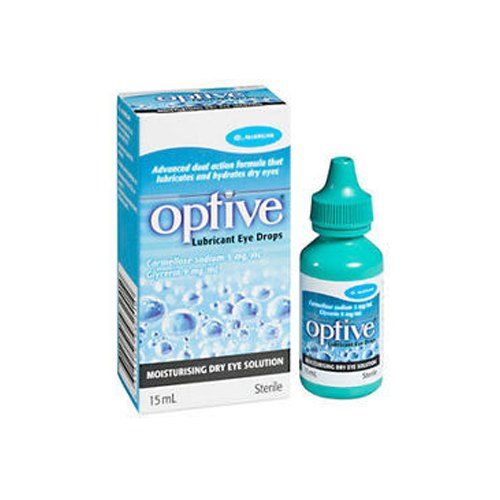
Price: Rs.220.22
10% off
In stock
Loose stock: 0
Description
OPTIVE EYE DROPS 10ML
Details
Composition
SODIUM CARBOXYMETHYLCELLULOSE 5 MG,STABILIZED OXYCHLORO 0.1MG
# Sodium Carboxymethylcellulose 5 mg + Stabilized Oxychloro 0.1 mg
## SHORT DESCRIPTION
Sodium Carboxymethylcellulose 5 mg + Stabilized Oxychloro 0.1 mg is a **lubricating and preservative-containing ophthalmic formulation** commonly used as artificial tears for the temporary relief of **dry, irritated, or uncomfortable eyes**.
**Sodium Carboxymethylcellulose (CMC)** acts as an ocular lubricant, while stabilized oxychloro is commonly used as a preservative system in ophthalmic preparations.
## KEY BENEFITS
* Provides temporary relief from dry eyes
* Helps lubricate and moisturize the surface of the eye
* Helps relieve burning and irritation associated with ocular dryness
* Can reduce discomfort caused by environmental factors such as wind, dust, and air conditioning
* Helps improve comfort in people experiencing occasional or chronic dry-eye symptoms
* Forms a protective lubricating layer over the eye surface
## USES / INDICATIONS
Sodium Carboxymethylcellulose + Stabilized Oxychloro ophthalmic drops may be used for:
* **Dry eyes**
* Temporary relief of eye dryness and irritation
* Burning or stinging associated with dry-eye symptoms
* Eye discomfort caused by wind, dust, smoke, or air conditioning
* Mild irritation associated with prolonged screen use or reduced blinking
* Lubrication of the ocular surface when additional moisture is needed
These eye drops are intended for **symptomatic relief** and do not treat the underlying cause of every type of eye irritation.
## HOW IT WORKS
### Sodium Carboxymethylcellulose
Sodium carboxymethylcellulose is an **ocular lubricant**. It increases moisture on the eye surface and helps form a protective layer over the cornea and conjunctiva.
This lubrication can reduce friction caused by blinking and temporarily relieve dryness, burning, and irritation.
### Stabilized Oxychloro
Stabilized oxychloro is used in some ophthalmic formulations as a **preservative system** designed to help maintain product sterility during use.
## DOSAGE & ADMINISTRATION
* Use the eye drops exactly as directed by your doctor or according to the product label.
* Wash your hands before application.
* Tilt your head back and gently pull down the lower eyelid.
* Instill the recommended number of drops into the affected eye.
* Avoid touching the dropper tip to the eye, eyelids, eyelashes, or other surfaces.
* Close your eyes gently after instillation.
* Replace the cap immediately after use.
* Do not rinse the dropper tip.
* If using other ophthalmic medicines, allow an appropriate interval between products as advised by your healthcare professional.
### Contact Lenses
If you wear contact lenses, follow the product-specific instructions. Some preserved eye drops may require contact lenses to be removed before application and reinserted after the recommended interval.
### Missed Dose
Artificial tears are generally used when needed or according to the prescribed schedule. If you miss a scheduled dose, use it when remembered unless it is nearly time for the next application. Do not use excessive amounts to compensate.
## SIDE EFFECTS
### Common Side Effects
Temporary effects after application may include:
* Mild burning or stinging
* Blurred vision for a short time
* Mild eye irritation
* Redness
* Watery eyes
* Temporary discomfort
These effects usually resolve quickly.
### Serious Side Effects
Stop using the product and seek medical attention if you experience:
* Severe or persistent eye pain
* Significant swelling
* Severe redness
* Vision changes that do not resolve
* Signs of a serious allergic reaction
* Persistent worsening of eye irritation
## PRECAUTIONS & WARNINGS
* **For ophthalmic use only.**
* Do not swallow.
* Do not touch the dropper tip to the eye or any other surface.
* Do not use the product if the solution is cloudy, discolored, or the packaging is damaged.
* If eye pain, persistent redness, discharge, or vision changes occur, consult an eye-care professional.
* Do not use the drops to treat an eye infection unless specifically directed by a healthcare professional.
* Remove contact lenses if required by the product instructions.
* Do not share eye drops with another person.
* Keep the bottle tightly closed when not in use.
* Frequent or long-term use of preserved eye drops may cause irritation in some sensitive individuals.
### When to Seek Medical Advice
Consult an ophthalmologist or healthcare professional if:
* Dryness continues despite regular use
* Symptoms become worse
* You develop eye pain or light sensitivity
* You experience persistent blurred vision
* There is unusual eye discharge
* You have recently undergone eye surgery
## DRUG INTERACTIONS
Significant systemic drug interactions are **unlikely** because the product is applied topically to the eye and has minimal systemic absorption.
However:
* Tell your doctor or pharmacist about other eye drops or eye ointments you are using.
* Avoid using multiple ophthalmic products at the same time unless advised.
* If using several eye medicines, administer them separately according to professional instructions.
* Eye ointments are generally applied after eye drops unless otherwise directed.
## STORAGE INFORMATION
* Store according to the manufacturer's instructions.
* Keep the bottle tightly closed when not in use.
* Store at the recommended room temperature.
* Protect from excessive heat and direct sunlight.
* Keep away from moisture.
* Do not freeze unless specifically permitted by the manufacturer.
* Keep out of the sight and reach of children.
* Do not use after the expiry date.
* Discard the bottle according to the manufacturer's instructions after opening, even if some solution remains.
## PRESCRIPTION STATUS
**Prescription Status May Vary**
Sodium Carboxymethylcellulose ophthalmic preparations may be available **over the counter or by prescription**, depending on the formulation, concentration, and regulations in the country.
## GENUINE MEDICINE ASSURANCE
When purchasing Sodium Carboxymethylcellulose + Stabilized Oxychloro eye drops:
* Purchase from a licensed and reputable pharmacy.
* Check that the bottle is sealed and intact.
* Verify the ingredients and strength on the label.
* Check the batch number and expiry date.
* Ensure the solution is clear and free from visible particles.
* Do not use a bottle with a damaged or contaminated dropper tip.
* Follow the manufacturer's storage instructions.
* Avoid purchasing ophthalmic medicines from unauthorized sources.
* Consult a pharmacist if you have concerns about product authenticity.
## FAQ — FREQUENTLY ASKED QUESTIONS
### What are Sodium Carboxymethylcellulose 5 mg + Stabilized Oxychloro 0.1 mg eye drops used for?
They are primarily used as **lubricating eye drops for temporary relief of dry, irritated, burning, or uncomfortable eyes**.
### Are these eye drops artificial tears?
Yes. Sodium carboxymethylcellulose acts as an artificial tear and ocular lubricant that helps moisturize and protect the eye surface.
### How does Sodium Carboxymethylcellulose help dry eyes?
It forms a lubricating layer over the eye surface, helping reduce friction and moisture loss and providing temporary relief from dryness and irritation.
### What is Stabilized Oxychloro used for?
Stabilized oxychloro is commonly used as a **preservative system** in ophthalmic products to help maintain product sterility during use.
### Can these eye drops be used every day?
They may be used regularly when appropriate, but the frequency should follow the product label or your healthcare professional's advice. If you need artificial tears very frequently, an eye examination may be advisable.
### Can these eye drops be used for redness?
They may relieve redness caused by dryness or irritation, but they are **not specifically redness-removing eye drops**. Persistent eye redness should be evaluated by an eye-care professional.
### Can these drops treat an eye infection?
No. Lubricating eye drops do not treat bacterial, viral, or fungal eye infections. Eye infection symptoms require appropriate medical evaluation.
### Can I use these eye drops with contact lenses?
This depends on the specific formulation and preservative system. Follow the product label regarding contact-lens use. If instructed to remove lenses, wait the recommended period before reinserting them.
### Can I use these drops while wearing contact lenses?
Do not assume they are compatible with contact lenses. Check the product instructions or ask your pharmacist or eye-care professional, particularly because the product contains a preservative.
### Can these eye drops cause blurred vision?
Yes. Temporary blurred vision can occur immediately after instillation because the liquid temporarily coats the eye. Vision should normally clear shortly afterward.
### Can these eye drops cause burning?
A mild, temporary burning or stinging sensation may occur after application. Persistent or severe burning should be medically evaluated.
### Can children use these eye drops?
Children should use ophthalmic medicines according to the product label or advice from a pediatrician or eye-care professional.
### Can these eye drops be used during pregnancy?
Consult your healthcare professional before using any medicine during pregnancy. Because these drops are applied to the eye and have limited systemic absorption, your doctor can determine whether they are appropriate for you.
### Can these eye drops be used while breastfeeding?
Consult your healthcare professional if you are breastfeeding. Your doctor or pharmacist can assess the product based on your individual circumstances.
### How long do artificial tears take to work?
Lubricating eye drops generally provide relief shortly after application. The duration of relief varies depending on the severity and cause of dry eyes.
### What should I do if I miss a dose?
If the drops are prescribed on a schedule, use the missed dose when remembered unless it is almost time for the next dose. If the drops are being used as needed, simply use them when symptoms require relief.
### Can I use other eye drops with this medicine?
Other ophthalmic medicines can sometimes be used together, but they should generally be administered separately. Ask your healthcare professional about the appropriate interval between products.
### Can I use these eye drops after eye surgery?
Use them after eye surgery only if recommended by your ophthalmologist. Post-surgical eyes may require specific preservative-free or medicated formulations.
### How should I store these eye drops?
Store them according to the manufacturer's instructions, keep the bottle tightly closed, protect it from excessive heat and sunlight, and keep it away from children.
### When should I see an eye doctor for dry eyes?
Seek professional evaluation if dryness is persistent, severe, associated with pain or light sensitivity, accompanied by discharge, or associated with persistent vision changes.
### Are Sodium Carboxymethylcellulose eye drops safe?
They are generally well tolerated when used as directed. Mild temporary burning, irritation, or blurred vision may occur.
## MEDICAL DISCLAIMER
This information is provided for educational and informational purposes only and is not a substitute for professional medical advice, diagnosis, or treatment. Sodium Carboxymethylcellulose 5 mg + Stabilized Oxychloro 0.1 mg eye drops should be used according to the product label or as directed by a qualified healthcare professional.
These eye drops are intended primarily for lubrication and temporary relief of dry-eye symptoms. They should not be used to self-treat unexplained eye pain, severe redness, eye infections, injuries, or persistent vision changes. Seek prompt medical attention for significant eye pain, sudden vision changes, severe redness, light sensitivity, or unusual eye discharge.