PAXIDEP CR 25MG
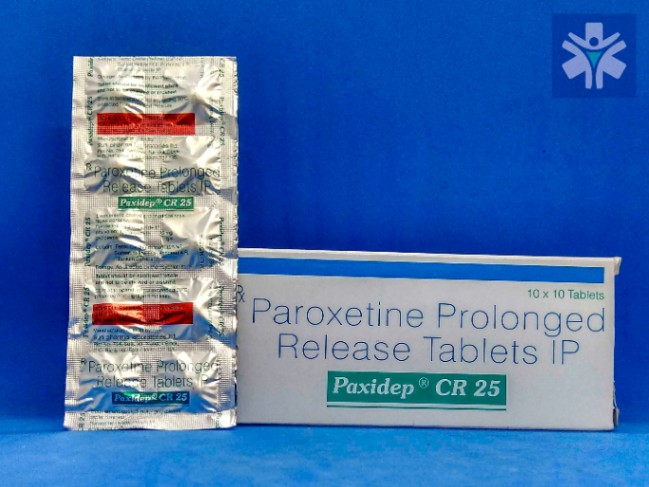
Price: Rs.288.00
13% off
In stock
Loose stock: 0
Description
PAXIDEP CR 25MG TAB 10
Details
Composition
PAROXETINE 25MG
# Paroxetine 25 mg
## Short Description
**Paroxetine 25 mg** is a prescription antidepressant belonging to the class of **Selective Serotonin Reuptake Inhibitors (SSRIs)**. It is used for the treatment of depression and various anxiety-related disorders, including panic disorder, obsessive-compulsive disorder (OCD), social anxiety disorder, generalized anxiety disorder, and post-traumatic stress disorder (PTSD).
Paroxetine works by helping restore the balance of **serotonin**, a natural chemical messenger in the brain that influences mood, emotions, and mental well-being.
---
# Key Benefits Section
- Helps improve symptoms of depression.
- Helps reduce excessive anxiety and worry.
- Helps control panic attacks and panic-related symptoms.
- Helps manage obsessive thoughts and compulsive behaviors.
- Supports improved mood and emotional stability.
- Helps improve daily functioning affected by anxiety or depression.
- May help improve sleep and concentration when symptoms are related to mood disorders.
---
# Uses / Indications
Paroxetine 25 mg may be prescribed for:
## Depression
- Major depressive disorder.
- Persistent low mood.
- Loss of interest or pleasure.
- Emotional symptoms associated with depression.
## Anxiety Disorders
### Generalized Anxiety Disorder (GAD)
- Excessive worry.
- Restlessness.
- Tension and anxiety symptoms.
### Panic Disorder
- Recurrent panic attacks.
- Fear and anxiety associated with panic episodes.
### Social Anxiety Disorder
- Excessive fear or anxiety in social situations.
### Obsessive-Compulsive Disorder (OCD)
- Reduces unwanted obsessive thoughts.
- Helps control repetitive compulsive behaviors.
### Post-Traumatic Stress Disorder (PTSD)
- Helps manage symptoms related to traumatic experiences.
---
# How It Works
Paroxetine belongs to the **SSRI (Selective Serotonin Reuptake Inhibitor)** group.
It works by:
- Blocking the reabsorption (reuptake) of serotonin in the brain.
- Increasing serotonin availability between nerve cells.
- Helping improve communication between brain cells.
- Supporting regulation of mood, emotions, anxiety, and stress responses.
The improvement in symptoms usually develops gradually over several weeks of regular use.
---
# Dosage & Administration
Take **Paroxetine 25 mg** exactly as prescribed by your doctor.
## General Instructions
- Usually taken once daily.
- May be taken with or without food.
- Take at the same time each day for best results.
- Swallow the tablet whole with water.
## Important Instructions
- Do not stop taking Paroxetine suddenly without medical advice.
- Dose adjustments should only be done by a healthcare professional.
- The full benefit may take several weeks to appear.
## Missed Dose
- Take the missed dose when remembered.
- If it is close to the next scheduled dose, skip it.
- Do not take two doses together.
---
# Side Effects
## Common Side Effects
- Nausea.
- Headache.
- Dizziness.
- Dry mouth.
- Sleepiness.
- Difficulty sleeping.
- Increased sweating.
- Fatigue.
- Constipation or diarrhea.
- Sexual side effects.
## Serious Side Effects (Seek Medical Help)
- Severe mood changes.
- Suicidal thoughts or unusual behavior changes.
- Serotonin syndrome symptoms (agitation, confusion, fever, muscle stiffness, fast heartbeat).
- Severe allergic reactions.
- Seizures.
- Unusual bleeding.
---
# Precautions & Warnings
Before taking Paroxetine, inform your doctor if you have:
- History of bipolar disorder.
- Seizure disorders.
- Liver or kidney disease.
- Glaucoma.
- Bleeding disorders.
- Heart rhythm problems.
- Previous allergic reactions to antidepressants.
## Important Warnings
- Paroxetine may increase suicidal thoughts in some young patients, especially when starting treatment or changing doses.
- Do not stop treatment suddenly; withdrawal symptoms may occur.
- Avoid alcohol unless approved by your doctor.
- Inform your doctor before surgery.
- Pregnant or breastfeeding women should consult a healthcare professional before use.
---
# Drug Interactions
Paroxetine may interact with:
## MAO Inhibitors
- Do not use together due to risk of serious reactions.
## Other Antidepressants
- SSRIs, SNRIs, tricyclic antidepressants, and other serotonin-affecting medicines may increase serotonin syndrome risk.
## Blood Thinners
Examples:
- Warfarin.
- Aspirin.
- NSAIDs.
May increase bleeding risk.
## Migraine Medicines
- Triptans may increase serotonin-related side effects.
## Other Medicines
Inform your doctor if taking:
- Lithium.
- Antipsychotics.
- Certain heart rhythm medicines.
- St. John’s Wort or herbal supplements.
Always provide a complete list of medicines and supplements to your healthcare provider.
---
# Storage Information
- Store below **25°C**.
- Keep in a cool and dry place.
- Protect from moisture and direct sunlight.
- Keep tablets in the original packaging.
- Keep out of reach of children.
- Do not use after the expiry date.
---
# Prescription Status
**Prescription Only Medicine (Rx)**
Paroxetine 25 mg should be used only under the supervision of a qualified healthcare professional due to its effects on mood, brain chemistry, and potential withdrawal symptoms.
---
# Genuine Medicine Assurance
We provide **100% genuine, quality-assured medicines** sourced from licensed pharmaceutical manufacturers and authorized distributors. All medicines are stored and handled according to recommended pharmaceutical standards to maintain their safety, quality, and effectiveness.
---
# FAQ Section (Frequently Asked Questions)
## 1. What is Paroxetine 25 mg used for?
Paroxetine 25 mg is used to treat depression and anxiety-related disorders such as panic disorder, OCD, social anxiety disorder, and PTSD.
---
## 2. Is Paroxetine an antidepressant?
Yes. Paroxetine is an SSRI antidepressant that helps regulate serotonin levels in the brain.
---
## 3. How long does Paroxetine take to work?
Some symptoms may improve within a few weeks, but full benefits may take several weeks of regular treatment.
---
## 4. Can Paroxetine be stopped suddenly?
No. Stopping suddenly may cause withdrawal symptoms such as dizziness, irritability, sleep disturbances, and anxiety.
---
## 5. Does Paroxetine cause sleepiness?
Some people may experience sleepiness, while others may experience difficulty sleeping.
---
## 6. Can Paroxetine be taken at night?
It may be taken at night or morning depending on individual response and doctor's advice.
---
## 7. Is Paroxetine addictive?
No. Paroxetine is not considered addictive, but stopping suddenly can cause withdrawal symptoms.
---
## 8. Can Paroxetine be used for anxiety?
Yes. It is approved for several anxiety disorders, including panic disorder and social anxiety disorder.
---
## 9. Does Paroxetine affect sexual function?
Yes. Some people may experience reduced sexual desire or other sexual side effects.
---
## 10. Can Paroxetine be taken with alcohol?
Alcohol may worsen certain side effects. Consult your doctor before drinking alcohol while taking Paroxetine.
---
## 11. Is Paroxetine safe during pregnancy?
Consult your doctor before use during pregnancy, as risks and benefits must be carefully evaluated.
---
## 12. What should I do if I miss a dose?
Take it when remembered unless it is close to the next dose. Do not double the dose.
---
# Medical Disclaimer
The information provided on this page is for **educational and informational purposes only** and does not replace professional medical advice, diagnosis, or treatment. **Paroxetine 25 mg** is a prescription medicine and should only be used under the guidance of a qualified healthcare professional. Always consult your doctor before starting, stopping, or changing any medication.
```