QUTIPIN 200
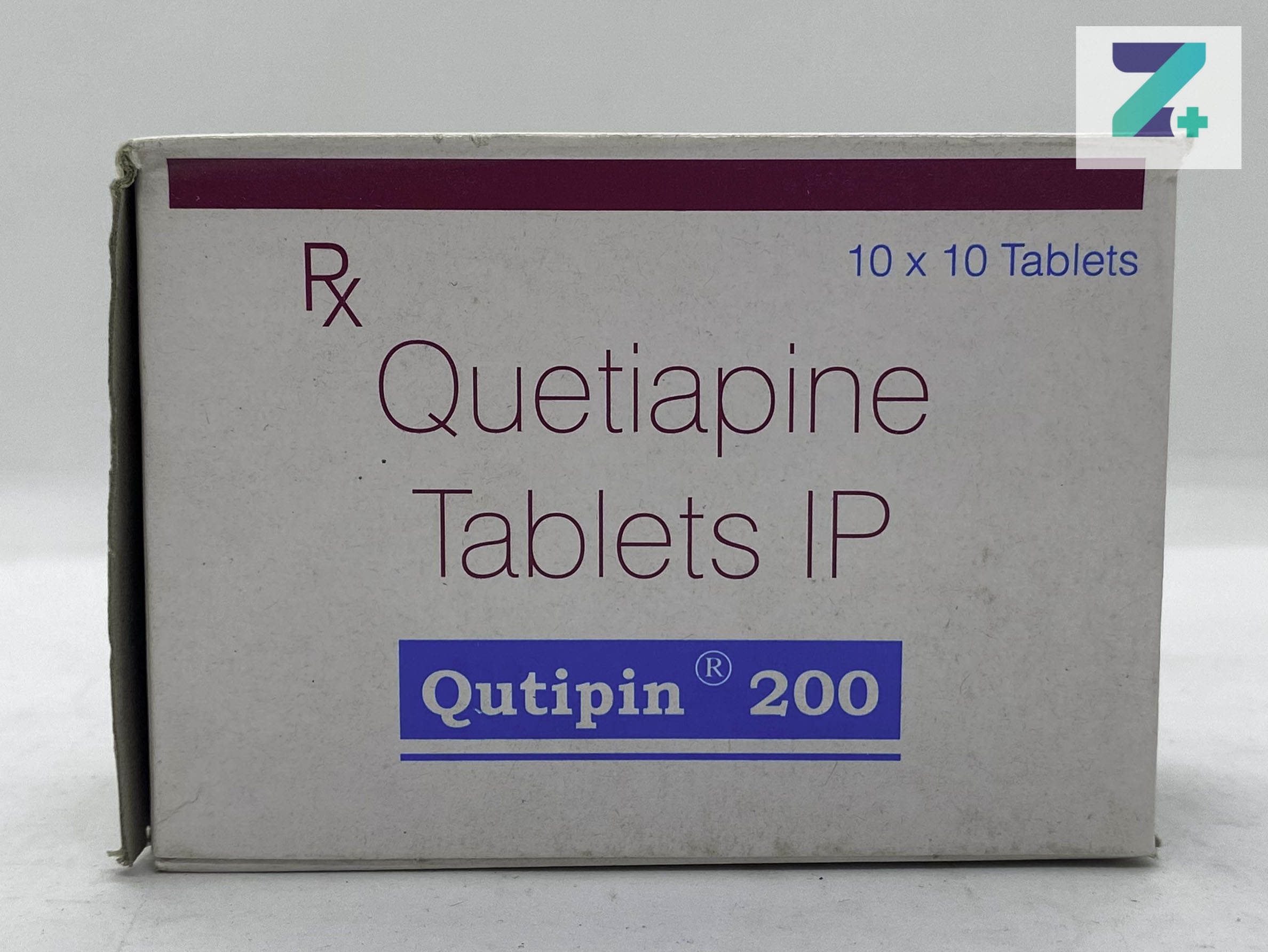
Price: Rs.216.00
13% off
In stock
Loose stock: 0
Description
QUTIPIN 200 TAB 10
Details
Composition
QUETIAPINE 200 MG
# QUETIAPINE 200 MG
## SHORT DESCRIPTION
**Quetiapine 200 mg** is a prescription medicine belonging to the **atypical antipsychotic** class. It is used to manage certain psychiatric conditions, including **schizophrenia and bipolar disorder**, and in some formulations/dosing regimens as an adjunctive treatment for major depressive disorder.
Quetiapine affects several neurotransmitter systems in the brain, particularly **dopamine and serotonin**, helping regulate mood, thinking, perception, and behavior.
> **Important:** Quetiapine 200 mg is a specific tablet strength, not necessarily the appropriate dose for every condition. The required dose depends on the diagnosis, formulation (immediate-release or extended-release), age, other medicines, and individual response.
---
## KEY BENEFITS
* Helps manage symptoms of **schizophrenia**.
* Helps treat **manic episodes associated with bipolar disorder**.
* May help manage **depressive episodes associated with bipolar disorder**.
* Certain formulations and treatment plans may use quetiapine as an **adjunctive treatment for major depressive disorder**.
* Can help reduce symptoms such as hallucinations, delusions, disorganized thinking, and mood disturbances.
* May help stabilize significant mood changes in appropriate patients.
---
## USES / INDICATIONS
Quetiapine may be prescribed for:
### Schizophrenia
It can help manage symptoms such as:
* Hallucinations
* Delusions
* Disorganized thinking
* Agitation
* Social withdrawal
### Bipolar Disorder
Quetiapine may be used for:
* **Manic episodes**
* **Depressive episodes**
* Long-term maintenance treatment in selected patients
### Major Depressive Disorder
Certain quetiapine formulations may be used as **add-on treatment with an antidepressant** when prescribed by a qualified healthcare professional.
> The approved indications vary by country and by formulation.
---
## HOW IT WORKS
Quetiapine affects multiple neurotransmitter receptors in the central nervous system.
It has activity at:
* **Serotonin (5-HT2) receptors**
* **Dopamine D2 receptors**
* Histamine H1 receptors
* Alpha-adrenergic receptors
Its effects on dopamine and serotonin signaling contribute to its **antipsychotic and mood-stabilizing effects**.
Its activity at histamine and alpha-adrenergic receptors can contribute to side effects such as **drowsiness, dizziness, and low blood pressure**.
### In Simple Terms
**Quetiapine → modulates dopamine and serotonin signaling → helps regulate abnormal thoughts, perception, mood, and behavior.**
---
## DOSAGE & ADMINISTRATION
The appropriate dose varies considerably according to the condition being treated.
* Take **Quetiapine 200 mg exactly as prescribed**.
* It may be taken with or without food depending on the formulation.
* Take the medicine at approximately the same time each day.
* Swallow tablets as directed.
* Do not stop treatment suddenly without medical advice.
### Immediate-Release vs Extended-Release
Quetiapine is available in different formulations. **Extended-release (XR/ER) tablets must be swallowed whole** and should not be crushed, chewed, or split unless the specific product information permits it.
### Missed Dose
Take the missed dose when remembered unless it is nearly time for the next scheduled dose.
**Do not take two doses together.**
### Important
Quetiapine is commonly started at a lower dose and gradually increased for some conditions. **Do not start at 200 mg or change the dose unless prescribed.**
---
## SIDE EFFECTS
### Common Side Effects
Possible side effects include:
* Drowsiness or sleepiness
* Dizziness
* Dry mouth
* Headache
* Constipation
* Increased appetite
* Weight gain
* Fatigue
* Nausea
* Indigestion
* Increased heart rate
* Low blood pressure, particularly when standing
### Metabolic Effects
Quetiapine may cause:
* Weight gain
* Increased blood glucose
* Increased cholesterol or triglycerides
Regular monitoring of **weight, blood glucose, and lipid levels** may be recommended.
### Serious Side Effects
Seek urgent medical attention for:
* Severe muscle stiffness, fever, confusion, or sweating
* Uncontrolled movements
* Fainting or severe dizziness
* Severe allergic reaction
* Seizures
* Significant changes in heartbeat
* Severe or persistent hyperglycemia symptoms
A rare but serious reaction called **neuroleptic malignant syndrome (NMS)** can occur with antipsychotic medicines.
---
## PRECAUTIONS & WARNINGS
### Drowsiness and Driving
Quetiapine can cause significant **sleepiness and impaired alertness**.
Avoid driving or operating machinery until you know how the medicine affects you.
### Alcohol
Avoid or limit alcohol unless your healthcare professional specifically advises otherwise. Alcohol can increase **drowsiness, dizziness, and impaired coordination**.
### Low Blood Pressure
Quetiapine can cause **orthostatic hypotension**, particularly when treatment is started or the dose is increased.
Rise slowly from sitting or lying positions.
### Diabetes and Blood Sugar
Quetiapine may increase blood glucose levels.
People with diabetes or risk factors for diabetes may require regular blood glucose monitoring.
### Weight Gain
Quetiapine can increase appetite and body weight. Regular monitoring of weight and metabolic health is recommended.
### Cardiovascular Conditions
Tell your doctor if you have:
* Heart disease
* Abnormal heart rhythm
* Low blood pressure
* A history of fainting
* Risk factors for QT prolongation
### Seizures
Use caution if you have a history of seizures or conditions that lower the seizure threshold.
### Liver Disease
Quetiapine is extensively metabolized by the liver. Patients with liver impairment may require a different starting dose or careful monitoring.
### Cataracts
Long-term treatment may require appropriate eye monitoring depending on individual risk factors and local prescribing guidance.
### Older Adults With Dementia-Related Psychosis
Antipsychotic medicines, including quetiapine, are associated with an increased risk of **death in elderly patients with dementia-related psychosis** and are not approved for this indication.
### Children and Adolescents
Safety and approved uses vary by age and condition. Use only when specifically prescribed for the appropriate age group.
### Pregnancy
Tell your healthcare professional if you are pregnant or planning pregnancy. Quetiapine should be used during pregnancy only after a careful assessment of potential benefits and risks.
### Breastfeeding
Quetiapine can pass into breast milk. Discuss breastfeeding with your healthcare professional before taking or continuing treatment.
---
## DRUG INTERACTIONS
### Strong CYP3A4 Inhibitors
Medicines such as certain azole antifungals and some macrolide antibiotics can significantly increase quetiapine concentrations.
Examples may include:
* Ketoconazole
* Itraconazole
* Clarithromycin
### CYP3A4 Inducers
Medicines such as **carbamazepine** can substantially reduce quetiapine concentrations and may reduce its effectiveness.
### CNS Depressants
Quetiapine may have additive sedative effects with:
* Opioids
* Benzodiazepines
* Sedating antihistamines
* Sleeping medicines
* Alcohol
### Antihypertensive Medicines
Quetiapine may enhance blood-pressure-lowering effects and increase the risk of dizziness or fainting.
### QT-Prolonging Medicines
Use caution with medicines that can prolong the **QT interval**, particularly in patients with cardiac risk factors.
### Other Medicines
Tell your doctor about all:
* Prescription medicines
* OTC medicines
* Antidepressants
* Antipsychotics
* Anticonvulsants
* Herbal products
* Vitamins and supplements
**Do not start or stop medicines without professional advice.**
---
## STORAGE INFORMATION
* Store according to the **manufacturer's instructions**.
* Keep in the original packaging.
* Store at room temperature unless the product label states otherwise.
* Protect from moisture and excessive heat.
* Keep away from direct sunlight.
* Keep out of reach of children.
* Do not use after the expiry date.
* Keep the packaging properly closed.
---
## PRESCRIPTION STATUS
**Quetiapine 200 mg is a prescription-only medicine in many countries.**
It should be used under the supervision of a qualified healthcare professional because the medicine requires individualized dosing and monitoring for psychiatric, cardiovascular, metabolic, and neurological effects.
---
## GENUINE MEDICINE ASSURANCE
When purchasing Quetiapine 200 mg:
* Purchase from a **licensed pharmacy or authorized medicine supplier**.
* Ensure the packaging is original and properly sealed.
* Verify the medicine name, strength, and formulation.
* Check the **batch/lot number and expiry date**.
* Confirm the manufacturer's information.
* Check for signs of tampering or damaged packaging.
* Do not purchase tablets with unclear labeling or questionable authenticity.
---
# FAQ – QUETIAPINE 200 MG
### 1. What is Quetiapine 200 mg used for?
Quetiapine is primarily used to treat **schizophrenia and bipolar disorder**. Certain formulations may also be used as adjunctive treatment for major depressive disorder.
### 2. Is Quetiapine a sleeping pill?
No. Quetiapine is an **atypical antipsychotic**, not a conventional sleeping medicine. Although it can cause significant drowsiness, it should not be used solely as a sleep aid unless specifically prescribed.
### 3. Is Quetiapine a mood stabilizer?
Quetiapine has **mood-stabilizing effects** and is used in the treatment of bipolar disorder, including manic and depressive episodes.
### 4. What does Quetiapine do to the brain?
It modifies the activity of several neurotransmitter systems, particularly **dopamine and serotonin**, helping regulate mood, perception, thinking, and behavior.
### 5. Is 200 mg of Quetiapine a high dose?
The appropriate dose depends on the condition and formulation. **200 mg may be an appropriate therapeutic dose for some patients but not for others.** Never change your dose without medical advice.
### 6. Can Quetiapine 200 mg make you sleepy?
Yes. **Drowsiness and sedation are common**, particularly when starting treatment or increasing the dose.
### 7. Can I take Quetiapine with alcohol?
It is generally best to avoid alcohol because it can increase **sedation, dizziness, impaired coordination, and low blood pressure**.
### 8. Does Quetiapine cause weight gain?
Yes. Increased appetite and **weight gain** can occur. Blood glucose and lipid levels may also increase in some patients.
### 9. Can Quetiapine cause diabetes?
Quetiapine may increase blood glucose and can contribute to metabolic abnormalities. People taking it may require monitoring for **hyperglycemia and diabetes**, particularly if they have risk factors.
### 10. Can Quetiapine be stopped suddenly?
Do not stop quetiapine suddenly without medical advice. Abrupt discontinuation can cause withdrawal symptoms and may cause the underlying condition to return or worsen.
### 11. What happens if I miss a dose of Quetiapine?
Take it when remembered unless it is nearly time for the next dose. **Do not take two doses at once.** If multiple doses have been missed, contact your healthcare professional because restarting may require special instructions.
### 12. Can Quetiapine be taken with antidepressants?
It may be prescribed together with certain antidepressants, but the combination should be managed by a healthcare professional because interactions and additive side effects can occur.
### 13. Can Quetiapine be taken with clonazepam or other benzodiazepines?
These medicines can have additive effects on **sedation, dizziness, and impaired coordination**. Use them together only under medical supervision.
### 14. Can Quetiapine affect blood pressure?
Yes. It can cause **low blood pressure**, particularly when standing up, especially during initial treatment or dose increases.
### 15. Does Quetiapine affect the heart?
Quetiapine can affect heart rate and, in susceptible individuals or with interacting medicines, may contribute to **QT prolongation and abnormal heart rhythms**.
### 16. Can Quetiapine be used during pregnancy?
It may be used during pregnancy in selected circumstances, but the potential benefits and risks should be discussed with a healthcare professional.
### 17. Can Quetiapine be used while breastfeeding?
Quetiapine can pass into breast milk. Discuss breastfeeding with your doctor before using the medicine.
### 18. Is Quetiapine addictive?
Quetiapine is not generally classified as an addictive drug. However, physical or psychological dependence-like symptoms can occur with some medicines, and abrupt discontinuation can cause withdrawal symptoms.
### 19. How long does Quetiapine take to work?
Some effects, such as sedation, may occur relatively quickly, while improvement in **mood, psychotic symptoms, or other psychiatric symptoms may take days to weeks**.
### 20. Is Quetiapine 200 mg available without a prescription?
Quetiapine is generally a **prescription-only medicine** and should be taken only under appropriate medical supervision.
---
## MEDICAL DISCLAIMER
This information about **Quetiapine 200 mg** is provided for educational and informational purposes only and is not a substitute for professional medical advice, diagnosis, or treatment.
Quetiapine is a **prescription antipsychotic medicine** that can cause significant sedation, metabolic changes, blood-pressure changes, and other potentially serious adverse effects. The 200 mg strength does not mean that 200 mg is appropriate for every patient or condition.
Do not start, stop, or change the dose without consulting your healthcare professional. Avoid alcohol and use caution with other medicines that cause sedation.
Seek urgent medical attention for **severe muscle stiffness with fever/confusion, fainting, seizures, severe allergic reactions, significant abnormal heartbeat, or severe changes in mental or physical status**.
Always follow the specific product information and your healthcare professional's prescribed dosing and monitoring instructions.