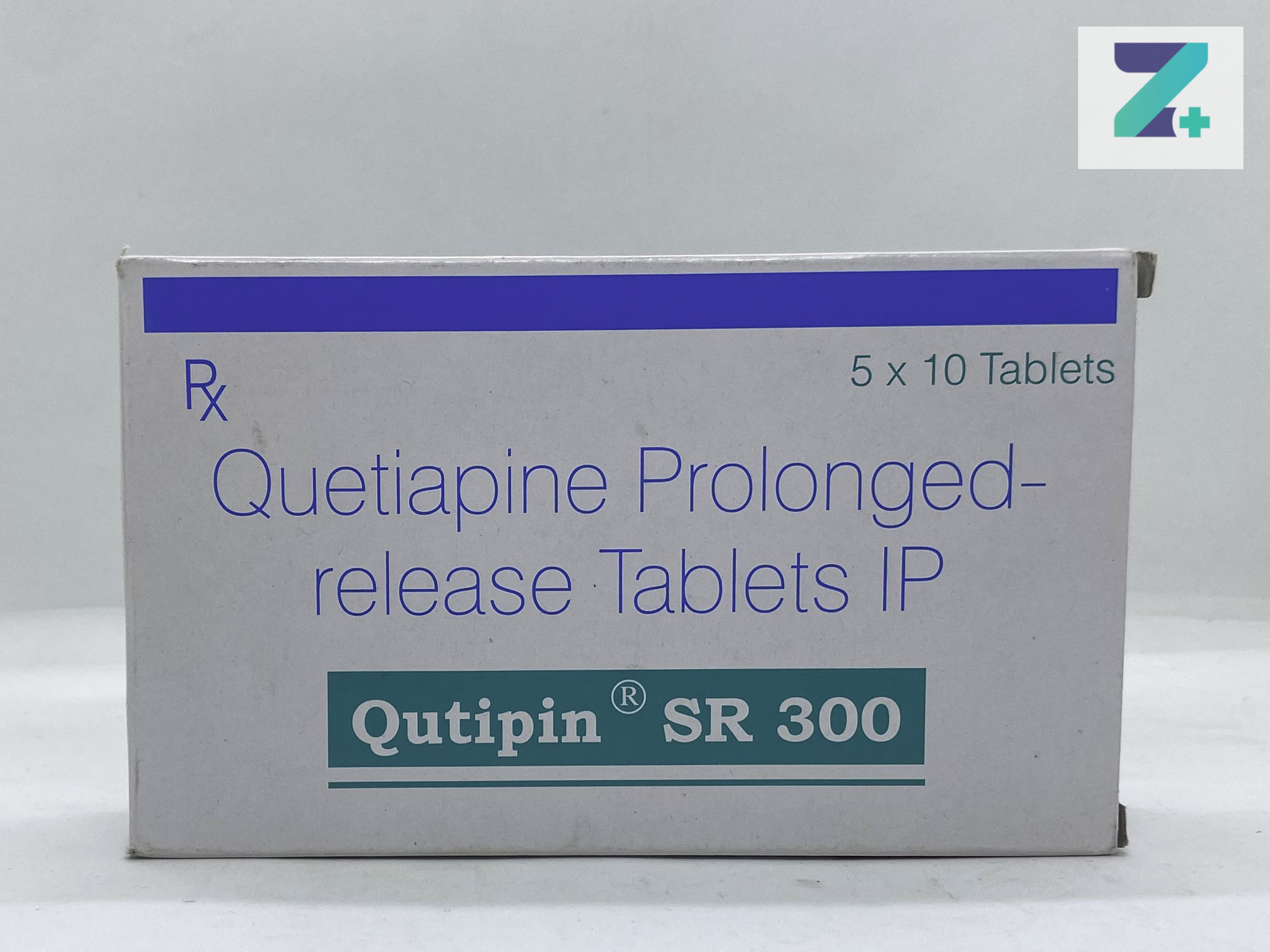
QUTIPIN SR 300MG
Price: Rs.326.40
13% off
In stock
Loose stock: 0
Description
QUTIPIN SR 300MG TAB 10
Details
Composition
QUETIAPINE 300 MG
# Quetiapine 300 mg
## Short Description
**Quetiapine 300 mg** is an atypical antipsychotic medicine used to treat certain **mental health conditions**, including schizophrenia and bipolar disorder. Depending on the formulation and treatment plan, it may also be used as part of therapy for major depressive disorder.
Quetiapine affects several chemical messengers in the brain, particularly serotonin and dopamine. The **300 mg strength** is commonly used as part of a carefully adjusted treatment regimen and should be taken only as prescribed.
## Key Benefits
* Helps reduce **psychotic symptoms** such as hallucinations and delusions.
* Helps manage **mania and depressive episodes associated with bipolar disorder**.
* Can help improve mood, thinking, and behavioral symptoms in appropriate patients.
* May be used as an **adjunctive treatment for major depressive disorder** in certain formulations and clinical situations.
* Can help reduce agitation and other symptoms associated with certain psychiatric conditions.
## Uses / Indications
Quetiapine 300 mg may be prescribed for:
* **Schizophrenia**
* **Bipolar disorder**, including manic and depressive episodes
* Maintenance treatment of bipolar disorder in appropriate patients
* **Major depressive disorder** as adjunctive treatment in selected patients, depending on the formulation and local prescribing approval
The exact indication depends on the specific quetiapine formulation, patient characteristics, and medical assessment.
## How It Works
Quetiapine is an **atypical antipsychotic** that affects multiple neurotransmitter receptors in the brain.
It primarily acts on:
* **Serotonin (5-HT2) receptors**
* **Dopamine D2 receptors**
By modifying signaling through these neurotransmitter systems, quetiapine can help regulate mood, perception, thinking, and behavior.
Quetiapine also has activity at histamine and adrenergic receptors, which contributes to effects such as **sleepiness, dizziness, and changes in blood pressure**.
## Dosage & Administration
* Take Quetiapine 300 mg **exactly as prescribed** by your doctor.
* The dose is usually increased gradually according to the condition being treated and individual response.
* Take it at approximately the same time each day.
* It may be taken **with or without food**, depending on the formulation.
* Swallow tablets whole unless your specific product instructions state otherwise.
* **Do not crush, split, or chew extended-release tablets** unless specifically instructed.
* Do not stop quetiapine suddenly without medical advice, as withdrawal symptoms and recurrence of symptoms can occur.
* If you miss a dose, take it when remembered unless it is nearly time for the next dose. **Do not take two doses together.**
### Important
Quetiapine dosing is highly individualized. **300 mg is not necessarily the correct dose for every patient or condition.** Your doctor may prescribe a lower or higher dose depending on your diagnosis and response.
## Side Effects
Common side effects may include:
* Drowsiness or sleepiness
* Dizziness
* Dry mouth
* Constipation
* Headache
* Increased appetite
* Weight gain
* Fatigue
* Indigestion
* Increased heart rate
* Low blood pressure, particularly when standing
### Serious Side Effects
Seek immediate medical attention if you develop:
* Severe allergic reaction
* Fainting or severe dizziness
* Uncontrolled movements of the face, tongue, or body
* Severe muscle stiffness, fever, confusion, or sweating
* Seizures
* Severe or persistent changes in heartbeat
* Very high blood sugar symptoms such as excessive thirst or frequent urination
* Severe constipation accompanied by abdominal pain or vomiting
Rarely, antipsychotic medicines can cause **neuroleptic malignant syndrome** or **tardive dyskinesia**, which require medical evaluation.
## Precautions & Warnings
* Quetiapine can cause **drowsiness and dizziness**. Avoid driving or operating machinery until you know how it affects you.
* It may cause **orthostatic hypotension**, particularly when treatment is started or the dose is increased.
* Weight, blood glucose, and lipid levels may require monitoring during treatment.
* Tell your doctor if you have **diabetes, cardiovascular disease, low blood pressure, seizures, liver disease, or a history of stroke**.
* Use caution in older adults with dementia-related psychosis. Antipsychotics such as quetiapine carry an increased risk of **death and cerebrovascular events** in this population and are not approved for this use.
* Avoid or limit alcohol because it can increase sedation and impairment.
* Quetiapine may increase appetite and cause weight gain in some patients.
* Do not discontinue treatment abruptly without medical advice.
* Inform your doctor if you are pregnant, planning pregnancy, or breastfeeding.
* Report unusual involuntary movements, severe muscle stiffness, fever, confusion, or significant changes in mood promptly.
## Drug Interactions
Quetiapine can interact with several medicines, including:
* **Strong CYP3A4 inhibitors** such as ketoconazole, ritonavir, and some macrolide antibiotics, which may substantially increase quetiapine levels.
* **CYP3A4 inducers** such as carbamazepine, phenytoin, and rifampicin, which can reduce quetiapine levels.
* **Alcohol and other CNS depressants**, which may increase drowsiness and impairment.
* Certain medicines that affect **heart rhythm (QT interval)** may increase cardiac risk.
* Blood-pressure-lowering medicines may increase the risk of hypotension.
* Other medicines with anticholinergic effects may increase constipation, dry mouth, urinary retention, or related effects.
Always provide your doctor or pharmacist with a complete list of prescription medicines, over-the-counter products, vitamins, and herbal supplements you take.
## Storage Information
* Store Quetiapine 300 mg at the temperature specified on the product packaging.
* Keep the medicine in a **dry place away from excessive moisture and heat**.
* Protect from direct sunlight.
* Keep the container tightly closed.
* Keep out of reach of children and pets.
* Do not use after the expiry date.
* Keep the medicine in its original packaging whenever possible.
## Prescription Status
**Prescription medicine.**
Quetiapine 300 mg should be used only under the supervision of a qualified healthcare professional. It should not be started, stopped, or dose-adjusted without medical guidance.
## Genuine Medicine Assurance
To help ensure you receive genuine Quetiapine 300 mg:
* Purchase it from a **licensed pharmacy or authorized medicine supplier**.
* Check the product name, strength, manufacturer, batch/lot number, and expiry date.
* Do not use products with damaged, opened, altered, or suspicious packaging.
* Verify the packaging and appearance against the manufacturer's information where available.
* Store the medicine according to the manufacturer's instructions.
* If you suspect a product is counterfeit, consult a pharmacist or contact the manufacturer using the details printed on the packaging.
## Frequently Asked Questions (FAQ)
### What is Quetiapine 300 mg used for?
Quetiapine 300 mg is used to treat certain psychiatric conditions, particularly **schizophrenia and bipolar disorder**. Depending on the formulation and clinical indication, quetiapine may also be used as an adjunctive treatment for major depressive disorder.
### Is Quetiapine 300 mg a sleeping pill?
No. Quetiapine is **not primarily a sleeping medicine**. It is an antipsychotic used to treat specific psychiatric conditions. Sleepiness is a common effect, but quetiapine should not be used solely as a sleep aid unless specifically prescribed.
### Does Quetiapine 300 mg make you sleepy?
Yes. **Drowsiness and sleepiness** are common effects of quetiapine, particularly when starting treatment or increasing the dose. Avoid driving or operating machinery until you know how the medicine affects you.
### Can Quetiapine 300 mg be used for bipolar disorder?
Yes. Quetiapine is used in the management of several phases of **bipolar disorder**, including manic and depressive episodes and maintenance treatment in appropriate patients.
### Can Quetiapine treat schizophrenia?
Yes. Quetiapine is an established treatment for **schizophrenia** and can help reduce symptoms such as hallucinations, delusions, and disorganized thinking.
### Does Quetiapine cause weight gain?
**Weight gain and increased appetite** can occur with quetiapine. Your healthcare professional may monitor weight, blood glucose, and lipid levels during long-term treatment.
### Can I stop Quetiapine suddenly?
No. Stopping quetiapine suddenly may cause withdrawal symptoms such as insomnia, nausea, vomiting, headache, or return/worsening of psychiatric symptoms. Your doctor can gradually reduce the dose when discontinuation is appropriate.
### What happens if I miss a dose of Quetiapine?
Take the missed dose when you remember unless it is close to the next scheduled dose. In that case, skip it and resume your normal schedule. **Do not take an extra dose to compensate.**
### Can I drink alcohol while taking Quetiapine?
Alcohol can increase **drowsiness, dizziness, and impaired judgment** caused by quetiapine. It is generally best to avoid alcohol unless your healthcare professional advises otherwise.
### Can Quetiapine 300 mg be taken during pregnancy?
If you are pregnant or planning pregnancy, consult your doctor before using quetiapine. Your healthcare professional will assess the potential benefits and risks and determine whether treatment should be continued or adjusted.
### Does Quetiapine cause diabetes?
Quetiapine can increase the risk of **high blood sugar and metabolic changes** in some people. Patients taking it, particularly long term, may need monitoring of blood glucose and other metabolic parameters.
### How long does Quetiapine take to work?
Some effects, such as sedation, may occur relatively quickly, while improvement in psychiatric symptoms can take **days to several weeks**. The response varies according to the condition and individual patient.
### Can Quetiapine 300 mg be used in elderly patients?
Quetiapine may be used in some older adults when clinically appropriate, but additional caution is required because of increased sensitivity to **sedation, dizziness, falls, and blood-pressure changes**. Antipsychotics are not approved for treating dementia-related psychosis because of increased mortality risk.
### Is Quetiapine addictive?
Quetiapine is not generally considered an addictive drug in the same way as substances such as opioids or benzodiazepines. However, **physical dependence or withdrawal symptoms can occur**, particularly after long-term treatment, so it should not be stopped abruptly.
## Medical Disclaimer
This information about **Quetiapine 300 mg** is provided for educational and informational purposes only and is not a substitute for professional medical advice, diagnosis, or treatment.
Quetiapine is a prescription antipsychotic medicine with potentially significant side effects and drug interactions. The appropriate dose and formulation depend on the patient's diagnosis, age, medical history, other medicines, and clinical response.
**Do not start, stop, or change the dose of Quetiapine 300 mg without consulting a qualified healthcare professional.** Always read the product label and package insert supplied with your specific medicine and consult your doctor or pharmacist for product-specific instructions.