QUTIPIN SR 400MG
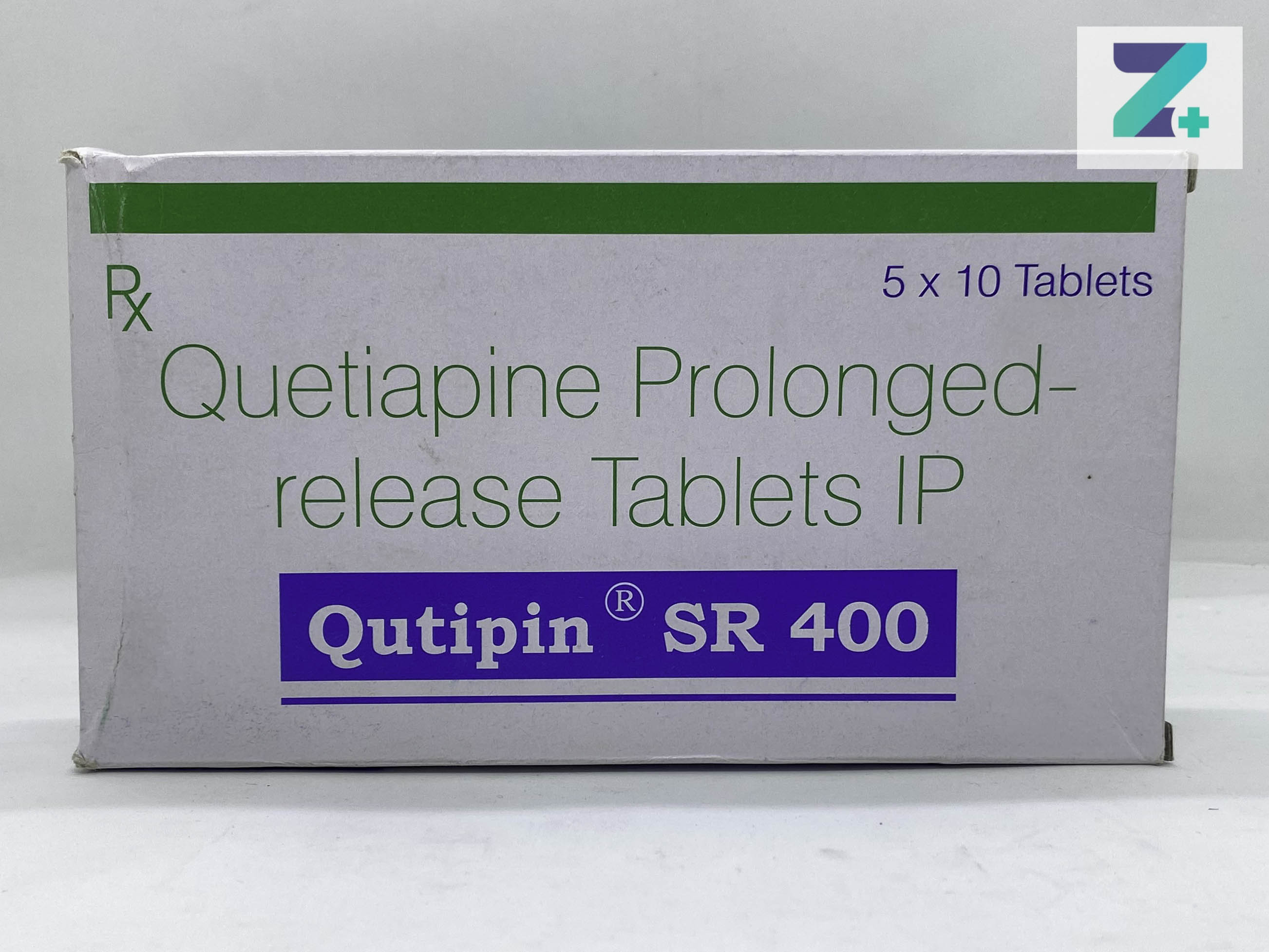
Price: Rs.427.20
13% off
In stock
Loose stock: 0
Description
QUTIPIN SR 400MG TAB 10
Details
Composition
QUETIAPINE 400 MG
# QUETIAPINE 400 MG
## SHORT DESCRIPTION
**Quetiapine 400 mg** is a prescription **atypical antipsychotic medicine** used to manage certain mental health conditions, including **schizophrenia and bipolar disorder**. Depending on the formulation and clinical circumstances, quetiapine may also be used as part of treatment for **major depressive disorder**.
Quetiapine works primarily by affecting neurotransmitters in the brain, particularly **dopamine and serotonin**. The 400 mg strength may be used as part of an individualized treatment regimen and should only be taken according to a healthcare professional's instructions.
---
## KEY BENEFITS
* Helps manage symptoms of **schizophrenia**.
* Helps control **manic and depressive episodes associated with bipolar disorder**.
* May help reduce symptoms such as hallucinations, delusions, disorganized thinking, and mood disturbances.
* Can help stabilize mood in appropriate patients.
* May be used alone or with other medicines depending on the condition and formulation.
* Can help improve overall functioning when used as part of a comprehensive treatment plan.
> **Important:** Quetiapine is not appropriate for everyone, and the dose should be individualized. Do not use it solely as a sleep medicine unless specifically prescribed for that purpose.
---
## USES / INDICATIONS
### 1. Schizophrenia
Quetiapine is used to treat schizophrenia and may help reduce symptoms such as:
* Hallucinations
* Delusions
* Disorganized thinking
* Social withdrawal
* Agitation
* Other disturbances in perception and thought
### 2. Bipolar Disorder
Quetiapine may be used for different phases of bipolar disorder, including:
* **Manic episodes**
* **Depressive episodes**
* Maintenance treatment in selected patients
It may be used alone or alongside other mood-stabilizing treatment depending on the clinical situation.
### 3. Major Depressive Disorder
Certain quetiapine formulations may be used as **adjunctive treatment for major depressive disorder** when prescribed by an appropriately qualified healthcare professional.
### 4. Other Uses
Doctors may occasionally prescribe quetiapine for other conditions based on clinical judgment. Such use should only occur under medical supervision.
---
## HOW IT WORKS
Quetiapine affects several neurotransmitter systems in the brain.
It primarily acts as an antagonist at **serotonin 5-HT2A and dopamine D2 receptors**.
It also interacts with other receptors, including histamine H1 and adrenergic receptors, which contribute to some of its therapeutic effects as well as side effects such as **drowsiness and dizziness**.
### Simple Explanation
**Quetiapine → modifies dopamine and serotonin signaling → helps regulate mood, perception, thinking, and behavior.**
The exact mechanisms responsible for its effects in each condition are complex and involve multiple neurotransmitter systems.
---
## DOSAGE & ADMINISTRATION
### Important
**Quetiapine 400 mg is a tablet strength, not a standard dose for every patient.**
The appropriate dose depends on:
* The condition being treated
* Age
* Response to treatment
* Other medicines
* Kidney and liver function
* The specific quetiapine formulation
Treatment is often **started at a lower dose and gradually increased**.
### Adults
For schizophrenia and bipolar disorder, daily doses vary considerably. A healthcare professional determines the appropriate maintenance dose.
The **400 mg strength may represent the total daily dose or part of an individualized regimen**, depending on the formulation.
### Immediate-Release vs Extended-Release
Quetiapine is available in different formulations.
**Extended-release (XR/ER) tablets should be swallowed whole** and should not generally be crushed, chewed, or split unless the product information specifically permits it.
### How to Take
* Take exactly as prescribed.
* Take at the same time each day.
* Follow the instructions for your particular formulation.
* Swallow tablets with water.
* Do not change the dose without medical advice.
* Avoid suddenly stopping treatment.
### Missed Dose
Take the missed dose when remembered unless it is nearly time for the next dose.
**Do not take two doses together.**
If several doses have been missed, contact your healthcare professional before restarting because the dose may need to be reintroduced gradually.
---
## SIDE EFFECTS
### Common Side Effects
Possible side effects include:
* Drowsiness or sleepiness
* Dizziness
* Dry mouth
* Constipation
* Headache
* Increased appetite
* Weight gain
* Fatigue
* Rapid heartbeat
* Reduced blood pressure when standing
### Metabolic Side Effects
Long-term treatment may increase the risk of:
* Weight gain
* Increased blood glucose
* Increased cholesterol or triglycerides
* Metabolic syndrome
Your healthcare professional may monitor:
* Weight
* Blood glucose
* Lipid levels
* Blood pressure
### Serious Side Effects
Seek urgent medical attention for:
* Severe allergic reaction
* Severe muscle stiffness
* High fever
* Confusion
* Severe agitation
* Uncontrolled movements
* Fainting
* Irregular heartbeat
* Severe weakness
* Signs of very high blood sugar
Rarely, quetiapine can cause **neuroleptic malignant syndrome (NMS)**, a potentially life-threatening reaction involving fever, severe muscle rigidity, altered mental status, and autonomic instability.
---
## PRECAUTIONS & WARNINGS
### Drowsiness and Impaired Alertness
Quetiapine can cause significant sleepiness, particularly when treatment is started or the dose is increased.
Avoid driving or operating machinery until you know how the medicine affects you.
### Orthostatic Hypotension
Quetiapine can lower blood pressure, particularly when standing up suddenly.
This may cause:
* Dizziness
* Lightheadedness
* Fainting
Rise slowly from sitting or lying positions.
### Weight Gain and Metabolic Changes
Quetiapine can cause weight gain and changes in blood glucose and cholesterol.
Patients with diabetes or cardiovascular risk factors may require closer monitoring.
### Diabetes
Tell your doctor if you have diabetes or risk factors for diabetes.
Contact your healthcare professional if you develop symptoms such as:
* Excessive thirst
* Frequent urination
* Unusual weakness
### Elderly Patients With Dementia-Related Psychosis
Antipsychotic medicines, including quetiapine, are associated with an **increased risk of death in elderly patients with dementia-related psychosis**.
Quetiapine is not approved for the treatment of dementia-related psychosis.
### Suicidal Thoughts
People taking antidepressant-containing treatment regimens or younger patients may experience changes in mood or suicidal thoughts.
Seek immediate professional help if there are new or worsening thoughts of self-harm or suicide.
### Tardive Dyskinesia
Long-term antipsychotic treatment can rarely cause **tardive dyskinesia**, involving repetitive involuntary movements, particularly of the face or tongue.
### Seizures
Quetiapine may lower the seizure threshold. Tell your doctor if you have a history of seizures or epilepsy.
### Cataracts
Some long-term treatment recommendations may include appropriate eye examinations depending on the patient's risk factors and clinical circumstances.
### Pregnancy
Tell your doctor if you are pregnant, planning pregnancy, or breastfeeding.
Quetiapine should only be used during pregnancy when the potential benefits justify the potential risks.
---
## DRUG INTERACTIONS
### Alcohol
Alcohol can significantly increase **drowsiness and impairment** caused by quetiapine.
Avoid alcohol unless your healthcare professional specifically advises otherwise.
### CNS Depressants
Medicines that cause sedation may increase quetiapine-related drowsiness, including:
* Opioids
* Benzodiazepines
* Sedating antihistamines
* Certain sleeping medicines
### CYP3A4 Inhibitors
Medicines that strongly inhibit **CYP3A4** can substantially increase quetiapine levels.
Examples include:
* Ketoconazole
* Itraconazole
* Certain macrolide antibiotics
* Some HIV medicines
### CYP3A4 Inducers
Medicines that strongly induce CYP3A4 can reduce quetiapine concentrations.
Examples include:
* Carbamazepine
* Phenytoin
* Rifampicin
### Blood Pressure Medicines
Quetiapine can enhance blood-pressure-lowering effects and increase the risk of dizziness or fainting.
### Other Antipsychotics
Combining quetiapine with other antipsychotic medicines may increase adverse effects and should only be done under medical supervision.
### QT-Prolonging Medicines
Some medicines that prolong the **QT interval** may increase the risk of abnormal heart rhythms when combined with quetiapine.
Always inform your doctor or pharmacist about all prescription medicines, OTC medicines, vitamins, and herbal supplements.
---
## STORAGE INFORMATION
* Store Quetiapine 400 mg according to the manufacturer's instructions.
* Keep tablets in the original packaging.
* Protect from excessive heat and moisture.
* Keep away from direct sunlight.
* Keep out of reach and sight of children.
* Keep the container tightly closed where applicable.
* Do not use after the expiry date.
* Do not use tablets if the packaging is damaged or appears tampered with.
---
## PRESCRIPTION STATUS
**Prescription Medicine**
Quetiapine 400 mg is a **prescription-only antipsychotic medicine** in many countries.
It should be taken only under the supervision of a qualified healthcare professional.
---
## GENUINE MEDICINE ASSURANCE
For safe and effective treatment, purchase **Quetiapine 400 mg** only from a licensed pharmacy or authorized medicine supplier.
Before use, check:
* Product name and strength
* Active ingredient
* Manufacturer
* Batch/lot number
* Manufacturing and expiry dates
* Packaging and seal integrity
* Regulatory information where applicable
Do not use the product if it is:
* Expired
* Damaged
* Tampered with
* Missing batch or expiry information
* Unusual in appearance
If you are unsure about the authenticity of the medicine, consult a licensed pharmacist or the relevant medicine regulatory authority.
---
# FAQ – QUETIAPINE 400 MG
### 1. What is Quetiapine 400 mg used for?
Quetiapine 400 mg may be prescribed for **schizophrenia and bipolar disorder**. Certain formulations may also be used as adjunctive treatment for major depressive disorder.
### 2. Is Quetiapine an antipsychotic?
Yes. Quetiapine is an **atypical antipsychotic medicine**.
### 3. How does Quetiapine work?
Quetiapine primarily affects **dopamine and serotonin receptors** in the brain, helping regulate mood, perception, thinking, and behavior.
### 4. Is Quetiapine 400 mg a high dose?
400 mg is a relatively substantial tablet strength, but whether it is an appropriate dose depends on the patient's diagnosis, formulation, response, and treatment plan.
### 5. Can Quetiapine be used for schizophrenia?
Yes. Quetiapine is approved for the treatment of **schizophrenia** and can help reduce psychotic symptoms.
### 6. Can Quetiapine be used for bipolar disorder?
Yes. Quetiapine can be used to treat certain **manic and depressive episodes associated with bipolar disorder** and may be used for maintenance treatment in selected patients.
### 7. Does Quetiapine help with depression?
Certain quetiapine formulations can be used as an **adjunctive treatment for major depressive disorder**. It should only be used for depression under medical supervision.
### 8. Does Quetiapine make you sleepy?
Yes. **Drowsiness and sleepiness are common effects** of quetiapine. The effect may be stronger when treatment is first started or after a dose increase.
### 9. Is Quetiapine a sleeping pill?
No. Quetiapine is an **antipsychotic medicine**, not a conventional sleeping pill. Although it can cause sedation, it should not be used for insomnia unless specifically prescribed by a healthcare professional.
### 10. Can Quetiapine cause weight gain?
Yes. **Weight gain and increased appetite** are recognized side effects. Blood glucose and lipid levels may also increase in some patients.
### 11. Can Quetiapine cause diabetes?
Quetiapine can increase blood glucose and may contribute to diabetes or worsen existing diabetes in susceptible individuals. Monitoring may be required.
### 12. Can Quetiapine be stopped suddenly?
Stopping quetiapine suddenly may cause withdrawal symptoms or recurrence of the underlying condition. Dose reduction should generally be performed under medical supervision.
### 13. What happens if I miss a Quetiapine dose?
Take it when remembered unless it is nearly time for the next dose. **Do not double the dose.** If you have missed several doses, contact your healthcare professional before restarting.
### 14. Can Quetiapine be taken with alcohol?
Alcohol can increase quetiapine-related **drowsiness, dizziness, and impaired coordination**. Avoid alcohol unless your healthcare professional advises otherwise.
### 15. Can Quetiapine be taken with Diazepam?
Both medicines can cause sedation and impaired alertness. They should only be combined when specifically prescribed and monitored by a healthcare professional.
### 16. Can Quetiapine be taken with antidepressants?
Yes, quetiapine may be combined with certain antidepressants in specific treatment plans. However, the combination should be prescribed and monitored by a healthcare professional.
### 17. Can Quetiapine be taken with other antipsychotics?
Sometimes, but combining antipsychotics can increase adverse effects and requires specialist supervision.
### 18. Can Quetiapine be used during pregnancy?
Quetiapine may sometimes be used during pregnancy when clinically necessary. Discuss pregnancy or pregnancy planning with your doctor before changing treatment.
### 19. Can Quetiapine be used while breastfeeding?
Quetiapine passes into breast milk in small amounts. Discuss breastfeeding with your healthcare professional before using or continuing treatment.
### 20. Can Quetiapine cause dizziness?
Yes. Quetiapine can cause dizziness, particularly when standing up suddenly due to **orthostatic hypotension**.
### 21. Does Quetiapine affect blood pressure?
It can lower blood pressure, particularly when treatment is initiated or the dose is increased.
### 22. Can Quetiapine cause movement disorders?
Long-term treatment can rarely cause movement disorders such as **tardive dyskinesia**. Report unusual repetitive or involuntary movements to your doctor.
### 23. Can Quetiapine affect blood sugar?
Yes. It can increase blood glucose in some patients. People with diabetes or risk factors for diabetes may require regular monitoring.
### 24. Is Quetiapine 400 mg available without a prescription?
Quetiapine is generally a **prescription-only medicine** and should be used under medical supervision.
### 25. How long does Quetiapine take to work?
Some effects, such as sedation, can occur relatively quickly, while improvement in psychotic or mood symptoms may take **days to weeks**. Continue treatment as prescribed and discuss lack of improvement with your healthcare professional.
---
## MEDICAL DISCLAIMER
This information about **Quetiapine 400 mg** is provided for general educational and informational purposes only. It is **not a substitute for professional medical advice, diagnosis, or treatment**.
Quetiapine is a prescription antipsychotic medicine that requires individualized dosing and medical monitoring. Important risks include **drowsiness, dizziness, weight gain, metabolic changes, low blood pressure, movement disorders, and rare serious reactions such as neuroleptic malignant syndrome**.
Do not start, stop, or change the dose of Quetiapine 400 mg without medical advice. Avoid alcohol and use caution with other medicines that cause sedation.
Seek urgent medical attention for severe muscle stiffness with fever and confusion, fainting, severe allergic reactions, uncontrolled movements, or other serious or rapidly worsening symptoms.
**Always read the product label/package insert and follow your doctor's or pharmacist's instructions.**