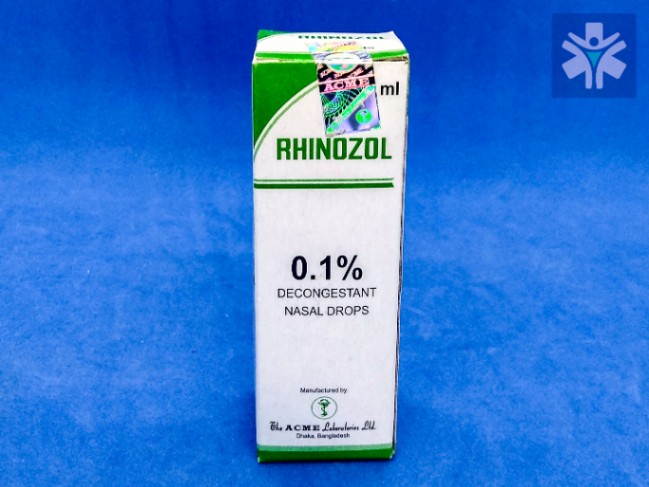
RHINOZOL 0.1% (ADULT) NASAL
Price: Rs.50.00
10% off
In stock
Loose stock: 0
Description
RHINOZOL 0.1% (ADULT) NASAL DROP 15ML
Details
Composition
XYLOMETAZOLINE 0.1 % W/W
# Xylometazoline 0.1% W/W
## SHORT DESCRIPTION
Xylometazoline 0.1% is a topical nasal decongestant used for the short-term relief of a blocked or stuffy nose. It helps reduce swelling inside the nasal passages, making breathing easier. It may be used for nasal congestion associated with the common cold, influenza, sinusitis, allergic rhinitis, and other upper respiratory allergies. ([Medicines.org.uk][1])
> **Note:** Xylometazoline products are commonly labeled as **0.1% w/v** rather than 0.1% w/w. Always verify the exact strength and formulation on the product label.
## KEY BENEFITS
* Provides rapid, temporary relief from nasal congestion
* Helps open blocked nasal passages
* Makes breathing through the nose easier
* May help relieve congestion associated with colds, flu, sinusitis, and allergic rhinitis
* Reduces swelling of the nasal mucous membranes
* Convenient topical nasal administration
## USES / INDICATIONS
Xylometazoline 0.1% may be used for symptomatic relief of:
* Nasal congestion due to the common cold
* Influenza-associated nasal blockage
* Allergic rhinitis and hay fever
* Non-allergic rhinitis
* Sinusitis-associated nasal congestion
* Other upper respiratory allergies
It provides **symptomatic relief** and does not treat the underlying infection or allergy. ([Medicines.org.uk][2])
## HOW IT WORKS
Xylometazoline is a sympathomimetic nasal decongestant. When applied inside the nose, it stimulates alpha-adrenergic receptors in the blood vessels of the nasal mucosa. This causes the swollen blood vessels to constrict, reducing swelling and congestion and helping improve airflow through the nasal passages.
## DOSAGE & ADMINISTRATION
**Adults and children 12 years and older:**
* Typically, **1 spray into each nostril up to 3 times daily**, depending on the specific product instructions.
* Some formulations may recommend **2–3 sprays or drops in each nostril every 8–10 hours**.
* Do not exceed the maximum dose stated on the product label. ([Canada][3])
**How to use:**
1. Gently blow the nose before use.
2. Keep the head in a comfortable, slightly forward position.
3. Administer the recommended amount into each nostril.
4. Breathe gently through the nose during administration.
5. Clean the nozzle after use and do not share the nasal spray with others.
**Duration:** Xylometazoline should be used only for a short period. Current UK regulatory advice recommends **not using xylometazoline nasal decongestants for more than 5 consecutive days**, because prolonged use increases the risk of rebound congestion and other nasal problems. ([GOV.UK][4])
**Children:** 0.1% adult-strength formulations are generally not recommended for children under 12 years. Always follow the specific product's age recommendations. ([Medicines.org.uk][1])
## SIDE EFFECTS
Common or temporary side effects may include:
* Nasal dryness
* Burning or stinging sensation in the nose
* Sneezing
* Nasal irritation
* Increased nasal discharge
* Headache
* Temporary discomfort in the nose
Less commonly, systemic effects may occur, including:
* Increased blood pressure
* Palpitations or irregular heartbeat
* Dizziness
* Tremor
* Insomnia
Prolonged or excessive use can cause **rebound nasal congestion**, where the nose becomes blocked again or more severely after the medicine wears off. Continued overuse can lead to rhinitis medicamentosa and changes to the nasal mucosa. ([Medicines.org.uk][5])
Seek medical attention for severe or unusual symptoms such as significant palpitations, chest pain, severe dizziness, or difficulty breathing.
## PRECAUTIONS & WARNINGS
* For **nasal use only**; do not swallow.
* Do not exceed the recommended dose.
* Do not use for longer than the recommended duration.
* Prolonged use may cause rebound congestion and dependence on the nasal decongestant. ([GOV.UK][4])
* Consult a doctor before use if you have high blood pressure or cardiovascular disease.
* Use with caution if you have hyperthyroidism or diabetes.
* Tell your doctor if you have glaucoma, particularly narrow-angle glaucoma.
* Use cautiously in patients with prostate enlargement or difficulty urinating.
* People with long QT syndrome should consult a healthcare professional before use because xylometazoline may increase the risk of serious heart rhythm problems.
* Avoid use if you have an allergy to xylometazoline or any ingredient in the formulation.
* Ask a healthcare professional before use during pregnancy or breastfeeding.
* Keep out of reach of children. ([Medicines.org.uk][1])
## DRUG INTERACTIONS
Xylometazoline may interact with medicines that affect the sympathetic nervous system or blood pressure.
Important interactions include:
* **MAO inhibitors:** Concomitant use, or use within the previous 14 days, may increase cardiovascular effects and is contraindicated for some formulations.
* **Other sympathomimetic decongestants:** Avoid combining xylometazoline with other nasal or oral decongestants such as pseudoephedrine, phenylephrine, or ephedrine unless advised by a healthcare professional.
* **Tricyclic or tetracyclic antidepressants:** May increase cardiovascular effects.
* **Certain beta-blockers:** Some formulations specifically contraindicate concomitant use.
* Other medicines affecting blood pressure or heart rhythm may require additional caution. ([Medicines.org.uk][5])
Always inform your doctor or pharmacist about all prescription medicines, OTC medicines, and supplements you are taking.
## STORAGE INFORMATION
* Store according to the temperature instructions on the product packaging.
* Keep the container tightly closed when not in use.
* Protect from excessive heat and direct sunlight.
* Keep away from children.
* Do not use after the expiry date.
* Do not share the nasal spray with another person because this may spread infection.
## PRESCRIPTION STATUS
Xylometazoline 0.1% nasal preparations are **often available without a prescription**, depending on the country, formulation, and local regulations. For example, some current regulatory information classifies 0.1% xylometazoline nasal spray as a general-sale/non-prescription medicine. ([National Drug Formulary][6])
**Important:** Prescription status may differ in Nepal and should be confirmed according to applicable local pharmacy and medicine regulations.
## GENUINE MEDICINE ASSURANCE
For genuine and safe medicine:
* Purchase Xylometazoline only from a licensed and reputable pharmacy.
* Check the product name, strength, manufacturer, batch number, manufacturing date, and expiry date.
* Ensure the packaging and seal are intact.
* Do not purchase products with damaged, altered, or suspicious packaging.
* Follow the storage instructions provided by the manufacturer.
* If you are unsure about the authenticity of a medicine, consult a qualified pharmacist or healthcare professional.
## FAQ – FREQUENTLY ASKED QUESTIONS
### 1. What is Xylometazoline 0.1% used for?
Xylometazoline 0.1% is a nasal decongestant used for short-term relief of a blocked or stuffy nose caused by conditions such as colds, flu, sinusitis, and allergic rhinitis.
### 2. How does Xylometazoline nasal spray work?
It constricts swollen blood vessels in the nasal lining, reducing nasal swelling and helping improve airflow through the nose.
### 3. How often can Xylometazoline 0.1% be used?
For many adult 0.1% formulations, the usual dose is one spray into each nostril up to three times daily. Follow the instructions supplied with your particular product. ([Medicines.org.uk][2])
### 4. Can Xylometazoline be used every day?
It should only be used for a short period. Prolonged or repeated use can cause rebound congestion and other nasal problems. Current UK regulatory advice recommends limiting use to no more than 5 consecutive days. ([GOV.UK][4])
### 5. Can Xylometazoline cause rebound congestion?
Yes. Using xylometazoline too frequently or for too long can cause the nasal passages to become congested again or more severely when the medicine wears off. ([GOV.UK][4])
### 6. Is Xylometazoline safe for children?
The 0.1% adult-strength formulation is generally not recommended for children under 12 years. Children should use an age-appropriate formulation only under the direction of a healthcare professional or according to the product label. ([Medicines.org.uk][1])
### 7. Can Xylometazoline be used for sinusitis?
Yes, xylometazoline may provide temporary relief of nasal congestion associated with sinusitis, but it does not treat the underlying cause of sinusitis. ([Medicines.org.uk][2])
### 8. Can Xylometazoline be used for allergic rhinitis?
Yes. It can temporarily relieve nasal blockage associated with allergic rhinitis and hay fever, although it does not treat the underlying allergic response. ([Medicines.org.uk][2])
### 9. Can I use Xylometazoline with another nasal decongestant?
Generally, avoid combining xylometazoline with other nasal or oral sympathomimetic decongestants unless specifically advised by a healthcare professional. Combining them may increase the risk of adverse cardiovascular effects. ([GOV.UK][7])
### 10. Can Xylometazoline increase blood pressure?
It can potentially increase blood pressure or cause cardiovascular effects, particularly with excessive use or in susceptible individuals. People with hypertension or cardiovascular disease should consult a healthcare professional before using it. ([Medicines.org.uk][5])
### 11. Can I use Xylometazoline during pregnancy?
Pregnant or breastfeeding women should consult a doctor or pharmacist before using xylometazoline. The risks and benefits should be assessed based on the individual's circumstances.
### 12. What should I do if my blocked nose does not improve?
If congestion persists, worsens, or does not improve within the recommended treatment period, stop prolonged self-treatment and consult a doctor or pharmacist. Another treatment may be required. ([GOV.UK][4])
## MEDICAL DISCLAIMER
This information is provided for general educational and informational purposes only and should not be considered a substitute for professional medical advice, diagnosis, or treatment. Xylometazoline 0.1% should be used according to the product label and the advice of a qualified doctor or pharmacist. Dosage, age restrictions, duration of treatment, prescription status, and contraindications may vary between countries and formulations. Always check the packaging and official product information before use. If symptoms persist, worsen, or unusual or serious side effects occur, seek medical attention promptly.
[1]: https://www.medicines.org.uk/emc/product/3008/smpc?utm_source=chatgpt.com "Otrivine Blocked Nose Relief, 0.1% w/v Nasal Spray, Solution - Summary of Product Characteristics (SmPC) - (emc) | 3008"
[2]: https://www.medicines.org.uk/emc/product/5984/smpc?utm_source=chatgpt.com "Otrivine Allergy Relief 0.1% Nasal Spray with Khone Spray - Summary of Product Characteristics (SmPC) - (emc) | 5984"
[3]: https://www.canada.ca/en/health-canada/services/drugs-health-products/drug-products/applications-submissions/guidance-documents/nonprescription-drugs-labelling-standards/nonprescription-topical-nasal-decongestants-labelling-standard.html?utm_source=chatgpt.com "Guidance document - Nonprescription topical nasal decongestants labelling standard - Canada.ca"
[4]: https://www.gov.uk/drug-safety-update/nasal-decongestant-sprays-and-drops-containing-xylometazoline-hydrochloride-slash-oxymetazoline-hydrochloride-increased-risk-of-rebound-congestion-rhinitis-medicamentosa-and-tachyphylaxis-with-overuse?cachebust=1777554106&utm_source=chatgpt.com "Nasal decongestant sprays and drops containing xylometazoline hydrochloride / oxymetazoline hydrochloride: increased risk of rebound congestion, rhinitis medicamentosa, and tachyphylaxis with overuse - GOV.UK"
[5]: https://www.medicines.org.uk/emc/product/3314/smpc?utm_source=chatgpt.com "Otrivine Congestion Relief 0.1% Nasal Spray with Khone Spray - Summary of Product Characteristics (SmPC) - (emc) | 3314"
[6]: https://www.ndf.gov.sg/about-drugs/product-information/sin11624p/?utm_source=chatgpt.com "OTRIVIN NASAL SPRAY 0.1% [SIN11624P] | National Drug Formulary"
[7]: https://www.gov.uk/drug-safety-update/nasal-decongestant-sprays-and-drops-containing-xylometazoline-hydrochloride-slash-oxymetazoline-hydrochloride-increased-risk-of-rebound-congestion-rhinitis-medicamentosa-and-tachyphylaxis-with-overuse?utm_source=chatgpt.com "Nasal decongestant sprays and drops containing xylometazoline hydrochloride / oxymetazoline hydrochloride: increased risk of rebound congestion, rhinitis medicamentosa, and tachyphylaxis with overuse - GOV.UK"