SINAREST
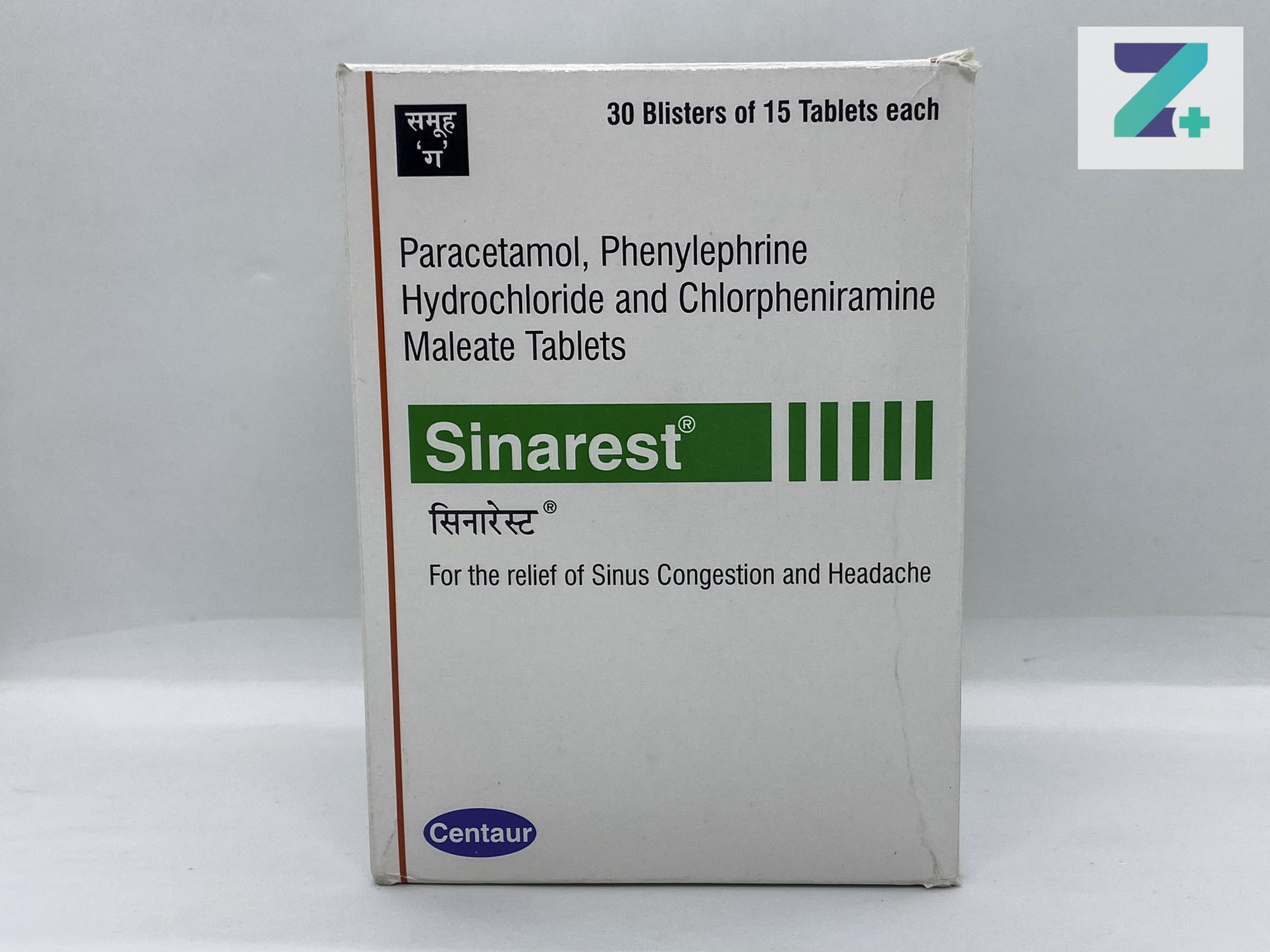
Price: Rs.45.00
10% off
In stock
Loose stock: 13
Description
SINAREST TAB 15
Details
Composition
CHLORPHENIRAMINE MALEATE 4 MG,PARACETAMOL 500 MG,PHENYLEPHRINE 10 MG
# CHLORPHENIRAMINE MALEATE 4 MG + PARACETAMOL 500 MG + PHENYLEPHRINE 10 MG
## SHORT DESCRIPTION
**Chlorpheniramine Maleate 4 mg + Paracetamol 500 mg + Phenylephrine 10 mg** is a combination medicine commonly used for the temporary relief of **cold and allergy-related symptoms**.
It combines an antihistamine (**chlorpheniramine**) to relieve sneezing and runny nose, **paracetamol** to reduce fever and relieve mild-to-moderate pain, and **phenylephrine** to temporarily relieve nasal congestion.
> **Important:** This medicine is intended for short-term symptom relief. It does not cure the underlying viral infection causing a common cold.
---
## KEY BENEFITS
* Helps relieve **runny nose** and watery nasal discharge.
* Helps reduce **sneezing** associated with colds and allergies.
* Provides temporary relief from **nasal congestion**.
* Helps reduce **fever**.
* Relieves mild-to-moderate **headache and body aches** associated with colds.
* Combines three ingredients to target several common cold symptoms.
---
## USES / INDICATIONS
This combination may be used for temporary relief of:
* Common cold symptoms
* Allergic rhinitis symptoms
* Runny nose
* Sneezing
* Nasal congestion
* Headache
* Mild body aches
* Fever associated with colds
### Important
This medicine treats **symptoms**, not the underlying cause of a cold or viral infection.
It is not an antibiotic and does not treat bacterial infections.
---
## HOW IT WORKS
### Chlorpheniramine Maleate
Chlorpheniramine is a **first-generation antihistamine**.
It blocks histamine H1 receptors, helping reduce:
* Sneezing
* Runny nose
* Watery eyes
* Other allergy-related nasal symptoms
It can also cause **drowsiness**.
### Paracetamol
Paracetamol (acetaminophen) acts primarily in the central nervous system to reduce **pain and fever**.
It helps relieve:
* Headache
* Body aches
* Fever
### Phenylephrine
Phenylephrine is a **sympathomimetic decongestant**.
It stimulates alpha-adrenergic receptors, causing constriction of swollen blood vessels in the nasal passages.
**Result:** Temporary reduction in nasal swelling and congestion.
### Combined Action
**Chlorpheniramine → reduces allergy symptoms**
**Paracetamol → reduces pain and fever**
**Phenylephrine → relieves nasal congestion**
---
## DOSAGE & ADMINISTRATION
### Adults and Adolescents
The appropriate dose depends on the specific product formulation and local labeling.
For products containing **chlorpheniramine 4 mg + paracetamol 500 mg + phenylephrine 10 mg**, follow the dosage stated on the product label or prescribed by your healthcare professional.
Do **not** assume that the maximum dose of each individual ingredient can be combined independently.
### How to Take
* Take exactly as directed.
* Swallow with water.
* May be taken with or without food unless otherwise instructed.
* Do not take more frequently than recommended.
* Use for the shortest period necessary to control symptoms.
### Important Paracetamol Warning
Check all other medicines you are taking for **paracetamol/acetaminophen**.
Taking multiple paracetamol-containing products can result in an accidental overdose and potentially serious **liver damage**.
### Missed Dose
This medicine is generally used as needed for symptom relief.
If you are taking it on a scheduled basis and miss a dose, take it when remembered unless it is nearly time for the next dose.
**Do not double the dose.**
---
## SIDE EFFECTS
### Common Side Effects
Possible side effects include:
* Drowsiness
* Sleepiness
* Dry mouth
* Dizziness
* Blurred vision
* Constipation
* Nausea
* Headache
* Nervousness
* Restlessness
### Phenylephrine-Related Effects
Phenylephrine may sometimes cause:
* Increased blood pressure
* Palpitations
* Rapid heartbeat
* Nervousness
* Tremor
* Difficulty sleeping
### Serious Side Effects
Seek urgent medical attention for:
* Severe allergic reaction
* Difficulty breathing
* Swelling of the face, lips, tongue, or throat
* Severe or persistent palpitations
* Severe headache with very high blood pressure
* Signs of serious liver injury, such as yellowing of the skin or eyes
---
## PRECAUTIONS & WARNINGS
### Drowsiness
Chlorpheniramine can cause significant **drowsiness and impaired alertness**.
Avoid driving, cycling, or operating machinery until you know how the medicine affects you.
### Alcohol
Alcohol can significantly increase drowsiness and impairment caused by chlorpheniramine.
**Avoid alcohol while taking this medicine.**
### Liver Disease
Paracetamol is metabolized by the liver.
Tell your doctor if you have:
* Liver disease
* Hepatitis
* A history of heavy alcohol consumption
* Malnutrition
You may require a lower dose or alternative treatment.
### High Blood Pressure
Phenylephrine can increase blood pressure.
Use caution and seek medical advice if you have:
* Hypertension
* Heart disease
* Irregular heartbeat
### Thyroid Disease
Phenylephrine may require caution in people with **hyperthyroidism**.
### Glaucoma
Chlorpheniramine can worsen certain types of glaucoma.
Tell your doctor if you have glaucoma or increased eye pressure.
### Enlarged Prostate
Chlorpheniramine and phenylephrine may worsen **difficulty urinating**, particularly in people with an enlarged prostate.
### Children
Use in children should follow the **specific age and dosing instructions on the product label or advice of a healthcare professional**.
Do not give adult combination cold medicines to young children unless specifically directed.
### Pregnancy
Tell your doctor if you are pregnant or planning pregnancy before using this medicine.
### Breastfeeding
Chlorpheniramine may pass into breast milk and can potentially cause drowsiness in a breastfed infant. Discuss use with a healthcare professional.
---
## DRUG INTERACTIONS
### Other Paracetamol-Containing Medicines
Do not combine this product with other medicines containing:
* Paracetamol
* Acetaminophen
unless your healthcare professional has confirmed the total daily dose is safe.
### MAO Inhibitors
Phenylephrine and chlorpheniramine can interact with **monoamine oxidase inhibitors (MAOIs)** and may cause serious effects.
Do not use this combination with an MAOI or shortly after stopping one unless specifically advised by a healthcare professional.
### Antidepressants
Some antidepressants may increase the cardiovascular effects of phenylephrine or enhance drowsiness.
### Sedatives
Chlorpheniramine can increase sedation when combined with:
* Sleeping medicines
* Benzodiazepines
* Opioids
* Other sedating antihistamines
* Certain psychiatric medicines
### Other Decongestants
Avoid combining with other oral or systemic decongestants unless specifically advised.
### Blood Pressure Medicines
Phenylephrine may reduce the effectiveness of some blood-pressure medicines or increase cardiovascular effects.
### Anticoagulants
Regular or prolonged use of paracetamol may affect some anticoagulant treatments, including **warfarin**.
Discuss frequent paracetamol use with your healthcare professional if you take an anticoagulant.
---
## STORAGE INFORMATION
* Store according to the manufacturer's instructions.
* Keep the medicine in its original packaging.
* Protect from excessive heat and moisture.
* Keep away from direct sunlight.
* Keep out of reach and sight of children.
* Keep the container tightly closed where applicable.
* Do not use after the expiry date.
* Do not use tablets if the packaging is damaged or appears tampered with.
---
## PRESCRIPTION STATUS
**Prescription/OTC status varies by country and formulation.**
Many combination cold medicines containing these ingredients may be available **without a prescription in some markets**, while certain strengths or formulations may be prescription-controlled elsewhere.
Always follow local pharmacy and regulatory requirements.
---
## GENUINE MEDICINE ASSURANCE
For safe use, purchase **Chlorpheniramine Maleate 4 mg + Paracetamol 500 mg + Phenylephrine 10 mg** from a licensed pharmacy or authorized medicine supplier.
Before use, verify:
* Product name and strength
* Active ingredients
* Manufacturer
* Batch/lot number
* Manufacturing and expiry dates
* Packaging and seal integrity
* Regulatory information where applicable
Do not use the product if it is:
* Expired
* Damaged
* Tampered with
* Missing batch or expiry information
* Unusual in appearance
If you are uncertain about the authenticity of the medicine, consult a licensed pharmacist or the appropriate medicine regulatory authority.
---
# FAQ – CHLORPHENIRAMINE + PARACETAMOL + PHENYLEPHRINE
### 1. What is Chlorpheniramine + Paracetamol + Phenylephrine used for?
It is used for temporary relief of **cold and allergy symptoms**, including runny nose, sneezing, nasal congestion, headache, body aches, and fever.
### 2. Does this medicine treat the common cold?
It **relieves cold symptoms** but does not cure the viral infection causing the common cold.
### 3. Is this medicine an antibiotic?
No. It is **not an antibiotic** and does not treat bacterial infections.
### 4. What does Chlorpheniramine do?
Chlorpheniramine is an antihistamine that helps reduce **sneezing, runny nose, watery eyes, and other allergy-related symptoms**.
### 5. What does Paracetamol do?
Paracetamol helps reduce **fever and mild-to-moderate pain**, including headaches and body aches.
### 6. What does Phenylephrine do?
Phenylephrine is a decongestant that temporarily reduces swelling inside the nasal passages, helping relieve **nasal congestion**.
### 7. Does this medicine cause sleepiness?
Yes. Chlorpheniramine is a sedating antihistamine and can cause **drowsiness or reduced alertness**.
### 8. Can I drive after taking this medicine?
Avoid driving or operating machinery if you experience drowsiness, dizziness, blurred vision, or impaired alertness.
### 9. Can I drink alcohol while taking this medicine?
It is best to **avoid alcohol** because it can increase drowsiness and impairment.
### 10. Can I take this medicine with another paracetamol tablet?
You should generally **not take additional paracetamol-containing medicines** without checking the total daily dose with a healthcare professional.
### 11. Can too much Paracetamol damage the liver?
Yes. Excessive paracetamol can cause **severe and potentially life-threatening liver damage**.
### 12. Can this medicine increase blood pressure?
Yes. Phenylephrine may increase blood pressure and heart rate. People with hypertension or heart disease should seek medical advice before use.
### 13. Can I take this medicine if I have high blood pressure?
Phenylephrine may not be suitable for everyone with high blood pressure. Consult a healthcare professional before use, particularly if hypertension is poorly controlled.
### 14. Can I take this medicine for allergies?
Yes. Chlorpheniramine can relieve allergy symptoms such as sneezing and runny nose, while the other ingredients address congestion, pain, or fever when present.
### 15. Can this medicine be used for sinus congestion?
It may temporarily relieve **nasal congestion** associated with colds or allergies. Persistent or severe sinus symptoms should be medically evaluated.
### 16. Can children take this medicine?
Use in children depends on age, formulation, and local labeling. **Do not give an adult-strength combination product to a child unless specifically instructed by a healthcare professional.**
### 17. Can I take this medicine during pregnancy?
Consult your healthcare professional before use during pregnancy. The combination should be used only when considered appropriate.
### 18. Can I take this medicine while breastfeeding?
Ask your doctor or pharmacist before use because chlorpheniramine may cause drowsiness in a breastfed infant and may affect milk production in some individuals.
### 19. Can this medicine cause dry mouth?
Yes. **Dry mouth** is a common effect of chlorpheniramine.
### 20. Can this medicine cause difficulty urinating?
Yes. Chlorpheniramine and phenylephrine may worsen urinary difficulty, particularly in people with an enlarged prostate.
### 21. Can I take this medicine with sleeping pills?
Combining chlorpheniramine with sleeping medicines can increase **sedation and impaired alertness**. Consult your healthcare professional before combining them.
### 22. Can I take this medicine with antidepressants?
Some antidepressants can interact with chlorpheniramine or phenylephrine. Tell your doctor or pharmacist about all antidepressants you take.
### 23. How long can I take this medicine?
It is generally intended for **short-term symptom relief**. If cold or allergy symptoms persist, worsen, or require prolonged treatment, consult a healthcare professional.
### 24. What should I do if I take too much of this medicine?
Seek urgent medical advice, particularly if you may have exceeded the recommended **paracetamol dose**. Do not wait for symptoms of liver injury to appear.
### 25. Is Chlorpheniramine + Paracetamol + Phenylephrine available without a prescription?
Availability varies by country and formulation. Some products are available over the counter, while others may require a prescription. Follow local regulations and pharmacist advice.
---
## MEDICAL DISCLAIMER
This information about **Chlorpheniramine Maleate 4 mg + Paracetamol 500 mg + Phenylephrine 10 mg** is provided for general educational and informational purposes only. It is **not a substitute for professional medical advice, diagnosis, or treatment**.
This combination is intended for temporary symptomatic relief. **Do not exceed the recommended paracetamol dose or combine it with other paracetamol/acetaminophen-containing products without professional advice**, as overdose can cause severe liver damage.
Chlorpheniramine may cause significant drowsiness, while phenylephrine may increase blood pressure and heart rate. Use additional caution if you have liver disease, hypertension, heart disease, glaucoma, thyroid disease, or prostate/urinary problems.
Seek urgent medical attention for severe allergic reactions, difficulty breathing, severe chest pain, severe palpitations, or suspected paracetamol overdose.
**Always read the product label/package insert and follow the instructions of your doctor or pharmacist.**