SYNDOPA 110MG
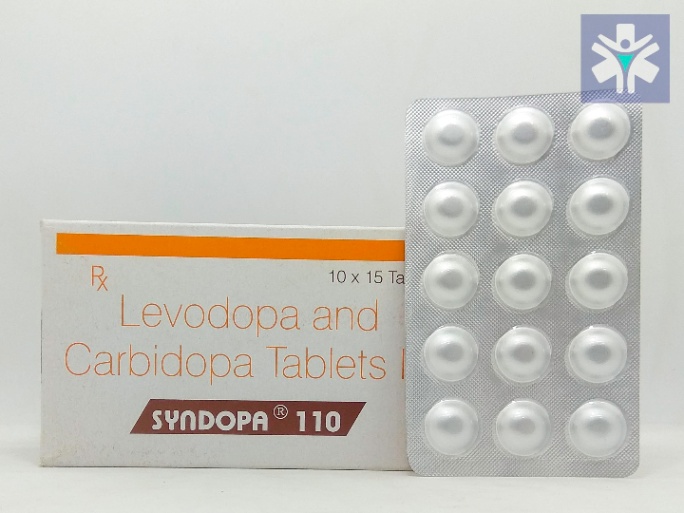
Price: Rs.42.00
13% off
In stock
Loose stock: 0
Description
SYNDOPA 110MG TAB 15
Details
Composition
CARBIDOPA 10 MG,LEVODOPA 100 MG
# CARBIDOPA 10 MG + LEVODOPA 100 MG
## SHORT DESCRIPTION
**Carbidopa 10 mg + Levodopa 100 mg** is a prescription medicine primarily used to manage symptoms of **Parkinson's disease and parkinsonism**. Levodopa is converted into dopamine in the brain, while carbidopa helps prevent premature breakdown of levodopa outside the brain.
This combination can improve symptoms such as **slowness of movement, muscle stiffness, and tremor**. It controls symptoms but does not cure Parkinson's disease.
---
## KEY BENEFITS
* Helps improve **movement difficulties associated with Parkinson's disease**.
* May reduce muscle stiffness and rigidity.
* Helps improve slowness of movement (**bradykinesia**).
* May reduce Parkinsonian tremor in some patients.
* Carbidopa allows more levodopa to reach the brain.
* May reduce nausea and other peripheral effects associated with levodopa.
---
## USES / INDICATIONS
Carbidopa + Levodopa may be prescribed for:
* **Parkinson's disease**
* Idiopathic parkinsonism
* Post-encephalitic parkinsonism
* Certain forms of symptomatic parkinsonism
It is primarily used to manage symptoms and improve mobility and daily functioning.
---
## HOW IT WORKS
### Levodopa
Levodopa is converted into **dopamine in the brain**. Parkinson's disease is associated with reduced dopamine activity in areas of the brain responsible for controlling movement.
Increasing dopamine availability can improve Parkinsonian motor symptoms.
### Carbidopa
Carbidopa inhibits peripheral **dopa decarboxylase**, reducing the conversion of levodopa into dopamine outside the brain.
This allows a greater proportion of levodopa to reach the brain and helps reduce peripheral adverse effects such as nausea.
**Carbidopa + Levodopa → more levodopa reaches the brain → increased dopamine → improved motor symptoms.**
---
## DOSAGE & ADMINISTRATION
> **Take Carbidopa 10 mg + Levodopa 100 mg exactly as prescribed by your doctor.**
The appropriate dose varies according to the severity of symptoms, treatment response, age, other medicines, and previous levodopa exposure.
### General Administration
* Take the medicine at the prescribed times.
* Swallow with water.
* Take doses consistently each day.
* It may be taken with food if needed for stomach discomfort.
* Avoid taking doses with or immediately after a very high-protein meal if your doctor has advised protein-related timing adjustments.
* Do not increase, decrease, or stop the medicine without medical advice.
### Dose Adjustment
Treatment is generally individualized and may be gradually adjusted to achieve adequate symptom control while limiting adverse effects.
The **10 mg/100 mg strength may be prescribed several times daily**, depending on the patient's needs.
### Missed Dose
Take the missed dose when remembered unless it is nearly time for the next dose.
**Do not take a double dose** to compensate for a missed dose.
---
## SIDE EFFECTS
### Common Side Effects
Possible side effects include:
* Nausea
* Dizziness
* Headache
* Dry mouth
* Constipation
* Loss of appetite
* Fatigue
* Sleepiness
* Abdominal discomfort
### Movement-Related Effects
Long-term treatment may cause:
* **Dyskinesia (involuntary movements)**
* Jerking or twisting movements
* Wearing-off
* On-off fluctuations
* Worsening involuntary movements after dose increases
### Other Possible Effects
* Low blood pressure
* Fainting
* Confusion
* Hallucinations
* Sleep disturbances
* Abnormal dreams
* Darkening of urine, sweat, or saliva
Contact a healthcare professional if side effects are severe, persistent, or interfere with normal activities.
---
## PRECAUTIONS & WARNINGS
### Do Not Stop Suddenly
Abrupt discontinuation can cause severe worsening of Parkinsonian symptoms and, rarely, a potentially serious reaction resembling **neuroleptic malignant syndrome**.
Dose reduction should be performed under medical supervision.
### Low Blood Pressure
The medicine can cause **orthostatic hypotension**, resulting in dizziness or fainting when standing.
Stand up slowly and report repeated fainting or severe dizziness.
### Sleepiness
Carbidopa/levodopa can cause excessive daytime sleepiness or sudden sleep episodes.
Avoid driving or operating machinery if you experience these effects.
### Hallucinations and Confusion
Hallucinations, confusion, agitation, or behavioral changes may occur, particularly in older adults or with higher doses.
### Dyskinesia
Uncontrolled movements may develop during treatment. Your doctor may need to modify the dose or treatment schedule.
### Impulse-Control Disorders
Dopaminergic medicines can sometimes cause compulsive behaviors, including:
* Excessive gambling
* Compulsive shopping
* Compulsive eating
* Increased sexual behavior
Inform your doctor if these behaviors develop.
### Glaucoma
Tell your doctor if you have **glaucoma**, particularly narrow-angle glaucoma.
### Heart Disease
Inform your healthcare professional if you have heart disease, irregular heartbeat, or a history of heart attack.
### Pregnancy and Breastfeeding
Tell your doctor if you are pregnant, planning pregnancy, or breastfeeding. The medicine should be used only when medically appropriate.
---
## DRUG INTERACTIONS
Tell your doctor or pharmacist about all prescription medicines, OTC medicines, supplements, and herbal products you take.
### MAO Inhibitors
Non-selective **MAO inhibitors** can cause serious interactions with levodopa and generally should not be used together.
### Antipsychotic Medicines
Some antipsychotic medicines can reduce the effectiveness of levodopa and may worsen Parkinsonian symptoms.
### Dopamine-Depleting Medicines
Certain medicines that reduce dopamine activity can interfere with the therapeutic effect of levodopa.
### Iron Supplements
Iron salts can reduce levodopa absorption. Ask your doctor or pharmacist about separating the timing of iron supplements and levodopa.
### Antihypertensive Medicines
Carbidopa/levodopa can enhance the blood-pressure-lowering effects of some antihypertensive medicines, increasing the risk of dizziness or fainting.
### High-Protein Foods
Large amounts of dietary protein can interfere with levodopa absorption or transport in some people.
---
## STORAGE INFORMATION
* Store according to the manufacturer's instructions.
* Keep in the original packaging.
* Protect from excessive heat, moisture, and direct sunlight.
* Keep the container tightly closed.
* Keep out of reach and sight of children.
* Do not use after the expiry date.
* Do not use tablets from damaged or tampered packaging.
---
## PRESCRIPTION STATUS
**Prescription Medicine**
Carbidopa 10 mg + Levodopa 100 mg should be used under the supervision of a qualified healthcare professional.
Treatment often requires individualized dosing and periodic adjustment based on symptom control and adverse effects.
---
## GENUINE MEDICINE ASSURANCE
For safe treatment, purchase **Carbidopa 10 mg + Levodopa 100 mg** from a licensed pharmacy or authorized medicine supplier.
Check the product before use for:
* Correct medicine name and strength
* Active ingredients
* Manufacturer
* Batch/lot number
* Manufacturing and expiry dates
* Proper packaging and seal
* Required regulatory information
Do not use the product if it is expired, damaged, tampered with, or appears unusual.
If you suspect a counterfeit or defective medicine, consult a licensed pharmacist or the appropriate medicine regulatory authority.
---
# FAQ – CARBIDOPA 10 MG + LEVODOPA 100 MG
### 1. What is Carbidopa 10 mg + Levodopa 100 mg used for?
It is mainly used to manage **Parkinson's disease and parkinsonism**, particularly symptoms such as stiffness, slowness of movement, and tremor.
### 2. What does Levodopa do?
Levodopa crosses the blood-brain barrier and is converted into **dopamine**, helping restore dopamine activity involved in movement control.
### 3. What does Carbidopa do?
Carbidopa reduces the breakdown of levodopa outside the brain, allowing more levodopa to reach the brain and reducing some peripheral side effects.
### 4. Does Carbidopa/Levodopa cure Parkinson's disease?
No. It helps **control symptoms** but does not cure Parkinson's disease or stop its underlying progression.
### 5. Can Carbidopa/Levodopa help with tremors?
Yes. It can improve tremor in some people, although the response varies between patients.
### 6. How should Carbidopa/Levodopa 10/100 be taken?
Take it exactly according to your doctor's prescription. The frequency varies between patients and may change as treatment progresses.
### 7. Can I take Carbidopa/Levodopa with food?
It can generally be taken with or without food. However, high-protein meals may interfere with levodopa absorption or transport in some patients.
### 8. Can I take iron supplements with Carbidopa/Levodopa?
Iron can reduce levodopa absorption. Ask your healthcare professional about the appropriate interval between the two medicines.
### 9. Can Carbidopa/Levodopa cause nausea?
Yes. Nausea is a relatively common side effect, particularly when treatment is first started or the dose is increased.
### 10. Can Carbidopa/Levodopa cause dizziness?
Yes. It can lower blood pressure, especially when standing, which may cause dizziness or fainting.
### 11. What is dyskinesia?
Dyskinesia refers to **involuntary, uncontrolled movements** that can develop during levodopa treatment, particularly after prolonged therapy.
### 12. What is wearing-off?
Wearing-off occurs when the beneficial effect of a dose becomes shorter and Parkinson's symptoms return before the next dose.
### 13. What are on-off fluctuations?
These are changes between periods of good symptom control ("on") and periods when Parkinsonian symptoms return or worsen ("off").
### 14. Can Carbidopa/Levodopa cause hallucinations?
Yes. Hallucinations or confusion can occur, particularly in older patients or those receiving higher doses.
### 15. Can this medicine cause sleepiness?
Yes. Some patients experience excessive sleepiness or sudden sleep episodes. Avoid driving if affected.
### 16. Can I stop Carbidopa/Levodopa suddenly?
**No.** Sudden discontinuation can cause severe symptom worsening and potentially serious complications. Dose changes should be supervised by a healthcare professional.
### 17. Can Carbidopa/Levodopa interact with blood-pressure medicines?
Yes. It may increase blood-pressure lowering and contribute to dizziness or fainting.
### 18. Can I take antidepressants with Carbidopa/Levodopa?
Some antidepressants can be used, but interactions depend on the specific medicine. Always tell your doctor about antidepressants you take.
### 19. Can I take antipsychotics with Carbidopa/Levodopa?
Some antipsychotics can reduce levodopa's effectiveness or worsen Parkinsonian symptoms. Combination treatment should be managed by a doctor.
### 20. Can Carbidopa/Levodopa be taken during pregnancy?
It should only be used during pregnancy when considered medically necessary. Tell your doctor if you are pregnant or planning pregnancy.
### 21. Can I take Carbidopa/Levodopa while breastfeeding?
Discuss breastfeeding with your healthcare professional before using this medicine.
### 22. What should I do if I miss a dose?
Take it when remembered unless it is nearly time for the next dose. **Do not double the next dose.**
### 23. Can Carbidopa/Levodopa change urine color?
Yes. It may cause darkening of urine, sweat, or saliva. This can occur because of the medicine and is not necessarily harmful.
### 24. Can high-protein foods affect Levodopa?
Yes. Large amounts of dietary protein can interfere with levodopa absorption or transport in some people. Your doctor may recommend a consistent approach to protein intake and medication timing.
### 25. Is Carbidopa 10 mg + Levodopa 100 mg available without a prescription?
It is generally a **prescription medicine** and should be taken under medical supervision.
---
## MEDICAL DISCLAIMER
This information about **Carbidopa 10 mg + Levodopa 100 mg** is provided for general educational purposes and is **not a substitute for professional medical advice, diagnosis, or treatment**.
Carbidopa/levodopa treatment requires individualized dosing and monitoring. Response and side effects can change over time, and some patients may develop dyskinesia or "on-off" fluctuations after prolonged treatment.
**Do not start, stop, or change the dose without consulting your doctor. Do not abruptly discontinue this medicine.**
Seek prompt medical attention for severe involuntary movements, fainting, severe confusion or hallucinations, chest pain, difficulty breathing, or significant worsening of Parkinsonian symptoms.
Always read the product label/package insert and follow the instructions provided by your doctor or pharmacist.