TAZLOC H
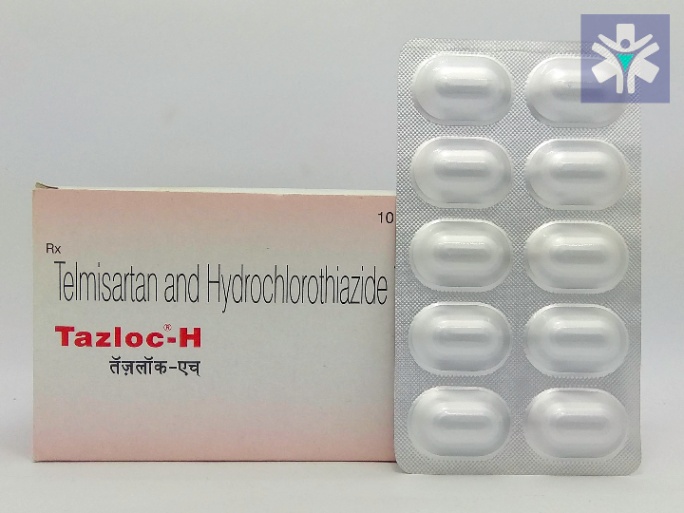
Price: Rs.272.54
13% off
In stock
Loose stock: 0
Description
TAZLOC H TAB 10
Details
Composition
HYDROCHLOROTHIAZIDE 12.5 MG,TELMISARTAN 40 MG
# Hydrochlorothiazide 12.5 mg + Telmisartan 40 mg
## Short Description
**Hydrochlorothiazide 12.5 mg + Telmisartan 40 mg** is a combination antihypertensive medicine used to help control **high blood pressure (hypertension)**.
* **Telmisartan 40 mg** is an angiotensin II receptor blocker (ARB) that relaxes blood vessels and reduces the effects of angiotensin II.
* **Hydrochlorothiazide 12.5 mg** is a thiazide diuretic (“water pill”) that helps the kidneys remove excess sodium and water from the body.
Together, they lower blood pressure through complementary mechanisms and may help reduce the long-term risk of complications associated with uncontrolled hypertension.
---
## Key Benefits
* Helps lower and control **high blood pressure**
* Combines two complementary antihypertensive mechanisms
* Telmisartan helps relax and widen blood vessels
* Hydrochlorothiazide helps remove excess sodium and fluid
* May provide additional blood-pressure reduction when one medicine alone is insufficient
* Once-daily combination therapy may simplify treatment for appropriate patients
* Long-term blood-pressure control can help reduce the risk of cardiovascular and kidney complications
---
## Uses / Indications
### **Hypertension**
Hydrochlorothiazide + Telmisartan is primarily used for the treatment of **high blood pressure in adults**.
It may be prescribed:
* When blood pressure is not adequately controlled with telmisartan alone
* When combination therapy is considered appropriate from the beginning of treatment
* As a replacement for separately prescribed telmisartan and hydrochlorothiazide doses
### Cardiovascular Risk Reduction
Controlling high blood pressure may help reduce the long-term risk of:
* Stroke
* Heart attack
* Heart failure
* Kidney complications related to hypertension
> **Important:** This medicine controls blood pressure but does not cure hypertension. Treatment usually needs to be continued as prescribed, together with appropriate lifestyle measures.
---
## How It Works
### Telmisartan 40 mg
Telmisartan is an **angiotensin II receptor blocker (ARB)**.
Angiotensin II normally causes blood vessels to constrict and promotes sodium retention and increased blood pressure.
Telmisartan blocks the **AT1 receptor**, reducing these effects.
This results in:
* Relaxation of blood vessels
* Reduced vascular resistance
* Reduced sodium-retaining effects of angiotensin II
* Lower blood pressure
### Hydrochlorothiazide 12.5 mg
Hydrochlorothiazide is a **thiazide diuretic**.
It acts mainly in the kidneys to increase the excretion of:
* Sodium
* Chloride
* Water
This reduces excess fluid and contributes to lower blood pressure.
### Combined Action
**Telmisartan → relaxes blood vessels**
**Hydrochlorothiazide → increases sodium and water excretion**
The combination can provide greater blood-pressure reduction than either component alone in appropriate patients.
---
## Dosage & Administration
> **Important:** Use this medicine exactly as prescribed. The appropriate dose depends on your blood pressure, kidney function, previous antihypertensive treatment, and response to therapy.
### General Administration
* The usual fixed-dose combination contains **telmisartan 40 mg + hydrochlorothiazide 12.5 mg**.
* It is generally taken **once daily**.
* It may be taken **with or without food**.
* Take the tablet at approximately the same time each day.
* Swallow the tablet with water.
* Do not change the dose without medical advice.
Because hydrochlorothiazide has a diuretic effect, some patients prefer taking the medicine earlier in the day to reduce nighttime urination, unless their doctor has advised otherwise.
### Missed Dose
Take the missed dose when remembered unless it is nearly time for the next dose.
**Do not take two doses together.**
### Monitoring
Your healthcare professional may monitor:
* Blood pressure
* Kidney function
* Blood potassium
* Blood sodium
* Blood glucose
* Uric acid
* Other electrolytes when appropriate
---
## Side Effects
### Common Side Effects
Possible side effects include:
* Dizziness
* Headache
* Increased urination
* Fatigue
* Nausea
* Mild gastrointestinal discomfort
* Low blood pressure, particularly after starting treatment
### Hydrochlorothiazide-Related Effects
Hydrochlorothiazide may cause:
* Low sodium
* Low potassium
* Increased uric acid
* Increased blood glucose
* Increased sensitivity to sunlight
* Dehydration
### Telmisartan-Related Effects
Telmisartan may cause:
* Dizziness
* Low blood pressure
* Increased blood potassium
* Changes in kidney function
### Serious Side Effects
Seek medical attention for:
* Severe dizziness or fainting
* Significant reduction in urine output
* Severe weakness or confusion
* Irregular heartbeat
* Severe allergic reaction
* Swelling of the face, lips, tongue, or throat
* Severe skin reaction
* Symptoms of significant electrolyte disturbance
---
## Precautions & Warnings
### Low Blood Pressure
Excessive blood-pressure reduction can cause:
* Dizziness
* Weakness
* Light-headedness
* Fainting
This may be more likely if you are dehydrated, have vomiting or diarrhea, or take other medicines that lower blood pressure.
### Kidney Function
Telmisartan can affect kidney function in susceptible individuals, while dehydration caused by excessive diuresis may further increase kidney-related risks.
Your doctor may monitor kidney function and electrolytes.
### High Potassium
Telmisartan can increase blood potassium levels.
Tell your healthcare professional if you use:
* Potassium supplements
* Potassium-containing salt substitutes
* Potassium-sparing diuretics
* Other medicines that increase potassium
### Dehydration
Hydrochlorothiazide increases urine production. Excessive fluid loss may cause dehydration and electrolyte abnormalities.
Drink fluids appropriately according to your doctor's recommendations, particularly during illness or hot weather.
### Sodium and Electrolytes
Hydrochlorothiazide can cause electrolyte disturbances, including **low sodium and low potassium**.
Seek medical advice for severe weakness, confusion, muscle cramps, or irregular heartbeat.
### Diabetes
Hydrochlorothiazide may increase blood glucose in some people. Patients with diabetes may require additional blood-glucose monitoring.
### Gout
Hydrochlorothiazide can increase **uric acid** levels and may trigger or worsen gout in susceptible individuals.
Tell your doctor if you have a history of gout.
### Sun Exposure
Hydrochlorothiazide can increase sensitivity to sunlight and has been associated with an increased risk of certain skin cancers with long-term exposure.
Use appropriate sun protection and report unusual or persistent skin lesions.
### Pregnancy
**Telmisartan should not be used during pregnancy.**
Medicines that act directly on the renin-angiotensin system can cause fetal harm, particularly during the later stages of pregnancy.
Tell your healthcare professional immediately if you become pregnant while taking this medicine.
### Breastfeeding
Consult your healthcare professional before using this combination while breastfeeding. An alternative treatment may be recommended depending on the individual situation.
---
## Drug Interactions
Tell your doctor or pharmacist about all prescription medicines, OTC products, vitamins, and supplements you use.
Important interactions may include:
* **ACE inhibitors** — combining them with an ARB can increase the risk of kidney problems, low blood pressure, and high potassium and is generally not recommended for routine hypertension treatment.
* **Other ARBs or renin-system medicines** — may increase adverse effects.
* **Potassium supplements** — may increase potassium levels.
* **Potassium-sparing diuretics** — may increase the risk of hyperkalemia.
* **NSAIDs such as ibuprofen or naproxen** — may reduce antihypertensive effects and increase the risk of kidney impairment, particularly in dehydrated patients.
* **Lithium** — hydrochlorothiazide and telmisartan may increase lithium concentrations and toxicity risk.
* **Digoxin** — electrolyte changes may affect digoxin safety.
* **Other diuretics or antihypertensives** — may cause excessive blood-pressure reduction or dehydration.
* **Antidiabetic medicines** — hydrochlorothiazide may affect blood glucose control.
* **Corticosteroids** — may increase the risk of low potassium and may affect blood glucose.
* **Alcohol** — may enhance dizziness or low blood pressure.
* **Cholestyramine or colestipol** — may reduce absorption of hydrochlorothiazide if taken together.
Your healthcare professional can determine whether dose adjustments or additional monitoring are needed.
---
## Storage Information
* Store at **room temperature**, according to the manufacturer's instructions.
* Protect from excessive heat, moisture, and direct sunlight.
* Keep tablets in their original packaging.
* Keep the container tightly closed.
* Keep out of reach and sight of children.
* Do not use after the expiry date.
* Do not use tablets that appear damaged or altered.
---
## Prescription Status
**Hydrochlorothiazide 12.5 mg + Telmisartan 40 mg is generally a prescription medicine.**
It should be used under the supervision of a healthcare professional because blood pressure, kidney function, and electrolyte levels may require monitoring.
---
## Genuine Medicine Assurance
When purchasing **Hydrochlorothiazide 12.5 mg + Telmisartan 40 mg**:
* Purchase from a **licensed pharmacy or authorized medicine supplier**.
* Verify the medicine name, strength, and active ingredients.
* Check the manufacturer's details.
* Check the batch/lot number and expiry date.
* Ensure the packaging and seal are intact.
* Do not use tablets from damaged or suspicious packaging.
* Avoid purchasing medicines from unauthorized sources.
* If authenticity is uncertain, ask a pharmacist or contact the manufacturer using the details printed on the packaging.
---
# FAQ – Hydrochlorothiazide 12.5 mg + Telmisartan 40 mg
### 1. What is Hydrochlorothiazide 12.5 mg + Telmisartan 40 mg used for?
It is used to **lower and control high blood pressure (hypertension)** in adults when combination treatment is appropriate.
### 2. How does Telmisartan lower blood pressure?
Telmisartan blocks the **AT1 receptor for angiotensin II**, causing blood vessels to relax and reducing the effects of this hormone that normally increases blood pressure.
### 3. How does Hydrochlorothiazide lower blood pressure?
Hydrochlorothiazide is a diuretic that increases the kidneys' removal of sodium and water, helping reduce fluid volume and blood pressure.
### 4. Why are Telmisartan and Hydrochlorothiazide combined?
The two medicines lower blood pressure through different mechanisms. Their complementary effects can provide better blood-pressure control in patients who need combination therapy.
### 5. Is Telmisartan + Hydrochlorothiazide a diuretic?
Yes. **Hydrochlorothiazide is a thiazide diuretic**, while telmisartan is an ARB.
### 6. Does this medicine increase urination?
Hydrochlorothiazide can increase urine production, particularly after starting treatment. This effect may become less noticeable as the body adjusts.
### 7. Can I take Telmisartan + Hydrochlorothiazide with food?
Yes. It can generally be taken **with or without food**. Try to take it consistently at approximately the same time each day.
### 8. Can I take this medicine at night?
It may increase urination because of hydrochlorothiazide. Ask your healthcare professional about the best time for you, particularly if nighttime urination is troublesome.
### 9. Can Telmisartan + Hydrochlorothiazide cure high blood pressure?
No. It helps **control blood pressure**, but hypertension is usually a long-term condition requiring continued treatment and lifestyle management.
### 10. Can I stop taking it when my blood pressure becomes normal?
Do not stop treatment without medical advice. A normal blood-pressure reading may indicate that the medicine is working.
### 11. Can this medicine cause low blood pressure?
Yes. Dizziness, light-headedness, or fainting can occur, particularly when treatment is started or if you become dehydrated.
### 12. Can Telmisartan + Hydrochlorothiazide affect kidney function?
Yes. Kidney function can change in susceptible patients. Your doctor may monitor kidney function and electrolytes during treatment.
### 13. Does Telmisartan increase potassium?
Yes. Telmisartan can increase blood potassium, particularly in people with kidney problems or those taking other potassium-increasing medicines.
### 14. Can Hydrochlorothiazide lower potassium?
Yes. Hydrochlorothiazide can cause **low potassium**, although the effects of hydrochlorothiazide and telmisartan on potassium can partially counterbalance each other in some patients.
### 15. Can this medicine cause gout?
Hydrochlorothiazide can increase uric acid and may **trigger or worsen gout** in susceptible individuals.
### 16. Can people with diabetes take Telmisartan + Hydrochlorothiazide?
It may be prescribed to people with diabetes when appropriate, but hydrochlorothiazide can affect blood glucose. Regular monitoring may be necessary.
### 17. Can I take ibuprofen with Telmisartan + Hydrochlorothiazide?
NSAIDs such as ibuprofen can reduce the blood-pressure-lowering effect and may increase the risk of **kidney problems**, particularly in dehydrated patients. Ask your healthcare professional before using NSAIDs regularly.
### 18. Can I take potassium supplements with this medicine?
Do not take potassium supplements or potassium-containing salt substitutes without medical advice because telmisartan can increase potassium levels.
### 19. Can I drink alcohol while taking Telmisartan + Hydrochlorothiazide?
Alcohol may increase dizziness and low blood pressure. Avoid excessive alcohol and discuss alcohol use with your healthcare professional.
### 20. Can I take Telmisartan + Hydrochlorothiazide during pregnancy?
**Telmisartan should not be used during pregnancy.** Contact your healthcare professional immediately if you become pregnant while taking it.
### 21. Can I take this medicine while breastfeeding?
Consult your healthcare professional before taking this combination while breastfeeding. Your doctor can determine whether an alternative treatment is more appropriate.
### 22. What should I do if I miss a dose?
Take the missed dose when remembered unless it is nearly time for your next dose. **Do not double the dose.**
### 23. What happens if I take too much Telmisartan + Hydrochlorothiazide?
An overdose may cause excessive low blood pressure, dizziness, dehydration, and electrolyte disturbances. Seek medical attention if an overdose is suspected.
### 24. How long does Telmisartan + Hydrochlorothiazide take to work?
Blood pressure begins to respond after treatment starts, but the full blood-pressure-lowering effect may take time. Your doctor may adjust treatment based on your readings and response.
### 25. Should I monitor my blood pressure at home?
Home blood-pressure monitoring can be useful for many patients. Follow your healthcare professional's recommendations regarding how often to measure and record your blood pressure.
### 26. Can Telmisartan + Hydrochlorothiazide protect the heart?
By effectively controlling high blood pressure, the combination can help reduce the long-term risk of cardiovascular complications such as stroke and heart disease.
### 27. Can Hydrochlorothiazide make my skin more sensitive to sunlight?
Yes. Hydrochlorothiazide can increase **photosensitivity**. Use sun protection and report persistent or unusual skin changes.
### 28. What symptoms should I report immediately?
Seek medical attention for severe dizziness or fainting, very low urine output, severe weakness, irregular heartbeat, facial or throat swelling, difficulty breathing, or other serious reactions.
---
## Medical Disclaimer
This information is provided for **educational and informational purposes only** and is not a substitute for professional medical advice, diagnosis, or treatment.
**Hydrochlorothiazide 12.5 mg + Telmisartan 40 mg should be used only as prescribed.** Treatment may require monitoring of blood pressure, kidney function, potassium, sodium, and other electrolytes.
Telmisartan can cause **fetal harm and should not be used during pregnancy**. Hydrochlorothiazide may contribute to dehydration, electrolyte abnormalities, increased uric acid, and changes in blood glucose. Do not start potassium supplements, potassium-containing salt substitutes, NSAIDs, or other medicines without checking with your healthcare professional.
Seek prompt medical attention for **severe dizziness or fainting, markedly reduced urine output, severe weakness, irregular heartbeat, facial or throat swelling, difficulty breathing, or suspected overdose**.