TENEPRIDE 20MG
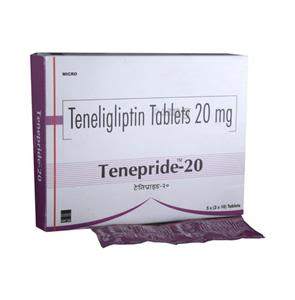
Price: Rs.284.16
13% off
In stock
Loose stock: 0
Description
TENEPRIDE 20MG TAB 15
Details
Composition
TENELIGLIPTIN 20 MG
# Teneligliptin 20 mg
## Short Description
**Teneligliptin 20 mg** is an oral **DPP-4 (dipeptidyl peptidase-4) inhibitor** used to help control blood glucose levels in adults with **type 2 diabetes mellitus**. It improves blood sugar control by enhancing the body's natural incretin activity, which helps increase insulin release when blood glucose is elevated and reduce excess glucagon secretion.
Teneligliptin is generally used along with **diet and exercise** and may be prescribed alone or in combination with other antidiabetic medicines.
---
## Key Benefits
* Helps lower **elevated blood glucose levels**
* Used for management of **type 2 diabetes**
* Enhances glucose-dependent insulin secretion
* Helps reduce inappropriate glucagon release
* Generally has a **low risk of hypoglycemia when used alone**
* Can be used as part of combination diabetes therapy when prescribed
* Convenient oral tablet administration
> Teneligliptin is not a substitute for a healthy diet, regular physical activity, or blood-glucose monitoring.
---
## Uses / Indications
### Type 2 Diabetes Mellitus
Teneligliptin is used to improve blood glucose control in adults with **type 2 diabetes mellitus**.
It may be prescribed:
* As monotherapy when appropriate
* With **metformin**
* With sulfonylureas
* With other glucose-lowering medicines
* As part of combination treatment when blood glucose remains inadequately controlled
The exact combination depends on the patient's blood glucose levels, kidney and liver function, other medicines, and treatment goals.
### Not for Type 1 Diabetes
Teneligliptin is **not a treatment for type 1 diabetes** and is not intended for the treatment of diabetic ketoacidosis.
---
## How It Works
Teneligliptin belongs to the **DPP-4 inhibitor** class.
After eating, the body releases incretin hormones such as **GLP-1 and GIP**. DPP-4 normally breaks down these hormones.
Teneligliptin inhibits DPP-4, allowing incretin activity to last longer.
This results in:
**DPP-4 inhibition → increased incretin activity → increased glucose-dependent insulin release + reduced glucagon secretion → improved blood glucose control.**
Because its effect on insulin secretion is largely glucose-dependent, the risk of hypoglycemia is relatively low when teneligliptin is used alone. However, hypoglycemia can become more likely when it is combined with medicines such as sulfonylureas or insulin.
---
## Dosage & Administration
### Usual Adult Dose
The commonly recommended dose is:
**Teneligliptin 20 mg once daily.**
Depending on the patient's response and the specific product labeling, a healthcare professional may increase the dose to **40 mg once daily** when additional glucose control is required.
> Do not increase the dose without medical advice.
### How to Take
* Take the tablet exactly as prescribed.
* It may generally be taken **with or without food**.
* Take it at approximately the same time each day.
* Swallow with water.
* Continue your prescribed diet and exercise program.
### Missed Dose
If you forget a dose, take it when you remember unless it is almost time for the next dose.
**Do not take two doses at the same time** to compensate for a missed dose.
### Important
Dosage recommendations can vary according to the specific product and local prescribing guidelines. Your doctor may adjust therapy according to your blood glucose and HbA1c results.
---
## Side Effects
### Common Side Effects
Possible side effects include:
* Nausea
* Abdominal discomfort
* Constipation or diarrhea
* Headache
* Dizziness
* Upper respiratory symptoms
* Mild skin reactions
Many people tolerate teneligliptin well.
### Hypoglycemia
Low blood sugar is less common when teneligliptin is used alone but may occur more frequently when it is combined with:
* Insulin
* Sulfonylureas
* Other medicines that lower blood glucose
Symptoms can include:
* Sweating
* Shaking
* Hunger
* Dizziness
* Fast heartbeat
* Confusion
* Weakness
### Serious Side Effects
Seek medical attention if you develop:
* Severe or persistent abdominal pain
* Severe skin rash or swelling
* Difficulty breathing
* Symptoms of severe hypoglycemia
* Unusual joint pain
* Signs of liver problems, such as yellowing of the skin or eyes
Rarely, DPP-4 inhibitors may be associated with **pancreatitis, severe hypersensitivity reactions, serious skin reactions, or significant joint pain**.
---
## Precautions & Warnings
### Pancreatitis
Rare cases of acute pancreatitis have been reported with DPP-4 inhibitors.
Contact your doctor promptly if you develop **persistent severe abdominal pain**, particularly if it radiates toward the back and is accompanied by vomiting.
### Hypoglycemia
Teneligliptin alone generally has a low risk of hypoglycemia.
However, the risk increases when it is combined with:
* Insulin
* Sulfonylureas
* Other glucose-lowering medicines
Your doctor may need to adjust the dose of the accompanying medicine.
### Kidney Disease
Tell your doctor if you have kidney problems.
Depending on the severity of renal impairment and the local product labeling, dose adjustment or additional monitoring may be necessary.
### Liver Disease
Inform your healthcare professional if you have liver disease or abnormal liver-function tests.
### Heart Failure
Tell your doctor if you have a history of heart failure. DPP-4 inhibitors as a class have had varying findings regarding heart-failure risk, so individual treatment decisions should be made by a healthcare professional.
### Severe Allergic Reactions
Stop using the medicine and seek urgent medical attention if you develop:
* Facial or throat swelling
* Difficulty breathing
* Severe rash
* Blistering or peeling skin
### Pregnancy
Teneligliptin is generally not a first-choice medicine for blood-glucose control during pregnancy.
Tell your doctor if you are pregnant, planning pregnancy, or become pregnant while taking it.
### Breastfeeding
It is not established whether teneligliptin passes into human breast milk in clinically relevant amounts. Discuss breastfeeding with your healthcare professional.
### Type 1 Diabetes
Teneligliptin should not be used to treat type 1 diabetes or diabetic ketoacidosis.
---
## Drug Interactions
### Sulfonylureas
Combining teneligliptin with sulfonylureas may increase the risk of **hypoglycemia**.
### Insulin
The risk of low blood sugar may increase when teneligliptin is combined with insulin.
### Other Antidiabetic Medicines
Teneligliptin may be prescribed with medicines such as metformin or other glucose-lowering agents when appropriate. Blood glucose should be monitored according to medical advice.
### CYP3A4 and Other Metabolic Interactions
Teneligliptin is metabolized through multiple pathways, including CYP3A4. Certain medicines may alter its exposure.
Tell your doctor about all prescription and non-prescription medicines you take.
### Alcohol
Alcohol can make blood-glucose control less predictable and may increase the risk of hypoglycemia when teneligliptin is used with other antidiabetic medicines.
### Herbal and Dietary Supplements
Always tell your healthcare professional about supplements or herbal products because some may affect blood glucose or interact with diabetes medicines.
---
## Storage Information
* Store at the temperature recommended by the manufacturer.
* Keep in the original packaging.
* Protect from excessive heat, moisture, and direct sunlight.
* Keep the medicine in a dry place.
* Keep out of reach and sight of children.
* Do not use after the expiry date.
* Keep tablets in their original blister or container until use.
---
## Prescription Status
**Teneligliptin 20 mg is generally a prescription-only medicine.**
It should be used under the supervision of a qualified healthcare professional who can assess blood glucose, HbA1c, kidney function, and other relevant factors.
Prescription requirements may vary between countries.
---
## Genuine Medicine Assurance
When purchasing **Teneligliptin 20 mg**:
* Buy only from a **licensed pharmacy or authorized medicine supplier**.
* Check the medicine name and strength.
* Verify the manufacturer's name.
* Check the batch/lot number and expiry date.
* Ensure the blister strip and outer packaging are intact.
* Avoid tablets from damaged, opened, or suspicious packaging.
* Do not purchase medicines from unauthorized sources.
* Keep the original packaging and product information.
* If authenticity is uncertain, ask a pharmacist or contact the manufacturer using the information printed on the package.
---
# FAQ – Teneligliptin 20 mg
### 1. What is Teneligliptin 20 mg used for?
Teneligliptin 20 mg is used to help control blood glucose in adults with **type 2 diabetes mellitus**, alongside appropriate diet and exercise.
### 2. Is teneligliptin a diabetes medicine?
Yes. Teneligliptin is an oral **DPP-4 inhibitor** used to improve blood sugar control in type 2 diabetes.
### 3. How does teneligliptin work?
It inhibits the DPP-4 enzyme, which increases the activity of incretin hormones. This helps increase insulin release when blood glucose is elevated and reduces glucagon secretion.
### 4. What is the usual dose of teneligliptin?
The commonly used dose is **20 mg once daily**. Some patients may be prescribed a higher dose under medical supervision depending on the product labeling and response to treatment.
### 5. Can teneligliptin be taken with food?
Yes. Teneligliptin can generally be taken **with or without food**.
### 6. Can teneligliptin be taken with metformin?
Yes. Teneligliptin is commonly used in combination with **metformin** when additional blood-glucose control is required.
### 7. Can teneligliptin cause low blood sugar?
When used alone, teneligliptin generally has a low risk of hypoglycemia. The risk increases when it is combined with **insulin or sulfonylureas**.
### 8. Can teneligliptin cause weight gain?
Significant weight gain is not generally considered a prominent effect of teneligliptin. Individual responses can vary.
### 9. Is teneligliptin used for type 1 diabetes?
No. Teneligliptin is intended for **type 2 diabetes** and should not be used to treat diabetic ketoacidosis.
### 10. Can teneligliptin cure diabetes?
No. Teneligliptin helps control blood glucose but does not cure diabetes. Long-term diabetes management may require medication, dietary changes, exercise, and regular monitoring.
### 11. Can teneligliptin be taken with other diabetes medicines?
Yes. It may be combined with medicines such as metformin, sulfonylureas, or insulin when prescribed. Combination therapy may require closer monitoring for hypoglycemia.
### 12. Can teneligliptin cause pancreatitis?
Rarely, pancreatitis has been reported with DPP-4 inhibitors. Seek medical attention for persistent severe abdominal pain, especially if accompanied by vomiting.
### 13. Can people with kidney disease take teneligliptin?
People with kidney disease should inform their doctor. The appropriate dose and monitoring depend on kidney function and the specific product information.
### 14. Can teneligliptin affect the liver?
Liver-related adverse effects are uncommon, but patients with liver disease should inform their healthcare professional and may require monitoring.
### 15. What happens if I miss a dose of teneligliptin?
Take the missed dose when you remember unless it is nearly time for the next dose. **Do not double the dose.**
### 16. Can I stop taking teneligliptin when my blood sugar improves?
Do not stop it without consulting your doctor. Improved blood glucose may indicate that the treatment is working.
### 17. Can teneligliptin be used during pregnancy?
Discuss pregnancy with your doctor. Teneligliptin is generally not a preferred first-line option for glucose management during pregnancy.
### 18. Can teneligliptin be used while breastfeeding?
Discuss breastfeeding with your healthcare professional before using teneligliptin.
### 19. Can I drink alcohol while taking teneligliptin?
Alcohol can make diabetes control less predictable and may increase hypoglycemia risk when teneligliptin is combined with certain medicines. Discuss alcohol consumption with your doctor.
### 20. Is Teneligliptin 20 mg available without a prescription?
Teneligliptin is generally a **prescription-only medicine** and should be taken under medical supervision.
### 21. How long does teneligliptin take to work?
Teneligliptin begins affecting the DPP-4 pathway after administration, but meaningful improvement in overall diabetes control is assessed over time using blood-glucose measurements and **HbA1c**.
### 22. Does teneligliptin lower HbA1c?
Yes. By improving glucose-dependent insulin activity and reducing glucagon secretion, teneligliptin can help reduce **HbA1c** in people with type 2 diabetes.
### 23. Is teneligliptin better than metformin?
They work through different mechanisms and are not directly interchangeable. Metformin is commonly used as an initial treatment for type 2 diabetes, while teneligliptin may be used alone in selected patients or as an add-on treatment.
### 24. Can teneligliptin be taken twice daily?
Teneligliptin is commonly prescribed **once daily**. Do not take it twice daily unless specifically instructed by your healthcare professional.
### 25. Should I continue diet and exercise while taking teneligliptin?
Yes. Teneligliptin works as part of an overall diabetes-management plan. Maintaining a healthy diet, regular physical activity, and appropriate blood-glucose monitoring remains important.
---
## Medical Disclaimer
This information about **Teneligliptin 20 mg** is provided for educational and informational purposes only and is **not a substitute for professional medical advice, diagnosis, or treatment**.
Teneligliptin is a prescription medicine for type 2 diabetes and should be used according to the instructions of a qualified healthcare professional. Dosage may need to be individualized based on blood glucose, HbA1c, kidney and liver function, other medicines, and overall health.
Seek medical attention for severe or persistent abdominal pain, symptoms of severe hypoglycemia, serious allergic reactions, or other concerning symptoms.
Do not start, stop, or change diabetes medication without consulting your doctor. Always follow the specific product label and the advice of your physician or pharmacist.