TENORIC LD 25MG
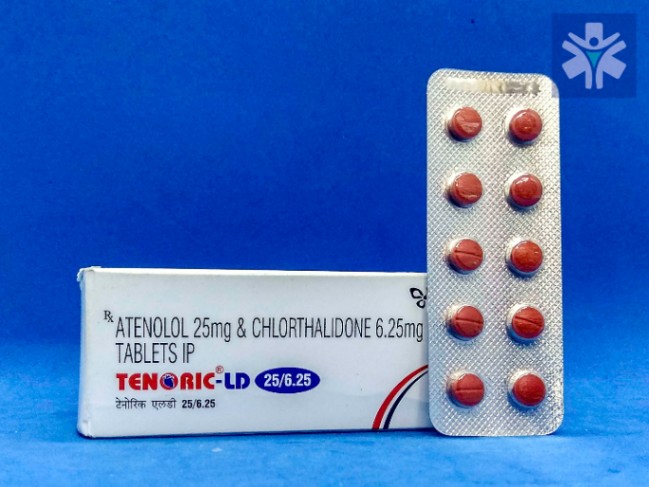
Price: Rs.84.32
13% off
In stock
Loose stock: 0
Description
TENORIC LD 25MG TAB 10
Details
Composition
ATENOLOL 25 MG,CHLORTHALIDONE 6.25 MG
# ATENOLOL 25 MG + CHLORTHALIDONE 6.25 MG
## SHORT DESCRIPTION
**Atenolol 25 mg + Chlorthalidone 6.25 mg** is a prescription combination medicine used primarily for the treatment of **high blood pressure (hypertension)**. It combines atenolol, a **beta-blocker**, with chlorthalidone, a **thiazide-like diuretic**.
Atenolol helps slow the heart rate and reduce the workload of the heart, while chlorthalidone helps the kidneys remove excess sodium and water. Together, they help lower blood pressure and may reduce the risk of cardiovascular complications associated with uncontrolled hypertension.
---
## KEY BENEFITS
* Helps control **high blood pressure**.
* Combines two complementary blood-pressure-lowering medicines.
* Atenolol reduces heart rate and cardiac workload.
* Chlorthalidone promotes elimination of excess sodium and fluid.
* May help reduce the long-term risk of complications associated with uncontrolled hypertension.
* Convenient combination therapy for patients who require more than one antihypertensive medicine.
---
## USES / INDICATIONS
### 1. Hypertension
Atenolol + chlorthalidone is primarily used to help manage **high blood pressure**.
Effective blood-pressure control can help reduce the risk of:
* Stroke
* Heart attack
* Heart failure
* Kidney complications
* Other cardiovascular complications
### 2. Other Cardiovascular Conditions
Atenolol may be prescribed for certain other heart-related conditions. However, this combination should only be used for an indication specifically determined by a healthcare professional.
---
## HOW IT WORKS
### Atenolol 25 mg
Atenolol is a **beta-1 selective adrenergic receptor blocker**.
It reduces the effects of adrenaline on the heart, resulting in:
* Slower heart rate
* Reduced force of contraction
* Reduced cardiac workload
* Lower blood pressure
### Chlorthalidone 6.25 mg
Chlorthalidone is a **thiazide-like diuretic**.
It increases the elimination of sodium and water through the kidneys. This reduces fluid volume and contributes to lower blood pressure.
### Combined Action
**Atenolol → slows the heart and reduces cardiac workload**
**Chlorthalidone → increases sodium and water elimination**
**Combined effect → helps lower blood pressure**
---
## DOSAGE & ADMINISTRATION
> **Take this medicine only as prescribed by your healthcare professional.**
The appropriate dosage depends on blood-pressure response, heart rate, kidney function, age, other medicines, and individual health conditions.
For a product containing **Atenolol 25 mg + Chlorthalidone 6.25 mg**, take the prescribed dose exactly as directed.
### How to Take
* It is commonly taken **once daily**, depending on the prescribed regimen.
* Take it at approximately the same time each day.
* It may generally be taken with or without food.
* Because chlorthalidone can increase urination, taking the medicine earlier in the day may be convenient.
* Swallow the tablet with water unless otherwise instructed.
### Missed Dose
Take the missed dose when you remember unless it is almost time for the next dose.
**Do not take two doses together.**
### Important
Do **not stop atenolol suddenly** without medical advice, especially if you have heart disease. Your healthcare professional may gradually reduce the dose when discontinuing treatment.
---
## SIDE EFFECTS
### Common Side Effects
Possible side effects include:
* Dizziness
* Tiredness or fatigue
* Headache
* Slow heartbeat
* Cold hands or feet
* Increased urination
* Nausea
* Stomach discomfort
### Chlorthalidone-Related Effects
Chlorthalidone may cause changes in electrolyte levels, including:
* Low potassium
* Low sodium
* Low magnesium
* Increased uric acid
* Dehydration
### Atenolol-Related Effects
Atenolol may cause:
* Slow heart rate
* Fatigue
* Dizziness
* Cold extremities
* Reduced exercise tolerance
* Sleep disturbances
* Sexual dysfunction in some individuals
### Serious Side Effects
Seek prompt medical attention for:
* Fainting
* Very slow heartbeat
* Severe dizziness
* Difficulty breathing
* Swelling of the legs
* Severe weakness or confusion
* Significant dehydration
* Severe allergic reaction
---
## PRECAUTIONS & WARNINGS
### Low Heart Rate
Atenolol can slow the heart rate. Inform your doctor if you have **bradycardia** or certain heart conduction disorders.
### Heart Failure
Beta-blockers may be used in selected patients with heart failure, but treatment requires appropriate medical supervision.
### Asthma and Breathing Disorders
Although atenolol is relatively beta-1 selective, beta-blockers can sometimes cause or worsen bronchospasm.
Tell your healthcare professional if you have:
* Asthma
* COPD
* Other breathing disorders
### Diabetes
Atenolol may mask some warning symptoms of **low blood sugar**, particularly a rapid heartbeat. People with diabetes may require closer glucose monitoring.
### Kidney Disease
People with kidney impairment may require closer monitoring of kidney function, blood pressure, and electrolyte levels.
### Electrolyte Imbalance
Chlorthalidone can reduce potassium and sodium levels. Your healthcare professional may monitor:
* Potassium
* Sodium
* Kidney function
* Uric acid
### Gout
Chlorthalidone can increase uric acid and may trigger or worsen **gout** in susceptible individuals.
### Dehydration
Excessive fluid loss can cause:
* Dizziness
* Weakness
* Low blood pressure
* Electrolyte disturbances
### Surgery
Inform your doctor or anesthetist that you are taking atenolol before undergoing surgery.
### Pregnancy
Tell your healthcare professional if you are pregnant or planning pregnancy. Your doctor will assess whether this combination is appropriate.
### Breastfeeding
Discuss treatment with your healthcare professional if you are breastfeeding.
---
## DRUG INTERACTIONS
Tell your doctor or pharmacist about all prescription medicines, OTC medicines, vitamins, and herbal supplements you use.
### Other Blood Pressure Medicines
Combining this medicine with other antihypertensive medicines can cause excessive lowering of blood pressure.
### Verapamil or Diltiazem
Calcium channel blockers such as **verapamil and diltiazem** may further slow the heart rate or impair cardiac conduction when combined with atenolol.
### Digoxin
Digoxin and atenolol can both slow the heart rate and may increase the risk of bradycardia.
### Diabetes Medicines
Atenolol can mask some symptoms of hypoglycemia and may require closer blood-glucose monitoring.
### NSAIDs
Medicines such as **ibuprofen, naproxen, or diclofenac** may reduce the blood-pressure-lowering effect and can affect kidney function in susceptible individuals.
### Lithium
Chlorthalidone can increase lithium levels and potentially increase the risk of lithium toxicity.
### Other Diuretics
Using additional diuretics may increase the risk of dehydration and electrolyte abnormalities.
### Corticosteroids
Some corticosteroids may increase the risk of low potassium when used with diuretics.
---
## STORAGE INFORMATION
* Store according to the manufacturer's instructions.
* Keep in the original packaging.
* Protect from excessive heat and moisture.
* Keep away from direct sunlight.
* Keep out of reach and sight of children.
* Keep the container tightly closed where applicable.
* Do not use after the expiry date.
* Do not use tablets from damaged or tampered packaging.
---
## PRESCRIPTION STATUS
**Prescription Medicine**
Atenolol 25 mg + Chlorthalidone 6.25 mg should be used under the supervision of a qualified healthcare professional.
Depending on the patient's condition, monitoring may include:
* Blood pressure
* Heart rate
* Kidney function
* Potassium
* Sodium
* Uric acid
---
## GENUINE MEDICINE ASSURANCE
For safe treatment, purchase **Atenolol 25 mg + Chlorthalidone 6.25 mg** only from a licensed pharmacy or authorized medicine supplier.
Before use, verify:
* Product name and strength
* Active ingredients
* Manufacturer
* Batch/lot number
* Manufacturing date
* Expiry date
* Packaging and seal integrity
* Regulatory information where applicable
Do not use the medicine if it is:
* Expired
* Damaged
* Tampered with
* Missing batch or expiry information
* Unusual in appearance
If you suspect that a medicine may be counterfeit or defective, consult a licensed pharmacist or the appropriate medicine regulatory authority.
---
# FAQ – ATENOLOL 25 MG + CHLORTHALIDONE 6.25 MG
### 1. What is Atenolol 25 mg + Chlorthalidone 6.25 mg used for?
It is primarily used to **control high blood pressure (hypertension)**.
### 2. What is Atenolol?
Atenolol is a **beta-blocker** that slows the heart rate and reduces the workload of the heart, helping lower blood pressure.
### 3. What is Chlorthalidone?
Chlorthalidone is a **thiazide-like diuretic** that increases the elimination of sodium and water through the kidneys.
### 4. Why are Atenolol and Chlorthalidone combined?
They lower blood pressure through different mechanisms. Combining them can provide additional blood-pressure control in appropriately selected patients.
### 5. Does this medicine increase urination?
Yes. Chlorthalidone increases the elimination of water and sodium and may therefore increase urination, particularly after starting treatment.
### 6. Can Atenolol + Chlorthalidone lower heart rate?
Yes. Atenolol can slow the heart rate. Your doctor may monitor your heart rate during treatment.
### 7. Can Atenolol + Chlorthalidone cause dizziness?
Yes. Dizziness can occur, particularly when starting treatment or if blood pressure becomes too low.
### 8. Can I stop Atenolol suddenly?
**No.** Do not stop atenolol suddenly without medical advice, particularly if you have heart disease.
### 9. Can this medicine be used by people with diabetes?
It may be used in some people with diabetes, but atenolol can mask certain symptoms of low blood sugar. Blood-glucose monitoring may therefore be important.
### 10. Can this medicine cause low potassium?
Yes. Chlorthalidone can lower potassium levels. Your healthcare professional may order blood tests to monitor electrolytes.
### 11. Can Atenolol + Chlorthalidone cause gout?
Chlorthalidone can increase uric acid levels and may trigger or worsen gout in susceptible individuals.
### 12. Can I take ibuprofen while using this medicine?
Regular use of NSAIDs such as ibuprofen may reduce the blood-pressure-lowering effect and may affect kidney function. Ask your doctor or pharmacist before using NSAIDs regularly.
### 13. Can I drink alcohol while taking Atenolol + Chlorthalidone?
Alcohol may increase dizziness or low blood pressure. Discuss alcohol consumption with your healthcare professional.
### 14. When should I take Atenolol + Chlorthalidone?
It is commonly taken **once daily**, and taking it earlier in the day may be convenient because chlorthalidone can increase urination. Follow your prescribed schedule.
### 15. What should I do if I miss a dose?
Take it when remembered unless it is almost time for your next dose. **Do not double the dose.**
### 16. Does Atenolol + Chlorthalidone cure hypertension?
No. It helps **control blood pressure**. Hypertension often requires long-term treatment and lifestyle changes.
### 17. How long does Atenolol + Chlorthalidone take to work?
Blood pressure may begin to improve after treatment starts, while the full response can take longer. Individual responses vary.
### 18. Can this medicine be taken during pregnancy?
Tell your healthcare professional if you are pregnant or planning pregnancy. Your doctor will determine whether this treatment is appropriate.
### 19. Can I take potassium supplements with this medicine?
Do not start potassium supplements without medical advice. Chlorthalidone can affect potassium levels, and supplementation should be based on individual needs and laboratory results.
### 20. What should be monitored during treatment?
Your healthcare professional may monitor **blood pressure, heart rate, kidney function, potassium, sodium, and uric acid**.
### 21. Can Atenolol + Chlorthalidone cause tiredness?
Yes. Fatigue or reduced energy can occur, particularly because of atenolol.
### 22. Is Atenolol 25 mg + Chlorthalidone 6.25 mg available without a prescription?
It is generally a **prescription medicine**.
### 23. Can I take it with other blood-pressure medicines?
Sometimes. However, combining antihypertensive medicines should be done under medical supervision because blood pressure may become excessively low.
### 24. What should I do if my heartbeat becomes very slow?
Contact your healthcare professional promptly if you develop an unusually slow heartbeat, severe dizziness, fainting, or significant weakness.
### 25. Can lifestyle changes help while taking this medicine?
Yes. Maintaining a healthy weight, reducing excessive salt intake, exercising regularly, avoiding tobacco, moderating alcohol, and following a heart-healthy diet can support blood-pressure control.
---
## MEDICAL DISCLAIMER
This information about **Atenolol 25 mg + Chlorthalidone 6.25 mg** is provided for general educational and informational purposes only. It is **not a substitute for professional medical advice, diagnosis, or treatment**.
This is a prescription medicine and should be used only according to the directions of a qualified healthcare professional. The appropriate dose and duration depend on the patient's blood pressure, heart rate, kidney function, electrolyte levels, other medical conditions, and concurrent medicines.
**Do not stop atenolol suddenly or change the dose without medical advice.** Seek prompt medical attention for fainting, severe dizziness, difficulty breathing, an unusually slow heartbeat, severe weakness, or signs of a serious allergic reaction.
**Always read the product label/package insert and follow the instructions provided by your doctor or pharmacist.**