TENORIC LD 50MG
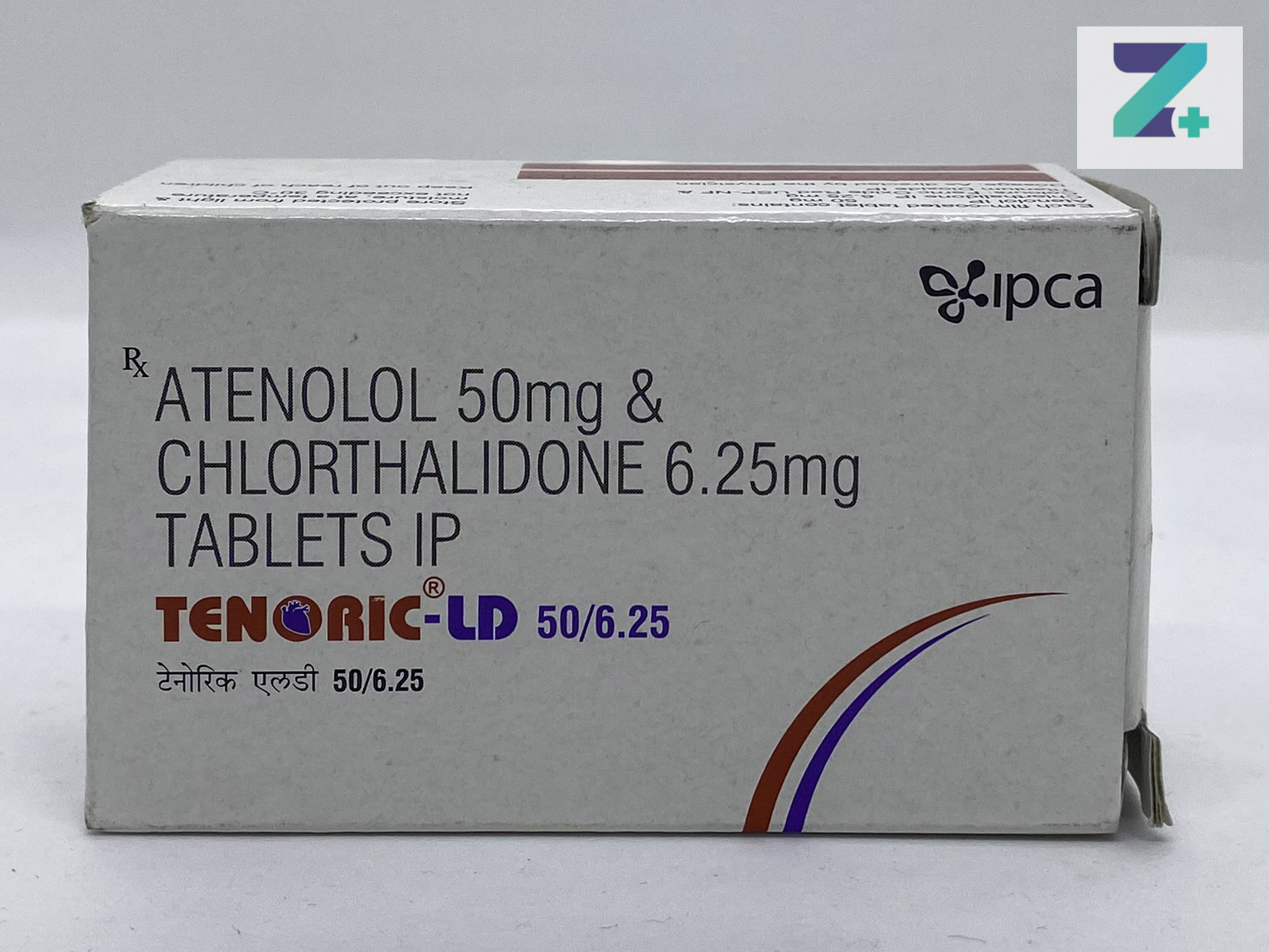
Price: Rs.122.08
13% off
In stock
Loose stock: 0
Description
TENORIC LD 50MG TAB 10
Details
Composition
ATENOLOL 50 MG,CHLORTHALIDONE 6.25 MG
# Atenolol 50 mg + Chlorthalidone 6.25 mg
## Short Description
**Atenolol 50 mg + Chlorthalidone 6.25 mg** is a combination antihypertensive medicine used primarily to **lower and control high blood pressure (hypertension)**. It combines **atenolol**, a beta-blocker, with **chlorthalidone**, a thiazide-like diuretic.
Atenolol helps slow the heart rate and reduce the workload on the heart, while chlorthalidone promotes the removal of excess sodium and water through the kidneys. Together, they provide complementary blood-pressure-lowering effects.
> **Important:** This medicine should be used under the supervision of a healthcare professional. Do not stop atenolol suddenly, particularly if you have heart disease.
---
## Key Benefits
* Helps lower and control **high blood pressure**.
* Combines two complementary blood-pressure-lowering mechanisms.
* **Atenolol** reduces heart rate and cardiac workload.
* **Chlorthalidone** helps remove excess sodium and fluid.
* May be useful when blood pressure is not adequately controlled with a single medicine.
* Once-daily combination therapy may simplify treatment for some patients.
* Long-term blood-pressure control can help reduce the risk of cardiovascular complications.
---
## Uses / Indications
### 1. Hypertension
The primary indication of Atenolol 50 mg + Chlorthalidone 6.25 mg is the treatment of **high blood pressure**.
It may be prescribed when:
* Blood pressure is not adequately controlled with one medicine.
* A beta-blocker and diuretic are considered appropriate together.
* Combination treatment is preferred for an individual patient.
### 2. Cardiovascular Protection
Effective blood-pressure control can help reduce the long-term risk of complications such as:
* Stroke
* Heart attack
* Heart failure
* Kidney damage
> This medicine controls hypertension but does not permanently cure it.
---
## How It Works
This combination contains two active ingredients.
### Atenolol 50 mg
Atenolol is a **selective beta-1 adrenergic receptor blocker**.
It reduces the effects of adrenaline and related hormones on the heart, resulting in:
* Slower heart rate
* Reduced force of heart contraction
* Reduced cardiac workload
* Lower blood pressure
### Chlorthalidone 6.25 mg
Chlorthalidone is a **thiazide-like diuretic**.
It increases the excretion of sodium and water by the kidneys. This reduces fluid volume and contributes to lower blood pressure.
### Simple Mechanism
**Atenolol → slows heart rate and reduces cardiac workload**
**Chlorthalidone → increases sodium and water excretion**
**Together → help lower and control blood pressure.**
---
## Dosage & Administration
> **The appropriate dose is individualized according to blood pressure, heart rate, kidney function and response to treatment. Do not assume that the listed strengths are appropriate for every patient.**
### Adults
Atenolol 50 mg + Chlorthalidone 6.25 mg is generally taken **once daily** when this combination has been prescribed.
The healthcare professional may adjust therapy depending on blood-pressure and heart-rate response.
### How to Take
* Take exactly as prescribed.
* Take the tablet at approximately the same time each day.
* Swallow with water.
* It may generally be taken with or without food.
* Because chlorthalidone increases urination, taking it earlier in the day may be more convenient.
* Do not change the dose without medical advice.
### Missed Dose
Take the missed dose when remembered unless it is nearly time for the next dose.
**Do not take two doses together.**
### Do Not Stop Suddenly
Do not abruptly discontinue atenolol without medical advice. Sudden withdrawal can cause a rapid increase in heart rate or blood pressure and may worsen heart-related problems in susceptible patients.
---
## Side Effects
### Common Side Effects
Possible side effects include:
* Dizziness
* Fatigue
* Headache
* Slow heart rate
* Cold hands or feet
* Increased urination
* Nausea
* Mild stomach discomfort
### Chlorthalidone-Related Effects
Chlorthalidone may cause changes in:
* Potassium
* Sodium
* Magnesium
* Uric acid
* Blood glucose
It can sometimes cause dehydration or electrolyte abnormalities.
### Atenolol-Related Effects
Atenolol may cause:
* Slow heartbeat
* Fatigue
* Reduced exercise tolerance
* Cold extremities
* Sleep disturbances
* Erectile or sexual dysfunction in some patients
### Serious Side Effects
Seek medical attention for:
* Fainting
* Very slow heartbeat
* Severe dizziness
* Difficulty breathing or wheezing
* Significant swelling
* Severe dehydration
* Severe muscle weakness or abnormal heartbeat
* Signs of a serious allergic reaction
---
## Precautions & Warnings
### Slow Heart Rate
Atenolol can reduce heart rate. It should be used cautiously in patients with **bradycardia or certain heart-conduction disorders**.
### Heart Block
Atenolol may be unsuitable for patients with certain degrees of heart block unless appropriate specialist management is provided.
### Asthma or Breathing Problems
Although atenolol is relatively beta-1 selective, beta-blockers can sometimes cause or worsen bronchospasm. Tell your doctor if you have:
* Asthma
* Chronic obstructive pulmonary disease (COPD)
* Other breathing disorders
### Diabetes
Atenolol may **mask some symptoms of low blood sugar**, particularly rapid heartbeat. Chlorthalidone may also affect glucose control.
People with diabetes should monitor blood glucose as advised.
### Kidney Disease
Chlorthalidone and atenolol require consideration of kidney function. Dose adjustments or closer monitoring may be necessary in significant renal impairment.
### Electrolyte Imbalance
Chlorthalidone can cause:
* Low potassium
* Low sodium
* Low magnesium
Your doctor may monitor electrolytes during treatment.
### Gout
Chlorthalidone can increase uric acid levels and may trigger or worsen **gout** in susceptible patients.
### Dehydration
Excessive sweating, vomiting, diarrhea or inadequate fluid intake can increase the risk of dehydration and low blood pressure.
### Peripheral Circulation Problems
Atenolol may worsen symptoms in some people with significant peripheral vascular disease.
### Thyroid Disease
Beta-blockers can mask some symptoms of hyperthyroidism. Do not discontinue atenolol abruptly.
### Psoriasis
Beta-blockers may worsen psoriasis in some patients.
### Pregnancy
Tell your healthcare professional if you are pregnant or planning pregnancy. The benefits and potential risks of atenolol/chlorthalidone therapy should be carefully evaluated.
### Breastfeeding
Atenolol can pass into breast milk and may affect a breastfed infant. Discuss treatment with your healthcare professional.
### Surgery
Tell your doctor or anesthetist that you are taking atenolol before surgery because beta-blockade can affect heart rate and blood pressure during anesthesia.
---
## Drug Interactions
### Other Blood-Pressure Medicines
Using other antihypertensive medicines can increase the risk of **low blood pressure**.
### Calcium Channel Blockers
Medicines such as **verapamil or diltiazem** can further slow heart rate or impair cardiac conduction when combined with atenolol.
### Digoxin
Digoxin and atenolol can both slow heart rate and may increase the risk of bradycardia or conduction problems.
### Clonidine
Combining clonidine with a beta-blocker requires careful medical supervision. Abrupt withdrawal of clonidine while taking a beta-blocker can cause significant blood-pressure elevation.
### Insulin and Antidiabetic Medicines
Atenolol may mask certain symptoms of hypoglycemia, while chlorthalidone may affect glucose control.
### NSAIDs
Medicines such as:
* Ibuprofen
* Naproxen
* Diclofenac
may reduce the blood-pressure-lowering effect of diuretics and can increase the risk of kidney problems in susceptible patients.
### Lithium
Chlorthalidone can reduce lithium clearance and potentially increase **lithium toxicity**.
### Corticosteroids
Systemic corticosteroids may increase the risk of potassium loss when used with chlorthalidone.
### Other Medicines Affecting Potassium
Medicines and supplements that alter potassium levels may increase the risk of electrolyte disturbances.
> Tell your doctor or pharmacist about **all prescription medicines, OTC medicines, vitamins and herbal supplements** you take.
---
## Storage Information
* Store according to the manufacturer's instructions.
* Keep at the recommended room temperature.
* Protect from excessive heat and moisture.
* Keep away from direct sunlight.
* Keep tablets in their original packaging.
* Keep the container tightly closed where applicable.
* Keep out of reach of children.
* Do not use after the expiry date.
---
## Prescription Status
**Atenolol 50 mg + Chlorthalidone 6.25 mg is generally a prescription medicine.**
Because it affects heart rate, blood pressure, kidney function and electrolytes, treatment should be supervised by a qualified healthcare professional.
---
## Genuine Medicine Assurance
When purchasing **Atenolol 50 mg + Chlorthalidone 6.25 mg**:
* Purchase from a **licensed and reputable pharmacy**.
* Verify both active ingredients and their strengths.
* Check the manufacturer's name.
* Verify the batch/lot number and expiry date.
* Ensure the blister strip and outer packaging are intact.
* Check registration information where applicable.
* Do not use tablets from damaged or suspicious packaging.
* Avoid purchasing prescription medicines from unauthorized sellers.
* Follow the manufacturer's storage instructions.
* If you suspect a counterfeit product, contact the manufacturer, licensed pharmacy or relevant medicines regulatory authority.
---
# Frequently Asked Questions (FAQ)
### 1. What is Atenolol 50 mg + Chlorthalidone 6.25 mg used for?
It is primarily used to **treat high blood pressure (hypertension)** by combining a beta-blocker with a diuretic.
### 2. What are the ingredients in this medicine?
Each tablet contains:
* **Atenolol 50 mg**
* **Chlorthalidone 6.25 mg**
### 3. How does Atenolol lower blood pressure?
Atenolol blocks beta-1 receptors in the heart, reducing heart rate and the force of contraction and thereby lowering cardiac workload and blood pressure.
### 4. How does Chlorthalidone lower blood pressure?
Chlorthalidone increases the elimination of sodium and water through the kidneys, reducing fluid volume and helping lower blood pressure.
### 5. How often should Atenolol + Chlorthalidone be taken?
This combination is generally taken **once daily**, but follow the specific schedule prescribed by your healthcare professional.
### 6. Should I take it in the morning or at night?
Because chlorthalidone increases urination, taking the medicine **earlier in the day** may be more convenient. Follow your doctor's specific instructions.
### 7. Can Atenolol + Chlorthalidone cure high blood pressure?
No. It helps **control blood pressure**. Long-term treatment may be necessary to maintain blood-pressure control.
### 8. Can this medicine make my heart rate slow?
Yes. Atenolol can reduce heart rate. If you experience fainting, severe dizziness or an unusually slow heartbeat, seek medical advice.
### 9. Does Chlorthalidone make you urinate more?
Yes. Chlorthalidone is a diuretic and increases urine production, especially after taking a dose.
### 10. Can Atenolol + Chlorthalidone cause dizziness?
Yes. Dizziness may occur because of reduced blood pressure or dehydration. Rise slowly from sitting or lying positions.
### 11. Can I stop Atenolol suddenly?
**No.** Do not stop atenolol abruptly without medical advice, particularly if you have heart disease.
### 12. Can I take ibuprofen with Atenolol + Chlorthalidone?
Regular NSAID use can reduce the blood-pressure-lowering effect and increase kidney risks in susceptible individuals. Consult your healthcare professional before taking NSAIDs regularly.
### 13. Can this medicine affect potassium levels?
Yes. Chlorthalidone can lower potassium. Your healthcare professional may monitor potassium and other electrolytes during treatment.
### 14. Can Atenolol + Chlorthalidone worsen gout?
It can. Chlorthalidone may increase uric acid levels and potentially trigger or worsen gout.
### 15. Can people with diabetes take this medicine?
It may be prescribed in some patients with diabetes, but monitoring may be needed because atenolol can mask some symptoms of low blood sugar and chlorthalidone can affect glucose control.
### 16. Can I take Atenolol + Chlorthalidone during pregnancy?
Tell your doctor if you are pregnant or planning pregnancy. Your healthcare professional will determine whether this treatment is appropriate.
### 17. Can I take this medicine while breastfeeding?
Discuss breastfeeding with your healthcare professional because atenolol can pass into breast milk and may affect an infant.
### 18. What should I do if I miss a dose?
Take the missed dose when remembered unless it is nearly time for the next dose. **Do not double the next dose.**
### 19. What monitoring may be needed during treatment?
Your healthcare professional may monitor:
* Blood pressure
* Heart rate
* Kidney function
* Potassium and other electrolytes
* Blood glucose when appropriate
* Uric acid in susceptible patients
### 20. Is Atenolol 50 mg + Chlorthalidone 6.25 mg available without a prescription?
It is generally a **prescription-only medicine**, although regulations may differ between countries.
---
## Medical Disclaimer
This information about **Atenolol 50 mg + Chlorthalidone 6.25 mg** is provided for educational and general informational purposes only. It is **not a substitute for professional medical advice, diagnosis or treatment**.
This combination can affect **heart rate, blood pressure, kidney function and electrolyte balance**. The appropriate dose depends on the individual's medical condition, heart rate, kidney function, other medicines and response to treatment.
Patients with asthma, diabetes, kidney disease, gout, slow heart rate, heart-conduction disorders or significant cardiovascular disease should inform their healthcare professional before treatment.
**Do not stop atenolol suddenly or change the dose without medical advice.** Seek prompt medical attention for fainting, severe breathing difficulty, very slow heartbeat, severe weakness, significant dehydration or other serious symptoms.
Always use this medicine according to the prescription and instructions provided by a qualified healthcare professional.