THYROLAR 50MG
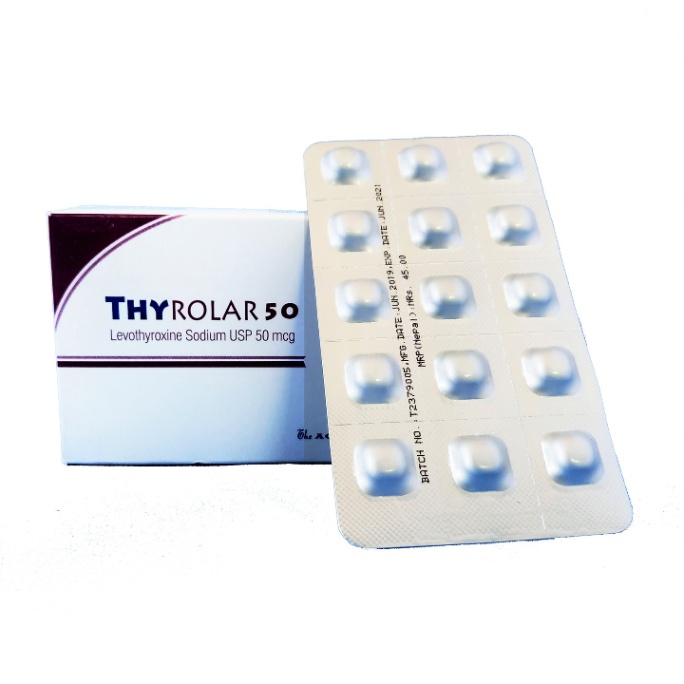
Price: Rs.45.00
10% off
In stock
Loose stock: 0
Description
THYROLAR 50MG TAB 15
Details
Composition
LEVOTHYROXINE 50 MCG
# LEVOTHYROXINE 50 MCG
## Short Description
**Levothyroxine 50 mcg** is a synthetic form of **thyroxine (T4)**, a hormone normally produced by the thyroid gland. It is primarily used to replace insufficient thyroid hormone in people with **hypothyroidism**.
Levothyroxine is converted in the body to the more active thyroid hormone **triiodothyronine (T3)** and helps restore normal thyroid hormone activity. It is usually taken once daily and requires consistent administration and periodic blood-test monitoring.
## Key Benefits
* Replaces thyroid hormone that the body cannot produce adequately.
* Helps restore normal thyroid hormone levels in **hypothyroidism**.
* Can improve symptoms such as fatigue, feeling unusually cold, dry skin, and constipation when these are caused by hypothyroidism.
* Supports normal metabolism and energy regulation.
* Helps maintain normal cardiovascular, neurological, and other body functions affected by thyroid hormone deficiency.
* May be used after certain thyroid treatments or surgery when thyroid hormone replacement is required.
## Uses / Indications
Levothyroxine 50 mcg may be prescribed for:
* **Primary hypothyroidism**.
* **Secondary or central hypothyroidism**, under specialist supervision.
* Hypothyroidism following **thyroid surgery**.
* Hypothyroidism following treatment for hyperthyroidism.
* Certain thyroid disorders where thyroid hormone replacement is medically indicated.
* Thyroid hormone suppression therapy in selected patients, such as some people treated for thyroid cancer.
The appropriate dose depends on the patient's age, body weight, thyroid function, medical history, and treatment goals.
## How It Works
Levothyroxine is a synthetic version of **thyroxine (T4)**.
After absorption, some T4 is converted into **T3**, the more biologically active thyroid hormone.
T3 and T4 regulate many processes, including:
* Energy metabolism.
* Body temperature.
* Heart rate.
* Protein and carbohydrate metabolism.
* Normal growth and development.
* Brain and nervous-system function.
### Overall Effect
**Levothyroxine → replaces deficient T4 → T4 is converted partly to T3 → restores thyroid hormone activity → improves hypothyroid symptoms and normalizes thyroid function.**
## Dosage & Administration
The dose of levothyroxine is **individualized**. A 50 mcg tablet is one commonly available strength, but it may be too high or too low depending on the individual.
### General Administration
* Take **once daily**, usually in the morning.
* Take on an **empty stomach**, typically **30–60 minutes before breakfast**.
* Take with a full glass of water.
* Take it consistently at the same time each day.
* Avoid taking it simultaneously with medicines or supplements that interfere with absorption.
* Do not change the dose without medical advice.
Some patients may be instructed to take levothyroxine at bedtime, provided it is taken consistently and sufficiently separated from meals.
### Dose Adjustment
Your doctor may adjust the dose according to:
* **TSH levels**.
* Free T4 levels when appropriate.
* Age.
* Weight.
* Pregnancy status.
* Heart health.
* Other medicines.
* Clinical response.
Blood tests are commonly repeated after a dose change because thyroid hormone levels take time to reach a new steady state.
### Missed Dose
Take the missed dose when remembered unless it is close to the next scheduled dose. **Do not routinely double doses without medical advice.**
## Side Effects
When used at the correct dose, levothyroxine is generally well tolerated.
Most side effects occur when the dose is **too high** and produces symptoms of excessive thyroid hormone.
Possible symptoms include:
* Fast heartbeat.
* Palpitations.
* Tremor.
* Nervousness.
* Anxiety.
* Restlessness.
* Increased sweating.
* Heat intolerance.
* Headache.
* Difficulty sleeping.
* Increased appetite.
* Weight loss.
* Diarrhea.
* Muscle weakness.
### Serious Side Effects
Seek medical attention for:
* Severe or persistent palpitations.
* Chest pain.
* Significant shortness of breath.
* Fainting.
* Severe or irregular heartbeat.
Excessive thyroid hormone replacement can increase the risk of **cardiac problems and bone loss**, particularly with prolonged overtreatment.
## Precautions & Warnings
### Heart Disease
People with:
* Coronary artery disease.
* Angina.
* Previous heart attack.
* Heart rhythm disorders.
may require a lower starting dose and gradual dose adjustment.
### Adrenal Insufficiency
Untreated adrenal insufficiency should be addressed before starting thyroid hormone replacement because levothyroxine can potentially worsen an unrecognized adrenal crisis.
### Diabetes
Levothyroxine may affect blood glucose control. People with diabetes may require monitoring when thyroid replacement is started or the dose is changed.
### Osteoporosis
Long-term excessive thyroid hormone replacement may contribute to **bone loss**, particularly in postmenopausal women.
### Pregnancy
Thyroid hormone requirements often increase during pregnancy. Adequate treatment of maternal hypothyroidism is important for both the mother and developing baby.
People taking levothyroxine should contact their healthcare professional promptly after pregnancy is confirmed so thyroid function can be monitored and the dose adjusted when necessary.
### Do Not Use It for Weight Loss
Levothyroxine should **not be used as a weight-loss medicine** in people with normal thyroid function. Excess thyroid hormone can cause serious cardiovascular and other complications.
## Drug Interactions
Levothyroxine absorption and effectiveness can be affected by several medicines and supplements.
### Calcium Supplements
Calcium carbonate and other calcium-containing products can reduce levothyroxine absorption.
Generally, separate them from levothyroxine by **at least 4 hours** unless your healthcare professional gives different instructions.
### Iron Supplements
Iron-containing supplements can significantly reduce levothyroxine absorption.
Separate iron and levothyroxine by **at least 4 hours**.
### Antacids
Some antacids containing **aluminum or magnesium** may interfere with absorption.
### Proton Pump Inhibitors
Medicines such as omeprazole and other acid-reducing medicines can affect levothyroxine absorption in some people.
### Cholestyramine and Similar Medicines
Certain bile-acid sequestrants can reduce levothyroxine absorption.
### Warfarin
Starting or changing levothyroxine treatment may alter the effect of warfarin. **INR monitoring** may be necessary.
### Diabetes Medicines
Levothyroxine can alter glucose requirements in some patients taking insulin or oral diabetes medicines.
### Estrogen
Estrogen-containing medicines can increase thyroid-binding proteins and may alter levothyroxine requirements.
### Other Medicines
Tell your doctor or pharmacist about all:
* Prescription medicines.
* OTC medicines.
* Vitamins.
* Minerals.
* Herbal supplements.
## Storage Information
* Store at **room temperature**, according to the manufacturer's instructions.
* Protect tablets from excessive heat, moisture, and direct sunlight.
* Keep the medicine in its original packaging.
* Keep the container tightly closed.
* Keep out of reach of children.
* Do not use after the expiry date.
* Avoid storing tablets in humid locations such as bathrooms.
## Prescription Status
**Levothyroxine 50 mcg is generally a prescription medicine.**
The correct dose requires individual assessment and periodic monitoring of thyroid function, particularly after starting treatment or changing the dose.
## Genuine Medicine Assurance
When purchasing Levothyroxine 50 mcg, obtain it from a **licensed pharmacy or authorized medicine supplier**.
Before use, check:
* Correct medicine name: **Levothyroxine**.
* Correct strength: **50 mcg**.
* Manufacturer information.
* Batch/lot number.
* Manufacturing and expiry dates.
* Intact packaging and seal.
* Tablet appearance and labeling.
* Appropriate storage conditions.
Do not use the product if the packaging appears damaged, tampered with, incorrectly labeled, or suspicious.
## Frequently Asked Questions (FAQ)
### 1. What is Levothyroxine 50 mcg used for?
Levothyroxine 50 mcg is used primarily to treat **hypothyroidism**, a condition in which the thyroid gland does not produce enough thyroid hormone.
### 2. Is levothyroxine the same as thyroxine?
Levothyroxine is a **synthetic form of thyroxine (T4)**, the main hormone produced by the thyroid gland.
### 3. How does levothyroxine work?
It replaces deficient thyroid hormone. The body converts some T4 into **T3**, which helps regulate metabolism and many other physiological processes.
### 4. How should I take Levothyroxine 50 mcg?
It is generally taken **once daily on an empty stomach**, usually 30–60 minutes before breakfast, with water. Follow your specific prescription.
### 5. Can I take levothyroxine after breakfast?
Taking it with or shortly after food can reduce or alter absorption. For consistent treatment, it is generally recommended to take it on an empty stomach as directed.
### 6. Can I take coffee with levothyroxine?
Coffee can interfere with levothyroxine absorption when taken too close to the dose. Taking levothyroxine with water and waiting before drinking coffee can help maintain consistent absorption.
### 7. How long does levothyroxine take to work?
Some symptoms may begin improving over several weeks. It can take **several weeks for thyroid hormone levels and symptoms to stabilize**, which is why blood tests are typically performed after an appropriate interval following dose changes.
### 8. How long will I need to take levothyroxine?
Many people with permanent hypothyroidism require **long-term or lifelong treatment**. The duration depends on the underlying cause of thyroid hormone deficiency.
### 9. Does levothyroxine cure hypothyroidism?
Levothyroxine generally **replaces the missing hormone rather than curing the underlying cause** of hypothyroidism.
### 10. Does levothyroxine cause weight loss?
If hypothyroidism caused weight gain, appropriate treatment may allow some thyroid-related weight changes to normalize. Levothyroxine **should not be used for weight loss** in people with normal thyroid function.
### 11. Can levothyroxine cause weight loss?
Excessive dosing can cause symptoms of hyperthyroidism, including **unintended weight loss**, increased heart rate, sweating, and nervousness.
### 12. Can I take calcium with levothyroxine?
Yes, but calcium supplements can reduce levothyroxine absorption. They should generally be taken **at least 4 hours apart**.
### 13. Can I take iron with levothyroxine?
Iron can reduce levothyroxine absorption. It should generally be separated from levothyroxine by **at least 4 hours**.
### 14. Can I take other medicines with levothyroxine?
Many medicines can be taken alongside levothyroxine, but some affect its absorption or effectiveness. Always inform your doctor and pharmacist about all medicines and supplements you use.
### 15. What happens if I miss a dose of levothyroxine?
Take it when you remember unless it is close to the next scheduled dose. Avoid routinely taking extra doses without medical advice.
### 16. What happens if I take too much levothyroxine?
An excessive dose can cause symptoms of excess thyroid hormone, including **palpitations, tremor, anxiety, sweating, diarrhea, and rapid or irregular heartbeat**. Seek medical advice if a significant overdose occurs.
### 17. Can levothyroxine be taken during pregnancy?
Yes. Levothyroxine is commonly used during pregnancy when thyroid hormone replacement is needed. Adequate thyroid hormone levels are important during pregnancy, and the dose may need adjustment.
### 18. Can I take levothyroxine while breastfeeding?
Levothyroxine is generally considered compatible with breastfeeding when used at appropriate replacement doses. Consult your healthcare professional regarding your individual treatment.
### 19. Can I stop levothyroxine if I feel better?
No. Feeling better does not necessarily mean the underlying thyroid hormone deficiency has resolved. **Do not stop treatment without medical advice.**
### 20. Why do I need blood tests while taking levothyroxine?
Blood tests, particularly **TSH**, help determine whether your dose is providing an appropriate level of thyroid hormone replacement.
### 21. Can levothyroxine affect the heart?
Too much thyroid hormone can cause **rapid heartbeat, palpitations, or abnormal heart rhythms**. People with existing heart disease may require particularly careful dose adjustment.
### 22. Can levothyroxine cause hair loss?
Some people may experience temporary hair changes when starting treatment or while thyroid hormone levels are changing. Persistent hair loss should be discussed with a healthcare professional because thyroid disease itself and other conditions can contribute to it.
### 23. Can I switch between levothyroxine brands?
Different products can have differences in absorption and bioavailability. If you switch brands or formulations, tell your healthcare professional because **thyroid-function monitoring may be appropriate**.
### 24. Is Levothyroxine 50 mcg available without a prescription?
Levothyroxine is generally **prescription-only** because the dose must be individualized and monitored with thyroid-function testing.
### 25. What should I do if my hypothyroidism symptoms return?
Contact your healthcare professional rather than increasing the dose yourself. Returning symptoms may have several causes, including inadequate dose, absorption problems, medicine interactions, or another medical condition.
## Medical Disclaimer
This information about **Levothyroxine 50 mcg** is provided for general educational and informational purposes only. It is not a substitute for professional medical advice, diagnosis, or treatment.
Levothyroxine dosing is individualized and should be guided by **thyroid-function tests and clinical assessment**. Do not increase, decrease, switch, or discontinue levothyroxine without consulting your healthcare professional.
Take special care with medicines and supplements that interfere with absorption, particularly **calcium and iron**, and seek medical advice if you develop chest pain, severe palpitations, fainting, or other symptoms of excessive thyroid hormone replacement.